





Shein's Fast-Fashion Formula Is Getting More Complex
Shein is still making an absurd amount of money.
But the really interesting part of its latest results isn't that the fast-fashion giant returned to profit. It's that some of the markets that made Shein so powerful are starting to look a lot less comfortable.

Images via @derliemondestin @banditkakika
The company reported $11.08 billion in second-quarter sales, while European revenue dropped sharply after Shein raised prices and pulled back on online advertising. Suddenly, the brand built around endless choice and prices that barely seem real is having to reckon with what happens when everything gets a little more expensive.
Shein Is Still Huge
Let's get one thing straight: this isn't a story about Shein suddenly disappearing.
The company returned to profit in the second quarter and generated $11.08 billion in sales. Overall revenue was still slightly higher than the same period last year, rising 0.9 percent.
The problem is where that growth is coming from.
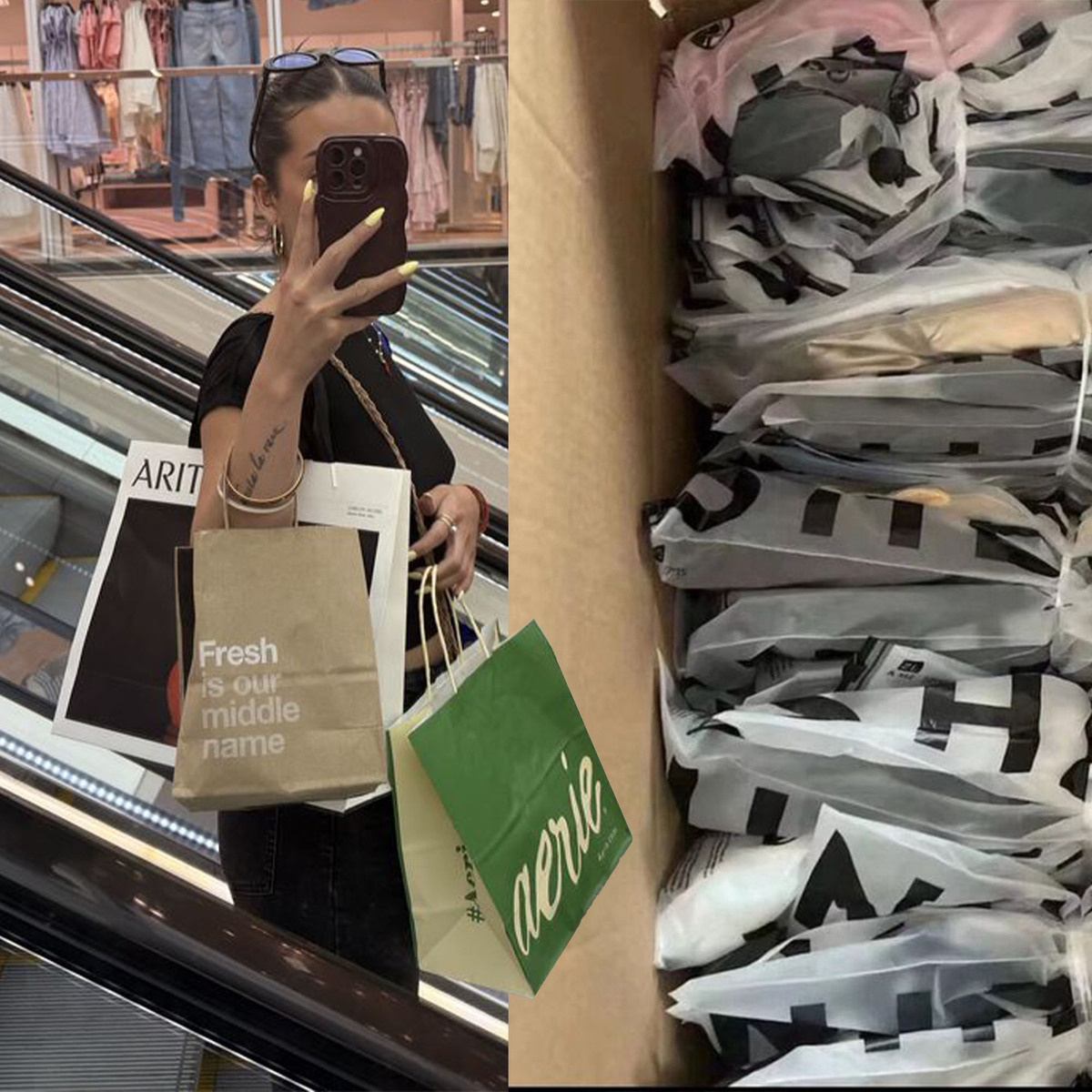
Images via @miladawina @sofswrlddd
Latin America helped offset declines in some of Shein's biggest markets, while revenue in Europe fell 13.9 percent to $3.77 billion and U.S. revenue dropped 6 percent to $2.5 billion.
So the giant is still very much a giant. It's just becoming a little harder for the giant to keep growing in exactly the way it used to.
The Price Tag Was Always the Point
Shein's entire proposition has been incredibly easy to understand: enormous amounts of new fashion, arriving constantly, at prices that make impulse shopping almost frictionless.
Raise those prices and you change the psychology.
According to Reuters, Shein increased prices in Europe while also reducing online advertising ahead of new European Union fees on low-value e-commerce parcels. European sales subsequently fell sharply in the second quarter.
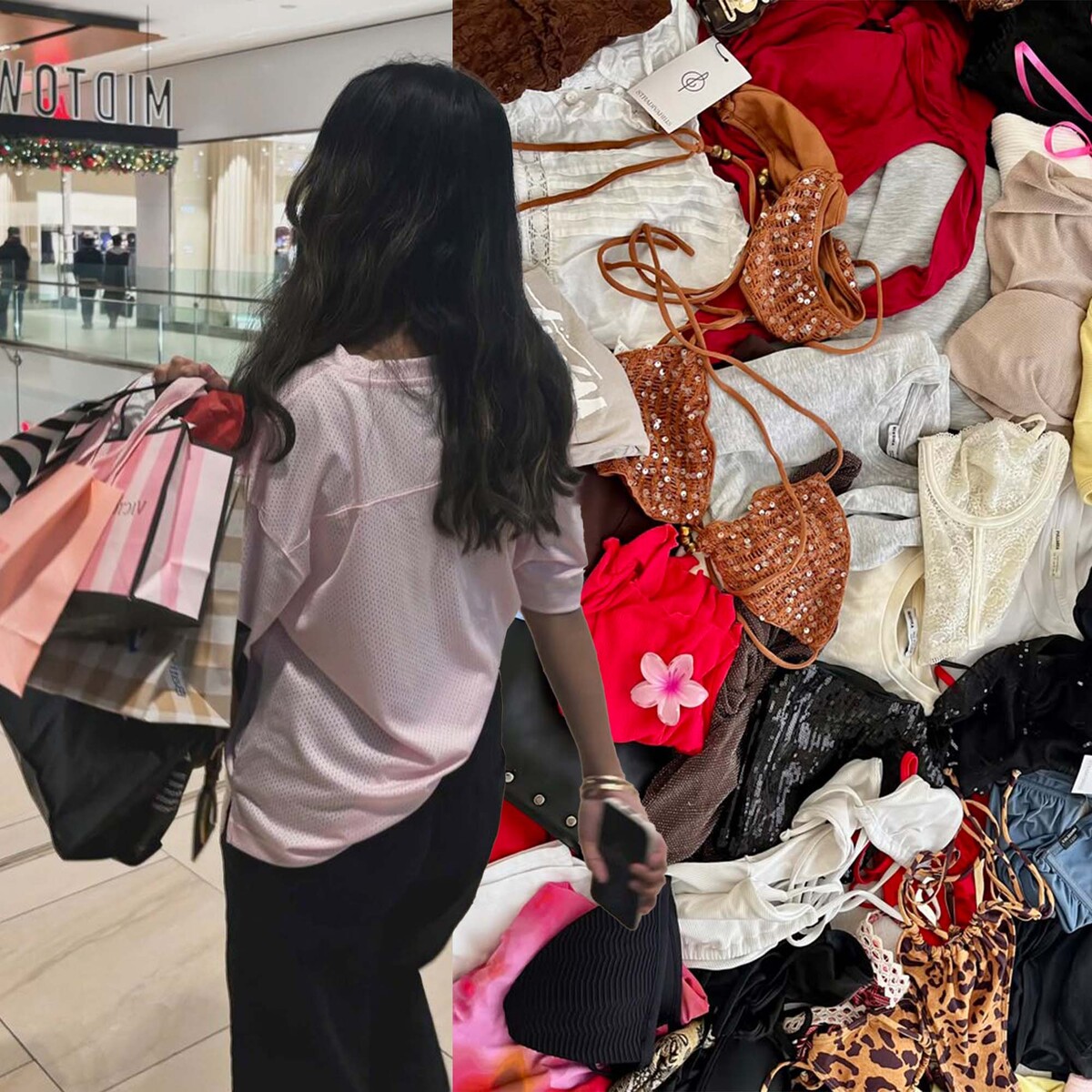
Images via @las_tavie @mkunza222
That's particularly important for a company whose appeal has always depended on the feeling that you can add another top, another pair of jeans, another dress, because why not? When the final number in your cart starts looking less ridiculous, the entire impulse becomes a little easier to question.
Europe Is Becoming a Much Harder Game
The European Union's changing rules around low-value parcels are a major part of the equation.
Since July 1, the EU has imposed a €3 customs fee per customs category on low-value e-commerce parcels, with the charge potentially reaching €15 when an order contains five different types of item. The new costs hit a business model that relies heavily on sending huge numbers of inexpensive products directly to shoppers.
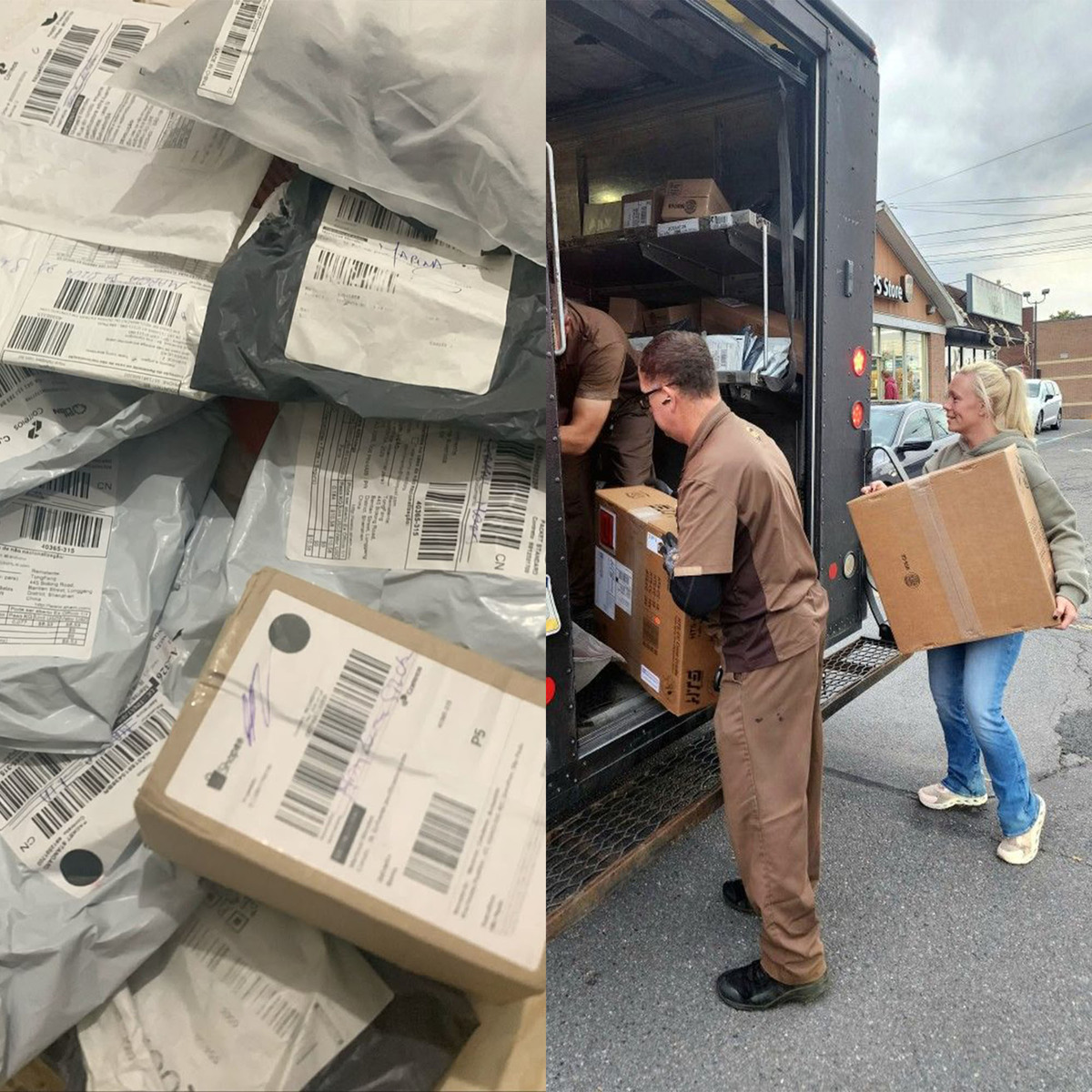
Images via @htscarlb @maarimendess
Shein had already warned that the European changes could have an even greater effect on its business than the end of the U.S. de minimis exemption did last year.
And these second-quarter numbers don't even capture the full effect of the newer European fees yet.
The U.S. Isn't Exactly Making Things Easy Either
America isn't looking particularly effortless for Shein either.
U.S. revenue fell 6 percent to $2.5 billion in the quarter. The company had already been forced to raise prices in the U.S. after the Trump administration ended duty-free de minimis treatment for low-value e-commerce shipments.

Images via @percsss talkingwithtami.com
Put Europe and the U.S. together and you get an awkward situation: two of Shein's biggest markets are becoming more expensive environments for the exact kind of low-cost, direct-to-consumer shopping that helped make the company enormous.
Shein Wants to Become More Than Shein
This might be the most revealing part of the company's next chapter.
CEO and chairman Sky Xu said Shein plans to move further into higher-priced clothing and expand its collection of brands, including through acquisitions. The idea is to create a more diversified platform that can serve shoppers across different price points and occasions.

Images via @nssmagazine @taniamayel21
In other words, Shein doesn't want to be trapped at the very bottom of the fashion price ladder.
That shift could also explain why the company is talking increasingly about a broader brand ecosystem rather than simply selling more ultra-cheap individual pieces. If the average selling price rises, the business has more room to absorb the costs that are becoming harder to avoid.
There Is Another Problem: Getting the Stuff There
Shein's profit margin also took a serious hit.
Reuters reported that adjusted net profit fell 67 percent year over year to $228 million, while the adjusted profit margin dropped from 6.2 percent to 2.1 percent. Fulfillment expenses rose 18.1 percent, with higher oil and freight costs linked to geopolitical conflict contributing to the increase.
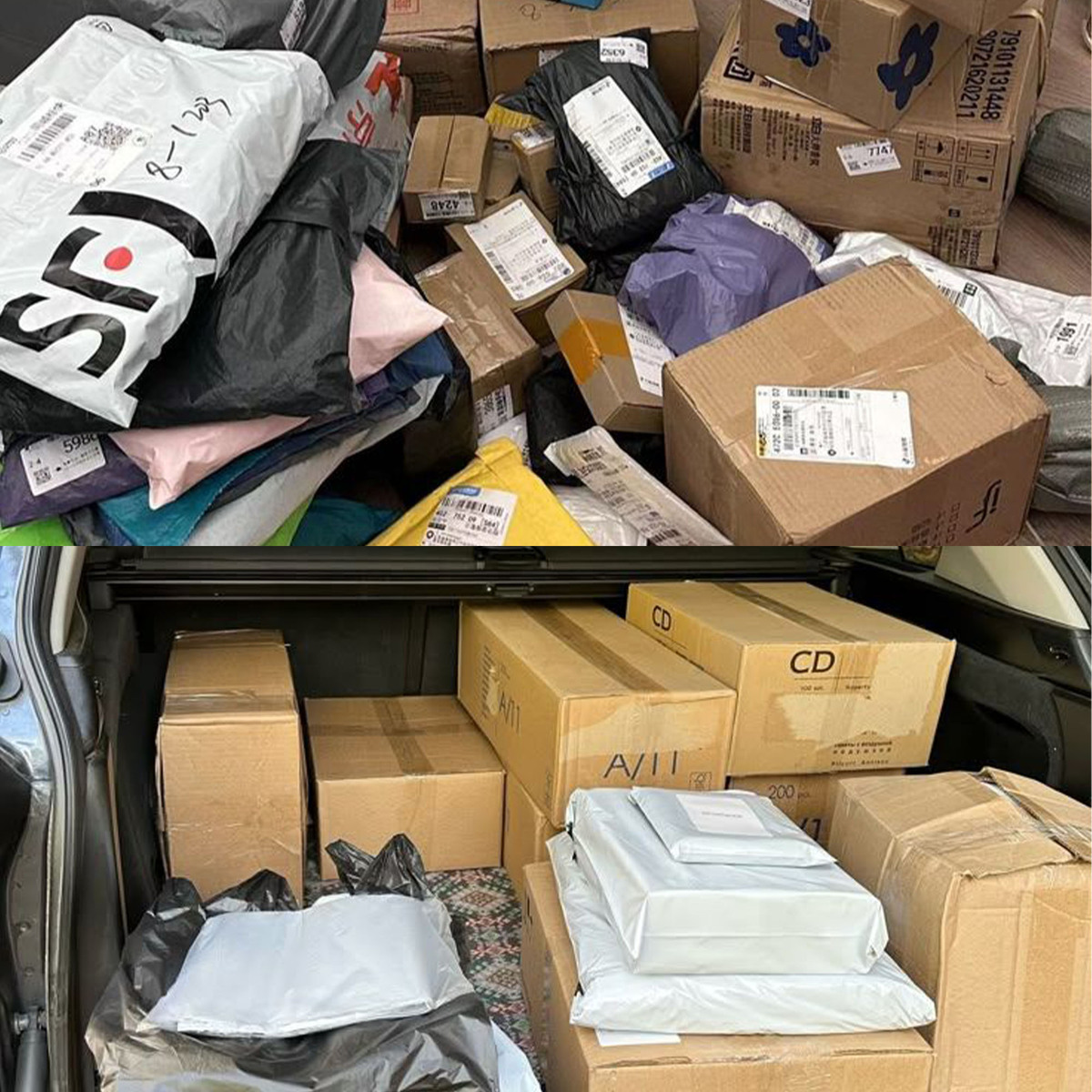
Images via @gujfkkhy @jcvd769
That is a very different problem from whether shoppers like the clothes.
You can have billions in sales and still discover that moving all those tiny packages around the world is getting considerably more expensive.
The Shein Formula Is Being Tested
None of this means consumers have suddenly stopped buying from Shein. The company's scale makes that pretty clear.
What is changing is the environment around the business.
Higher prices. New customs costs. More expensive logistics. Less advertising in Europe. Declining revenue in major Western markets. And a company that is now publicly traded and therefore facing an entirely different level of scrutiny around growth and profitability.

Images via @ddellapi @emilydawnr
Shein is responding by trying to become a broader, more expensive, more diversified fashion platform.
Which raises a slightly strange question: how much can Shein change before it stops being the Shein people came for?
The $5 Dress Has a Lot to Answer For
There is something almost fascinating about watching the world's most aggressive cheap-fashion machine run into the basic problem of cheap fashion: eventually, somebody has to pay for everything it takes to make, ship, advertise, and deliver all those clothes.
Shein isn't collapsing. Far from it.
But its latest numbers show a business being pushed to evolve at exactly the moment when its original formula is becoming more expensive to maintain. Europe is already showing what happens when those costs reach the customer.

Images via @barbara_sassi @charleneizme
And if Shein's next move is toward higher prices, higher-end products, and a collection of brands rather than one endlessly cheap shopping machine, the most interesting question isn't whether Shein can survive.
It's what Shein looks like when being cheap is no longer enough.











 Connect with Facebook