




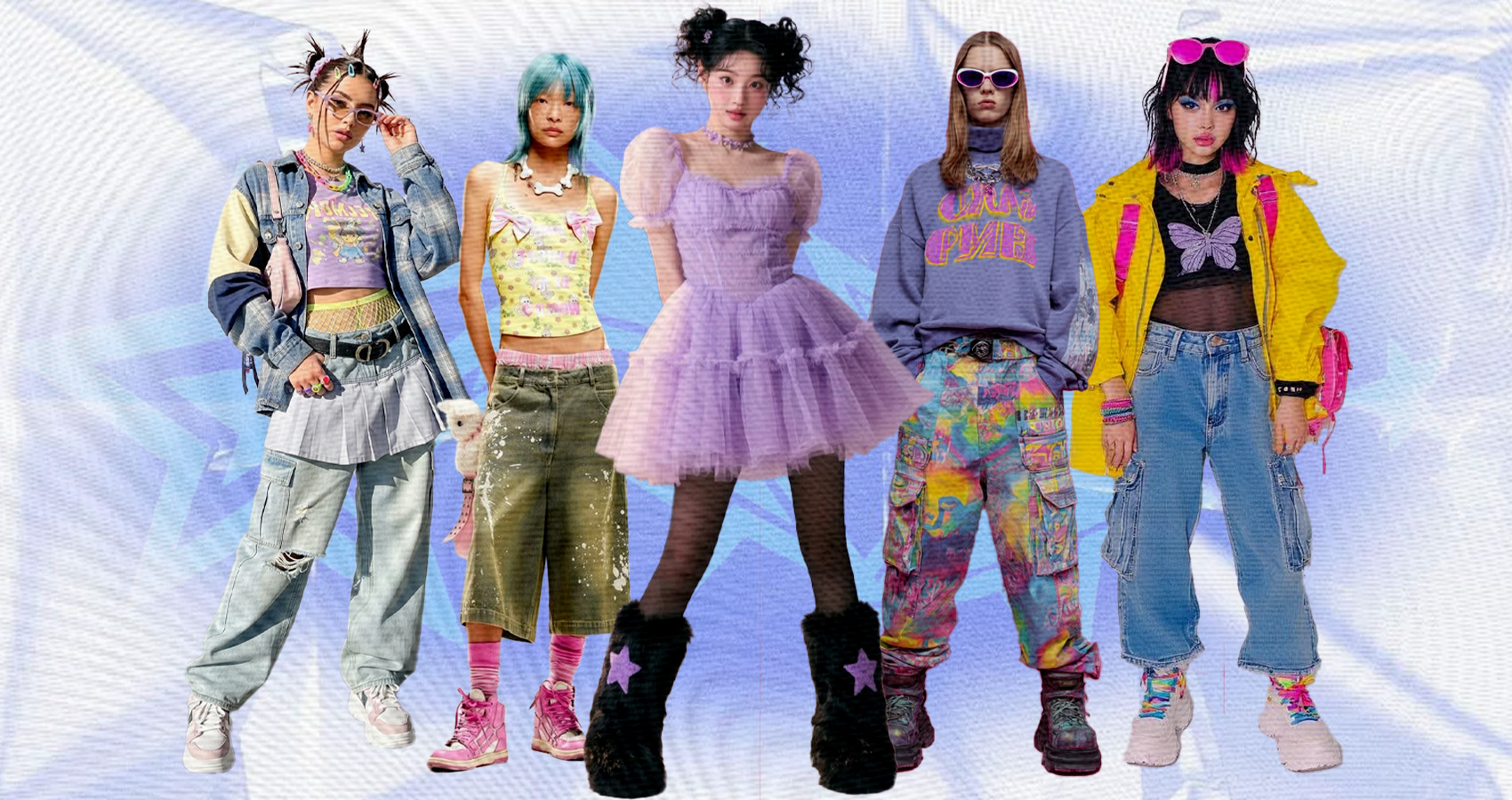
How Has Hyperpop Changed The Way We Dress?
Why I'm suddenly tempted to wear skinny jeans again.
My introduction to the hyperpop music genre was how I’d imagine many young people’s was: those early COVID days in 2019–2020, where TikTok was flooded with neon LED lights, fake vines, and the pitched-up, bubblegum bass of 100 Gecs. This might have been where the genre — characterised by its electronic production style and roots in the British rave scene — experienced its first mainstream boom in popularity, but it was far, far, from the end of its influence.
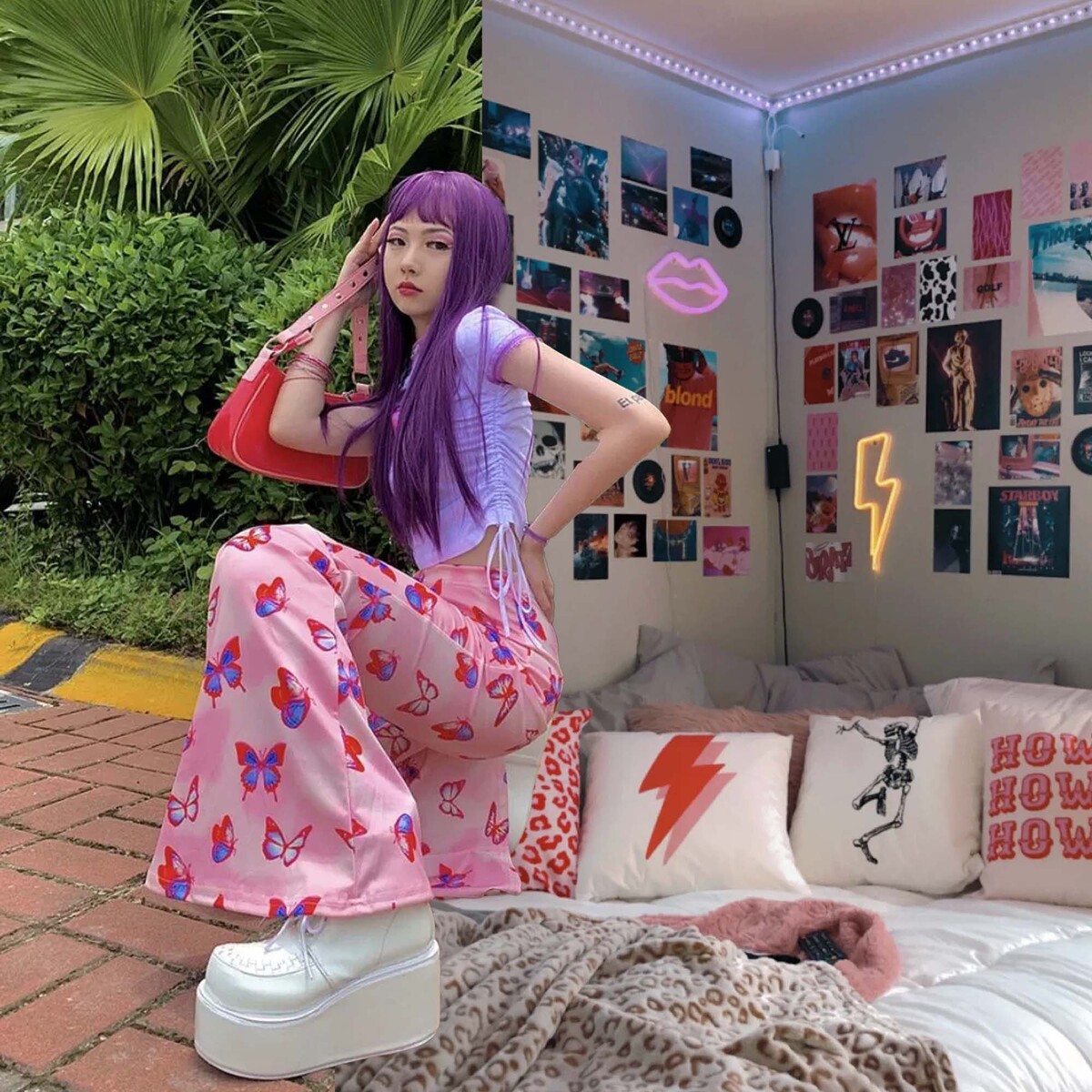
“Hyperpop” is a loosely defined genre that finds inspiration in everything from classic rock to synth metal, yet has carved out an undeniable place within popular culture, worming its way in through the back door. You might have chosen to add it to your playlist, but you’ve no doubt encountered its influence across media and culture. Call it “messy girl”, “y2k”, or “indie sleaze”, the rise of hyperpop and adjacent dance music has left a distinct mark on the world of contemporary culture and fashion.
Brat Summer
Hyperpop arguably received its biggest recent cultural boom with the release of Charli XCX’s sixth studio album, Brat, in June 2024. The record became far more than the music, descending into a mammoth cultural moment with the Summer of 2024 being dubbed “Brat Summer”. “Brat” as an aesthetic was the unashamed antithesis of the refined order of the clean girl. Instead of slick back buns and 6 am pilates, Brat was bottle-blonde split ends and rolling into work in last night’s clothes on a Wednesday, or, in the words of Miss XCX herself, ‘trashy: a pack of cigs, a Bic lighter and a strappy white top.’
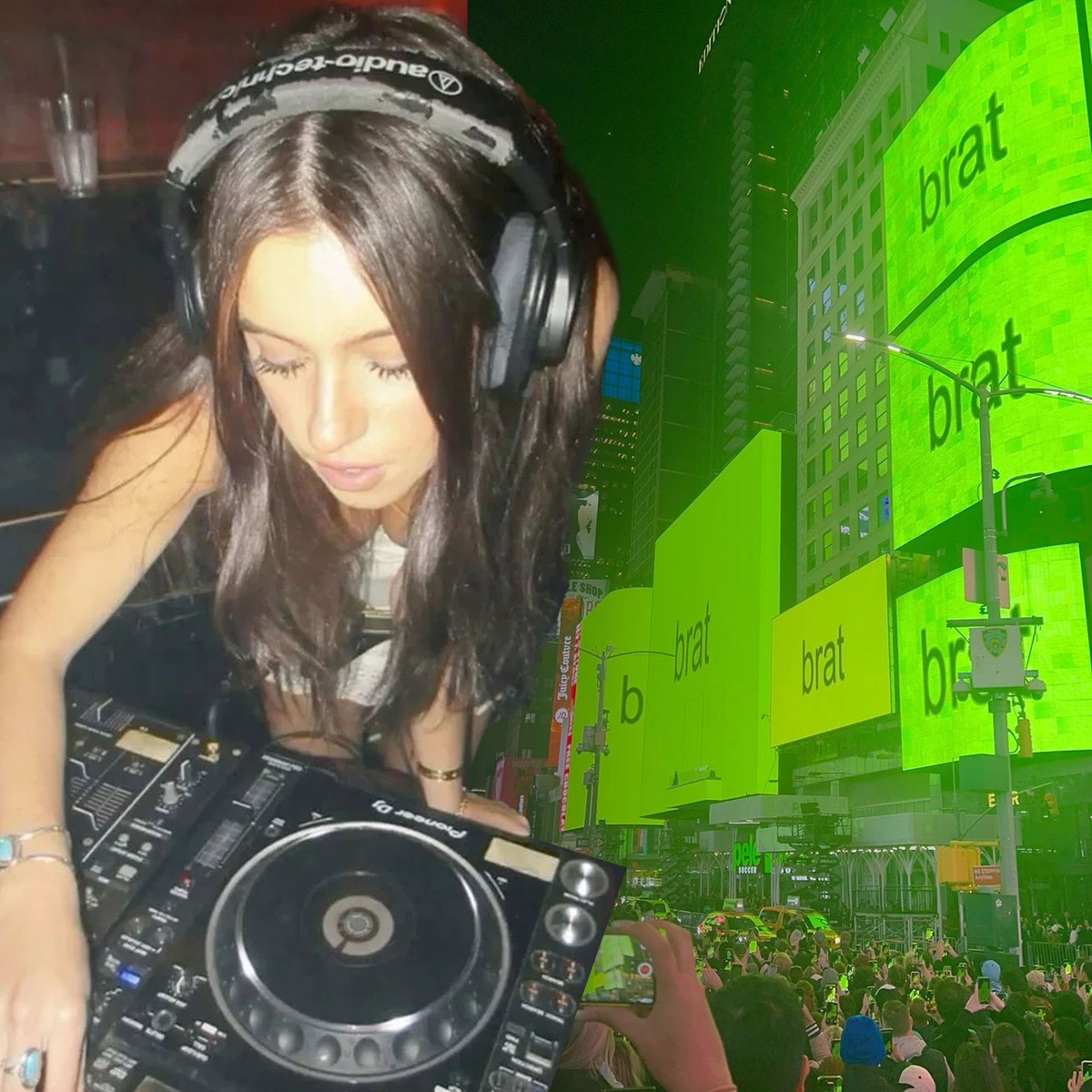
While the image Charli paints references the grunge-club-inspired roots of the album, it came after a carefully manufactured marketing campaign. After the album’s success, it’s easy to forget Charli’s pre-Brat cultural position. Despite being the writer behind hits such as Selena Gomez’s ‘Same Old Love’ and Camilla Cabello’s ‘Señorita’, Charli’s success largely resided in loyal, passionate, yet decidedly niche sub-cultural audiences.
While her earlier tours took place almost exclusively in sub-5000 capacity venues, the Brat tour’s earliest dates were exclusively scheduled for arenas. Considering the staggering success the album received over the Summer, this choice is an obvious one in hindsight, but made less sense at the time. The tour was announced in April 2024, months before Brat and its associated aesthetic became the cultural phenomenon we remember it as today. It seems that despite her arguably “underground” status in the music world, somebody behind the scenes recognised that Brat’s marketing would become successful — and mainstream — enough to warrant a gamble.
The Aesthetic of the Anti-aesthetic
Brat's tenacious occupation of the space somewhere between the mainstream and the underground didn't end here. Cut to today, and the album’s signature font and eye-watering green have become inseparable from Charli, and arguably the genre itself. While the record’s production-heavy sound pulls from counter-culture, the aggressive marketing, with an H&M collection and accompanying film to match, unashamedly caters to the mainstream. In fact, the various merch, most often a lime green shirt embellished with a range of words or phrases in Arial Narrow, guided the new wave of electronic dance music into the mainstream as much as any of the record’s tracks.
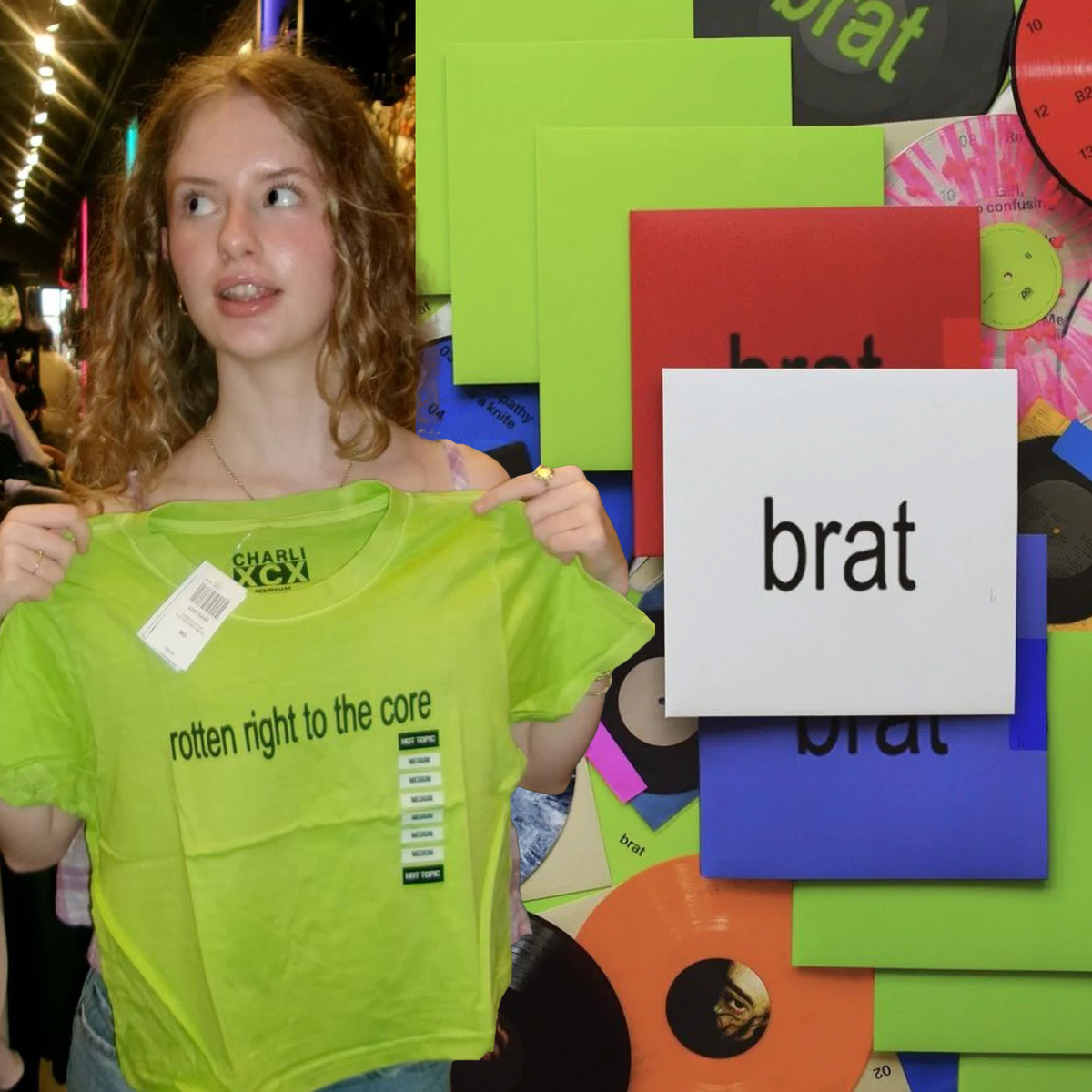
The outcome is a walking contradiction that playfully acknowledges its hypocrisy; a Hackney town hall wedding to your rockstar fiancé followed by a six-figure reception in Sicily. It’s an image rooted in universal accessibility, while being impossible to recreate for those of us without access to the celebrity world.
Brands Galore
This tension is all over the genre and its accompanying fashions. The world of contemporary electronic pop does not shy away from references to luxury and a name-drop, and is no stranger to integrating designer labels into its lyrics and general aesthetic. At the Brat tour’s opening night, the number of Von Dutch pieces I saw was staggering, but completely unsurprising, practically instructed by the album itself.
Von Dutch, cult classic but I still pop
I get money, you get mad because the bank shut
Charli XCX ‘Von Dutch’
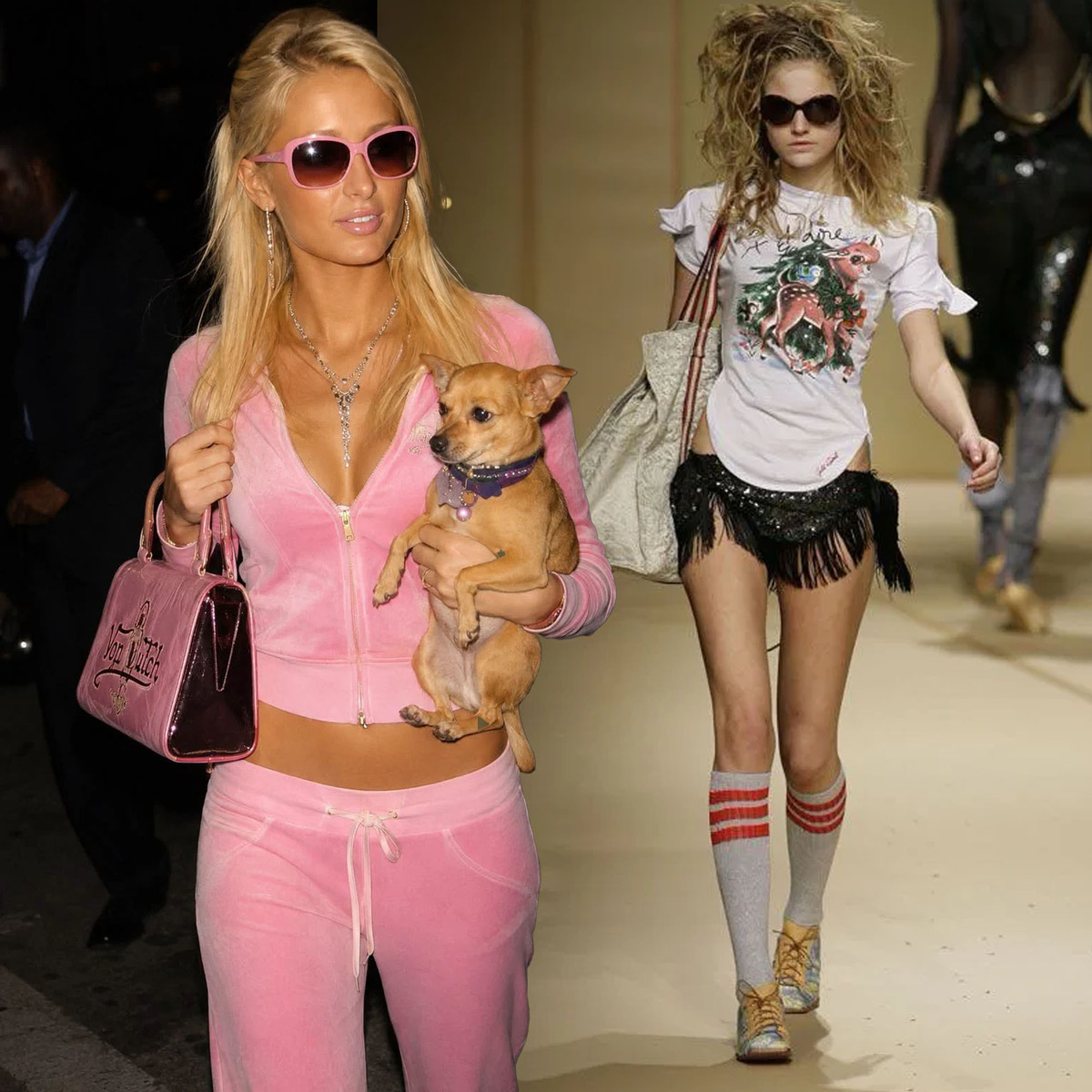
The mention (and title) of Von Dutch, however, is less a reference to luxury or any recent S/S collection, but what it embodies in the cultural memory: pre-recession, early-2000s extravagance, Paris Hilton decked out in Dior sunglasses with "Von Dutch" emblazoned across her chest on The Simple Life. Casually name-dropping fashion houses might seem antithetical to the everyman grunge that hyperpop so often embodies, but it is the very guache, nostalgic opulence of high fashion made messy that begrudgingly forces the mainstream to be avant-garde.
Take Slayyyter, whose newest album WOR$T GIRL IN AMERICA has been making the rounds since its release in March of this year. Slayyyter’s aesthetic takes the melodramatic Americana of Lana Del Rey or Ethel Cain and puts it in the club, as she reminds us that her aesthetic is as performative as it is incidental. As with Charli, high fashion is implemented to remind us of this contrast. Far from the curation of the catwalk, Slayyyter juxtaposes designer labels with profanity and the grime of a dancefloor, ‘Saint Laurent jacket on the floor’.
Sex, money, drugs, chains on my chest, vintage Celine [...]
F*ck him, go into his closet, steal some of his Supreme
I want beat-up Chanels, I want new personell
Slayyyter, ‘BEAT UP CHANEL$’
Nostalgia
As with the bedazzled Y2K aesthetics of ‘Von Dutch’, much of hyperpop and the style it's produced is grounded in a yearning for — perhaps not simpler, but — different times. In an age where the increasing cost of living forces club closures, making the party girl aesthetics Gen Z were raised on through Spring Breakers or The Bling Ring near impossible to recapture, hyperpop recalls the 2010s through its house-inspired pop (and fashion) influences.
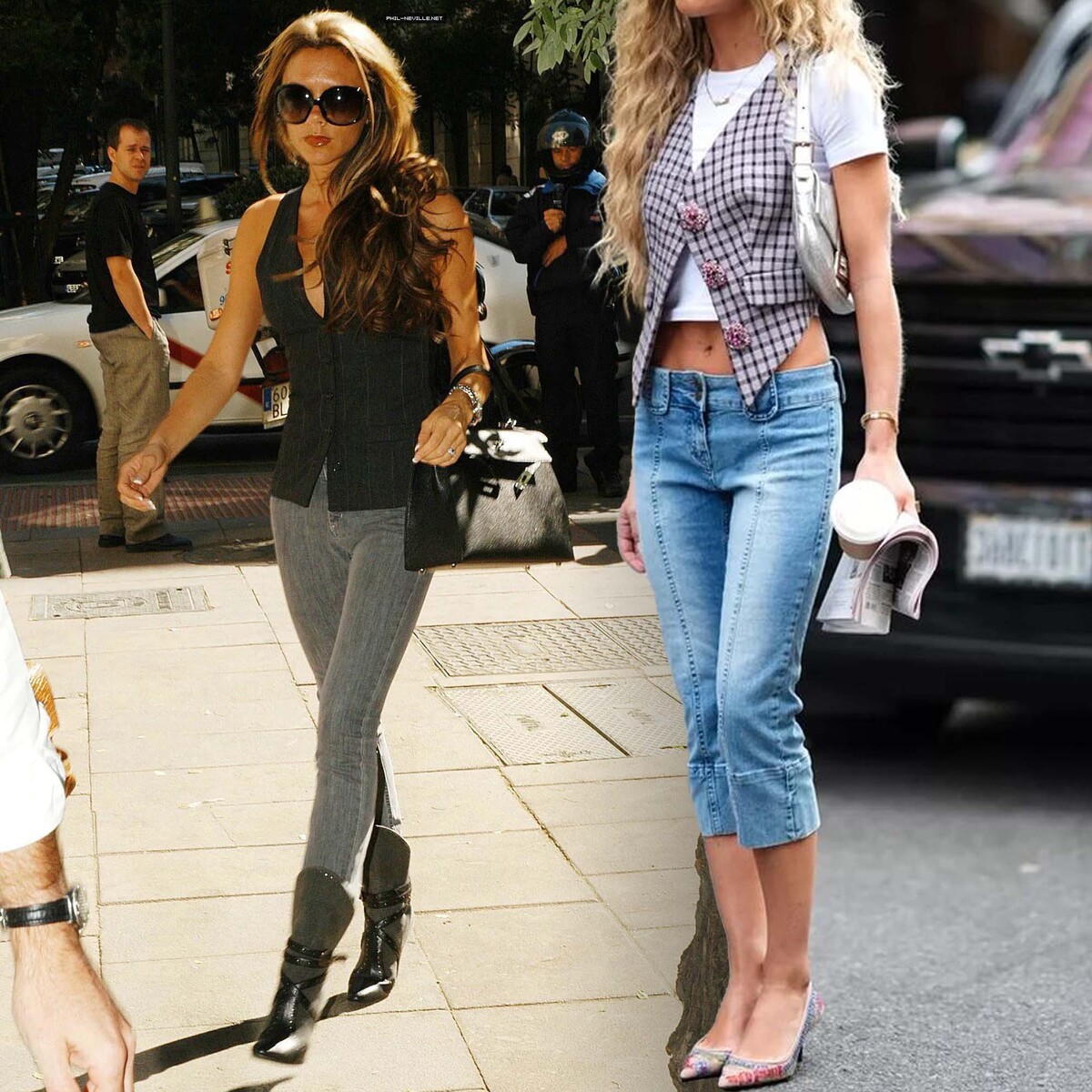
While trend forecasting tells us that the skinny jeans and side parts of the 2010s are out, hyperpop embraces it. The London label 1XBLUE, for instance — pulling from the indie-sleaze aesthetics of the genre and the creative opulence of UAL’s yearly graduate fashion shows — recently released a pair of skinny jeggings (you heard that right). It's so untrendy that it becomes trendy, rejecting what we are told is “cool” and forcing us back into the days of Channel 4’s Skins and the mismatched style of the decade.
Radical Simplicity (That’s Not Simple At All)
Everything we are so often told makes a song “good” — emotionally insightful lyrics, strong vocal performances, catchy melodies — is what hyperpop rejects as a genre. That’s not to say it's without them (see Brat’s ninth track ‘So I’, whose lyrics hauntingly commemorate the late SOPHIE, who pioneered the genre), but hyperpop often uses production as its focal instrument, treating the track’s other elements as ornamental factors to its one ultimate goal — making you dance.
While its dedication to refusing clear meaning could be deemed shallow, hyperpop's simplicity often proves itself a surface-level disguise. Lyrics such as Kim Petras’ ‘Don’t you love the money? Don’t you love my style?’ might not make any grand social commentary in their own right, yet situate themselves in the genre’s deeply political roots. Undeniably maximalist, abrasive, and countercultural, hyperpop is inseparable from LGBT+ culture and its adjacent political values. The genre’s most influential figures, such as SOPHIE, whose experimental production style influenced music superstars such as Madonna, are not just coincidentally queer but unashamedly intertwined with queer cultures, situating the upbeat sonics of the music within the sombre post-recession conditions of their communities.
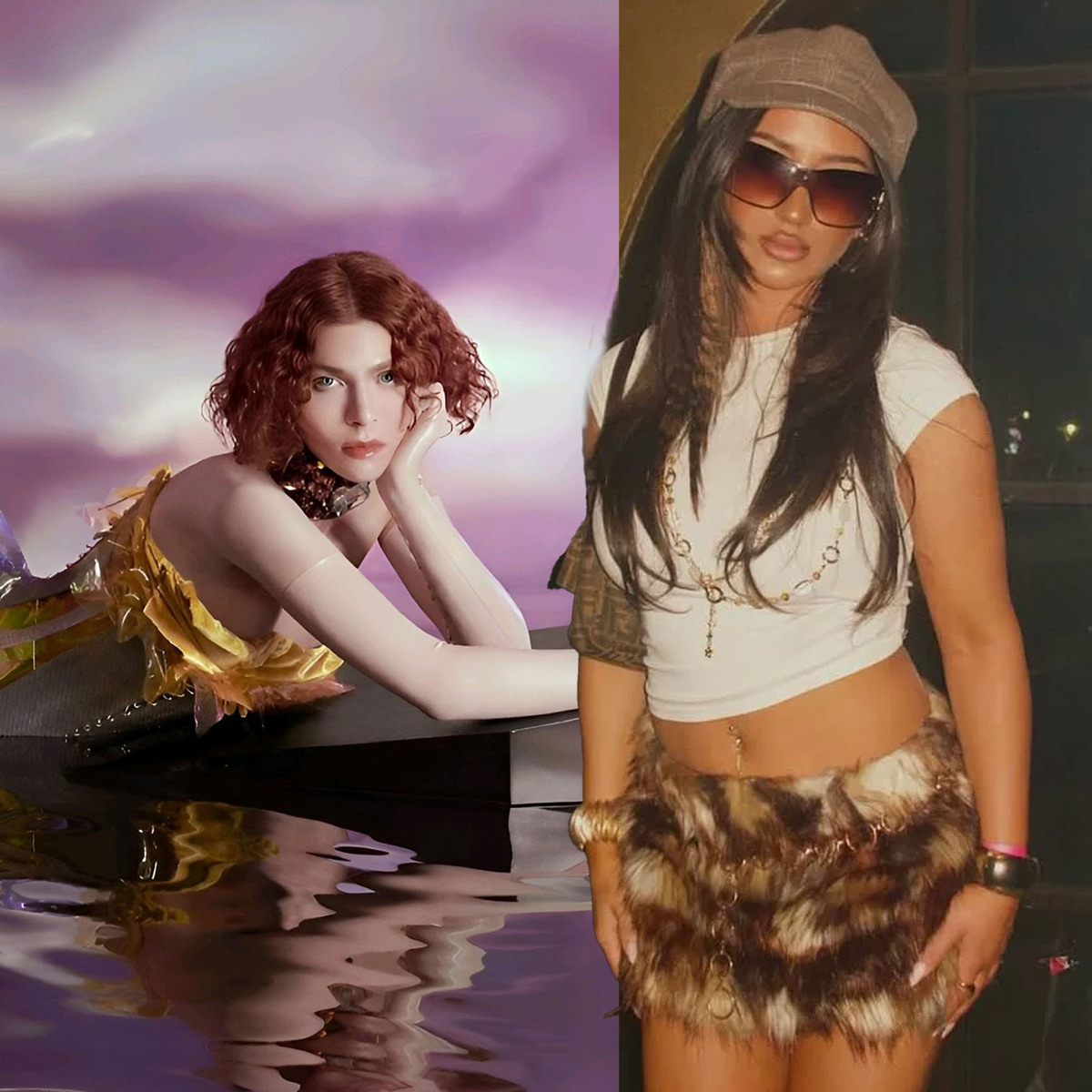
Similarly, the fashion of hyperpop is only another piece of the puzzle. As with the genre itself, it's almost impossible to pin down, rejecting the aesthetic ease of the trend cycle or the easy organisation of a Pinterest board. Chanel sits atop a grubby club floor and a $2 tank top; high fashion becomes tacky, skinny jeans become cool.
As contemporary fashion begins to lean away from the curated simplicity of the clean girl and towards maximalist avant-garde, hyperpop has granted permission to subvert, throwing a hundred references together that make sense exactly because they don’t. In a culture preoccupied with obsessively categorising fashion into neatly defined aesthetics, hyperpop's most influential fashion statement might simply be refusing to become one at all.









 Connect with Facebook