




eBay Wants You to Stop Being Scared of Buying Designer Fashion Secondhand
Now it can feel more like forensic science.
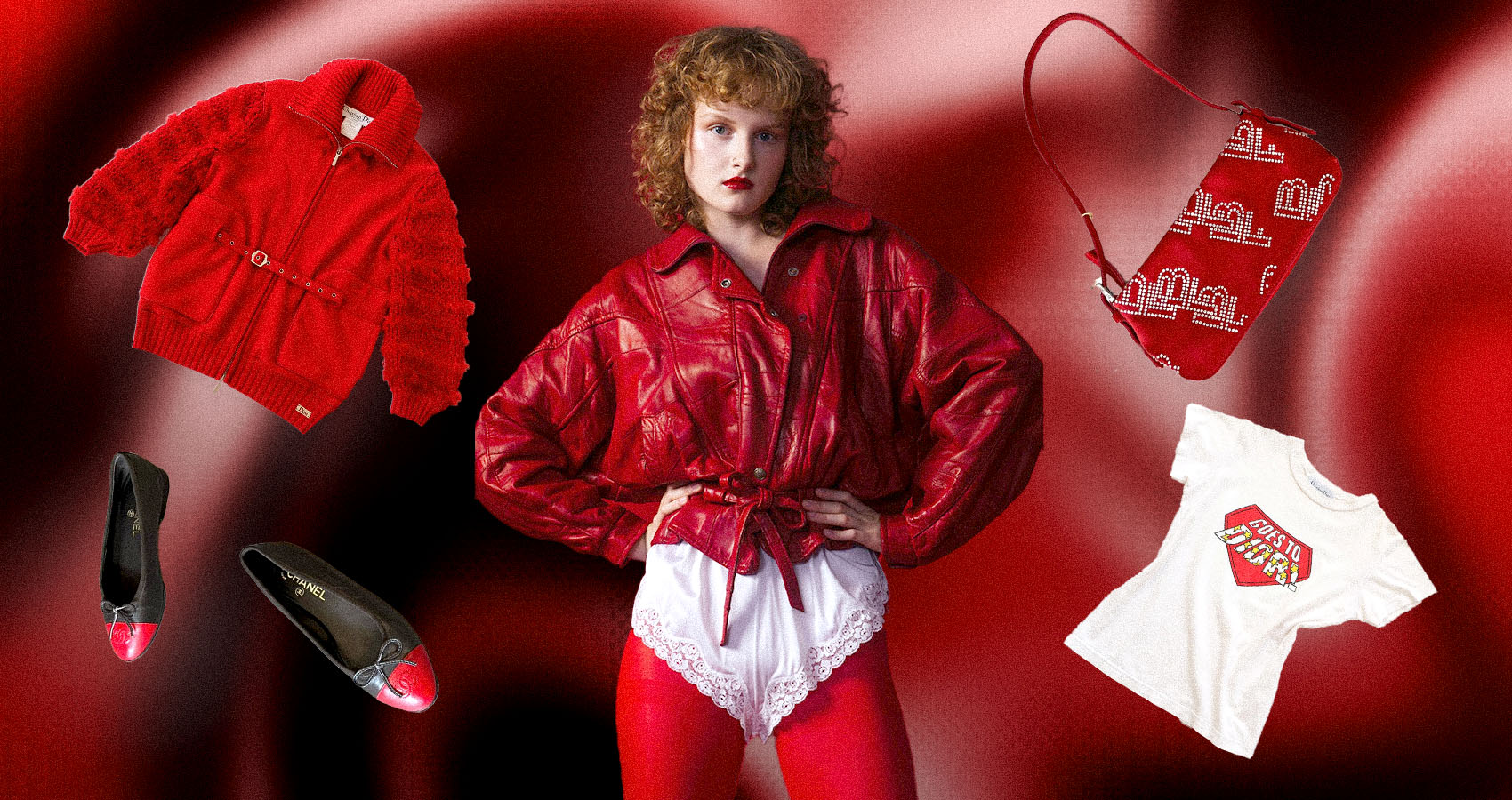
Buying designer fashion secondhand used to feel like treasure hunting.
Now it can feel more like forensic science.
You find the Prada bag. The old Gucci jacket. The archive piece you've been stalking for six months. The price is suspiciously good. Then you start zooming into stitching, labels, hardware and seller photos like you're preparing evidence for court.
eBay clearly knows this is a problem.
eBay Is Making Authentication Free
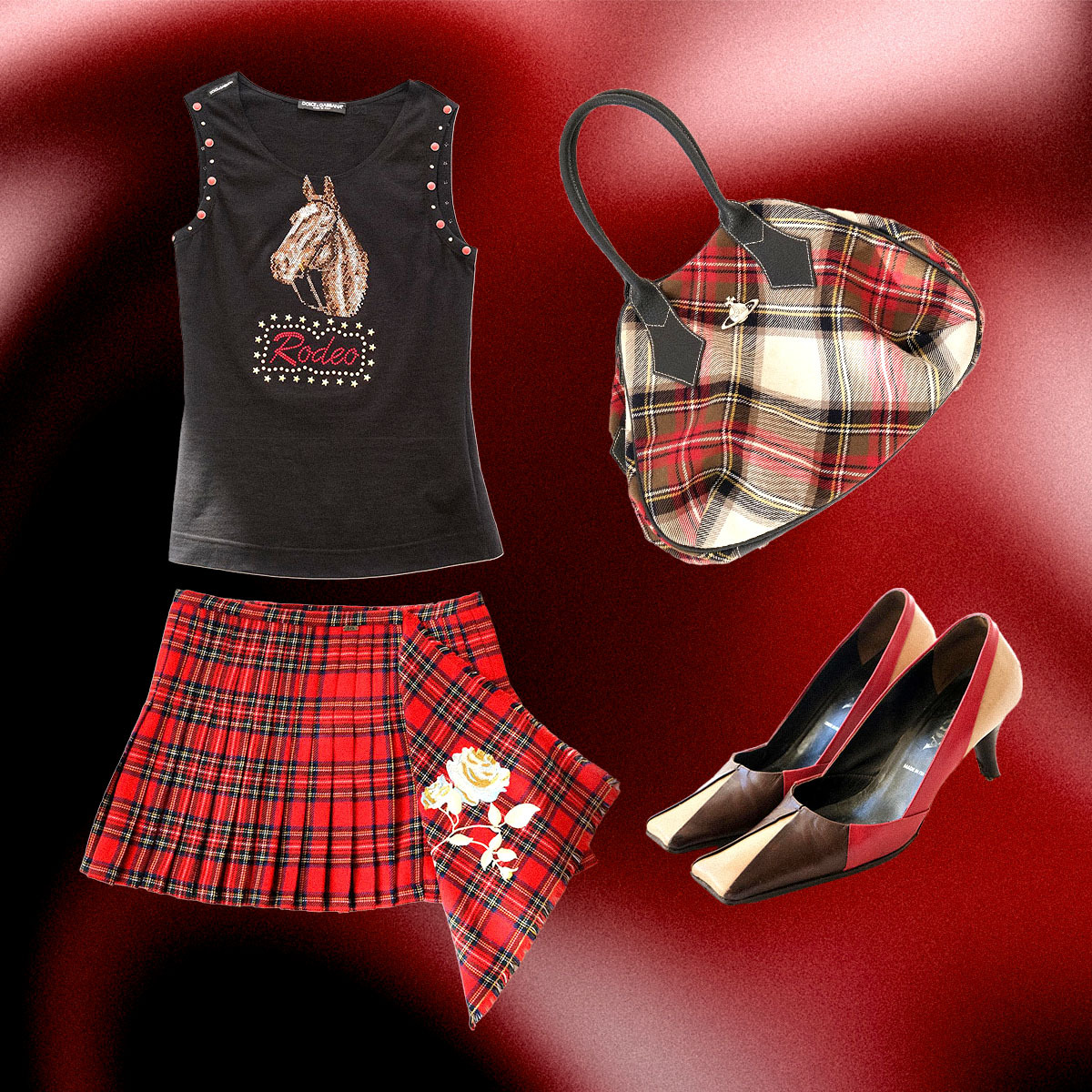
eBay has expanded its Authenticity Guarantee for high-end fashion, giving buyers access to professional physical authentication at no additional cost on eligible items.
When an eligible piece sells, it doesn't go straight from the seller to the buyer. It first goes to an authentication center, where experts check whether the item is genuine and whether it matches the original listing. Only after it passes inspection does it continue to the buyer.
And if the item is returned, it goes back through the authentication process before being sent back to the seller.
Basically, your vintage Prada is getting a little airport-security moment before it reaches your closet.
Because Resale Has Become Serious Money
This isn't really about eBay suddenly discovering that counterfeit handbags exist.
It's about what has happened to the resale market.
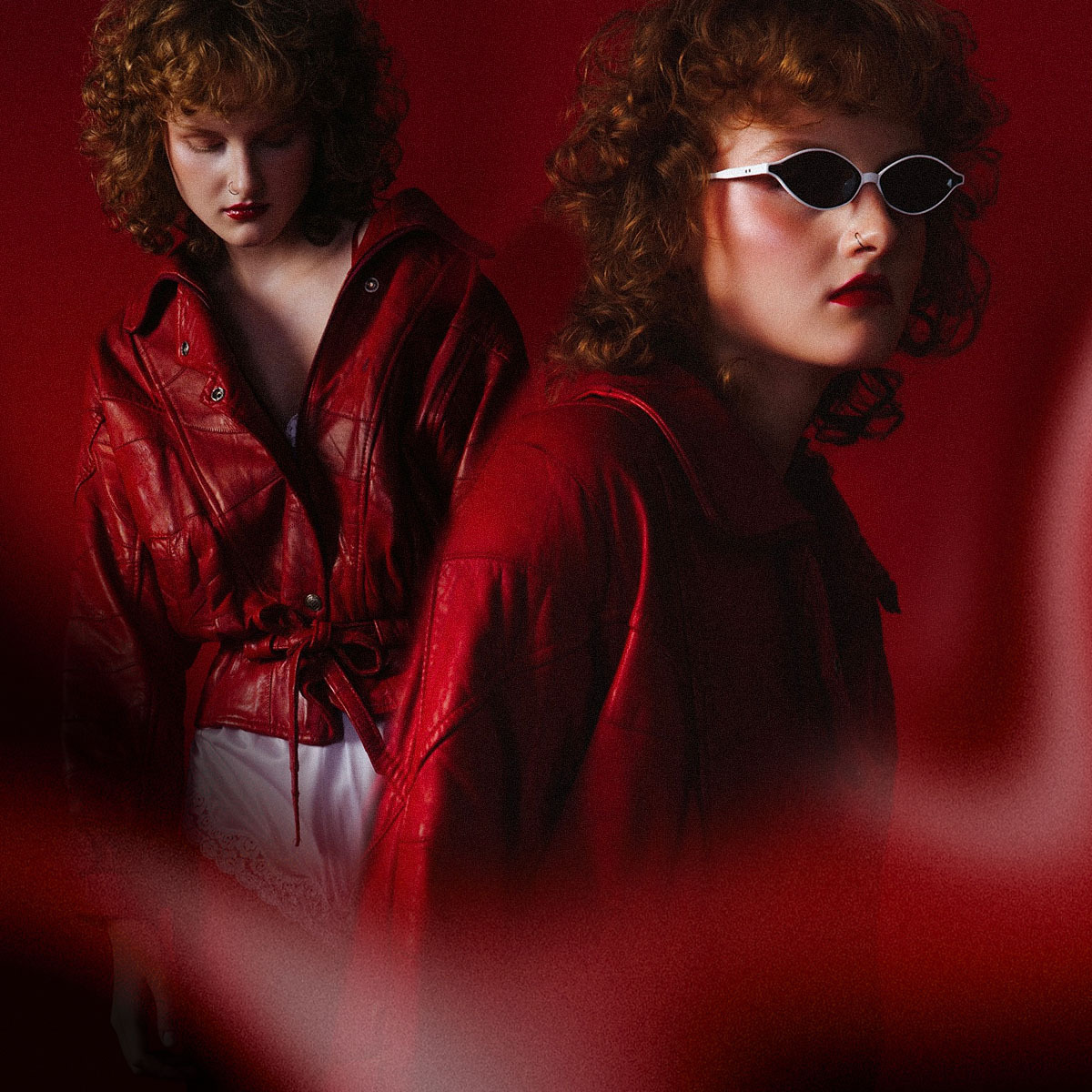
Secondhand fashion has moved far beyond bargain hunting. Archive pieces can be expensive. Vintage designer bags can behave like collectibles. Old runway pieces can become more desirable precisely because you can't buy them new anymore.
And the more valuable the item becomes, the more terrifying it is to hand over your money without knowing exactly what you're getting.
eBay says more than 15 million items have already gone through its authentication program globally, across categories including fashion, watches, handbags, sneakers and jewelry.
The Archive Is Becoming the New Luxury Store
That shift is also showing up in the way eBay is presenting fashion.
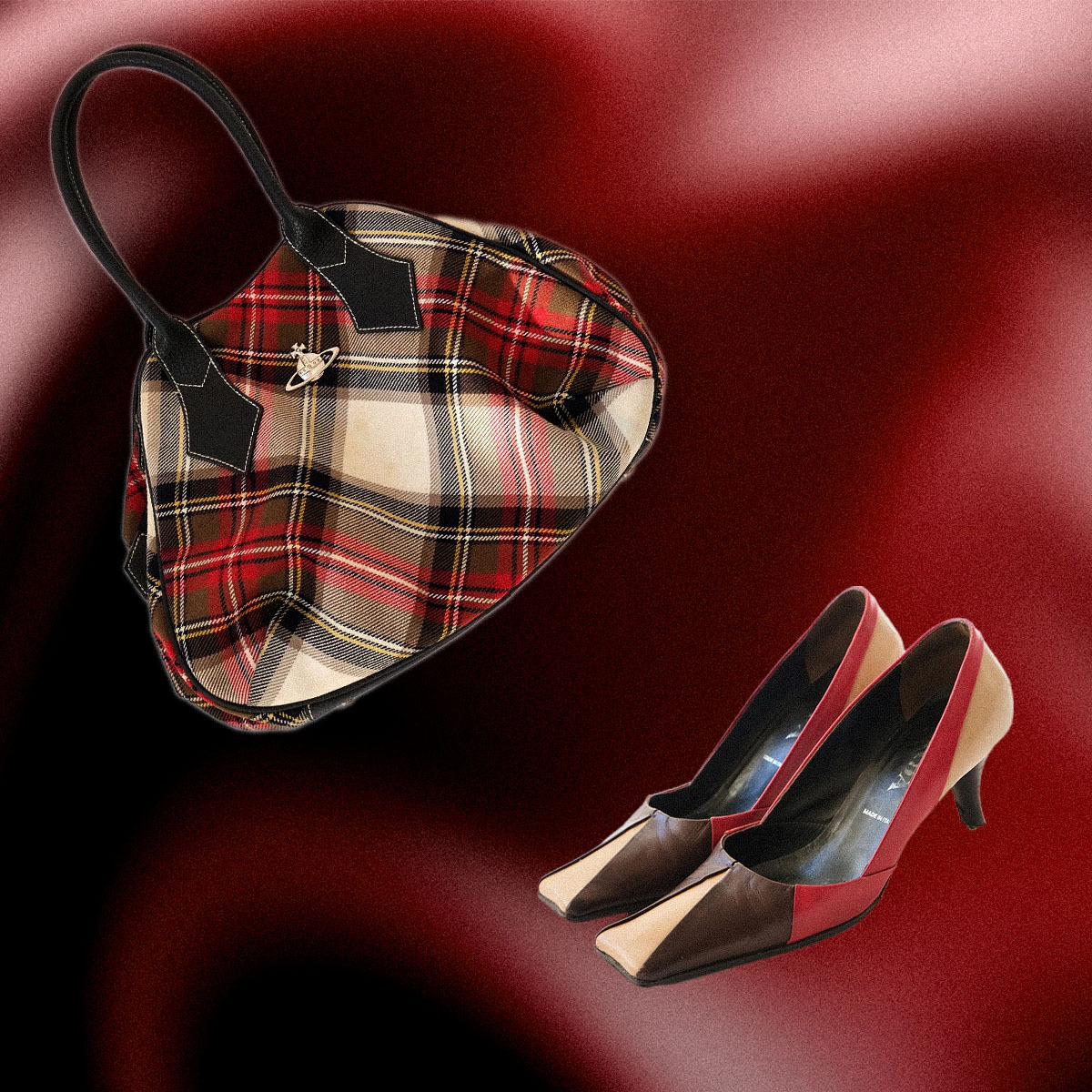
For the Milan and Paris Fashion Weeks, the platform launched listed*, a project built around pre-loved fashion, live shopping and pieces with actual fashion history behind them.
In Milan, Tamu McPherson curated a selection spanning decades of fashion, including Prada from 1996 and Gucci from Tom Ford's era. Paris gets a selection curated by Camille Charrière.
That is a very different way of talking about secondhand fashion.
You're not being told that something is cheap because someone else already owned it. You're being told that the previous owner might have been holding onto a piece of fashion history.
Italy Just Joined the Authentication Club
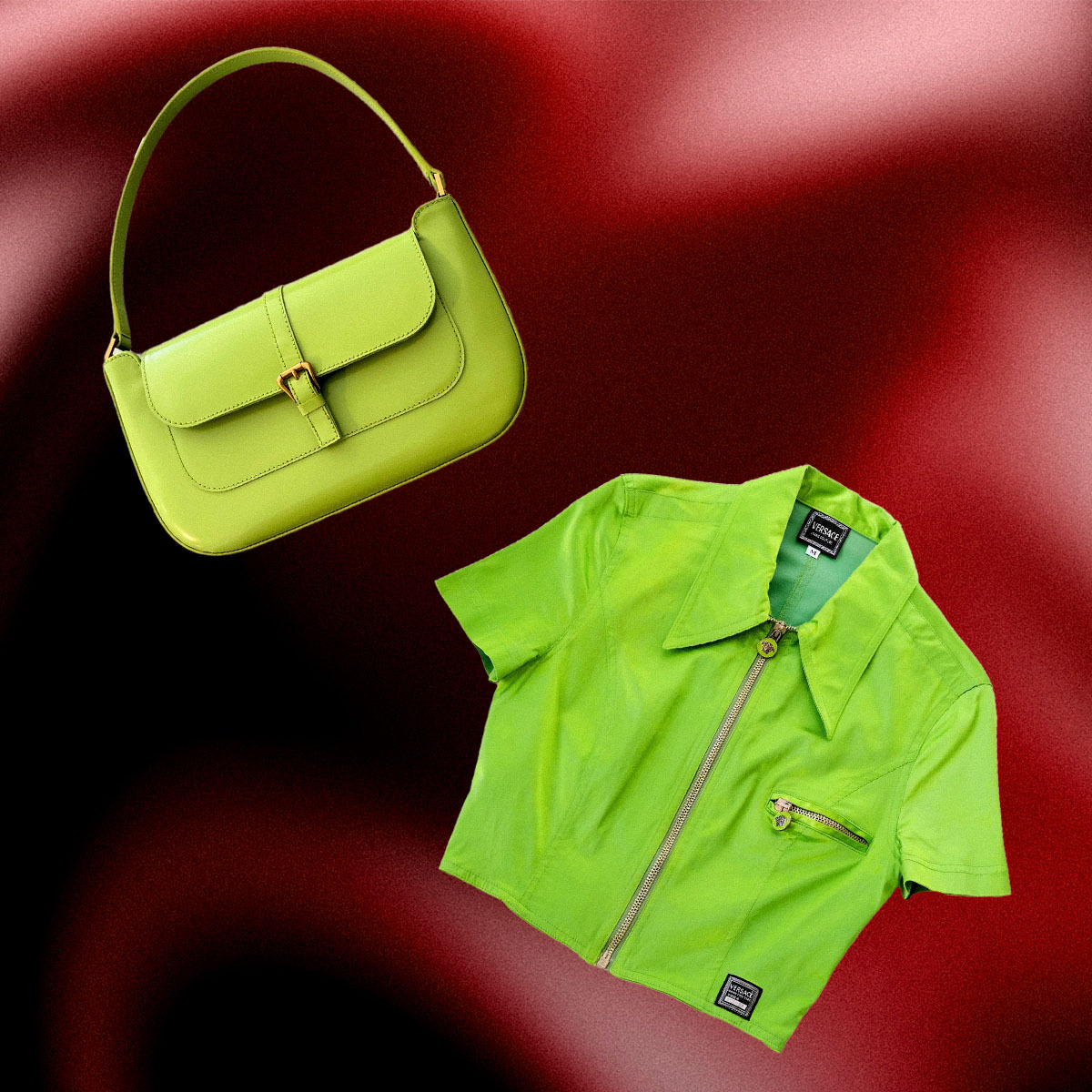
eBay's authentication service expanded into Italy in September, with eligible fashion and luxury pieces sent to a professional authentication center in Germany before reaching buyers.
The service covers qualifying bags, clothing, shoes, accessories and selected branded sneakers priced at €200 or more, while eligible watches start at €1,500. eBay has also expanded the service into France.
That matters because Europe is basically one enormous playground for vintage luxury.
There is an absurd amount of fashion history sitting in wardrobes, boutiques, resale stores and online marketplaces across the continent. Making people feel safer buying it online potentially unlocks a lot more of that inventory.
The Real Luxury Is Knowing You're Not Getting Scammed
And honestly, this might be one of the less glamorous but more important developments in fashion.
The resale market doesn't need another campaign telling us vintage is cool. We already know.
What it needs is infrastructure.
Authentication is part of that infrastructure. So are better returns, better seller protections, reliable condition descriptions and systems that make buying a $1,000 archive piece online feel less like a gamble.
eBay is betting that if shoppers know someone qualified is going to physically inspect the item before it reaches them, they'll be more willing to take the plunge.
And I suspect they're right.
The future of luxury might not be about buying everything brand new.
It might be about knowing exactly what you're buying when you find something that's already had a life.








 Connect with Facebook