




Why Reusable Period Underwear Saves Money and Reduces Waste Daily
Save money and reduce waste with reusable period underwear.
Disposable pads and tampons create a recurring expense that continues through every menstrual cycle. Reusable period underwear changes that pattern by combining absorbent fabric with washable construction. One purchase supports repeated use, while fewer disposable products end up in household trash. The financial benefit grows across months, especially when underwear becomes part of a broader period-care routine. Understanding the cost and waste savings starts with examining how reusable underwear works in daily life.
How Reusable Underwear Changes Period Costs
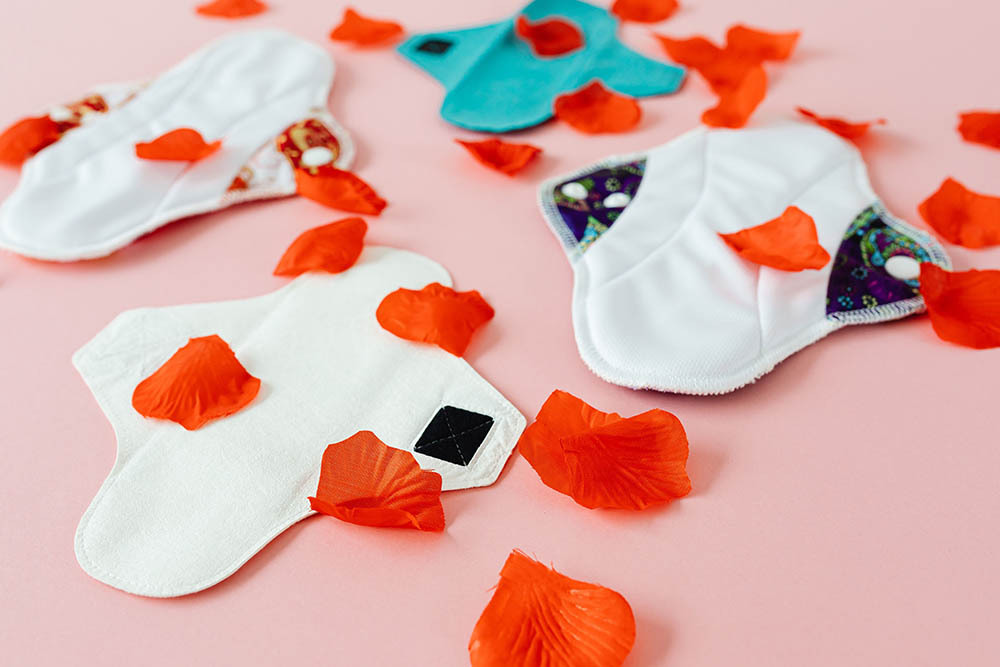
Reusable underwear replaces products you buy again and again each cycle. A person still needs several pairs, but each pair can be worn again after proper washing. That shifts spending from frequent replenishment to an occasional clothing purchase. The number of pairs needed depends on laundry access, flow, and preferred washing habits. Someone who washes clothes frequently can rotate fewer pairs, while someone wanting more flexibility can keep additional pairs available.
For shoppers comparing absorbency, cut, and intended use, reusable period underwear for women provides a practical category to evaluate. Different styles suit different clothing preferences, while absorbency levels help match lighter days, heavier flow, or overnight use. Reviewing those details before buying helps prevent spending on a pair that does not fit a person’s routine.
Where The Savings Accumulate
The financial advantage appears through repeated cycles rather than one dramatic reduction. Disposable products require ongoing purchases, and the total depends on product type, flow, cycle length, and local prices. Reusable underwear limits those recurring purchases after the initial investment.
A simple comparison can clarify the difference. A shopper can record monthly spending on pads, tampons, liners, or backup products, then compare that amount with the cost of suitable underwear. The comparison should include the number of pairs required and normal laundry costs.
Reusable underwear also supports predictable planning. A small rotation reduces the need for last-minute purchases. Buying fewer emergency products helps control impulse spending and keeps period care within a regular household budget.
Why Less Waste Enters The Trash
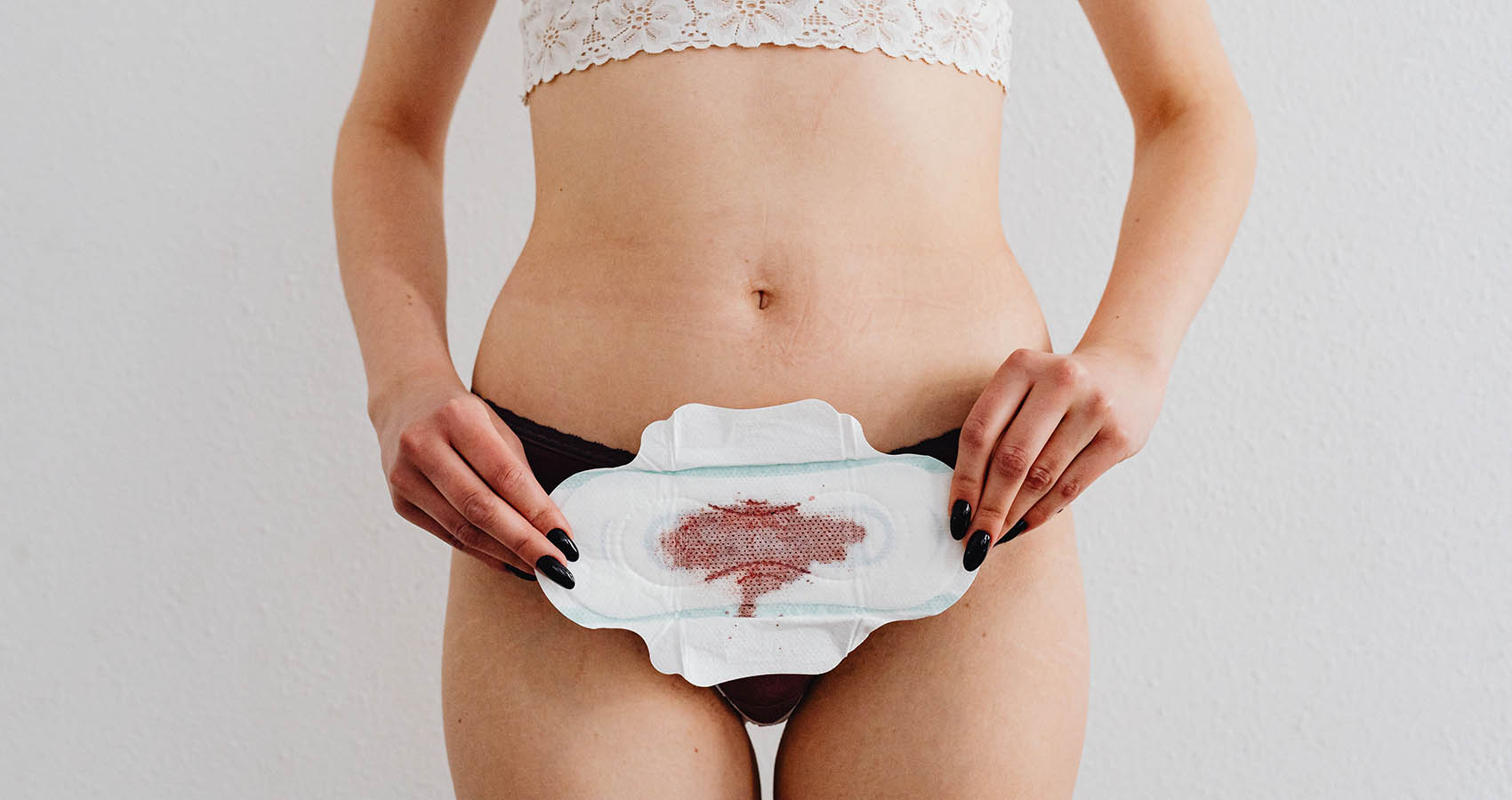
Disposable period products use materials that leave the home after a single period of use. Packaging adds more waste because individual products often come wrapped or boxed. Reusable underwear changes the disposal pattern because the absorbent garment stays in circulation after laundering.
Waste reduction depends on continued use. A pair worn through many cycles replaces many disposable items that would otherwise go into a trash can. Proper care extends its useful life, increasing the waste avoided over time.
The benefit also includes fewer shopping trips and fewer packages handled at home. Those changes do not eliminate every environmental cost, since reusable underwear requires water, detergent, and energy during washing. Washing full loads and following the care instructions keeps those demands controlled.
How To Build A Practical Rotation
A useful rotation starts with the days that are most challenging. Heavy-flow days, overnight use, workouts, and long work shifts each require different planning. Choosing absorbency based on those situations helps a person avoid relying on disposable backup products.
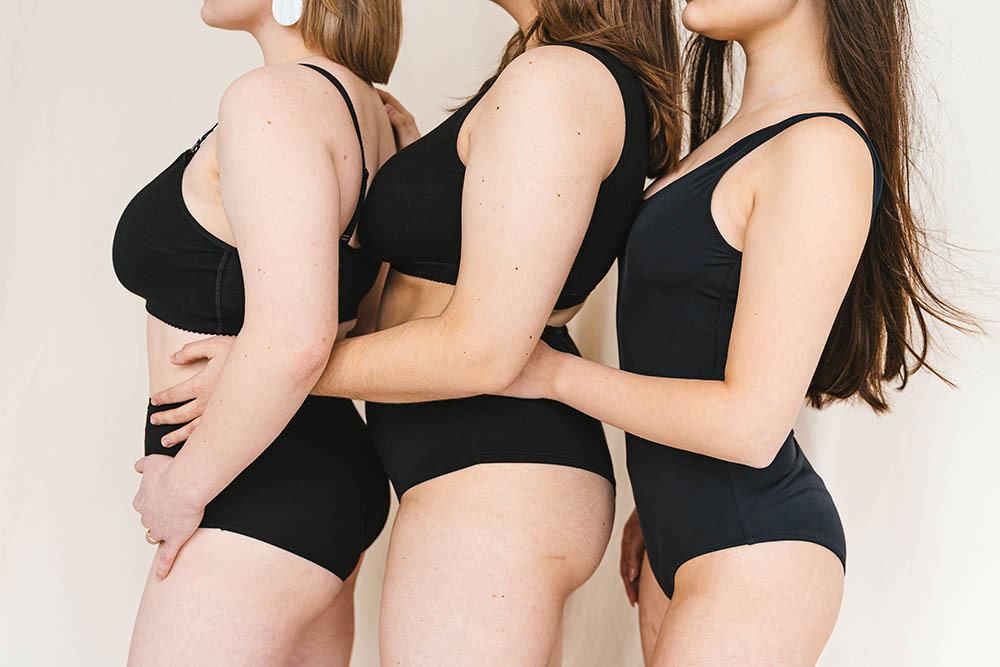
The inspected collection lists zero, light, regular, heavy, and super absorbency categories. It also lists bikini, boyshort, brief, high-waist, hipster, thong, and bralette styles. That range lets shoppers match function with clothing preferences before building a rotation.
Laundry habits should guide how many pairs you need. A person who washes clothing every few days needs fewer pairs than someone who waits for a weekly laundry day. A practical rotation includes enough underwear for expected use plus one clean pair for schedule changes.
Care Determines Long-Term Value
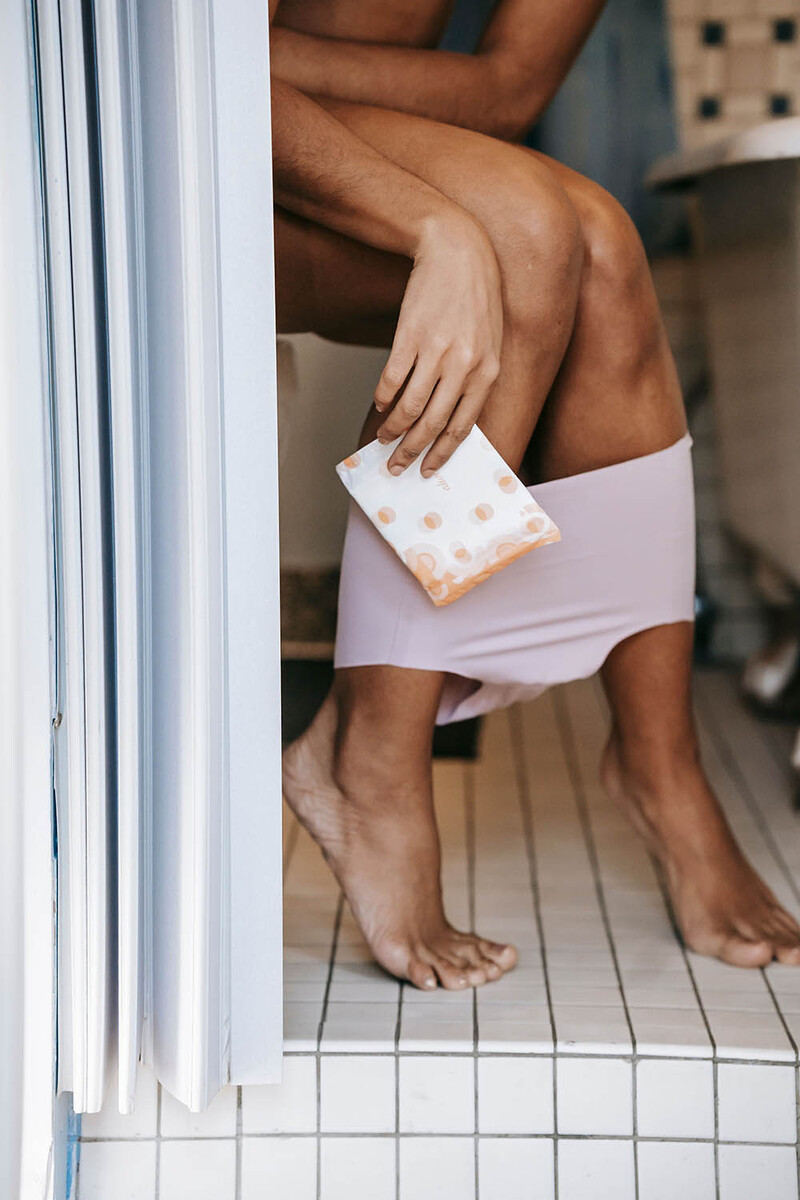
Reusable period underwear needs consistent care to remain useful. Following the garment’s washing instructions protects the fabric, absorbent layers, and fit. Care routines should also separate immediate rinsing, washing, drying, and storage into manageable steps.
Check the garment after washing for lingering odor, staining, or changes in absorbency. Those signs can indicate that the care routine needs adjustment. Thorough drying matters because storing damp fabric can create odor and reduce comfort.
Long-term value depends on treating the underwear as a durable garment rather than a disposable substitute. Careful washing, complete drying, and sensible rotation reduce unnecessary replacement purchases. Those habits protect both the household budget and the waste savings.
Conclusion
Reusable period underwear saves money by reducing repeated purchases and supports lower daily waste through repeated wear. The best results come from matching absorbency and style to actual routines, then maintaining enough pairs for regular laundry schedules. A shopper can begin by tracking one month of period-care spending and identifying the days that require the most protection. That record creates a practical basis for choosing a rotation without buying more underwear than daily life requires.










 Connect with Facebook