




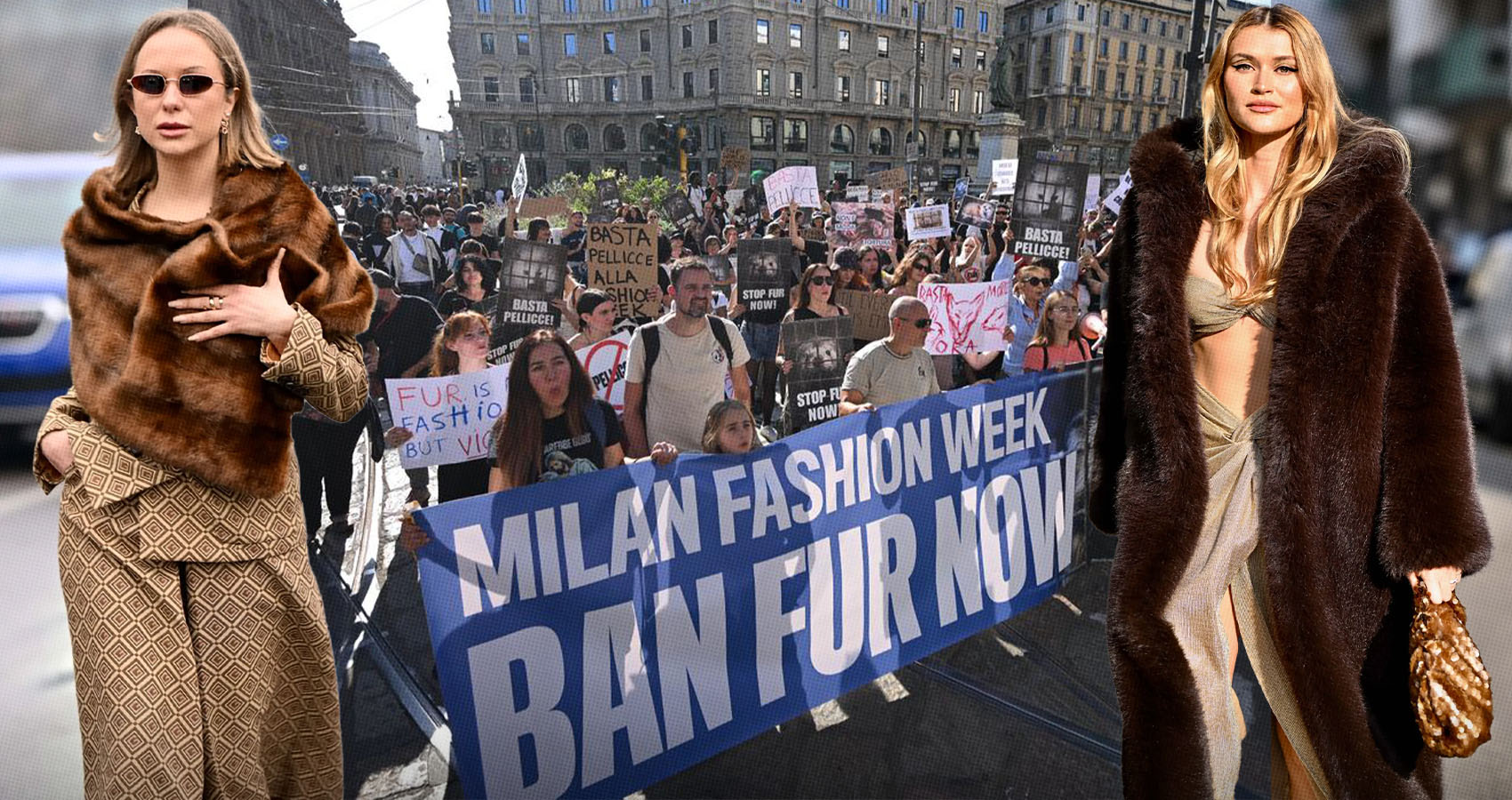
Milan Fashion Week Had A Fur Problem
Protesters wanted everyone to notice.
Milan Fashion Week had plenty of the usual fashion-week ingredients: huge shows, famous faces, expensive clothes, and enough spectacle to keep everyone's attention.
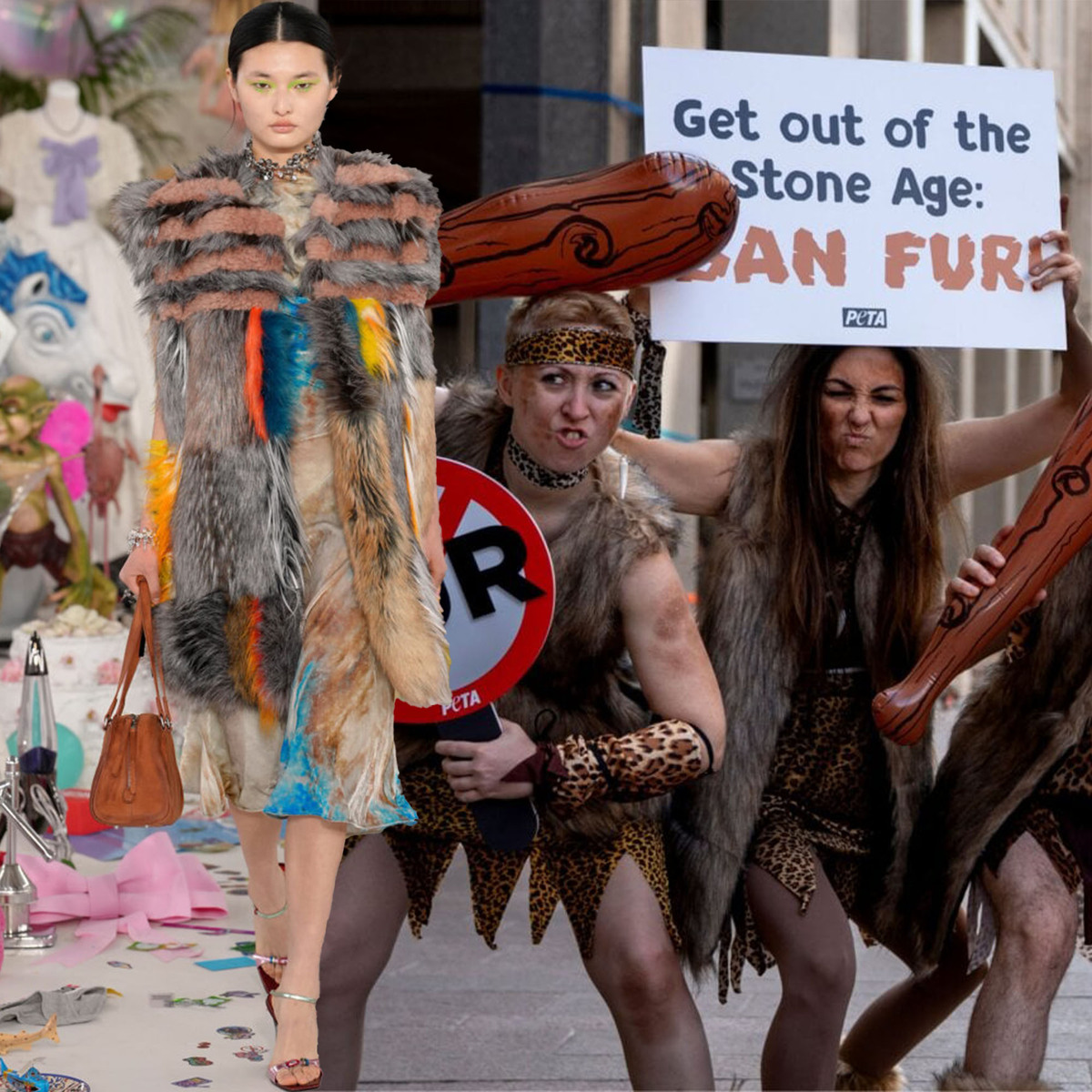
Images via peta.org.uk
Then hundreds of protesters took to the streets to make sure fur was getting attention too.
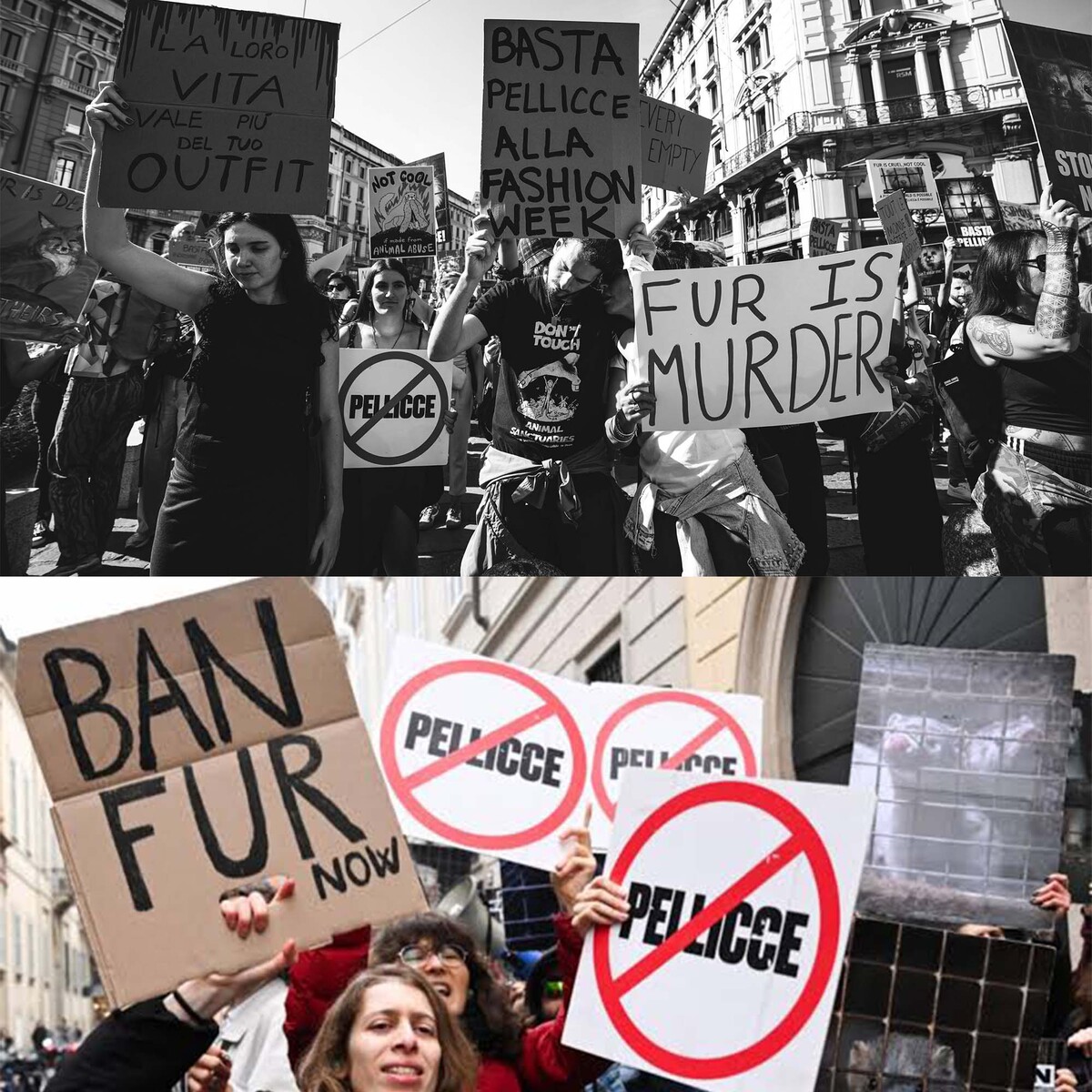
On September 26, demonstrators gathered in Milan during fashion week to call for a complete ban on fur at the event. Signs carried messages including “Fashion Victims” and “Their Lives Are Worth More Than Your Outfit,” turning the streets around fashion week into a very different kind of runway.
Milan Is Still Taking the Softer Approach
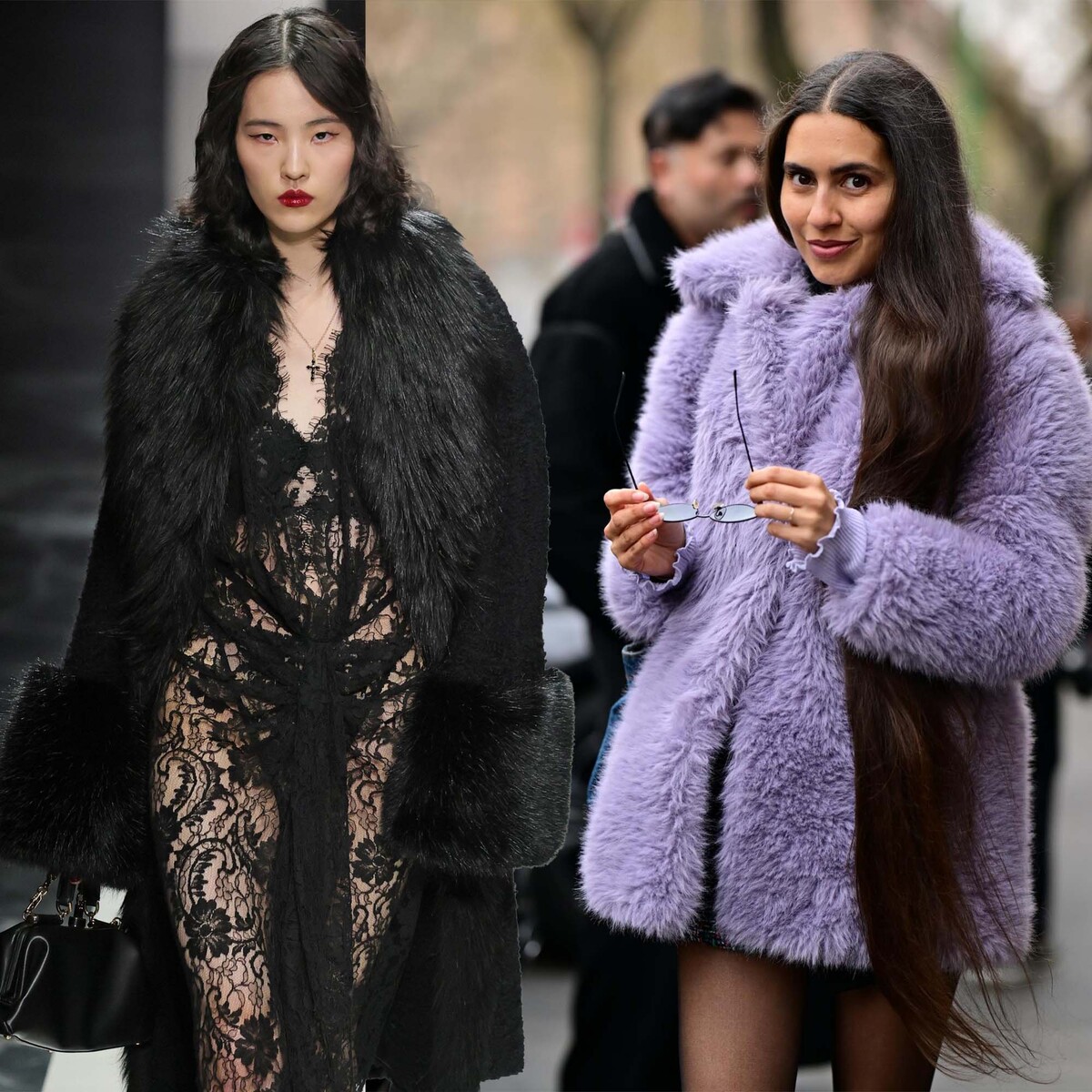
Images via @funkyforty
The biggest issue for campaigners is that Milan Fashion Week has not followed London and New York in completely banning fur from the catwalk.
Instead, Milan's fashion authorities have asked brands to avoid using it. The Coalition to Abolish the Fur Trade, or CAFT, wants that recommendation to become an actual ban.
A brand being encouraged not to use fur leaves room for individual labels to make their own decision. A ban takes the decision off the table entirely.
Fendi Is One of the Names Under the Microscope
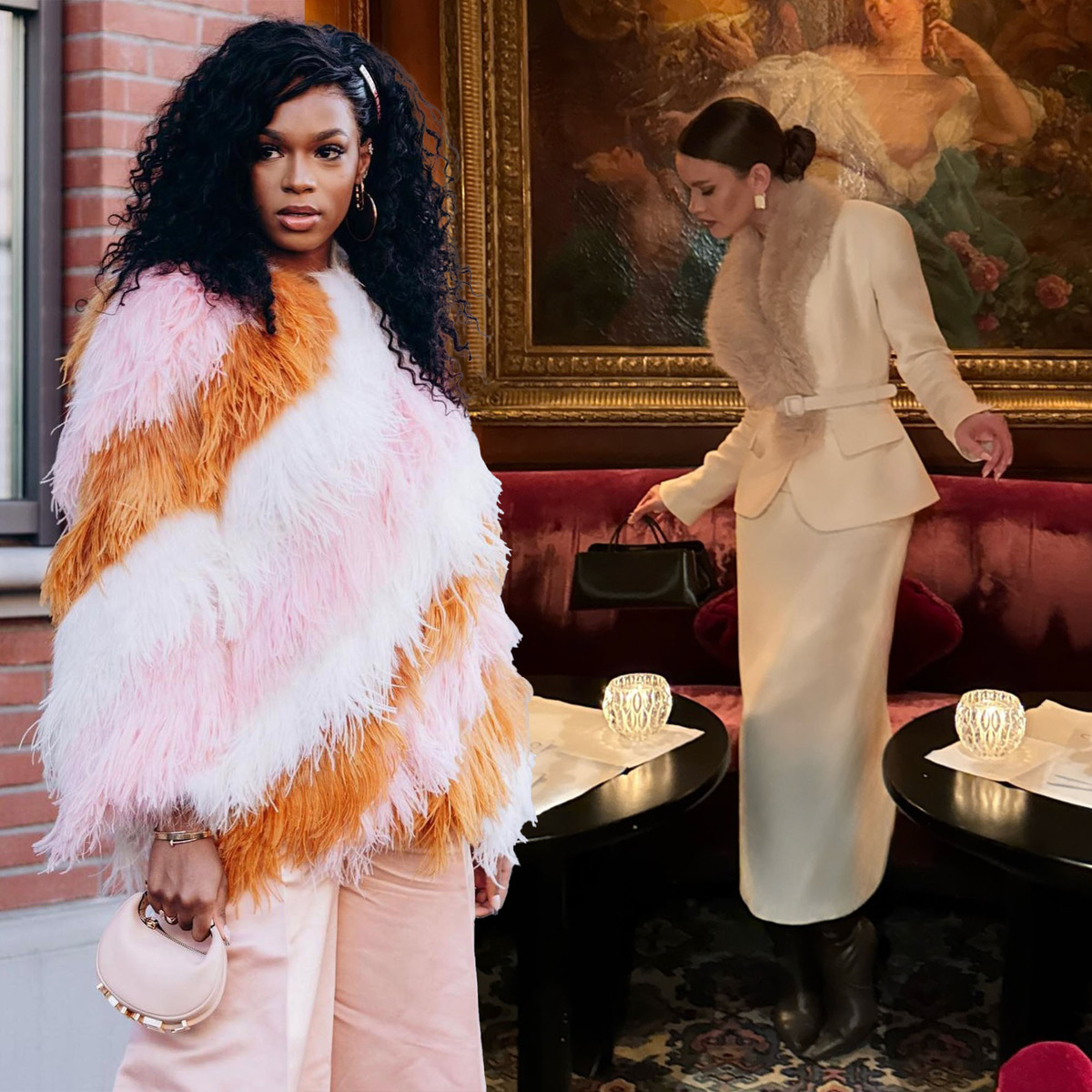
Images via @shlaikovaelena @arumeditorial
Several major Italian fashion houses, including Armani, Prada, and Dolce & Gabbana, have already stopped using fur. Fendi, however, remains one of the notable Italian exceptions.
That makes the conversation particularly visible during Milan Fashion Week, where luxury fashion's relationship with fur is impossible to separate from the industry's obsession with heritage, craftsmanship, and old-school glamour.
Fur has been part of fashion's visual language for decades. But what was once treated as an unquestioned symbol of luxury now comes with a much bigger conversation attached to it.
The Protest Wasn't Exactly Quiet
Images via @michemola abolishfur.org
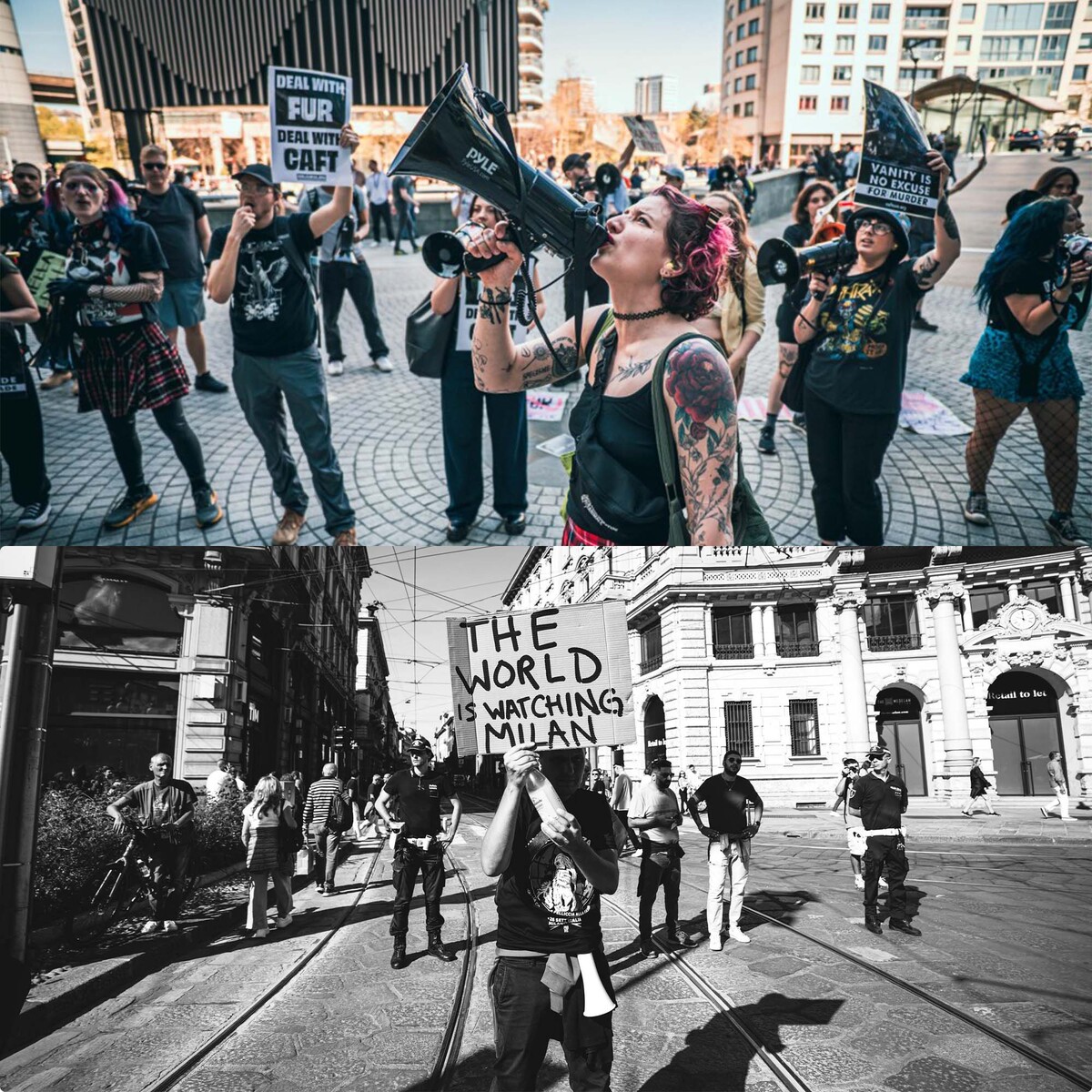
Protesters marched through Milan carrying banners and chanting for a fur ban, with demonstrations taking place around fashion-week locations and outside stores including Fendi and Philipp Plein.
Video from the demonstration showed police presence around some locations, protesters sitting in the road, and demonstrators confronting staff outside the Philipp Plein store.
The imagery was almost impossible to ignore: fashion's polished storefronts on one side, protesters demanding a change to the industry's relationship with animal fur on the other.
Fur Is Already Becoming a Different Kind of Luxury
The fur debate isn't happening in a vacuum.
Use of fur across the global fashion industry has declined in recent years amid changing consumer habits, increased concern about animal welfare, and the availability of synthetic alternatives.
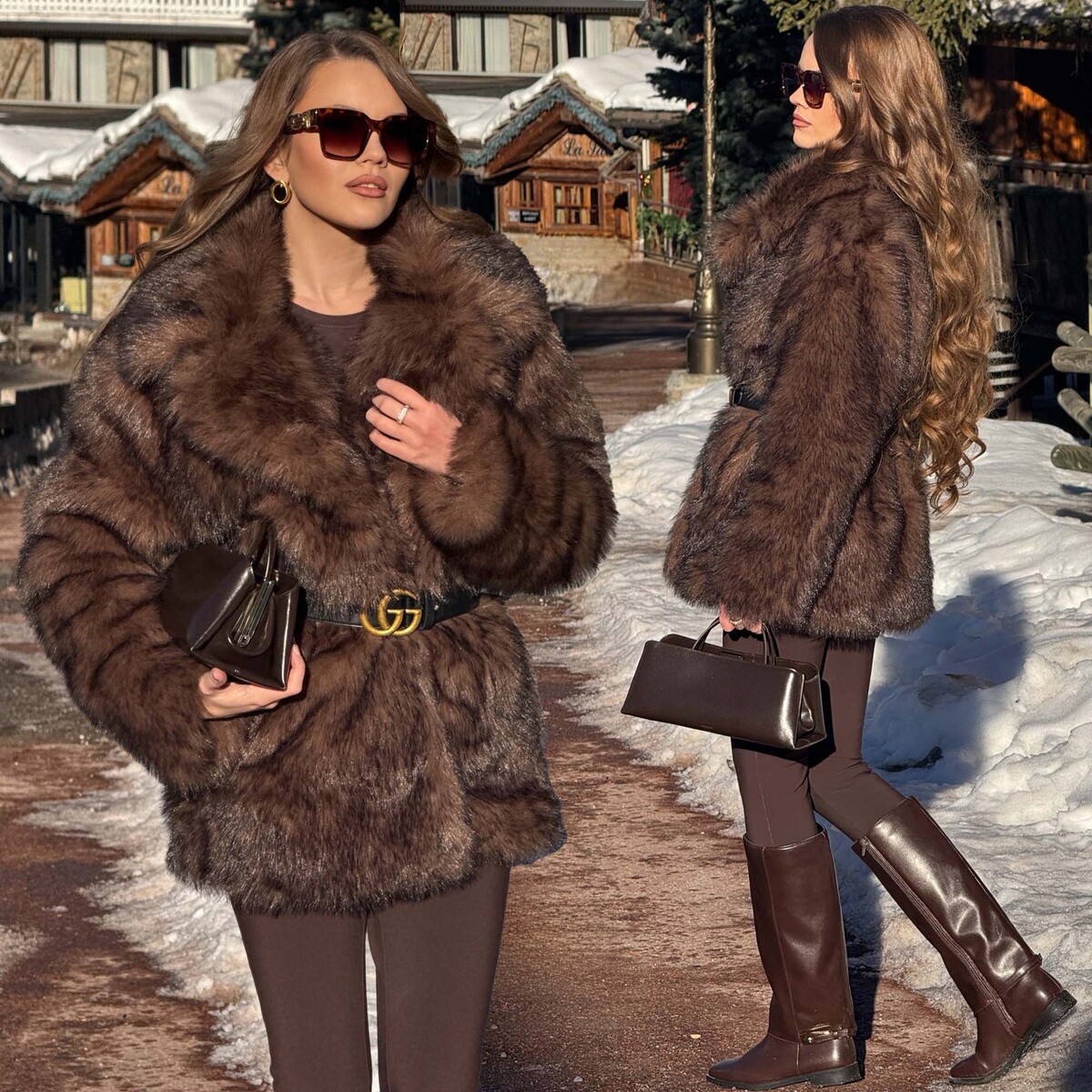
At the same time, major fashion groups and individual labels have moved away from real fur, while some designers continue to use it or reference it through vintage and alternative materials.
Images via @shlaikovaelena
Which leaves fashion in a slightly awkward place.
The industry still loves the visual language of fur. But the actual material has become much harder to treat as an uncomplicated symbol of luxury.
The Runway Conversation Is Getting Bigger
What's interesting about the Milan protest is that it wasn't happening somewhere far away from fashion. It was happening right in the middle of it.
That's becoming harder for fashion week organizers to ignore. In September alone, animal-rights protests have also disrupted shows in New York, where demonstrators targeted the use of wool.
Fashion weeks are built around fantasy, but the industry behind that fantasy is increasingly being asked to answer uncomfortable questions about the materials it uses.
Images via @michemola nst.com
And in Milan, protesters made their position very clear: if fashion week wants to celebrate the future of fashion, they want fur left in the past.








 Connect with Facebook