



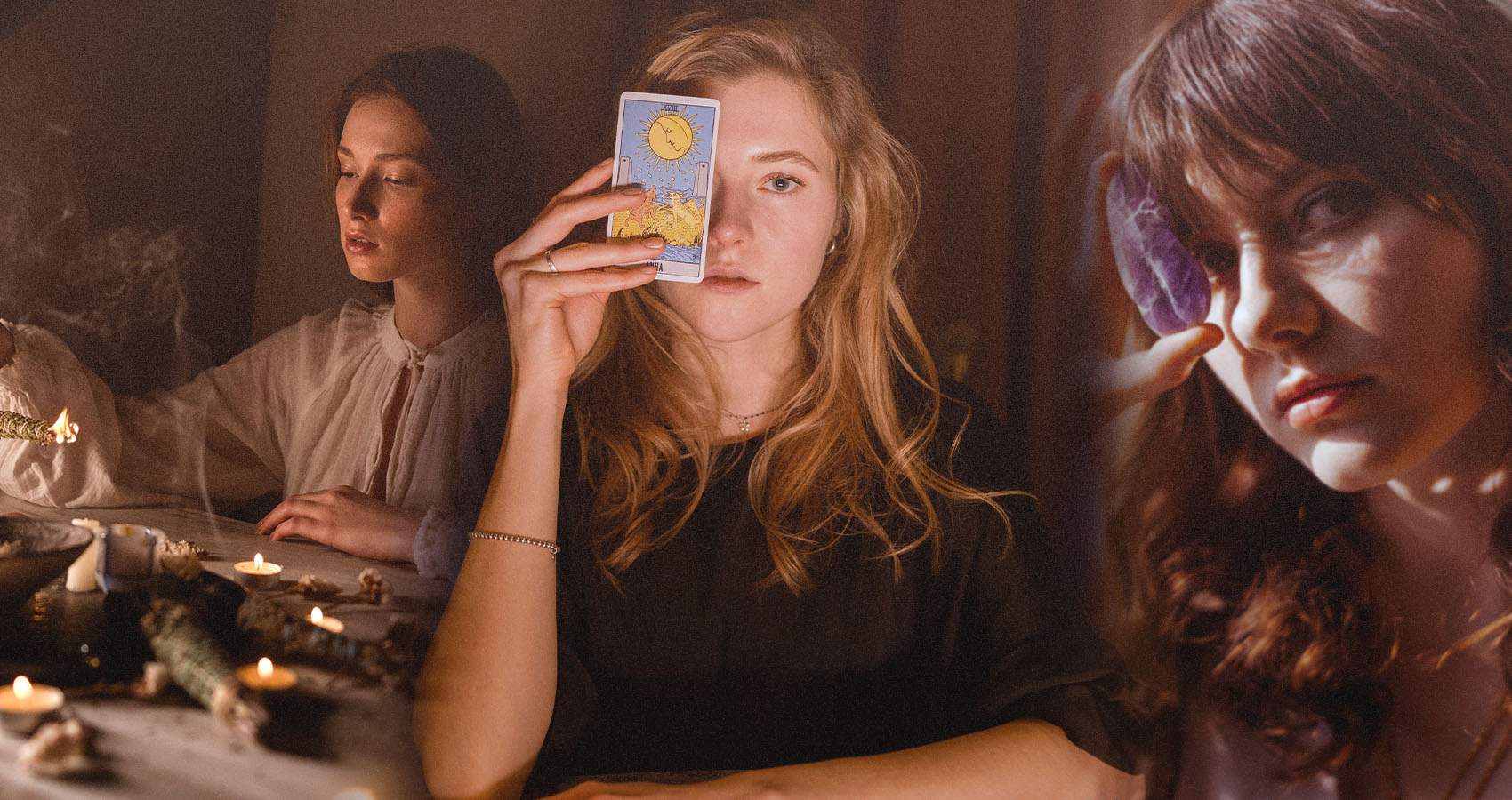
Tarot, WitchTok And The Rise Of Digital Spirituality
Rituals, mantras, divination and spiritual practices to find comfort.
For centuries, people have turned to rituals, mantras, divination and spiritual practices to find comfort, seek guidance, or make sense of the things they cannot control. Today, technology has opened up new ways to explore those traditions. You no longer need to visit a tarot reader or belong to a particular spiritual community to discover the practice. A quick scroll through TikTok or Instagram can introduce you to an entire world of tarot readings, manifestation techniques and modern witchcraft.
Social media has made spirituality more accessible, but it has also changed the way these practices are presented. Between daily card readings, manifestation routines and carefully curated mystical aesthetics, the digital world has become an interesting meeting point between ancient traditions and internet culture.
What is Tarot?
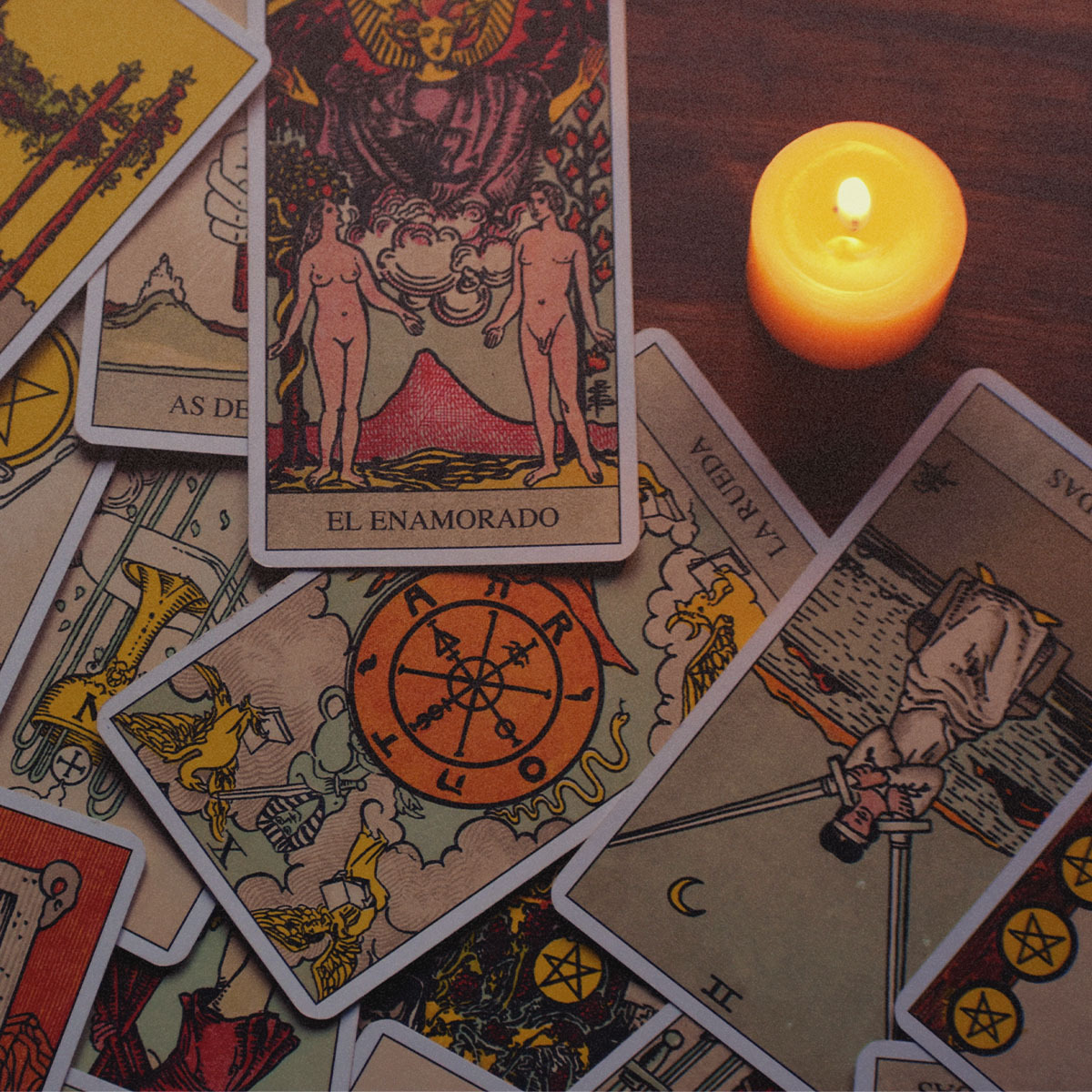
A traditional tarot deck contains 78 cards, each featuring its own imagery and symbolism. Tarot has been used for divination, storytelling and personal reflection, with readings often exploring relationships, life decisions, personal challenges and possible paths forward.
The deck is divided into two sections: the Major Arcana and the Minor Arcana. The Major Arcana contains 22 cards, including familiar figures such as The Magician, The Empress, The High Priestess, Death and The Lovers. These cards are associated with significant themes, archetypes and turning points in human experience.
The remaining 56 cards make up the Minor Arcana, divided into four suits: Cups, Swords, Pentacles and Wands. Traditionally associated with water, air, earth and fire respectively, they explore different aspects of everyday experiences, from emotions and relationships to ambition, conflict and practical matters.
The Rise of Tarot Influencers
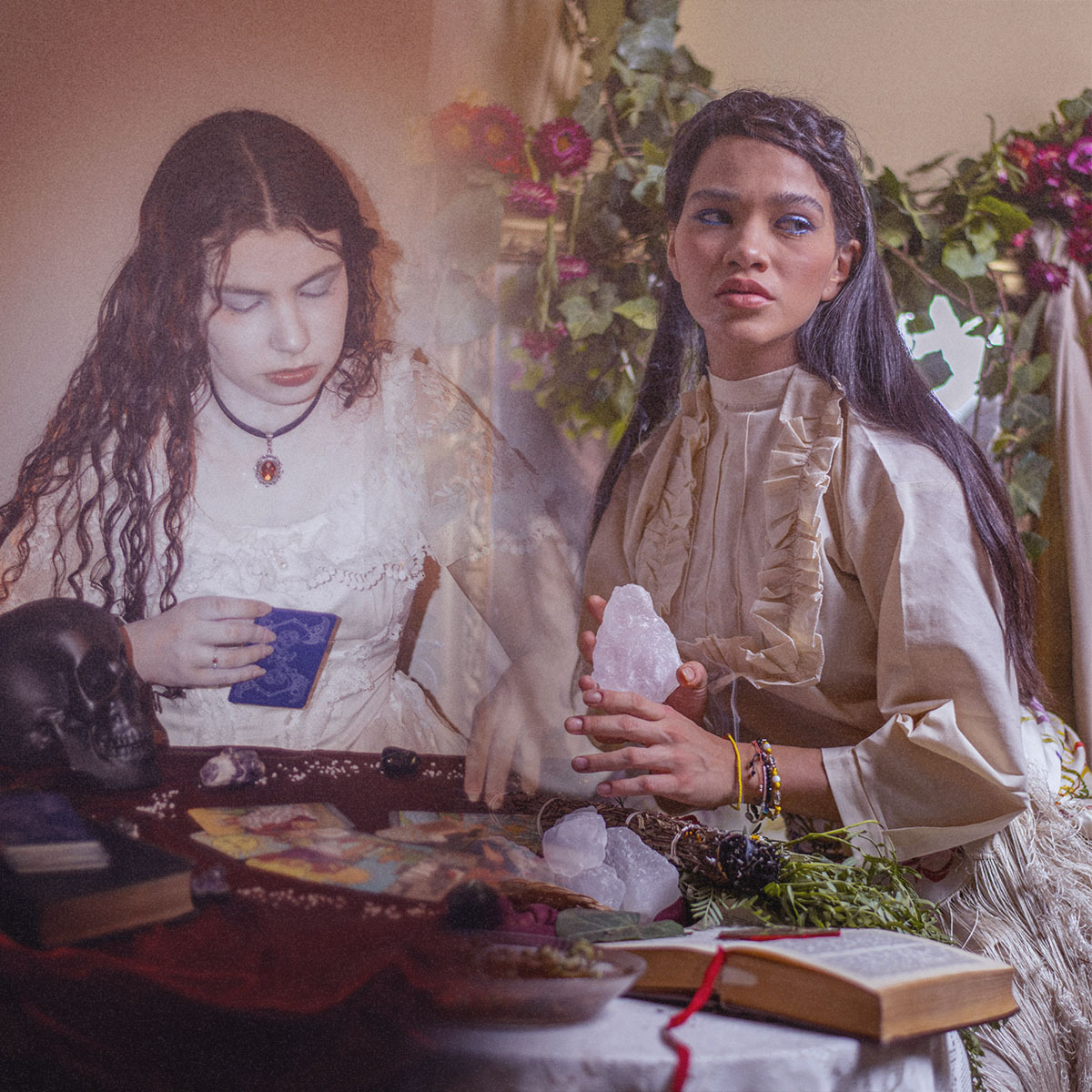
TikTok and Instagram have helped bring tarot readings to a much wider audience. Instead of booking a private session, viewers can now find everything from introductory explanations of individual cards to general readings about love, career and personal growth.
Creators such as Sarah Potter, Chris Corsini, Theresa Reed, Tarot With Holly, Soma Chhaya and Christina the Tarot Reader have helped introduce different approaches to tarot through online content. Some focus on educational videos, while others share readings and interpretations with their followers.
There's something particularly interesting about the way these videos invite people to participate. A viewer might come across a general reading, choose a card from a selection, or simply listen to an interpretation that resonates with something happening in their own life. It makes a traditionally personal practice feel more immediate and communal, even when the interaction happens through a screen.
Inside WitchTok
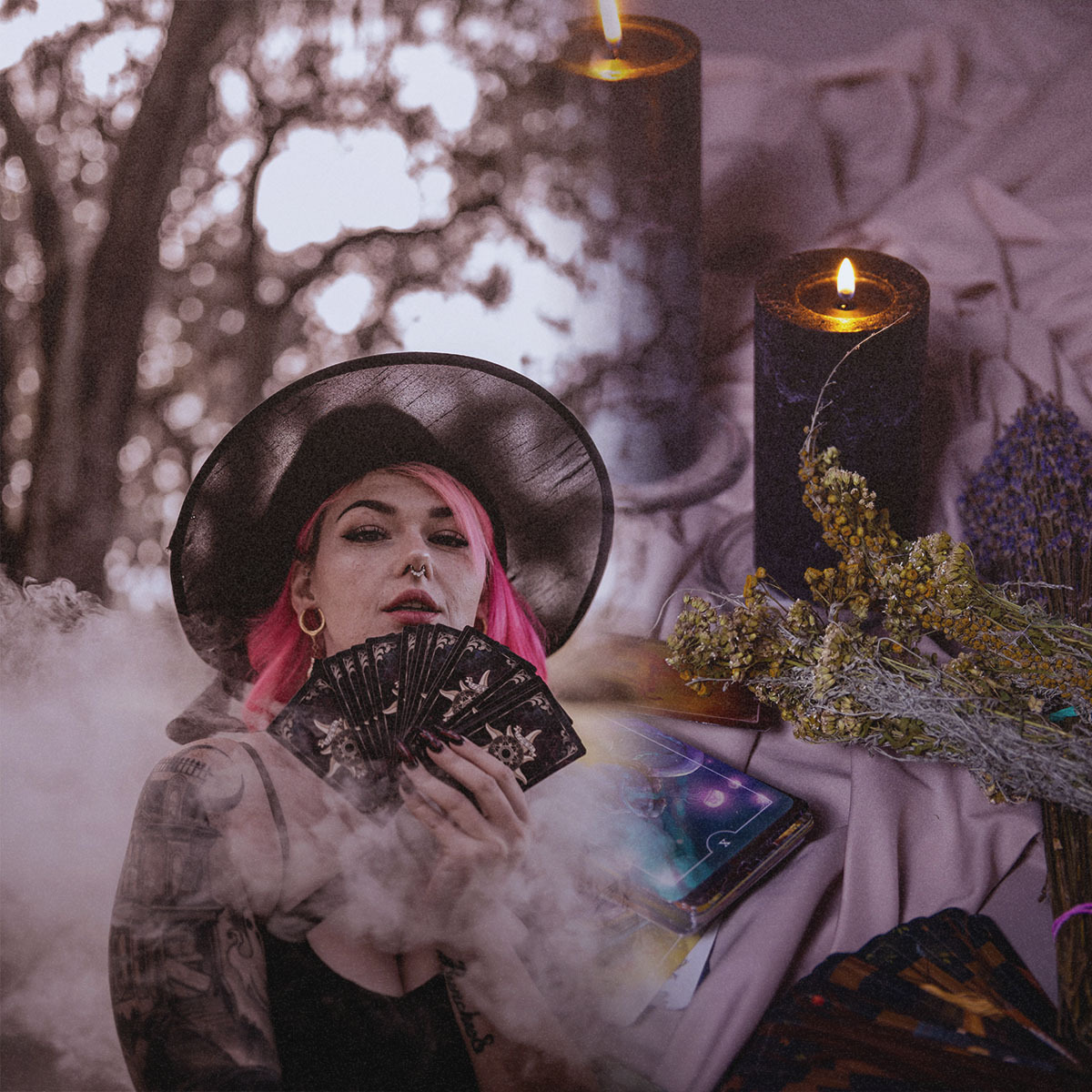
Tarot is only one part of this digital spiritual world. WitchTok, the corner of TikTok dedicated to witchcraft and related spiritual practices, has become a space where creators share rituals, spellwork, discussions of Wicca and pagan traditions, and their personal beliefs.
However, bringing these practices into mainstream internet culture has sparked debate. Critics argue that witchcraft can become reduced to a glamorous aesthetic, with crystals, candles and elaborate rituals presented as content designed to attract views. There's also the question of whether traditions with deep cultural and historical roots are being represented thoughtfully or simply repackaged for social media.
At the same time, many people find online spiritual communities welcoming and comforting. Tarot readings can offer a moment to pause, reflect on a difficult situation or consider a perspective they hadn't thought about before. For some, the appeal lies less in predicting the future and more in having a ritual that makes space for introspection.
Perhaps that's what makes digital spirituality so fascinating. The internet has made these practices easier to discover, but it has also encouraged us to think about what they mean beyond the screen. Whether you're drawn to tarot for its symbolism, its spiritual significance or simply your curiosity, there's a whole world to explore. Just remember that an online reading is an invitation to reflect, not a substitute for making your own decisions.









 Connect with Facebook