





How Many Times Can You Use A Rechargeable Disposable Vape?
How charge cycles, battery capacity, and e-liquid affect vape lifespan.
Most people pick up a rechargeable disposable vape expecting a set number of uses, then feel genuinely puzzled when the device dies ahead of schedule, or realize they've been selling it short. There's no single universal answer to how many times you can use a rechargeable disposable vape, but there's a real range worth planning around. Most devices on the market are rated somewhere between 500 and 10,000 puffs per full e-liquid fill, and the battery is built to charge enough times to carry you through all of that e-liquid before the device gives out. What muddies the picture is that "how many times" can mean two different things: the total puffs the device delivers across its whole lifespan, and the number of times you'll actually need to plug it in before the e-liquid runs dry. Both numbers are worth getting clear on before you commit to a device.
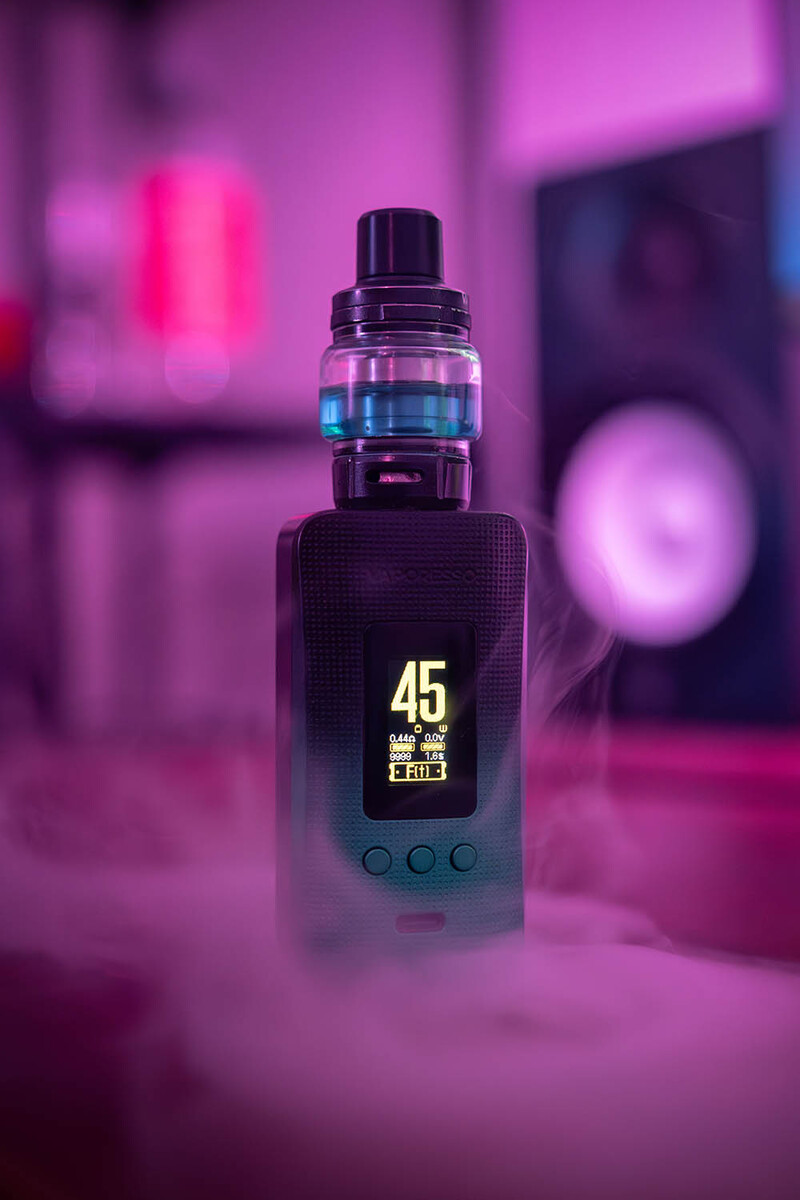
How Many Charge Cycles a Rechargeable Disposable Vape Actually Gets
The baseline answer from most manufacturers lands somewhere between 3 and 10 full charge cycles before battery performance starts dropping noticeably. A hogh-quality rechargeable disposable vape is built to be charged just enough times to exhaust its pre-filled e-liquid - not to run indefinitely the way a refillable mod does. That design philosophy matters because it sets a ceiling on how many charging sessions you'll realistically see. Most entry-level devices pack a battery in the 400mAh to 650mAh range, which gets through one or two days of moderate use on a single charge. Higher-puff-count models - those rated at 3,000 to 10,000 puffs, tend to carry larger batteries around 650mAh to 850mAh, and they may need charging five to ten times before the e-liquid's gone completely. So the charge cycle count ties directly to how much e-liquid the device holds, not to some arbitrary battery spec the manufacturer pulled out of thin air. The same battery and session considerations are worth keeping in mind when comparing different vaporizing devices. While rechargeable disposables are designed around a limited supply of e-liquid, other vaping devices can offer a different approach to battery life and usage. A weed vaporizer, for instance, is typically designed for repeated sessions, so factors such as battery capacity, charging time, and how frequently it is used can all affect the overall experience.
What Determines the Number of Recharges
The two biggest factors are battery size and e-liquid volume, and they're matched intentionally at the factory. A device rated for 5,000 puffs carries more e-liquid than one rated for 1,500, so the manufacturer drops in a bigger battery to compensate. Ideally, you'll run out of e-liquid at almost the same moment the battery can no longer hold a useful charge. But real-world conditions - temperature, draw length, how deeply you discharge the battery before plugging back in - all push that equation around. Short, frequent draws burn less battery per puff than long, slow ones, which means your charge count and your puff count can drift apart depending on your style. Some devices also include a low-battery LED that warns you before a charge becomes urgent; that helps you avoid running the cell too far down and trimming its useful life ahead of schedule.
Battery Capacity and Real-World Charge Counts
Manufacturers rate charge cycles conservatively. A 500mAh battery in a disposable is typically rated for around 300 to 500 full charge cycles before it degrades below 80% of its original capacity - but the practical reality is that most disposable devices run out of e-liquid well before you hit even 10 of those cycles. If the device holds 6ml of e-liquid and delivers 5,000 puffs, and your battery drains roughly every 500 to 800 puffs, you're looking at about 6 to 10 charging sessions total. Devices with smaller 2ml fills and 1,500-puff ratings typically need just 2 to 4 charges. Battery degradation is rarely the binding constraint here; e-liquid supply is. And if you notice vapor production thinning out or tasting burnt before you've reached the expected puff count, that's the e-liquid running low - not the battery failing. Charge counts almost never max out under normal use.

Factors That Shorten or Extend Your Recharge Count
Not every device with the same rated puff count behaves identically. Your individual habits play a bigger role than most people expect, and so does the way you handle charging between sessions. The biggest variables are heat exposure, draw duration, and charging behavior. Leaving a device in a hot car or a sunny window stresses the battery cell in ways the manufacturer's ratings simply don't account for; taking longer, slower draws drains the battery faster per session than shorter puffs, even when the total puff count looks similar on paper. Charging the device from completely dead - rather than topping it off when the indicator shows low - is one of the fastest ways to degrade the battery early. Each of these factors compounds across the life of the device.
How Your Habits Affect Total Recharges
Your vaping style directly shapes how many charge sessions you'll need before the e-liquid is gone. Heavy users who chain-vape through several sessions a day drain the battery multiple times faster than someone taking 30 to 50 puffs spread across the day. A heavy user on a 5,000-puff device might recharge it six to eight times and burn through the e-liquid in under a week; a casual user on that same device might recharge it only three to four times over two to three weeks. Draw length matters too; a two-second draw pulls significantly less power than a four-second draw, even though both register as a single puff. So two people using identical devices can have very different charge experiences without either of them doing anything wrong. The trick is to moderate your session length and take shorter draws if you want to stretch the recharge count. The device responds directly to how you use it.
Charging Practices That Damage Battery Lifespan
The most common mistake is letting the battery hit zero before charging. Lithium-ion cells - which is what rechargeable disposables use - perform best when kept between 20% and 80% charge. Fully discharging them repeatedly accelerates cell degradation, so you'll notice weaker vapor production sooner, and the device will feel depleted even after a full charge. Overcharging is also a real headache, particularly with devices that don't have built-in charge cutoff protection. Leaving your device plugged in overnight on a regular basis stresses the cell in much the same way deep discharges do. And honestly, use a cable with a standard USB-C or Micro-USB connection rather than a fast charger; most disposable batteries are designed for low-current input, and fast chargers generate more heat inside the cell. Heat is one of the main culprits behind early battery failure. Charge when the indicator prompts you, unplug promptly, and your device will make it through its intended cycle count without unpleasant surprises.

Conclusion
The short answer lands between 3 and 10 full charges for most devices, with e-liquid supply acting as the real limiting factor rather than battery failure. Devices with large e-liquid fills - those in the 10ml to 14ml range rated for 8,000 to 10,000 puffs - can push toward 12 or more sessions on strong-performing cells. Smaller devices rated under 2,000 puffs usually need 2 to 4 charges at most. Your habits matter just as much as the hardware. Shorter draws, moderate session frequency, and charging before the battery hits zero all protect the cell and keep performance steady. Skip the fast charger, don't leave it plugged in overnight, and you'll get close to the rated puff count every time. The device has a finite lifespan by design, but treat it well, and it'll see that lifespan through cleanly.










 Connect with Facebook