




The Body Behind A Creative Career
Creative work takes a physical toll. Here’s how to catch it early.
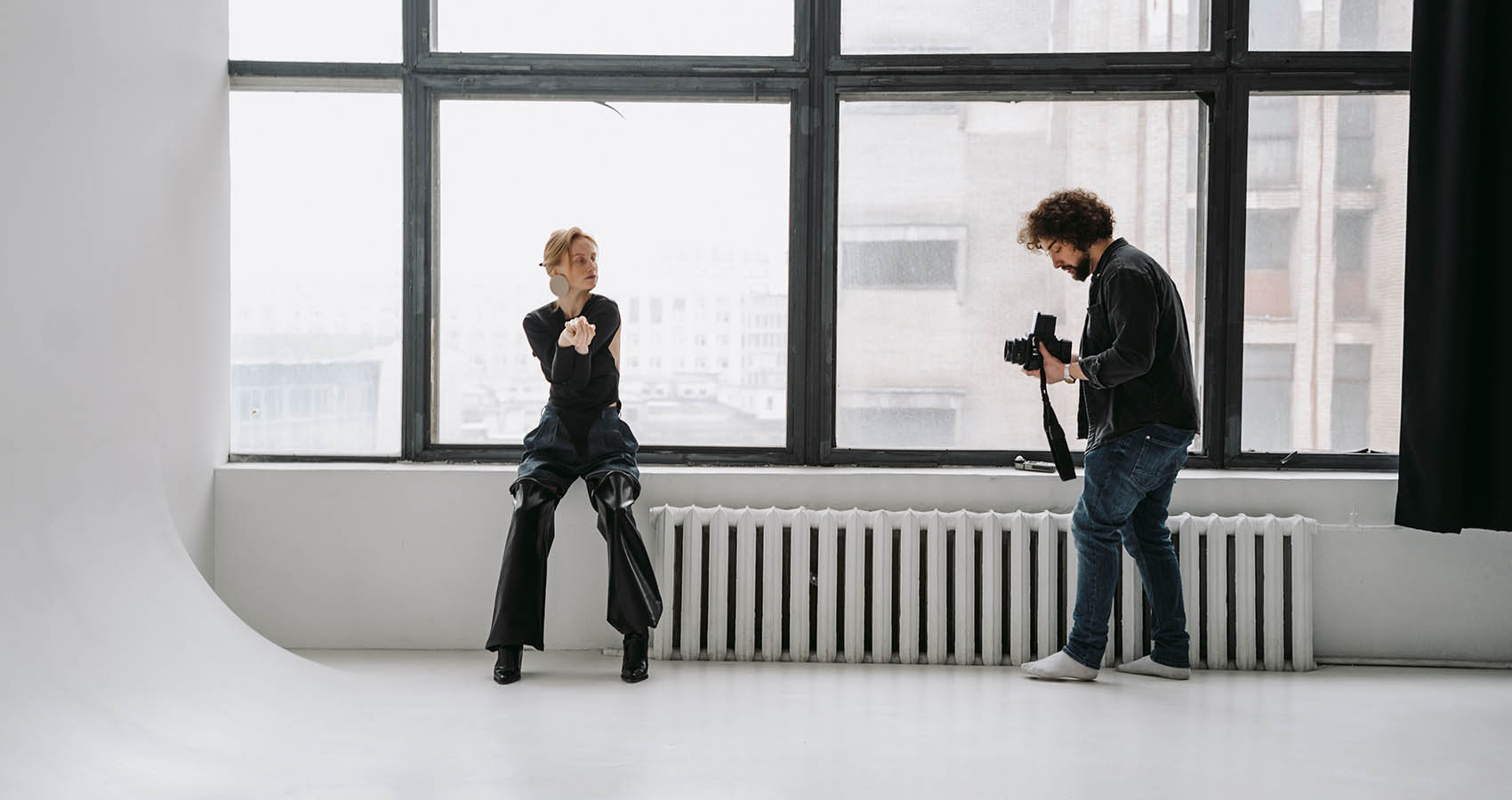
Creative work photographs as glamour and arrives as freight. A stylist hauls 3 rails up a stairwell before anyone has had coffee. A photographer holds a body at an angle for 6 hours. A dancer repeats one phrase until it stops looking like effort.
None of that reads as heavy labor on a call sheet. It still lands on the same wrists, shoulders and lower backs, year after year. Anyone curious about how a general medical practice organizes that kind of care can visit Core Medical & Wellness, a multi-disciplinary group based in New Jersey. Nothing here is medical advice, and a persistent ache belongs in front of a qualified clinician who can examine you in person rather than in a search bar.

Why Is Creative Work Physical Work?
The pattern that wears a body down is rarely dramatic. It is a small movement, repeated far more often than the schedule admits. Editors scroll and click for 9 hours. Musicians hold an instrument in a fixed shape for a set, then a second set.
Static loading is the term for holding a position under tension without moving. It can ask a great deal of soft tissue, and much of creative work is holding still. Set life adds cold floors, long standing and gear that was never designed to be carried far.
Freelance rhythms sharpen the effect. Bodies adapt to gradual demands reasonably well. They adapt to sudden spikes much less gracefully, which is roughly the shape of a fashion season.
There is also the part nobody bills for. Load-in, load-out, the standing around, the stairs in buildings with no lift. A shoot listed as 4 hours regularly occupies 9, and the extra 5 are the physical ones.
Which Warning Signs Get Explained Away?
Most people can name the moment something changed, months after it changed. The signals are usually unglamorous and easy to narrate away as tiredness.
- Numbness or pins and needles in the fingers, especially at night.
- Pain that shows up at rest rather than during the task.
- A grip that quietly gets weaker with a camera, a knife or a bag.
- Soreness that lasts past a full weekend off.
- Compensating without deciding to, like switching shoulders or hands.
Nerve-related patterns have a vocabulary of their own. Carpal tunnel syndrome is a condition involving compression of the median nerve where it passes through the wrist. The American Academy of Orthopaedic Surgeons sets out the numbness and tingling that tend to come with it. Tendon and joint-lining irritation sit in the patient library of the American College of Rheumatology.

What Does a Multi-Disciplinary Practice Actually Do?
A single-specialty visit answers a single-specialty question. A multi-disciplinary practice is a group that keeps several related specialties in one building, because bodies do not sort themselves neatly by department.
In broad terms, non-surgical orthopedics looks at joints and soft tissue without heading straight for an operating room. Interventional pain management is concerned with where discomfort is coming from. Rheumatology covers conditions affecting joints and connective tissue. Grouping those under one roof mainly saves a patient from repeating the same history to 4 receptionists.
What none of that guarantees is an outcome. Assessment comes first, and any plan is a conversation with a licensed physician who has actually looked at you.
How Do You Set Up a Studio That Does Not Fight You?
Prevention is unfashionable and cheap. Screen at eye level, elbows near the body, feet flat. That is dull advice that survives because it keeps working.
Movement variety matters more than any single stretch. Performers who last tend to cross-train rather than repeat, which the ballet, yoga and pilates career of Elisa Molinari illustrates nicely. Recovery habits count too, and there is a reason massage keeps appearing in the routines of people whose work is physical.
Gear is the other lever. Three changes cost almost nothing and pay back quickly.
- Split one heavy case into 2 lighter ones you can carry level.
- Put wheels under anything you lift more than twice a day.
- Stop treating a tote bag as a spine, and stop carrying it on one side.

Where Does Care Fit In a Freelance Year?
The real barrier is rarely denial. It is that a weekday appointment costs a day rate, and self-employed schedules have no sick pay behind them.
Two habits help. Book the assessment in the quiet window straight after a big job, not in the middle of one. Keep a plain note of what hurts, when it started and what makes it worse. A clinician can do far more with 3 specifics than with a shrug.
Access and cost differ by country and by contract type. Find out what a first consultation involves before you need one urgently.
A Short Checklist Before Your Next Shoot
- Name the 2 movements you repeat most on a working day.
- Notice which side you always load first, then alternate for 1 week.
- Set 1 alarm mid-shift purely to change position.
- Write down anything that has hurt for more than 1 month.
- Book the assessment before the next busy stretch swallows it.
Making Room for Your Own Maintenance
Careers in fashion, music and image-making are long games played by people told to look effortless. The effort is real, and so is the wear. Treating your body as production equipment is not vanity, it is scheduling.
Nobody needs to catastrophize a stiff shoulder. It is worth taking one seriously enough to have it looked at by a qualified clinician, on a day you chose, rather than on the day it chooses for you.
FAQ
When Does Everyday Soreness Need a Second Look?
There is no universal threshold, though pain that persists for weeks, wakes you at night or comes with numbness is worth raising with a doctor. Weakness that changes how you hold things is another reason to book.
What Kind of Doctor Do Creatives Usually Start With?
Many people start with a primary care physician, who may refer onward. Practices that group orthopedics, pain management and rheumatology together can shorten that path. The right entry point depends on your symptoms and your local health system.
Can I Keep Working While I Get Checked Out?
That is a question for the clinician who assesses you, not for an article. Booking the appointment does not commit you to stopping. Being specific about what your work involves helps a doctor give you a realistic answer.
How Do I Set Up a Studio That Hurts Less?
Aim for neutral joint positions, vary your posture through the day and split heavy loads. Small equipment changes, like a wheeled case or a raised screen, tend to outperform willpower. None of it replaces an assessment when something already hurts.










 Connect with Facebook