





How Speech Therapy Helps Young Children Overcome Language Delays
Early speech support can help children communicate with confidence.
Language delays may affect how young children express needs, follow directions, join play, and form relationships. Some speak fewer words, use short phrases, or struggle to answer simple questions. Others understand conversation but have trouble producing clear sounds. These patterns do not predict intelligence or future ability. They indicate that assessment and guided practice may help. Early support gives children more opportunities to communicate clearly, participate confidently, and manage daily interactions.
Recognizing Language Delays
A child may need evaluation after missing expected communication milestones or showing communication difficulties during ordinary routines. A clinician reviews vocabulary, sentence formation, speech sounds, listening skills, and social exchange during play and conversation. This process shows where support is needed. Speech therapy for children may include sound practice, picture cues, story work, or turn-taking games. Goals remain practical, such as asking for help, following directions, or joining a peer activity.
What Therapy Addresses
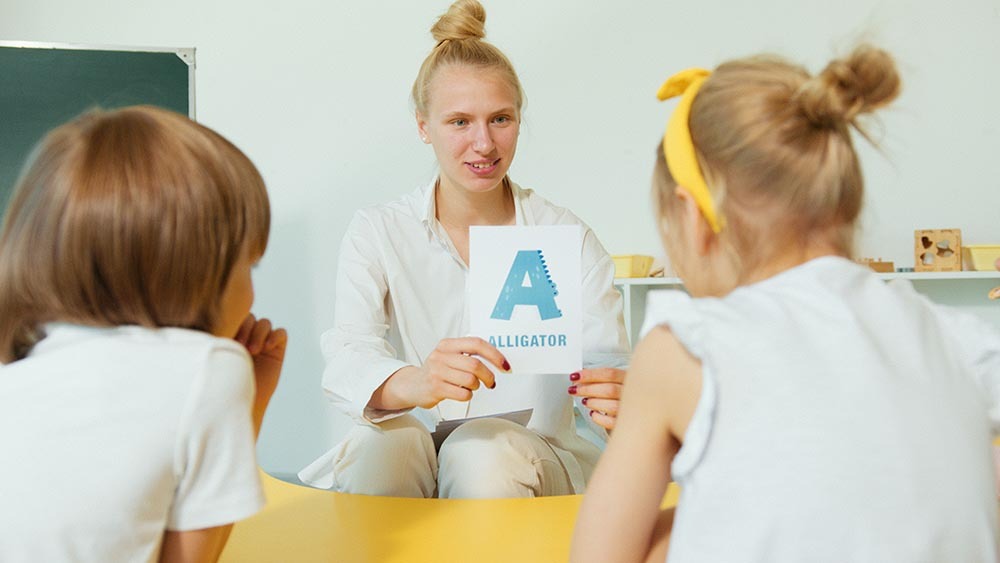
Assessment results help a speech-language pathologist distinguish between an isolated sound error and a broader language concern. Treatment might address articulation, phonological patterns, vocabulary, grammar, comprehension, fluency, or conversation skills. Some children benefit from visual schedules, gestures, sign support, or communication devices. Feeding and oral-motor concerns may also receive attention if they affect safe eating or speech production.
Building Speech Clarity
Speech sound treatment teaches children how their lips, tongue, and jaw work together during pronunciation. A therapist may use mirrors, pictures, blocks, or familiar toys to make mouth movements easier to notice. Practice usually begins with individual sounds, then advances into syllables, words, phrases, and conversation. Clearer pronunciation can reduce misunderstandings and make classroom participation less tiring.

Strengthening Language Skills
Language intervention addresses more than the ability to pronounce words. Children may practice naming objects, describing actions, combining phrases, answering questions, and retelling short events. Storybooks offer useful examples because pictures provide context while adults model accurate grammar. As sentence skills improve, children often explain needs more precisely, follow classroom instructions with greater ease, and build stronger foundations for reading.
Improving Social Communication
Conversation involves timing, attention, listening, and flexible responses. Therapy may teach a child to greet others, wait for a turn, maintain a topic, ask a follow-up question, or repair confusion. Pretend play and cooperative activities create safe settings for repeated practice. These skills can help children enter group games, respond to peers, and remain engaged during shared activities.
Why Early Support Matters
Early intervention provides support during a period of rapid brain development and expanding social demands. Communication difficulties may otherwise contribute to frustration, withdrawal, or challenging behavior. Prompt care also gives adults strategies before missed messages become a regular source of conflict. Families do not need a confirmed diagnosis before requesting screening. A professional can recommend monitoring, testing, or treatment based on observed needs.
How Families Reinforce Progress
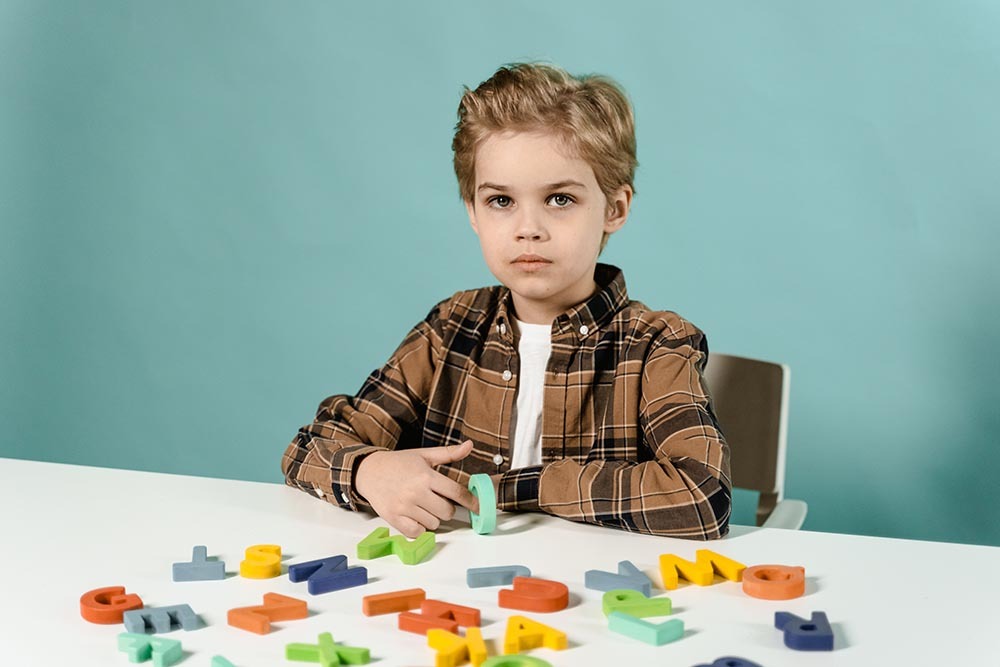
Daily routines provide frequent opportunities for communication practice. Caregivers can pause after asking a question, offer two choices, expand a child’s phrase, and describe actions during meals or while dressing. Shared reading encourages pointing, prediction, labeling, and simple storytelling. Short activities repeated across the day often work better than long drills. Therapists can suggest home exercises that fit naturally into family life.
Measuring Meaningful Change
Progress may appear as clearer speech, longer sentences, better listening, or greater willingness to communicate. A child might begin requesting assistance instead of crying, answer questions with added detail, or stay involved during a group lesson. Clinicians monitor progress toward goals through session data, direct observation, and caregiver reports. This information shows which methods help and when treatment targets require adjustment.
Conclusion
Speech therapy helps young children build the communication skills needed for learning, social relationships, and independence. Assessment identifies the areas requiring attention, while structured activities provide repeated opportunities to practice. Skills may develop gradually, but steady support can improve pronunciation, vocabulary, comprehension, conversation, and confidence. Caregivers who notice persistent concerns can seek professional guidance, share observations across settings, and reinforce new abilities during familiar routines. Early action gives children a stronger path toward active participation.











 Connect with Facebook