




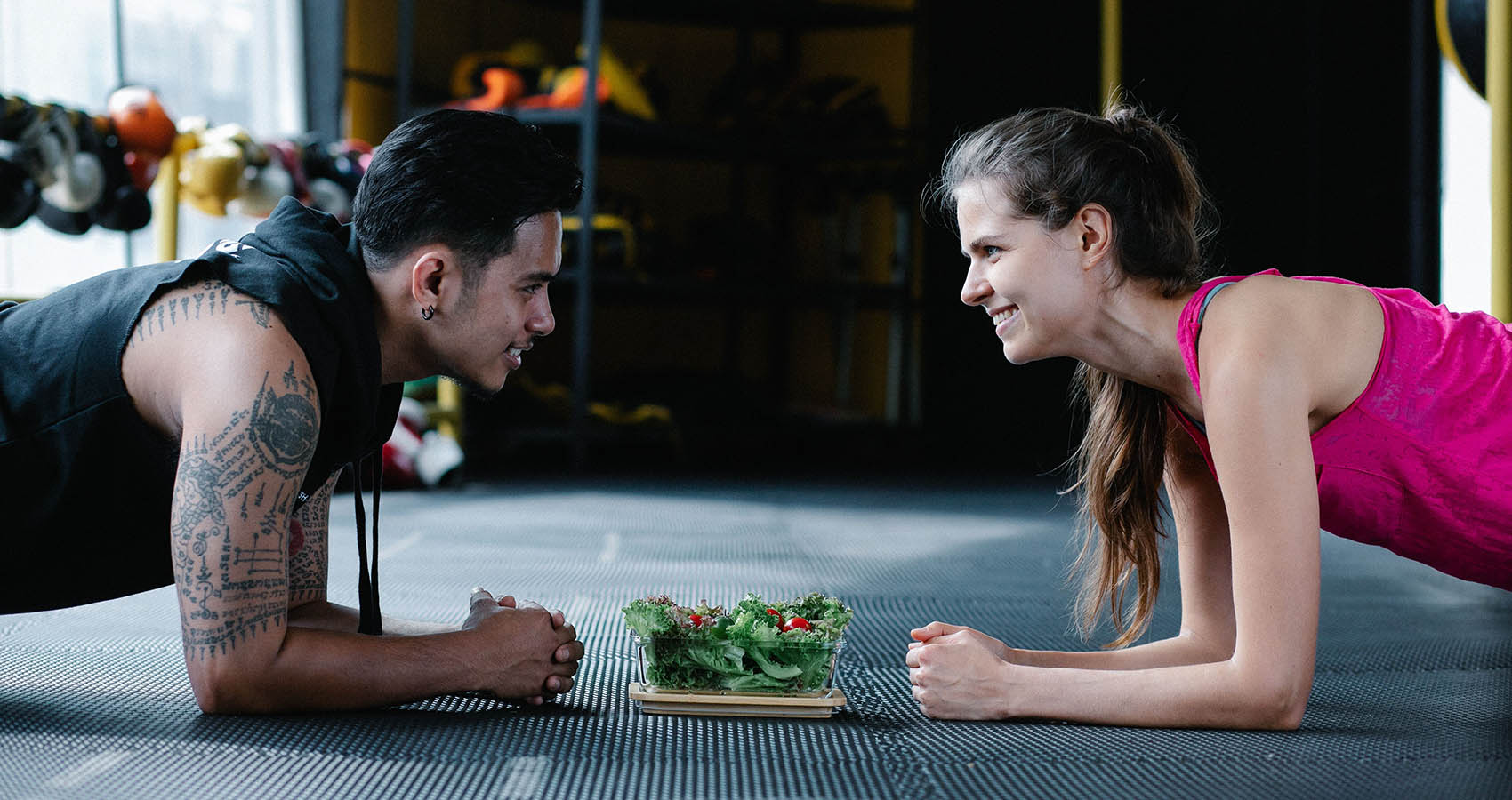
Why Exercise Alone Might Not Be the Answer to Your Weight Goals
Why your weight goals may need more than another workout.
When you decide you want to manage your weight, exercising more can seem like the obvious first step. You buy some new trainers, schedule a few gym sessions, and promise yourself you will finally stick to that workout plan.
Being active can certainly be part of a healthier lifestyle, but your approach does not have to begin and end at the gym. Your eating habits, daily routine, and the support you seek can all fit into the bigger picture.
If exercise has become the sole focus of your weight goals, it may be time to consider what else you could change.

Workout Is Only One Part of Your Day
An hour at the gym can feel productive, but it still represents a relatively small part of your day. What happens outside that workout matters when you are trying to build healthier habits.
Perhaps you exercise several times a week but spend most of the workday sitting. Maybe busy evenings mean you regularly choose whatever meal is quickest instead of what you planned. You could also be following an ambitious fitness schedule that leaves you exhausted and reluctant to keep going.
Instead of judging your progress entirely by workouts, take a broader look at your week.
You could consider:
- How much movement naturally fits into your day
- How you plan and prepare meals
- What tends to disrupt your healthier routines
- Whether your fitness plan is realistic for your schedule
- Where you might benefit from additional support
Your Eating Habits Deserve Attention Too
A new fitness routine does not automatically change the way you eat. If you want to rethink your overall approach to weight management, your everyday food choices are another practical place to look.
If you regularly arrive home hungry with nothing planned for dinner, having a few simple meals available could make evenings easier. If lunch is usually whatever you can grab between meetings, preparing something ahead of time might remove some of the daily guesswork.
Try to make changes that work with your lifestyle. Cooking elaborate meals every evening may sound great in theory, but it is unlikely to last if you regularly finish work late. A handful of simple, reliable options can be much more useful.
The goal is to create a routine you can repeat, not to eat perfectly every day.
There Are Different Types of Weight Management Support
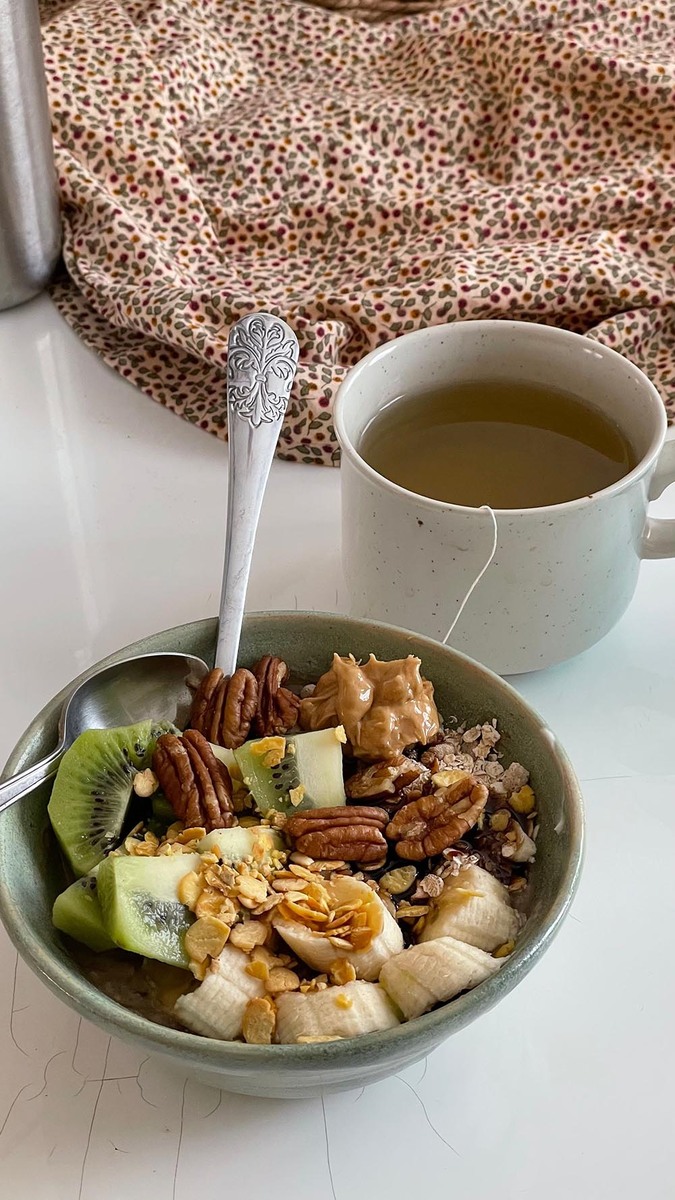
Exercise and everyday food choices can be part of your approach, but you don't have to navigate your weight goals without help. Some people may want professional guidance or to learn about weight-loss treatments.
Curely is one place people may encounter information about weight-management treatment. If you are thinking about medical options, it is important to treat that decision differently from choosing a new workout program or meal plan. Visit Curely to learn more about available weight-management options as part of your research.
But remember, treatment should not replace looking after your wider health, and seeking medical support does not mean exercise suddenly becomes irrelevant.
More Exercise Is Not Always a Better Plan
When progress does not match your expectations, it can be tempting to respond by exercising more. One gym session becomes two. Rest days disappear. Before long, your fitness routine takes up far more of your week than you originally intended.
A demanding routine can be difficult to maintain, particularly if it clashes with your job, family commitments or social life.
Rather than automatically adding another workout, consider whether your current plan is realistic. Could you maintain it during a busy week? Do you actually enjoy the activities you have chosen? Does your schedule allow enough time for other parts of your life?
You may find that a simpler routine works better for you. A combination of gym sessions, walks, and other activities you enjoy could feel far less demanding than forcing yourself through daily workouts.

Look Beyond the Number on the Scale
It is easy for weight goals to become completely focused on one number. That can make it difficult to appreciate other positive changes you are making to your routine.
Perhaps you have found a type of exercise you genuinely enjoy. Maybe you are cooking more often, walking regularly, or becoming better at planning meals around a hectic work schedule. These changes still matter, even when you’re focusing on a longer-term weight goal.
Think about what you actually want from your healthier routine. You may want to become more active, improve your fitness, feel more comfortable preparing meals at home, or simply stop following plans that you abandon after a few weeks.
Having several goals can also make your routine feel less like a constant test. A workout can still be worthwhile because you enjoyed moving your body, even if you are not thinking about what it means for the scale that day.
Build a Plan That Works Outside the Gym
A useful health routine needs to survive normal life. Busy workdays, weekends away, family commitments, and evenings when exercise simply isn't your priority will happen.
Plan for those days.
Keep some easy meals available. Find ways to move that do not require a trip to the gym. If your normal workout cannot happen, decide whether a shorter alternative makes sense or whether you'd rather return to your routine another day.
Most importantly, avoid treating one change of plan as a reason to abandon everything else. Missing a workout does not stop you from making other choices that support your goals.
Final Thoughts
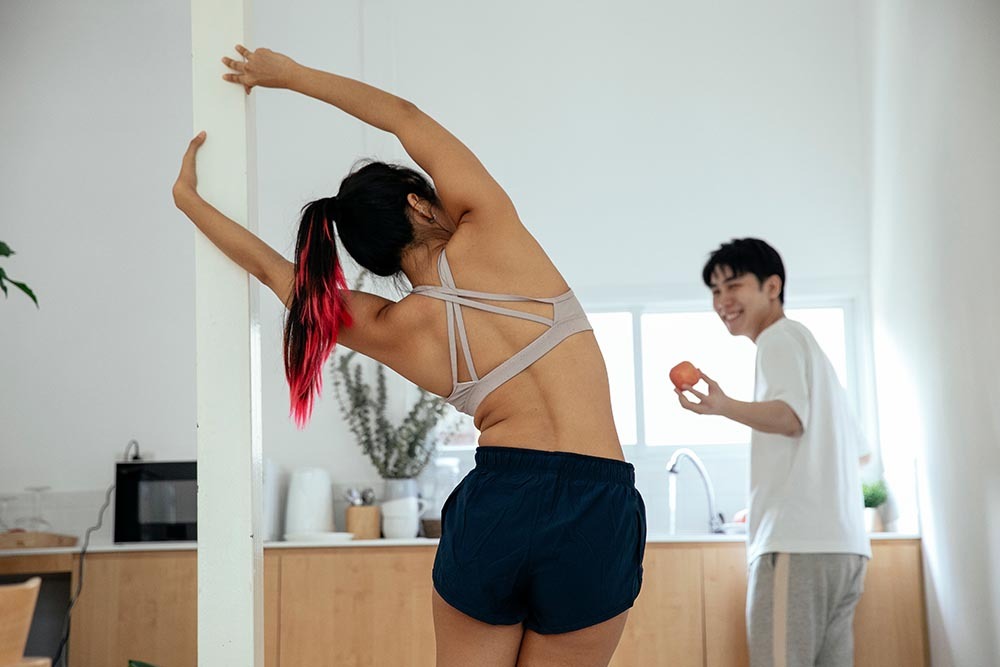
Exercise can be an important part of a healthy routine, but it does not need to carry the entire weight of your goals. Focusing exclusively on workouts can mean overlooking your eating habits, everyday routines, and the different types of support that may be available.
Take a wider view of what you are doing. Look for practical changes you can maintain, choose forms of movement that fit your life, and seek appropriate professional guidance if you are considering medical weight-management options.
Your plan does not need to revolve around spending more time in the gym. A more realistic approach considers your health as a whole and still works when you step outside the workout room.











 Connect with Facebook