





Your Jeans Start In A Field & Levi’s Wants You To Actually Think About That
Because the issue isn’t just cotton
We talk a lot about sustainability like it’s a vibe. Levi’s is trying to drag it back to where it actually begins. Dirt, water, and the people growing the cotton.
The brand just launched its Regenerative and Resilient Landscape Initiative in Pakistan, and it’s not a small pilot. It’s a three-year push across 10,000 hectares in Punjab, one of the country’s key cotton regions, focused on changing how cotton is grown from the ground up.
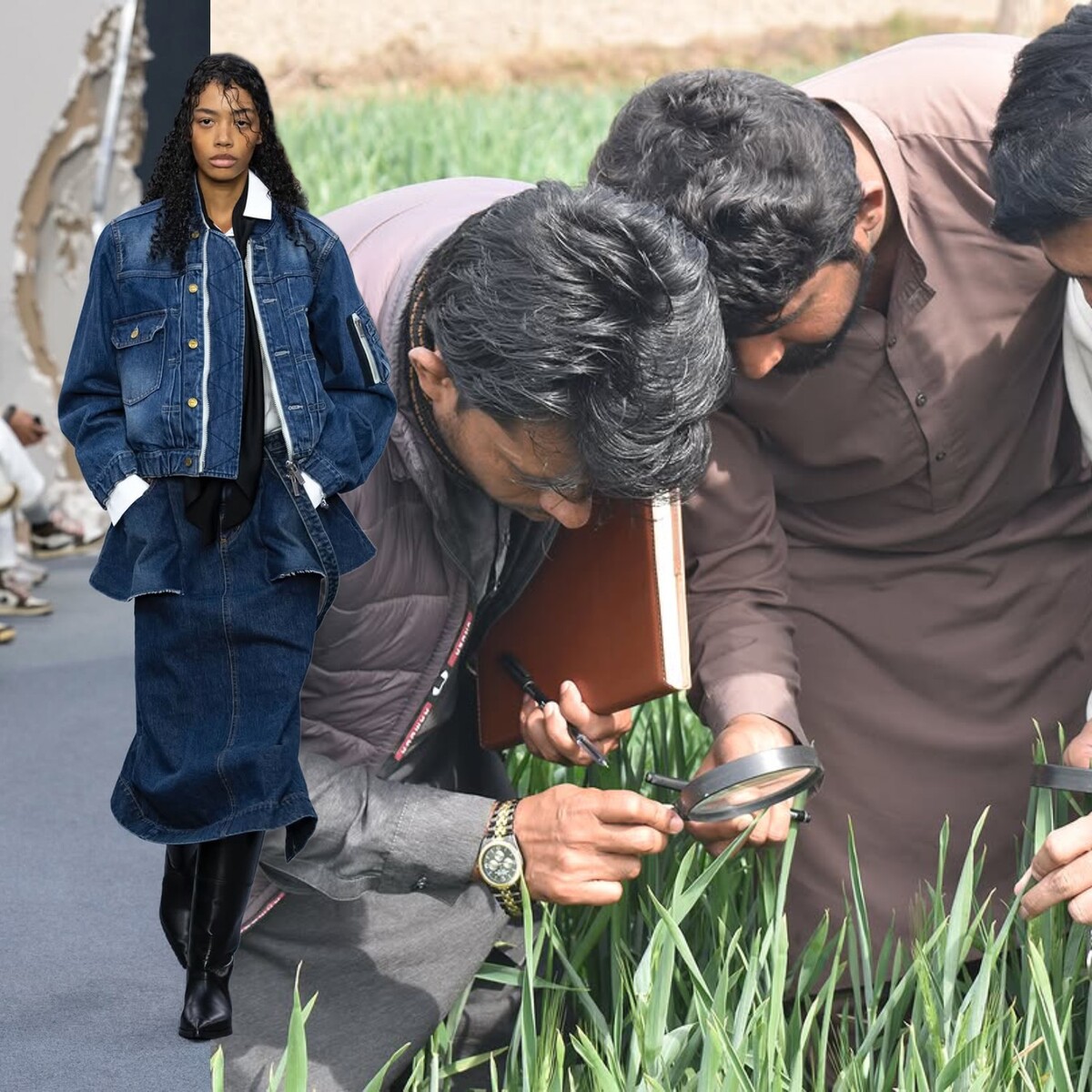
This means less reliance on synthetic fertilizers and pesticides, better soil health, smarter water use, and basically rethinking farming as part of a whole ecosystem instead of a factory for raw material.
This Is Less About Denim, More About Systems
What makes this interesting is that it’s not just environmental PR. It’s structural.
The initiative is working directly with farmers. Around 600 already engaged, field schools set up, training happening in real time. Not theory, actual practice.
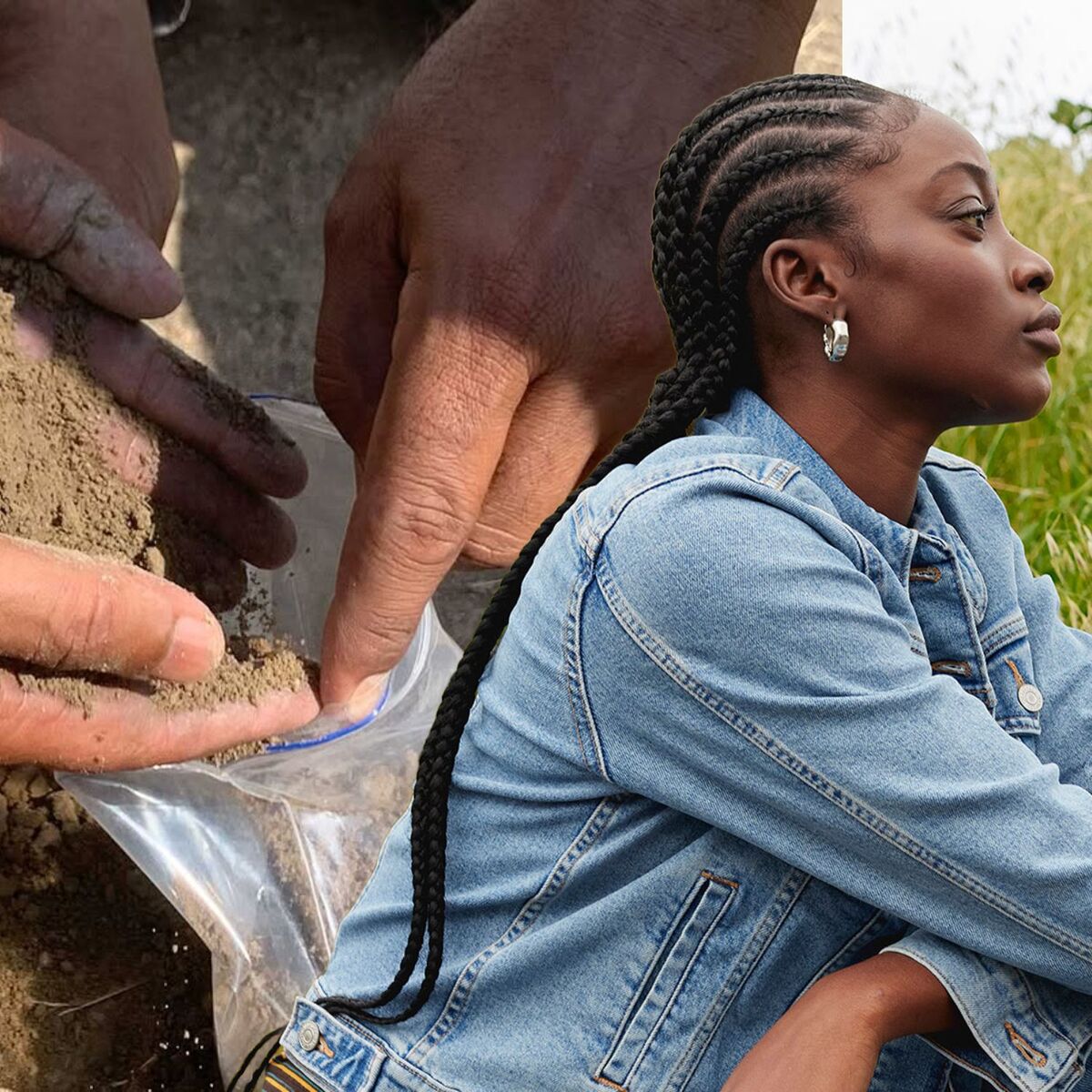
And it’s layered into something bigger. A global regenerative push that connects regions like Pakistan, India, Brazil, and Tanzania under one system that treats agriculture, communities, and biodiversity as linked, not separate problems.
Because the issue isn’t just cotton. It’s how cotton exists inside climate pressure, water scarcity, and unstable livelihoods.

Sustainability Finally Gets Specific
There’s also a quiet honesty in this kind of move.
Levi’s isn’t pretending the industry is clean. Cotton is still one of fashion’s biggest environmental stress points. But instead of offsetting or rebranding, this is about intervention at the source.
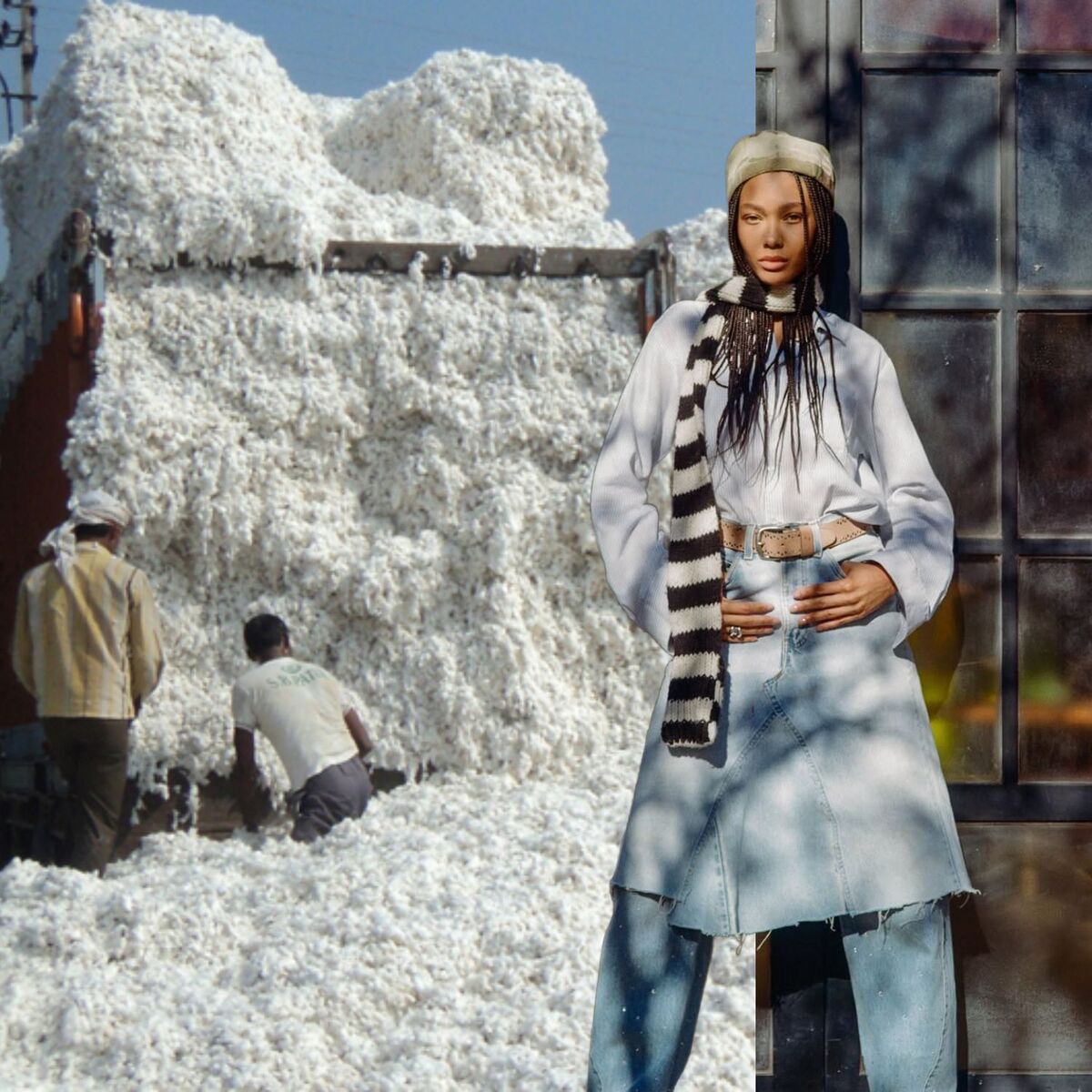
The goals are pretty direct. Improve water productivity. Increase soil organic matter. Plant 100,000 trees. Make farming less expensive and more stable for the people actually doing it.
The Real Shift Is Where Responsibility Starts
What this really signals is a shift in accountability.

Not just how clothes are made, but where brands decide responsibility begins. Not in the factory. Not at the store. But at the field.
And once you start there, everything else has to follow.










 Connect with Facebook