





Why Are Situationships Lasting Longer Than Actual Relationships?
Modern dating’s favorite relationship status is emotional confusion.
At this point, situationships are basically becoming the longest relationships of our generation. Somehow people are spending eight months emotionally attached to someone they technically “aren’t even dating,” while actual relationships barely survive past three arguments and a badly timed Instagram follow.
And honestly? I think modern dating has accidentally normalised emotional limbo.
Nobody wants to pressure anyone. Nobody wants to seem clingy. Nobody wants to ask “what are we?” because apparently that’s now considered more terrifying than tax fraud. So instead, people end up trapped in these ultra-intimate, emotionally confusing pseudo-relationships where you talk every day, sleep together regularly, know each other’s coffee orders, have matching senses of humour, and maybe even share locations… but somehow still avoid defining anything.
It’s giving boyfriend experience without the healthcare plan.
The weirdest part is how emotionally serious situationships actually become. Because unlike traditional dating, where things move with some kind of structure, situationships thrive on uncertainty. And uncertainty makes people obsess harder. You end up analysing everything: the delayed replies, the energy shifts, the Instagram stories, the way they said “miss you” one night and acted emotionally unavailable the next morning.
The lack of clarity becomes the entire relationship.
And unfortunately, modern dating culture almost rewards this behaviour. We romanticise emotionally unavailable people like they’re mysterious indie film characters instead of people who simply cannot communicate. Everyone wants connection, but nobody wants accountability. So instead of relationships, we get vague exclusivity, “seeing where things go,” and people calling each other “just a person I’m talking to” after six months of emotional damage.
I also think dating apps permanently changed how people approach commitment. Knowing there’s always another option sitting one swipe away has created this constant feeling that something “better” could appear at any second. Even when someone genuinely likes you, there’s this weird hesitation to fully commit because committing means closing the door to other possibilities. Situationships allow people to keep one foot in and one foot out at all times.
Which explains why they can drag on forever.
And let’s be honest: situationships can feel safer than actual relationships. Relationships require vulnerability, honesty, consistency, and sometimes uncomfortable conversations. Situationships, meanwhile, let people experience intimacy while still maintaining emotional escape routes. If things fall apart, one person can always hit you with the classic:
“Well technically we were never together.”
A sentence so evil it honestly deserves prison time.
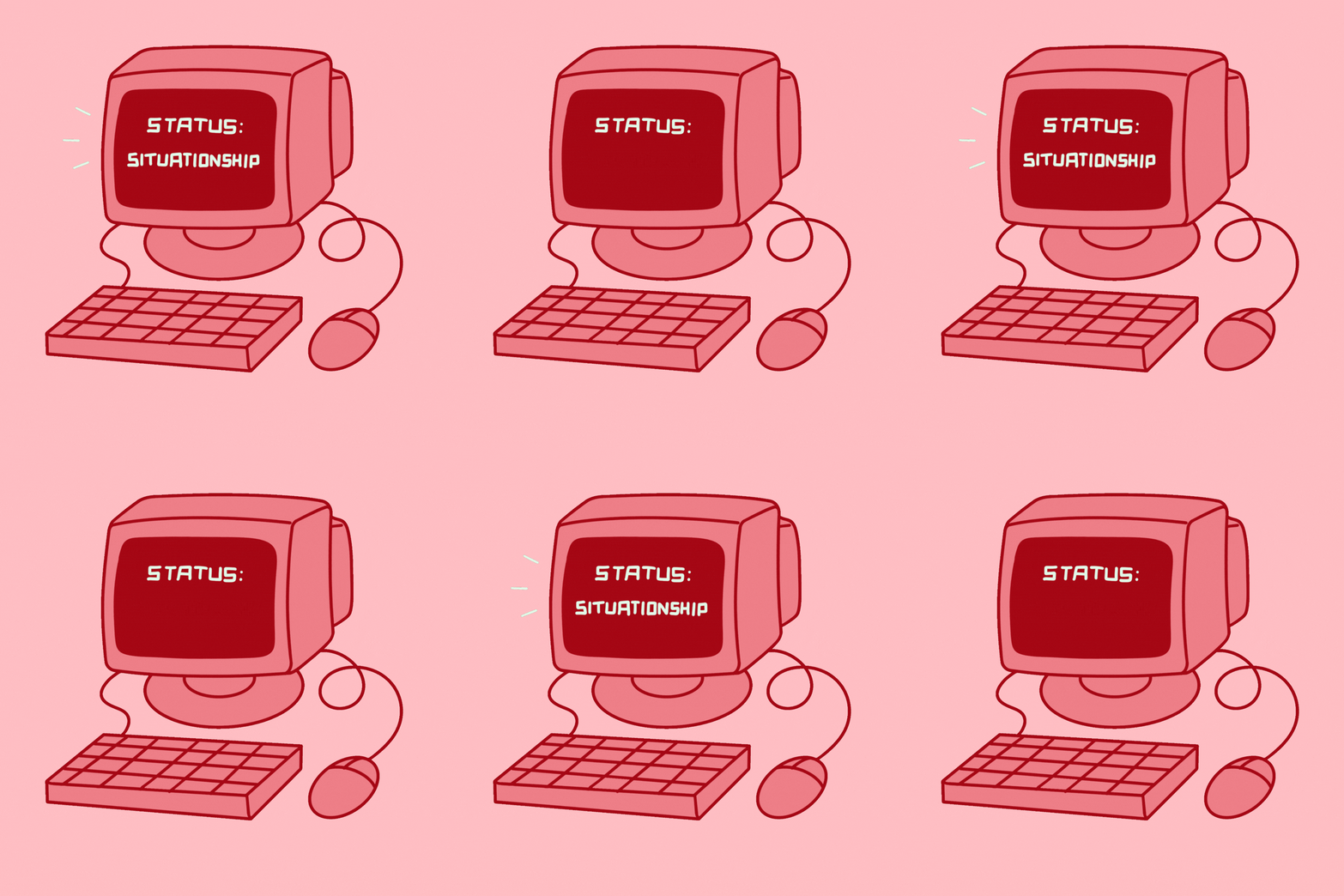
The problem is that situationships often create relationship-level attachment without relationship-level security. You’re expected to emotionally invest while simultaneously pretending not to care too much. You want reassurance, but you don’t want to scare them away. You want clarity, but you’re terrified the answer will disappoint you.
So people settle into ambiguity because ambiguity at least keeps the fantasy alive.
And maybe that’s why situationships last longer than actual relationships now. They survive because they never fully become real enough to fail properly. There’s no official beginning, no defined expectations, and often no clean ending either. Just two people orbiting each other until somebody gets hurt, disappears, or suddenly announces they’re “not ready for anything serious” before entering a fully committed relationship three weeks later.
Modern romance truly is a psychological experiment.
But honestly? I think people are starting to get tired. The constant emotional confusion, mixed signals, and fear of asking for clarity is exhausting. At some point, being “chill” stops feeling empowering and starts feeling emotionally self-destructive.
Because deep down, most people don’t actually want ambiguity. They want consistency. They want reassurance. They want somebody who’s certain about them.
And maybe the real power move in 2026 is no longer pretending you’re okay with undefined relationships that quietly drain your sanity. Maybe it’s finally admitting that wanting clarity doesn’t make you needy — it just makes you emotionally honest.











 Connect with Facebook