




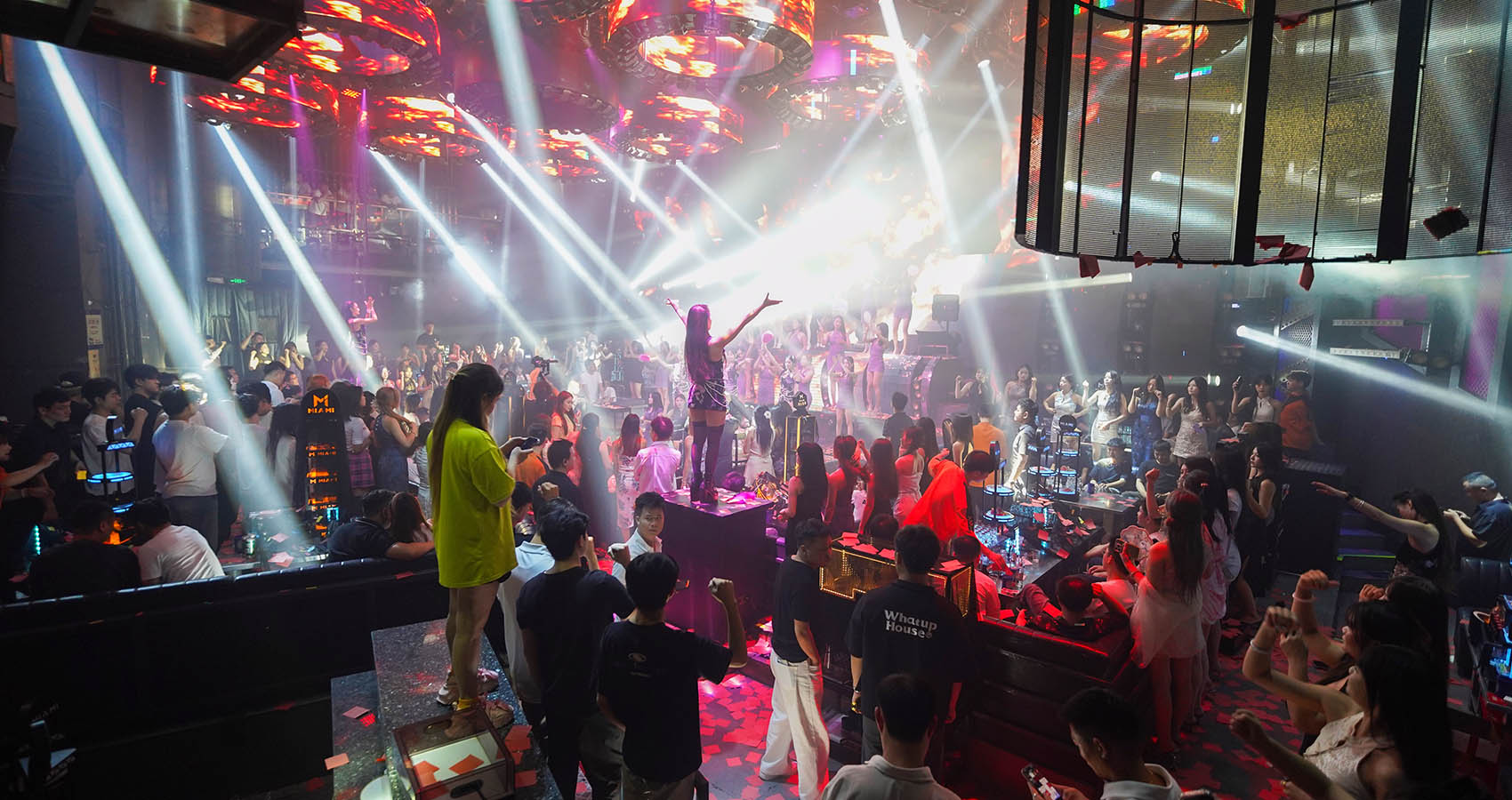
When Nightlife Becomes Theatre: The Rise Of Immersive Club Experiences
From cinematic lighting to live performances, nightlife is becoming a show of its own.
Nightlife venues are borrowing the language of theatre to turn an ordinary evening out into a carefully staged experience. Dramatic lighting, roaming performers and cinematic sound design now help guests feel as though they’ve stepped into another world. This shift reflects a wider appetite for memorable, visually distinctive nights that offer more than a dance floor and a drinks menu.
The Rise of Theatrical Escapism
Immersive nightlife draws from theatre productions that place audiences inside the action. The wider rise of immersive performances shows how sets, movement and direct interaction can dissolve the usual boundary between performer and spectator.
Venues translate those ideas through themed rooms, choreographed entrances and stories revealed over several hours. A guest might pass through a mirrored corridor before finding a lounge styled like a futuristic hotel lobby. Small details matter here. Staff costumes, menus and background sound should support the same concept. The growing interest in spaces that combine hospitality, culture and an immersive atmosphere shows how much the setting can shape an evening. When choosing an immersive night, check whether its theme shapes the full experience or simply appears in a few decorative props.
Blending Live Showmanship and Lounges
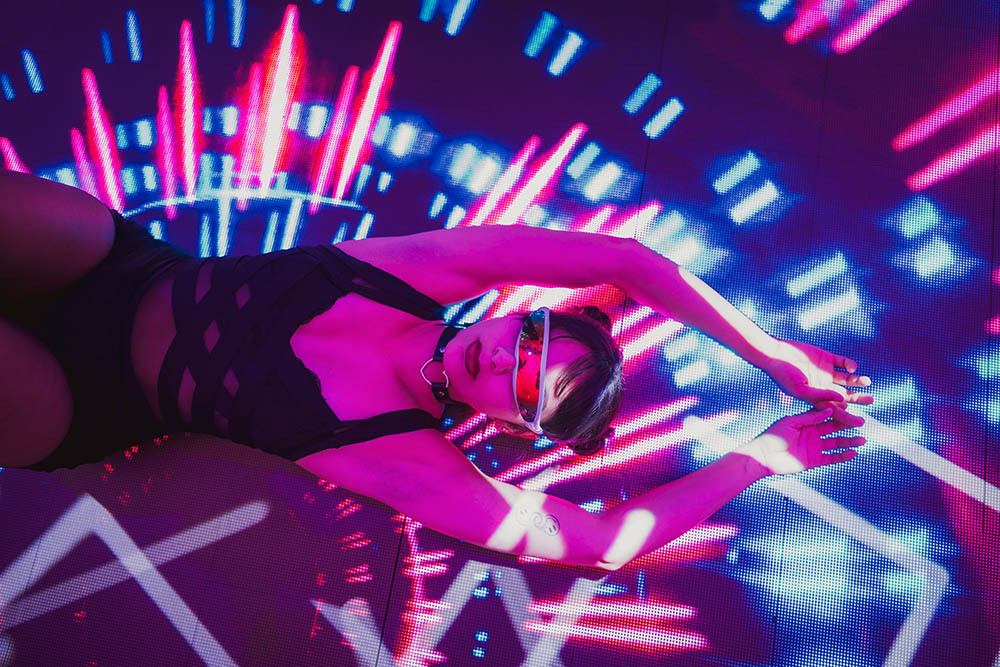
The strongest concepts give guests room to watch, talk and move between different levels of energy. Live showmanship may unfold on a central stage while quieter lounges offer table service and a clearer view of the production. A strip club can also combine live adult entertainment with luxury seating, VIP table service and premium bottle packages, giving guests a different kind of after-hours experience.
This format works well for birthdays and group celebrations because nobody must follow an identical schedule. Before booking, ask where your table sits in relation to the performance area, how long each live segment lasts and whether private spaces have minimum-spend rules. Clear timings help the whole group arrive before the main show begins.
What Modern Audiences Crave After Hours
Guests increasingly want agency. They may prefer to explore several rooms, interact with a performer or watch events from the edge without becoming part of the scene. This flexible model also echoes live cinema aesthetics, where performance, music and moving images combine to create an event that feels unique to its time and place.
Shareable visuals still influence venue design, but a photo-ready installation needs substance behind it. Strong concepts reward attention through changing projections, surprise appearances or sound cues that lead guests towards a new space. If you’re comparing venues, look beyond promotional clips. Reviews that mention pacing, visibility and staff organisation reveal far more about how the night actually feels.
The Future of Sensory Club Culture
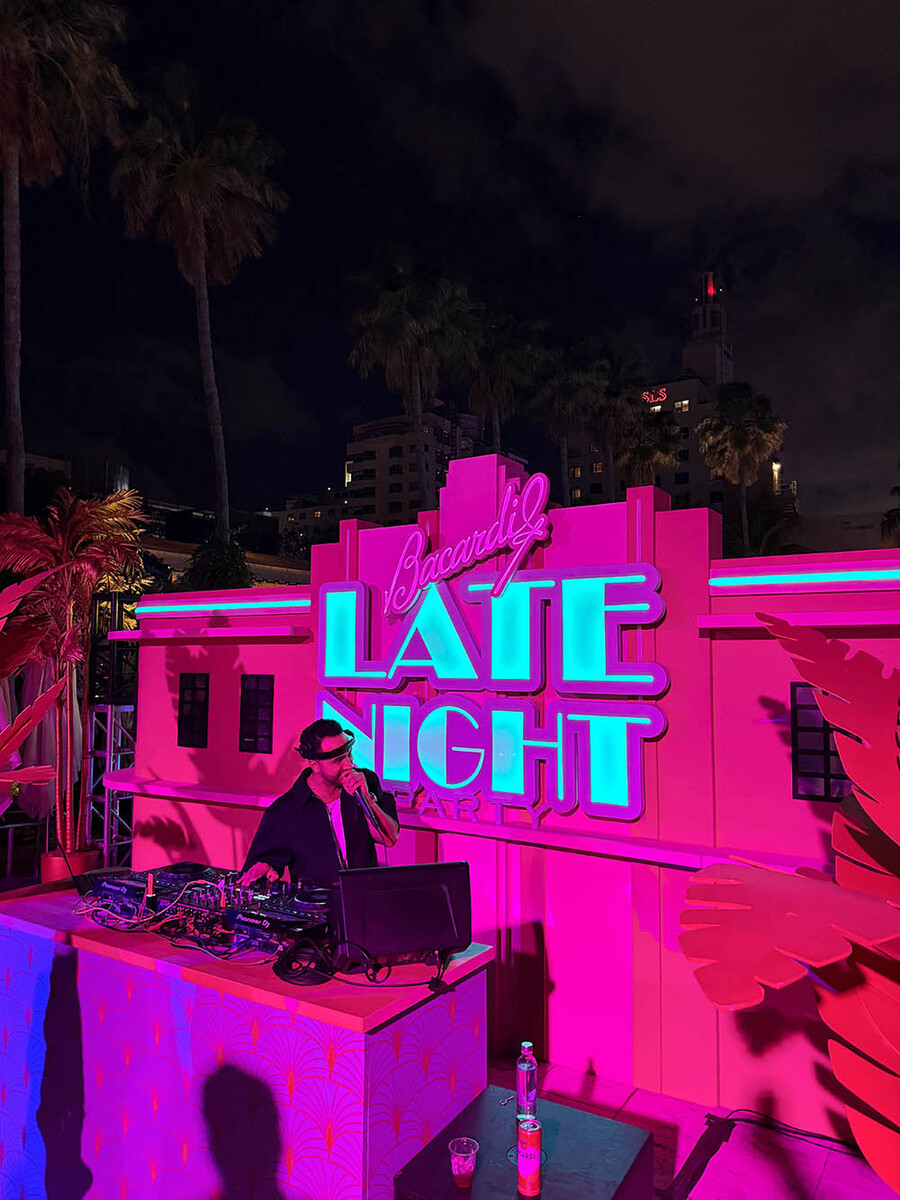
Sensory club culture is likely to become more responsive and personalised. Projection mapping can transform a room between performances, while spatial audio allows different music or spoken elements to occupy separate zones. Wearable lighting and timed digital effects may let the crowd influence colour, rhythm or atmosphere without turning the evening into a screen-led experience.
Comfort will shape this future too. Venues need clear routes, places to sit and quieter areas where guests can reset between high-energy moments. Transparent information about flashing lights, loud sound and audience interaction helps people choose an experience that suits them. The most compelling nights will use technology with restraint, leaving guests to remember a perfectly timed entrance or an unexpected room reveal long after the final cue.











 Connect with Facebook