




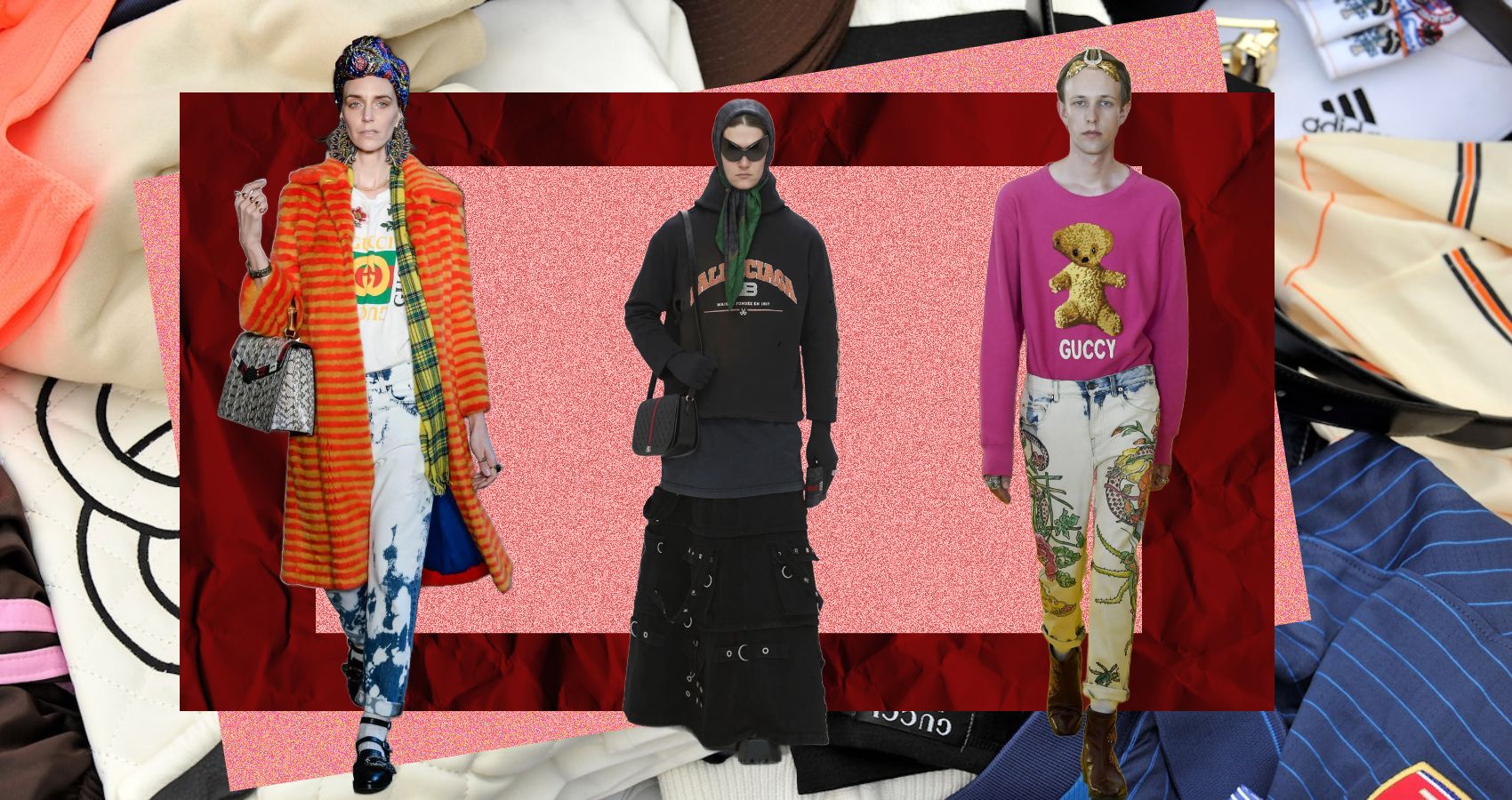
Fake Culture Isn’t Sloppy Anymore, It’s Strategic
They aren’t just increasing, they’re evolving
The counterfeit market used to feel obvious. Bad stitching, wrong logos, the kind of fake you could clock from across the street.
That version is basically gone.
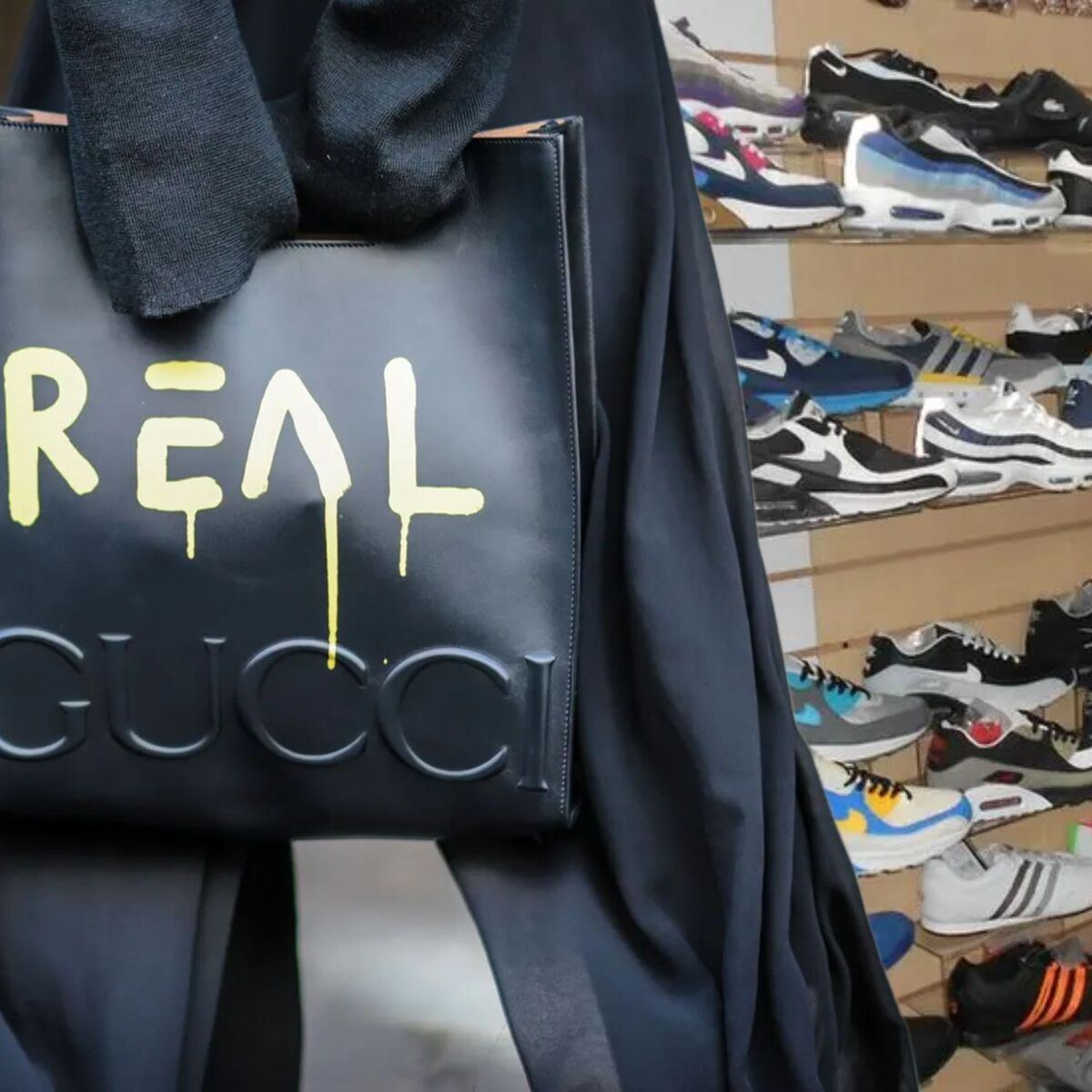
Now it’s faster, sharper, and weirdly organized. According to Entrupy’s latest data, counterfeit goods aren’t just increasing, they’re evolving. In 2025 alone, over $3.7 billion worth of items were submitted for authentication, which tells you how massive and normalized this ecosystem has become.
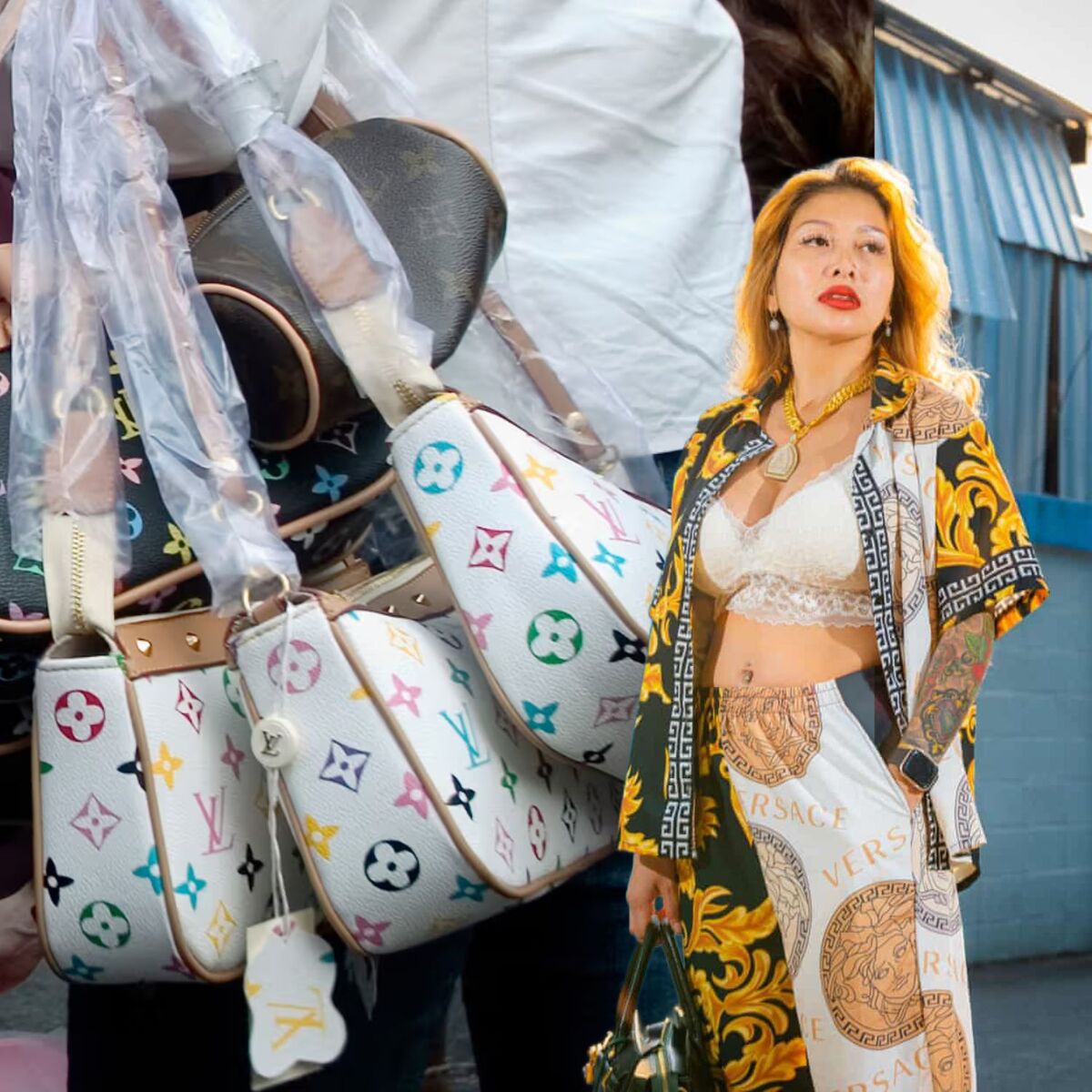
And the range is wide. Sneakers, handbags, luxury accessories. From Nike Jordans to Louis Vuitton monogram bags, nothing is really off-limits anymore.
The Fake Market Moves Like a Startup Now
What’s changed isn’t just volume. It’s behavior.
Counterfeiters are operating with the same agility as legit brands. Faster production cycles, smaller batches, constant updates. They’re watching trends in real time and adjusting almost immediately, which means by the time something becomes desirable, a fake version is already circulating.
Online platforms make it even easier. Social media, resale apps, private sellers. The distribution is decentralized, harder to track, and way more convincing than the old back-alley version of counterfeiting.
Authenticity Is Getting Harder to Prove, Not Easier
Here’s where it gets uncomfortable.
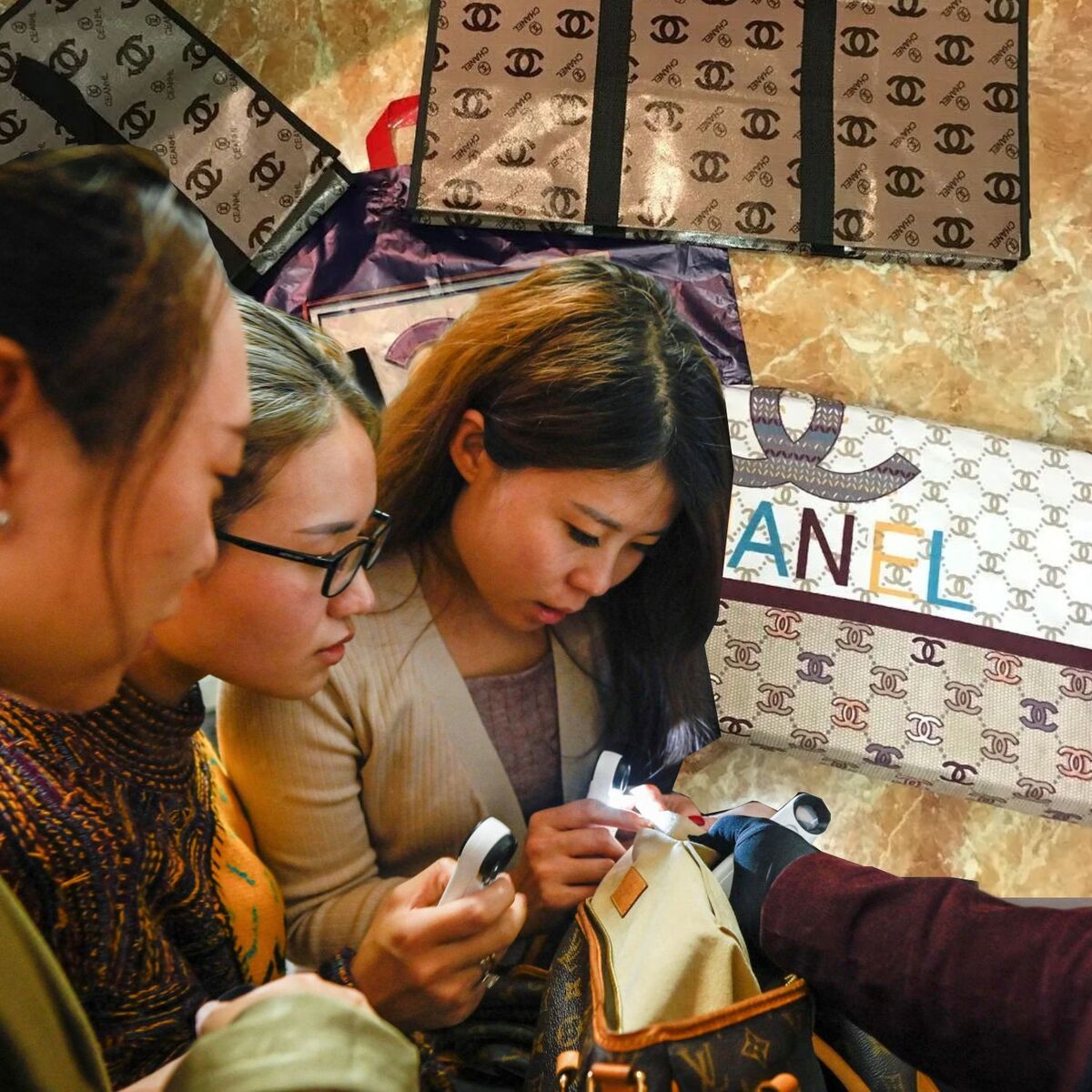
Even experts are seeing how close replicas are getting. The line between real and fake isn’t always visual anymore. It’s technical. Materials, micro-details, supply chain verification. Things you can’t just eyeball.
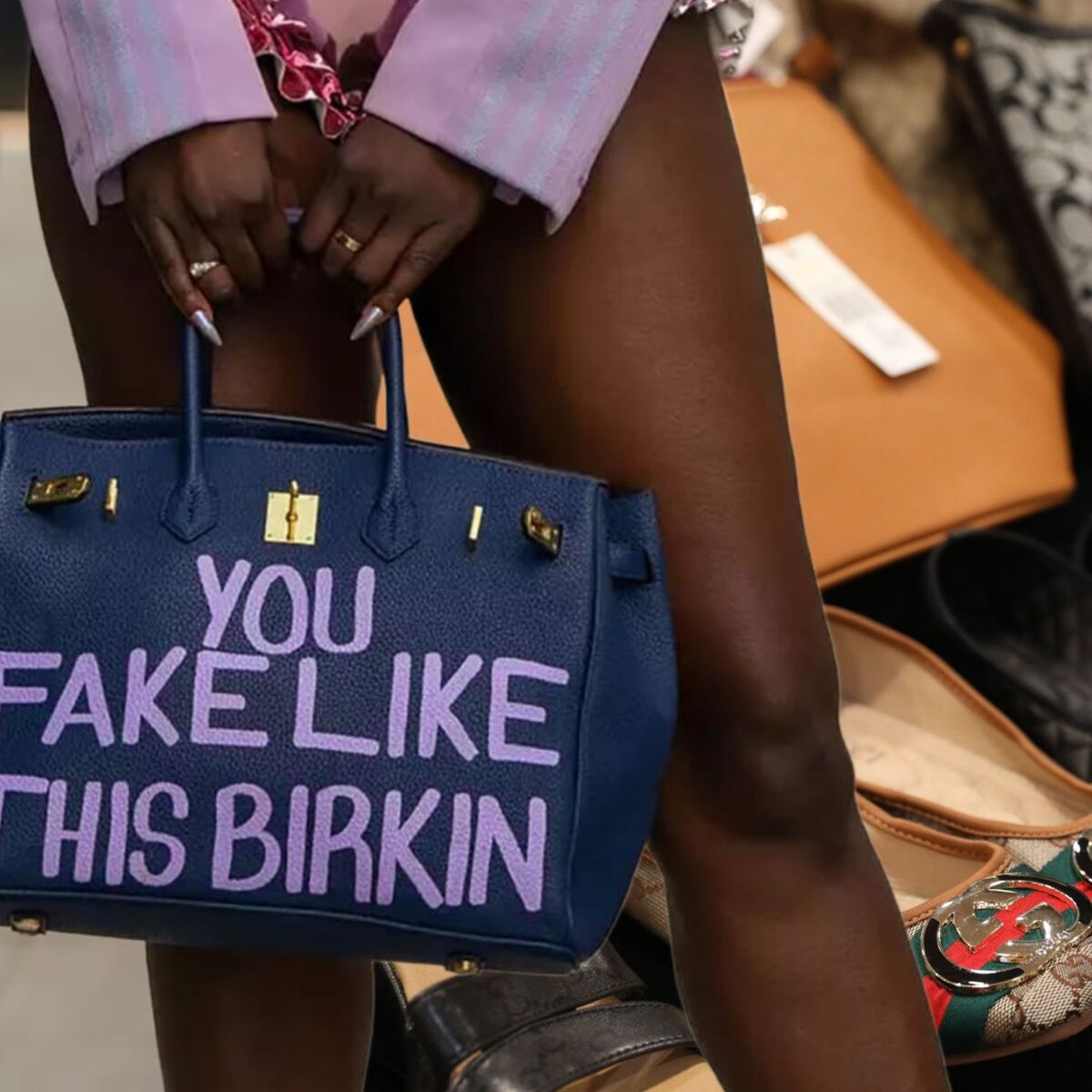
And because resale culture is booming, more people are buying secondhand without full certainty. Which means counterfeit products aren’t just entering the market. They’re circulating inside it.
Luxury Has a Problem It Can’t Fully Control
There’s a quiet contradiction sitting under all of this.
The more desirable a product becomes, the more incentive there is to copy it. And when brands build hype through scarcity, resale value, and cultural relevance, they’re also feeding the counterfeit machine.
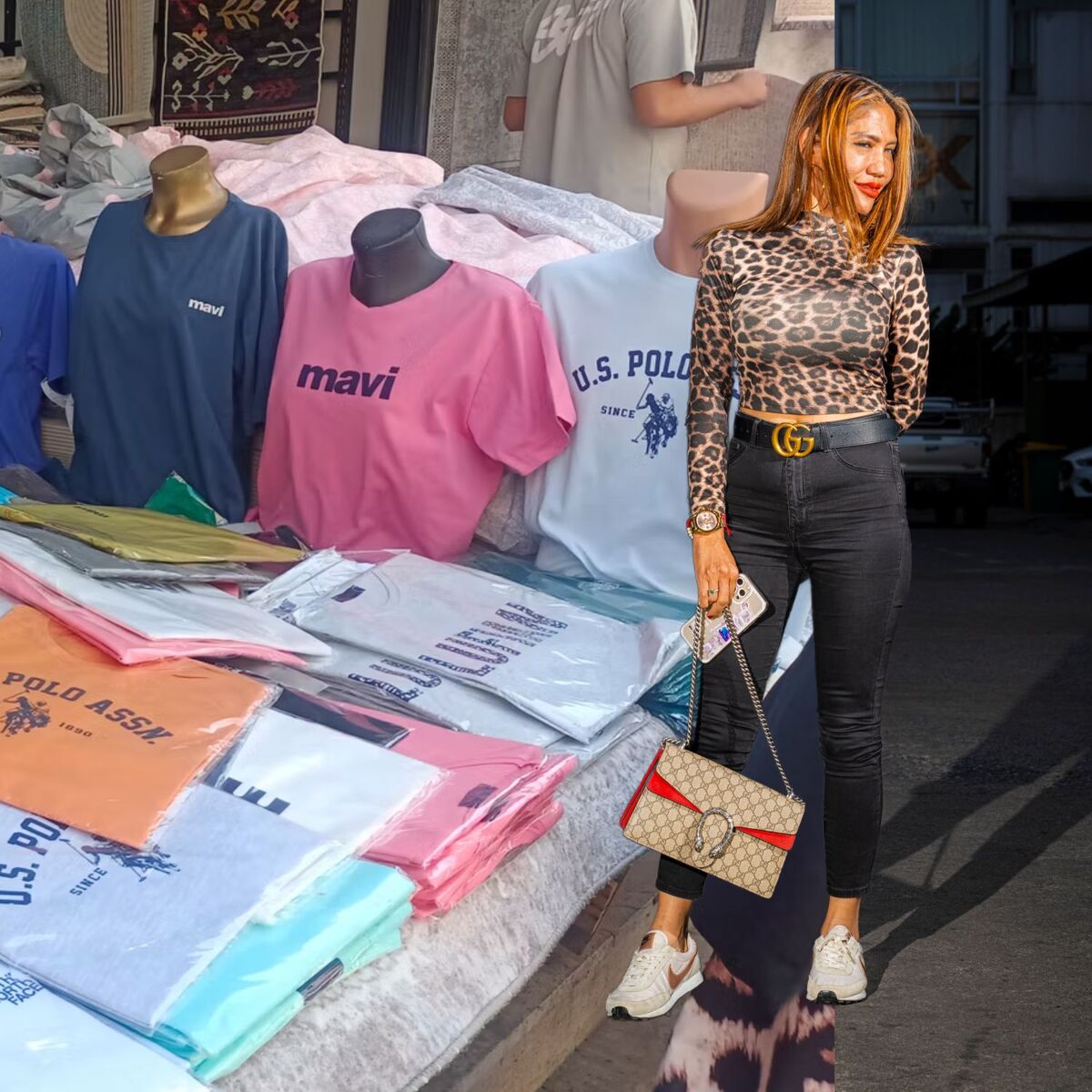
So now you have this loop.
Demand creates value.
Value creates fakes.
Fakes blur the meaning of value.
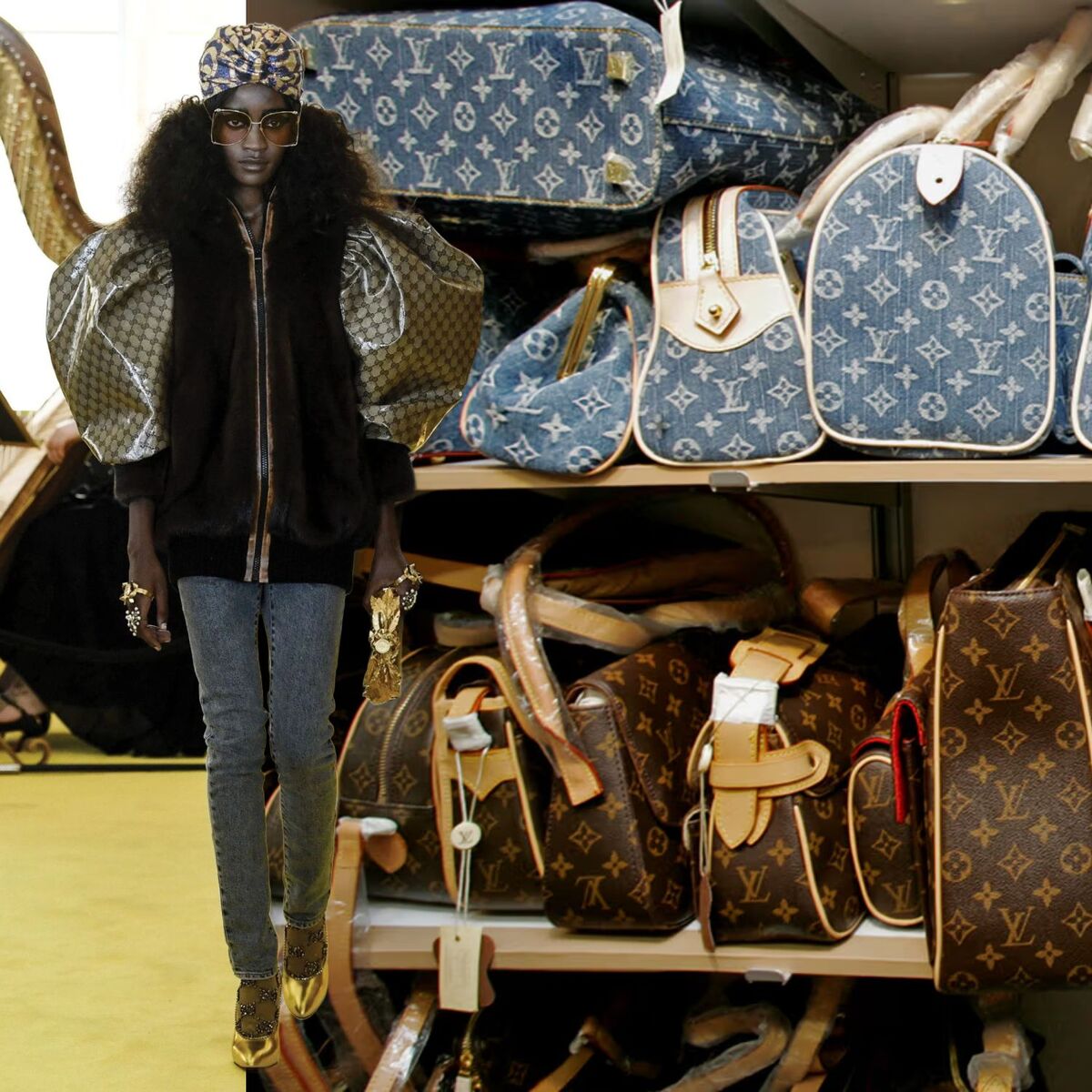
And suddenly, owning something real isn’t just about having it.
It’s about proving it.










 Connect with Facebook