




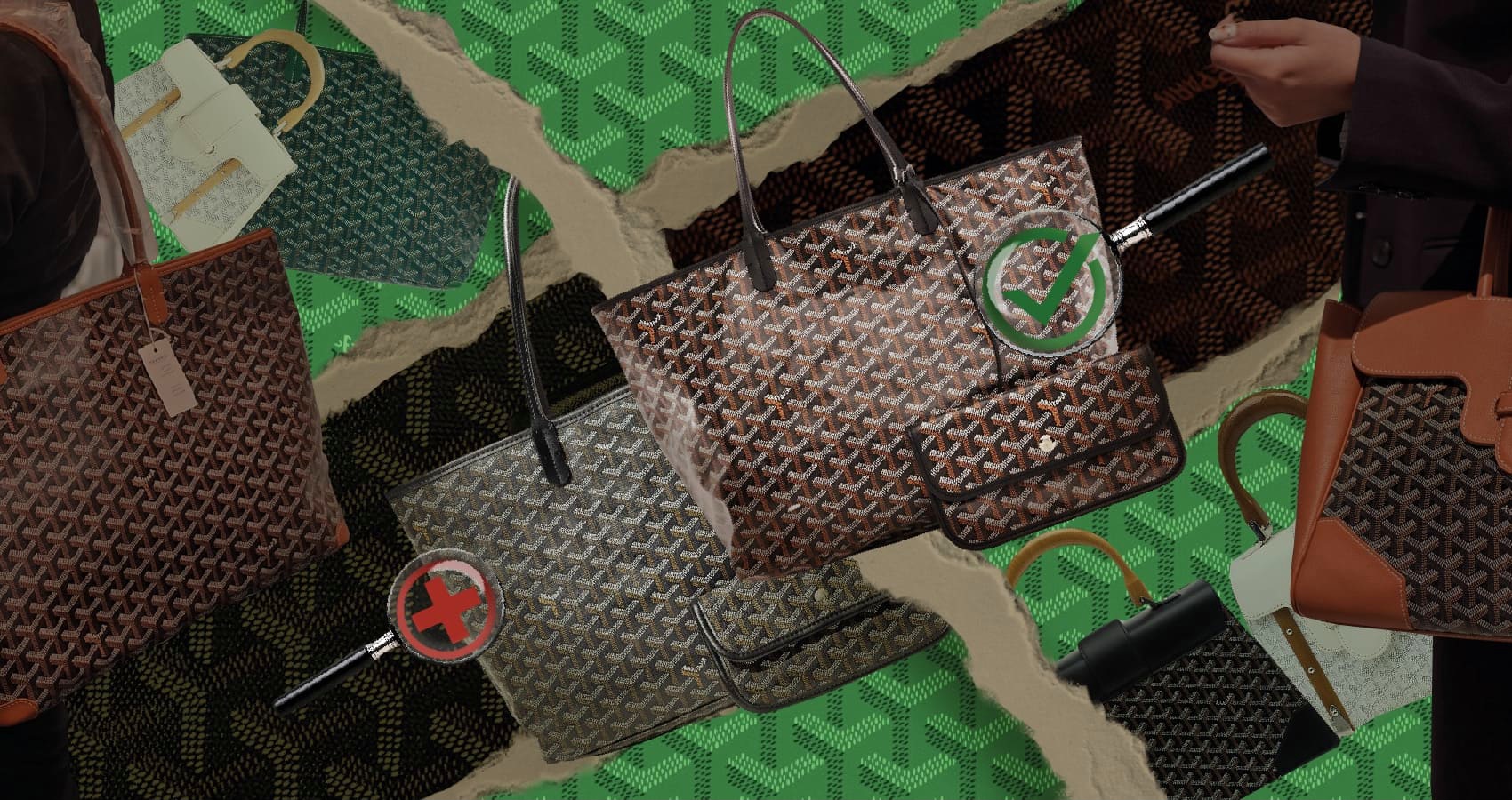
The More Exclusive the Bag The Louder The Fake
They're nowhere and everywhere
There’s something almost ironic about Goyard. The harder it is to get, the more it shows up everywhere… just not always real.
According to Entrupy’s latest data, Goyard isn’t the most copied brand by volume, that still goes to Louis Vuitton. But it is the riskiest. Nearly 19 percent of Goyard items submitted for authentication turned out to be fake, the highest rate among major luxury names.
And the reason is almost too on-the-nose. Scarcity.
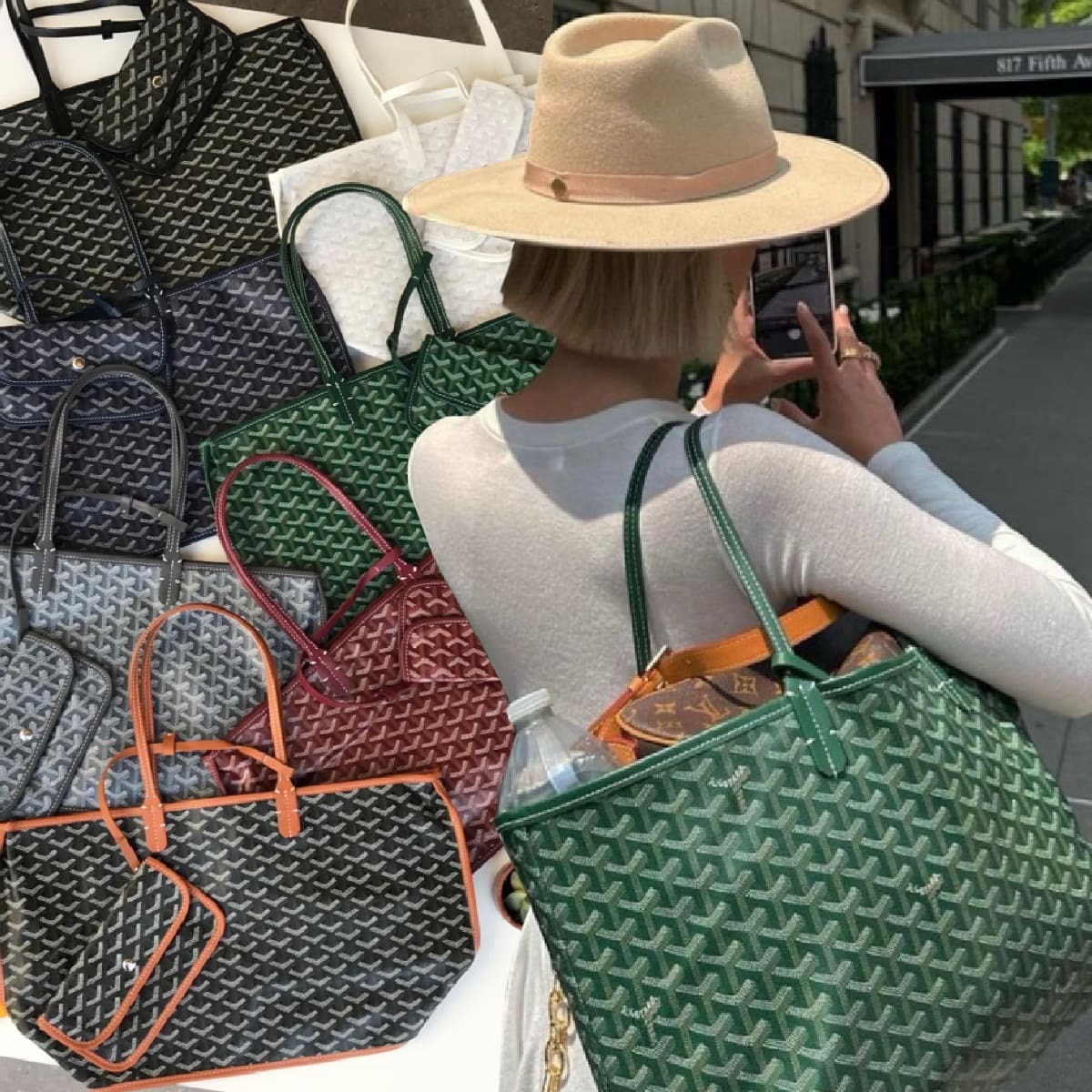
Scarcity Is Sexy… and Very Easy to Exploit
Goyard built its entire identity on being hard to access. No e-commerce. Limited stores. Minimal marketing. You either know, or you don’t.
That kind of exclusivity creates a vacuum. And counterfeiters rush in to fill it.
When demand is high but availability is tight, people start looking elsewhere. Resale. Gray market. Questionable Instagram sellers. That’s where things get blurry.
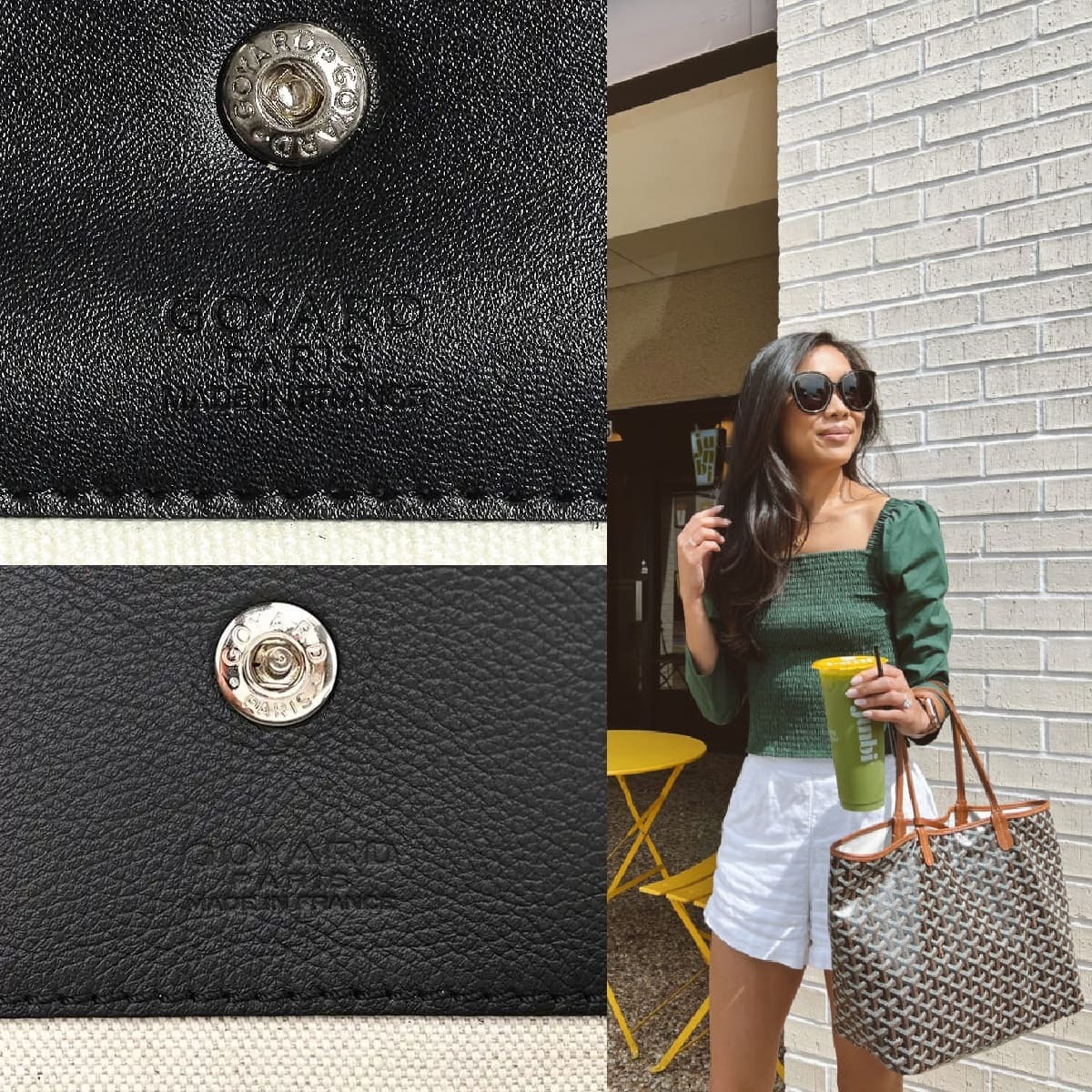
The brand’s signature Goyardine canvas is also part of the problem. Distinct, recognizable, and relatively easy to replicate visually. Which means even a convincing fake can pass at a glance.
Luxury’s Quiet Contradiction
Here’s the tension no one really says out loud.
The same thing that makes a brand desirable also makes it vulnerable.
Goyard’s low visibility, its refusal to mass-produce, its almost secretive identity, all of that builds mystique. But it also removes control. The brand isn’t everywhere, so the fakes get to be.
Meanwhile, consumers are getting smarter and more cautious, but also more open to dupes and secondhand alternatives, especially as luxury prices keep climbing.

So What Happens Next?
Luxury is in this strange loop.
Make things rarer, and they become more desirable.
Make them more desirable, and they become easier to fake.
And somewhere in between, authenticity turns into its own kind of currency.
Not just owning the bag.
But knowing it’s real.








 Connect with Facebook