





Stranger Things Season 5 and the Problem With Shipping Culture
When the fans turn the story upside down.
It’s time. The long-anticipated conclusion of Stranger Things has finally come to pass.
The final season of the show crashed our Christmas holidays; however, this was not unusual for me. My festive break has always been defined by my dad’s ritualistic rewatch of the entire series. Every year, Joyce’s Christmas lights flicker, and Max is Running Up That Hill as we lounge on the sofa. Nevertheless, Stranger Things 5 certainly shook things up.
The Cultural Grip of Stranger Things
The hold that Stranger Things has on pop culture is indisputable. Despite the increasing gaps between seasons, audiences routinely race back with overwhelming enthusiasm at every release. There are multiple explanations for this, from the comfort of ’80s nostalgia to its distinctive premise. However, there is another factor keeping audiences hooked — one that may be contributing to the death of nuance in mainstream media.
Shipping culture

Don’t get me wrong: shipping characters together has always been an aspect of popular media. Think Ross and Rachel. Team Edward or Team Jacob? The hope that two characters with on-screen chemistry will link up is a significant motivation to keep tuning in, so it’s no wonder that creators repeatedly encourage this behaviour and engage with it in their stories.
However, the sheer abundance of characters in Stranger Things means there is a vast pool of pairings to root for, naturally pushing shipping culture to — yes, I’m going to say it — eleven.
We have Stancy vs. Jancy, Mileven vs. Byler, Lumax, Jopper… and that’s just to name a few. Why is this a problem? Well, in the digital age of TikTok edits and fanfiction, conversations around the new season have been so preoccupied with possible romantic connections that it begs the question: does this hyper-fixation on who will end up with whom take away from the story of bravery and chosen family being told? Let’s see.
Spoilers for Season 5 of Stranger Things incoming.
The Strange Case of Nancy Wheeler: Steve, Jonathan, or… the End of the World?
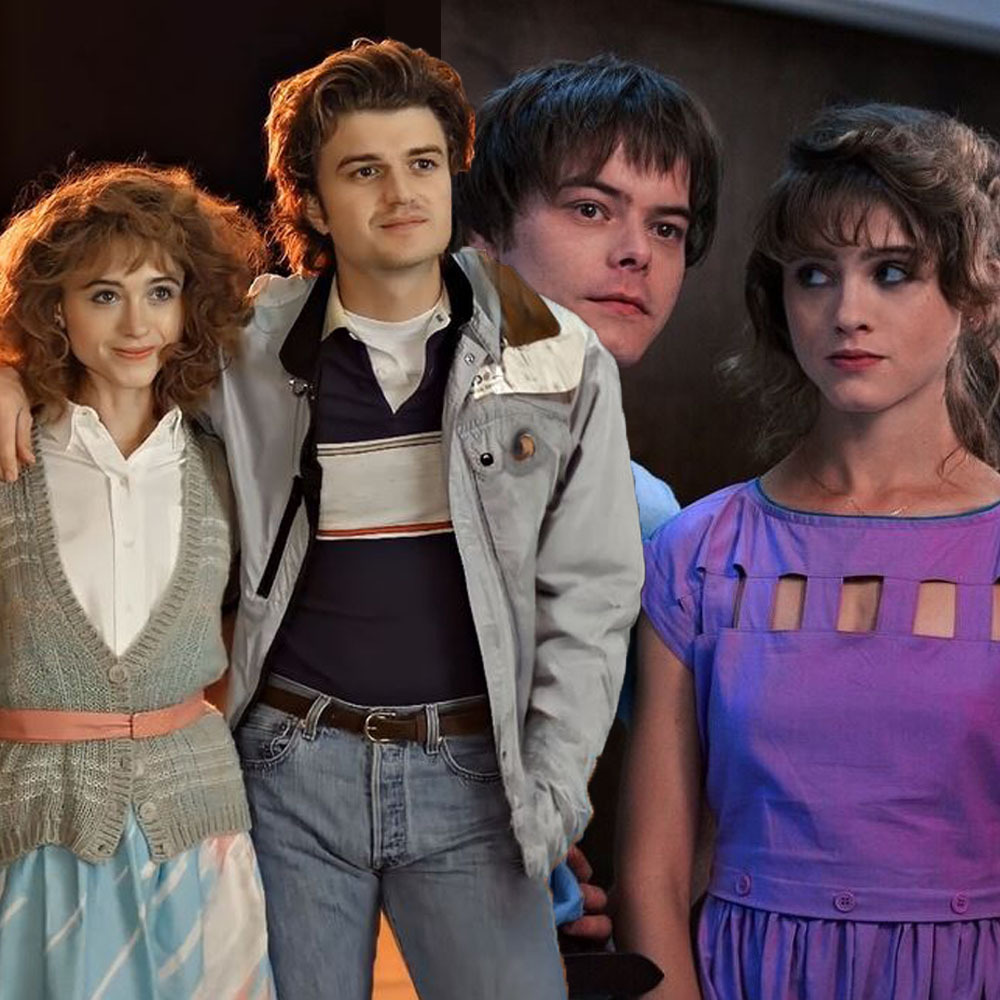
A twenty-minute Stancy edit went viral on TikTok recently. Twenty minutes. Stranger Things fans are passionate about who Nancy should end up with. Steve Harrington’s endearing personality and character growth solidified him as a fan favourite early on, and this stands as a major driving force behind Stancy shippers. Fans want Steve to get what he wants. And what does he want? Or rather, who?
Then there’s Jonathan Byers. The series established Jonathan as the underdog: the indie, sensitive boy who won over the popular girl. The build-up of Jancy in the first couple of seasons was wonderful. Not only that, but his character was pivotal at the start of the show as the older brother of Will, whose disappearance began it all.
Cut to Seasons 4 and 5, and he is a stoner with a minimal role in the plot. In fact, the only purpose he now serves is as a point in this love triangle. Somewhere along the way, Jonathan wound up relying on shipping culture to justify his existence. This should not be a reason for a character to stick around in a story that was once so intentional with its components — right?
Nancy Wheeler and the Illusion of Choice
Speaking of intentional storytelling… oh, Nancy. Nancy Wheeler began the series as a mild, preppy girl obsessing over her new boyfriend, Steve. However, after seasons of wielding a shotgun and being pulled through the Upside Down, she earned a fan-assigned nickname: “Walk ’Em Down Wheeler.”
This arc established her as one of the strongest characters in the show, and she has maintained relevance as a fierce leader and investigator. And yet, Season 5’s online discourse was dominated by speculation over which guy would be joining her at the hypothetical altar. Is there an option for neither?
Not really. Shipping culture does not allow room for this third option. If the Duffers want to satisfy fans in an era of obsessive shipping — and consequently justify Jonathan’s current existence in the show — there is no space for Nancy to end up single… right?
Well, surprisingly, Nancy does end up alone. In a heart-wrenching scene on the brink of their deaths (from which a plot contrivance bails them out), Nancy and Jonathan break up in Volume 2. Then, in the finale, Steve reveals — in an awkwardly placed conversation with Jonathan — that he has no intention of ending up with Nancy either.
So what was it all for? The only plot point keeping Jonathan relevant came to no avail, and Season 4’s Stancy arc was left unfinished.
The Duffers tried to have their cake and eat it too. For years, they engaged with the fanbase’s insatiable appetite for Nancy’s love triangle, only to pull a last-minute feminism card and free her from both relationships altogether. While Nancy should not be defined by the men in her life, if you engage with shipping culture for a decade, audiences will expect it to be followed through.
Fans were inevitably disappointed by this conclusion, which does not bode well for future stories presenting characters — especially women — who exist outside of who they end up with.
Byler and the Sorcery of LGBTQ+ Ships
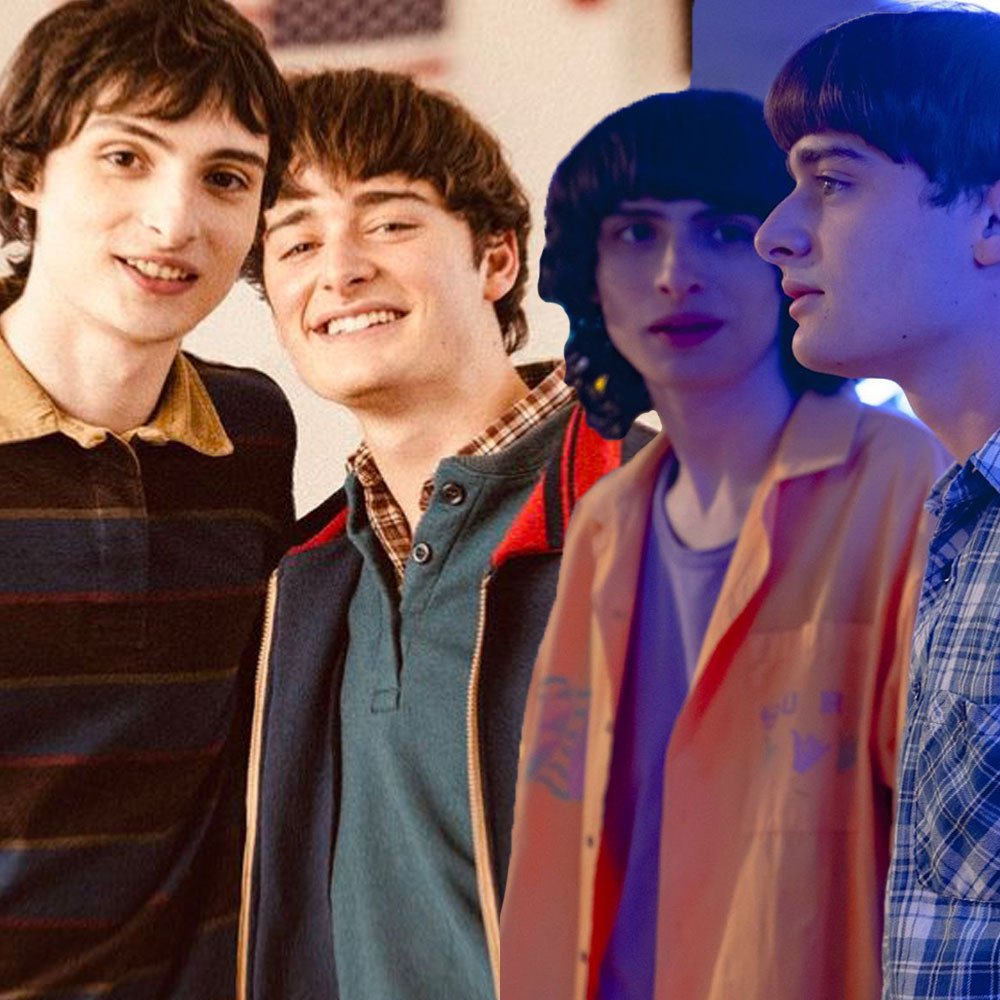
On a positive note, Will’s sexuality has been a beautiful aspect of the story that has blossomed in recent seasons. With this came his feelings for Mike, which took centre stage in Season 5, Volume 1.
Robin’s speech about accepting her own sexuality struck a chord with Will and is implied in the volume’s final moments to be the key to unlocking his psychic powers. This plot twist fuelled Byler (Will Byers and Mike Wheeler) shippers more than ever, with some convinced it would become canon in the season’s conclusion.
The escalation of the Byler debate sparked both online and offline conversations about sexuality among the show’s diverse fanbase, and for that it can be applauded. Since Will’s identity and love for Mike became a significant plot point, the fixation on this pairing was, in many ways, a good thing.
Spoiler: Byler did not happen. The penultimate episode gave us an extended scene of Will coming out to the other characters, although the general audience response was that this resolution felt cringe and incongruent. In retrospect, the build-up of Will’s sexuality at the start of Season 5 was more compelling than its execution. Regardless, the dominance of the Byler debate has spotlighted the LGBTQ+ experience in popular media — and that can never be a bad thing.
Shipping Things

I won’t pretend that I don’t engage in shipping culture myself. After all, I did watch all twenty minutes of that Stancy edit. It’s fun to imagine your favourite characters coming together. The issue arises when shipping debates drown out discussions of the actual story being told. If shipping culture drives the fanbase, the show will inevitably respond — and nuanced relationships may regress into hashtags.
I miss the ambiguity of Joyce and Hopper’s relationship in Season 1. Stranger Things seems to have convinced itself that every character needs an explicit love interest, reinforcing the idea that certain characters — especially women — cannot exist without one as motivation. And so, of course, #Jopper had to become official.
That said, the representation sparked by Byler proves that shipping culture isn’t inherently harmful. If a ship is integrated into the main plot and has a genuine impact on the story, no harm is done.
So, when you inevitably rewatch this iconic series (as streaming services encourage us to do), consider which romantic plot threads were resonant — and which merely fed the growing beast of shipping culture.
Over and out.
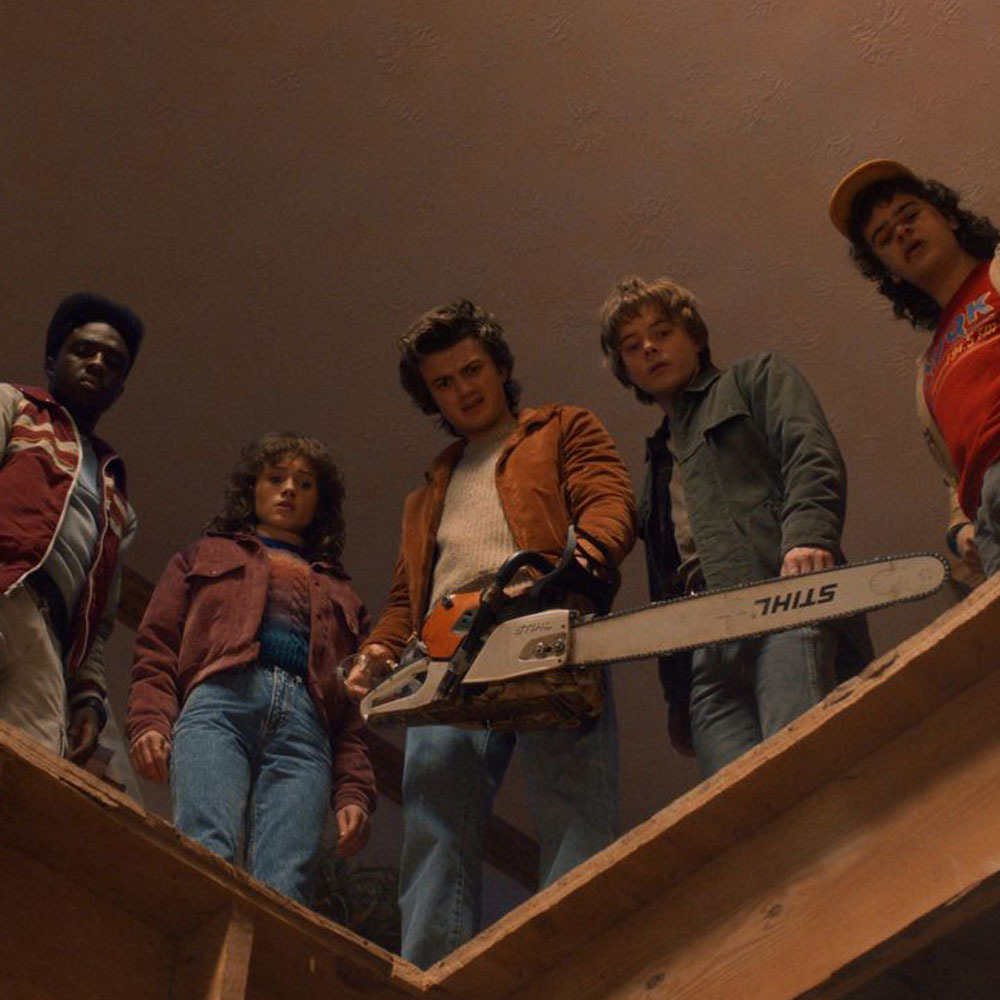
Stranger Things 5 is streaming now, only on Netflix










 Connect with Facebook