




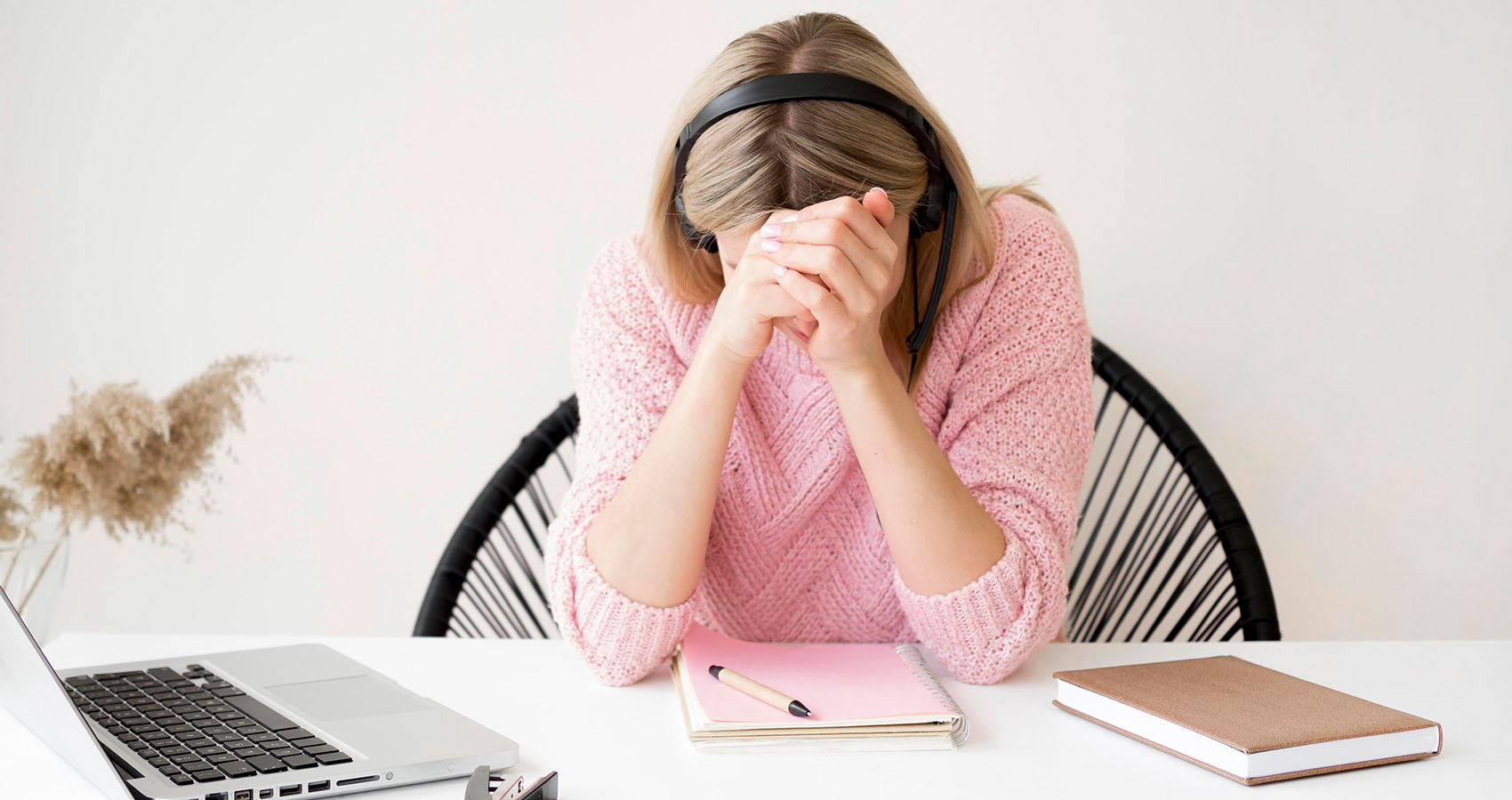
5 Signs Your Stress Levels Might Be Too High
How to recognize when stress starts harming your mental wellbeing.
We all feel stressed from time to time. There are so many pressures and deadlines in the modern world, whether it’s work, family responsibilities, finances, or relationship troubles. This can all weigh heavily on the mind and affect how you function day to day. In small amounts, a little bit of stress can be helpful, as it motivates you to complete tasks and solve problems. BUt when it becomes overwhelming, it could be harmful to your physical and mental health.
It’s important therefore, to learn to recognize the signs and symptoms of excessive stress and protect your wellbeing. Here are five signs your stress levels may be too high.
You feel constantly tired
It’s normal to feel tired after a busy day in the office, but ongoing stress can leave you feeling exhausted all the time. Stress causes the body to remain in a state of alertness, which uses up a lot of energy. Over time, this can lead to both physical and mental fatigue. You may wake up feeling tired even after a full night of sleep. If exhaustion becomes a regular part of your life, it may be a sign that stress is taking a toll on your body.
You have trouble sleeping
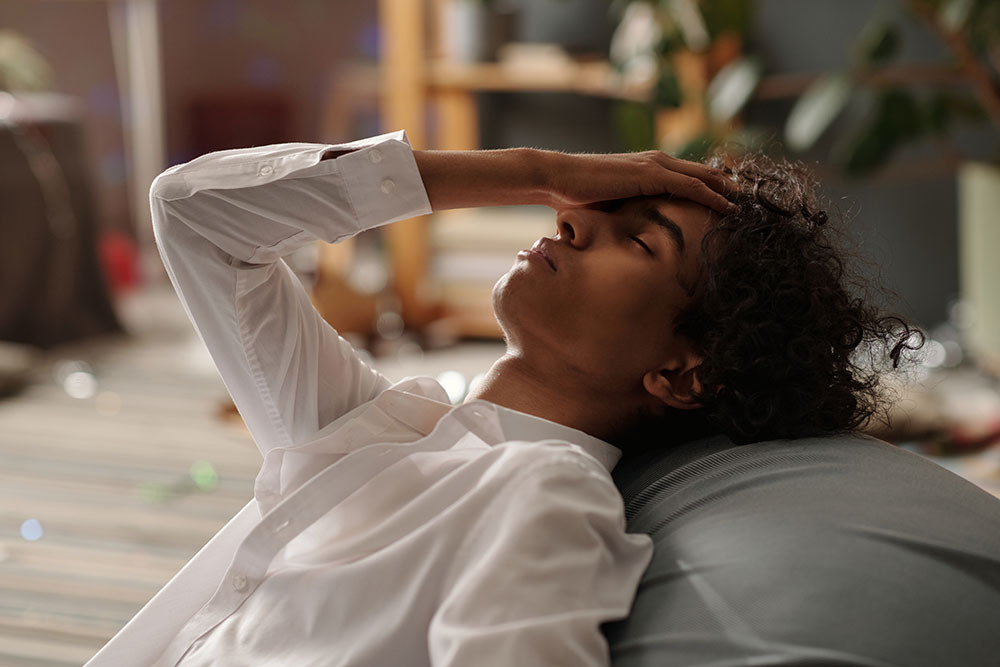
High stress makes it difficult to relax at night. You might find yourself lying awake thinking about problems from the day or worries about the future. Some people struggle to fall asleep, while others wake up frequently during the night. And it’s a vicious circle that’s hard to break, as poor sleep can make stress even worse. Prioritising relaxation before bedtime and creating a consistent sleep routine can help improve sleep quality.
You feel irritable
When stress levels rise, your emotions can get out of control. Small problems feel much bigger than they actually are, and you become frustrated or upset at the slightest thing. If you notice yourself getting impatient with loved ones or feeling overwhelmed and emotionally drained, it’s a strong sign that your stress levels may be too high.

Your physical health suffers
Stress affects your body as well as your mind. Common physical symptoms of high stress include headaches, muscle tension, and stomach problems. Stress can also weaken your immune system, making it harder for your body to fight off infections. If you notice ongoing physical symptoms without a clear cause, stress may be involved.
You adopt unhealthy coping habits
When stress becomes overwhelming, some people look for quick ways to cope. This might include overeating, drinking too much alcohol, smoking, or using drugs to escape difficult feelings. While these habits may provide temporary relief, they can make problems worse over time. In more serious situations, substance use can develop into addiction. When that happens, professional help may be necessary. Some individuals seek support through counseling, treatment programs, or specialised facilities such as a luxury rehab center.
In summary, everyone experiences stress now and then, but ongoing stress can have serious effects on both mental and physical health. Only when you learn to recognise the signs can you take serious steps towards feeling better and restoring balance in your life.











 Connect with Facebook