





What Are Medical Alert Necklaces and Their Benefits?
A simple guide to safety, independence, and peace of mind.
More women are choosing to live independently well into their later years, and that choice deserves real, practical support. Safety technology has shifted from outdated hardware into discreet, wearable tools that fit comfortably into daily routines without drawing attention. These devices no longer carry the clinical appearance that once made people reluctant to wear them consistently. The result is a category of personal safety tools that can work alongside an active lifestyle rather than against it.
A medical alert necklace is a small pendant worn around the neck that connects a person to emergency help at the press of a button. The Life Assure medical necklace combines GPS tracking, two-way voice communication, and automatic fall detection in one portable, everyday device. These features work together to create a dependable safety layer for anyone spending time at home or outdoors without others nearby. For women who prioritize independence, the right device can shift how confidently they move through daily life.
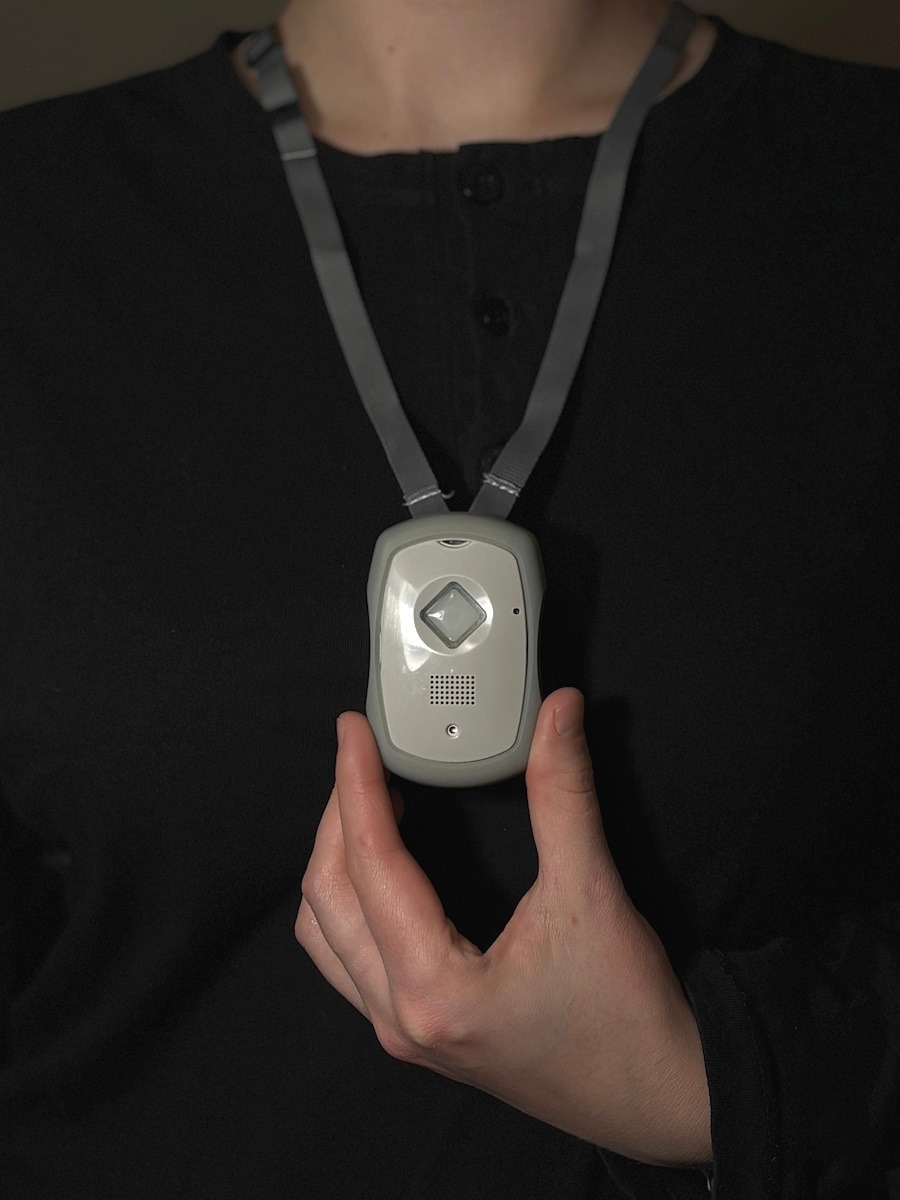 Photo by Life Assure
How Medical Alert Necklaces Actually Work
Pressing a button on the pendant connects the wearer directly to a monitoring center staffed by trained operators available around the clock. The operator communicates through two-way voice built into the device itself, removing the need for a separate phone to be within reach. If the wearer cannot respond, the operator contacts emergency services or a designated family member right away by following a set protocol. This entire chain of events can happen in under a minute, which carries real weight during any serious medical event.
Many modern devices also include automatic fall detection through sensors embedded in the pendant itself. These sensors recognize motion patterns consistent with a fall and trigger an alert without requiring the wearer to press anything manually. Falls are among the leading causes of injury for older adults, according to the Centers for Disease Control and Prevention, which makes passive detection genuinely valuable for daily safety. Removing the need to manually respond during a painful or disorienting moment increases the chance that help arrives when it is most needed.
Key Features to Compare Before Buying
Not every medical alert necklace offers the same set of capabilities, and the differences matter depending on a person's living situation and routine. Comparing features against actual daily habits helps narrow the options to a device that will realistically be worn every single day. A clearer picture of what matters most in practice leads to a more useful and lasting choice overall.
The main features worth evaluating before buying include:
- GPS tracking: Provides real-time location data for responders or family, covering indoor and outdoor situations throughout the day.
- Two-way voice communication: Allows a direct conversation through the pendant without needing a separate phone or other device nearby.
- Automatic fall detection: Sends an alert through motion sensor data when a fall pattern registers, without requiring manual input from the wearer.
- Battery life: Longer charge cycles reduce the risk of coverage gaps from a device that runs out of power unexpectedly.
- Water resistance: Keeps the device working during showers or rain, which are among the more common situations where indoor falls occur.
- Connectivity type: Cellular models work outdoors across a broad area, while landline-dependent systems are limited to a fixed range at home.
Matching these features to an actual lifestyle, rather than simply choosing the most loaded option available, is what makes a device worth wearing day after day.
Who Benefits Most From These Devices
Medical alert necklaces are most commonly used by adults over 65, particularly those who live alone or spend large portions of the day without others nearby. Women are statistically more likely to live alone as they age, which makes personal safety technology especially relevant to their daily routines and general sense of security at home. Paying attention to health and physical well-being as part of everyday life tends to make these devices fit naturally alongside other self-care habits a person already maintains. That said, these devices are not exclusive to older adults or any single group defined by age alone.
People managing chronic conditions such as epilepsy, heart disease, or diabetes benefit from having reliable emergency access available at any point during the day. Those returning home after surgery or a hospital stay are another group for whom consistent monitoring provides concrete reassurance during a physically vulnerable recovery period. The common thread is anyone in a situation where fast, professional help would make a real difference in how an emergency unfolds.

What These Devices Mean for Families
There is a practical side to medical alert necklaces and a quieter emotional one that most product descriptions leave out. Families who live far from an aging parent often carry a steady level of background worry that is genuinely hard to set aside completely during the day. Knowing that a monitoring device is active and connected to a professional response team can reduce that ongoing concern in ways that regular phone calls cannot fully replace on their own. This form of passive reassurance lets family members stay present in their own daily lives without constant background anxiety demanding their attention.
For the wearer, a medical alert necklace also helps protect a sense of personal dignity in a way that relying on family members for help does not always allow. Many older adults hold back from asking for help because they do not want to create stress for the people they care about most. A professional monitoring service connected through the pendant provides access to real support without involving a family member at a difficult or inconvenient moment.
Research compiled through the National Institutes of Health supports the finding that wearable alert technology reduces injury severity and improves response times for older adults in real situations. Faster response consistently connects to better clinical outcomes, particularly in falls or cardiac events that need immediate medical attention. Studies in this area also indicate that wearers tend to seek help earlier, which reduces the chance of complications developing before treatment begins. That pattern of earlier action is one of the strongest practical arguments for using these devices as a proactive measure rather than waiting for a serious incident first.
Choosing a Device That Fits Real Life
Selecting a medical alert necklace works best when it starts with honest questions about how and where a person spends most of their time each week. Someone who stays home the majority of the day needs a different setup than someone who walks, drives, or moves through varied locations regularly. Matching the device to the actual routine is the most reliable path to finding one that gets worn consistently and works when it is genuinely needed.
Asking providers about monitoring center hours, cancellation terms, and whether GPS or fall detection costs extra beyond the base monthly fee is worth doing before any agreement is signed. Personal style plays into functional decisions too, and wearables are no different when it comes to daily comfort and whether something actually gets used. Medical alert pendants have become considerably more refined in recent years, with slimmer profiles and a far less clinical look compared to older designs. A device that does not draw unwanted attention is one a person will wear without hesitation and without needing a daily reminder.
Safety as a Foundation for Independence
Medical alert necklaces are built to support independence, not limit it, and the best devices do that without visibly changing how a person moves through daily life. For women who want to stay active and self-directed as they grow older, these tools offer a reliable safety layer that runs quietly in the background without constant attention or adjustment. The technology has matured to a point where coverage is consistent, response is fast, and the appearance of the device no longer presents a barrier to everyday use. Comparing features and matching a device to a real routine is the step that turns a practical product into something a person will genuinely value and wear every day.











 Connect with Facebook