




How Paolo Bulgari Helped Give BVLGARI Its Roman Soul
Some jewellers are known for their ads, others for their identity.
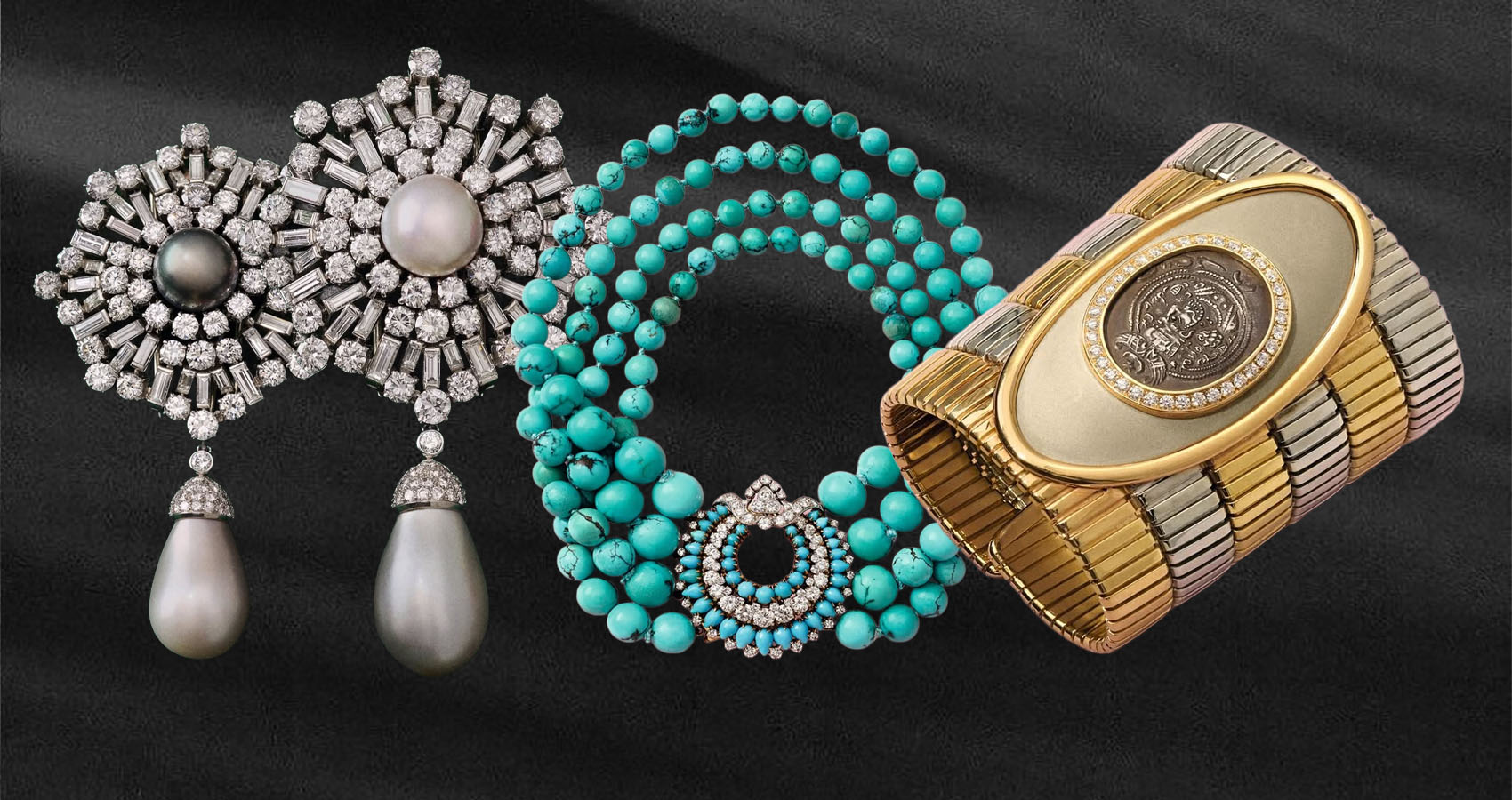
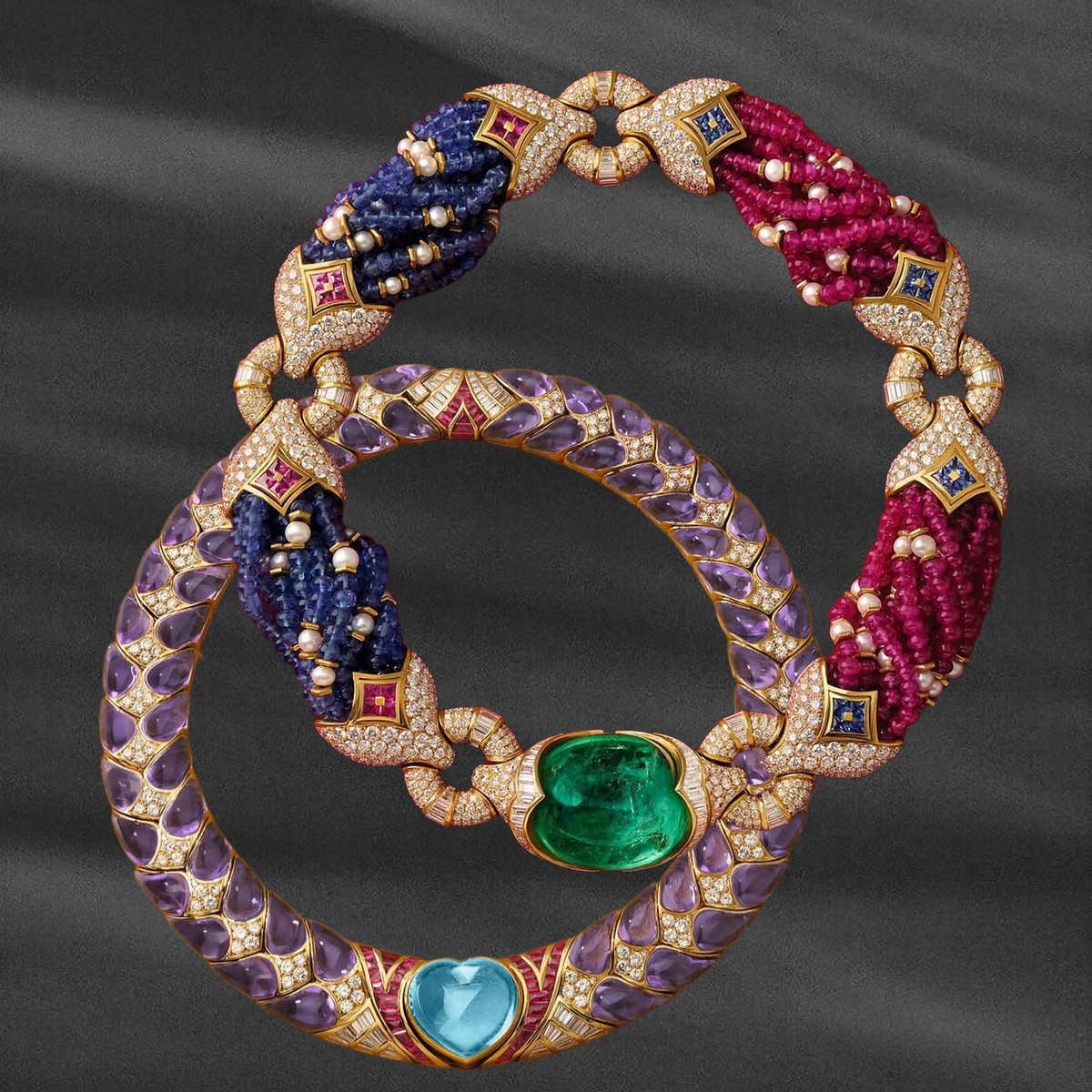
Some jewellery houses are known for their diamonds. Others build their identity around a particular silhouette or a signature stone. BVLGARI has always had a little more personality than that. Its love of saturated colour, oversized gemstones and unmistakably Roman design helped it stand apart in a world that often treats restraint as the ultimate expression of luxury.
Much of that identity was shaped by Paolo Bulgari, the longtime chairman of the family jewellery house, who has died in Rome at the age of 89.
A family legacy, reimagined
images via:@bvlgari
Born in Rome in 1937, Bulgari was the grandson of Sotirio Bulgari, who founded the jewellery business in 1884. He joined the family company in 1960, working alongside his father and developing an exceptional knowledge of precious stones.
He became chairman in 1984, working with his brother Nicola and nephew Francesco Trapani during a period of significant expansion. The business grew beyond its jewellery roots into watches, fragrances, leather goods and accessories, establishing BVLGARI as an international luxury name.
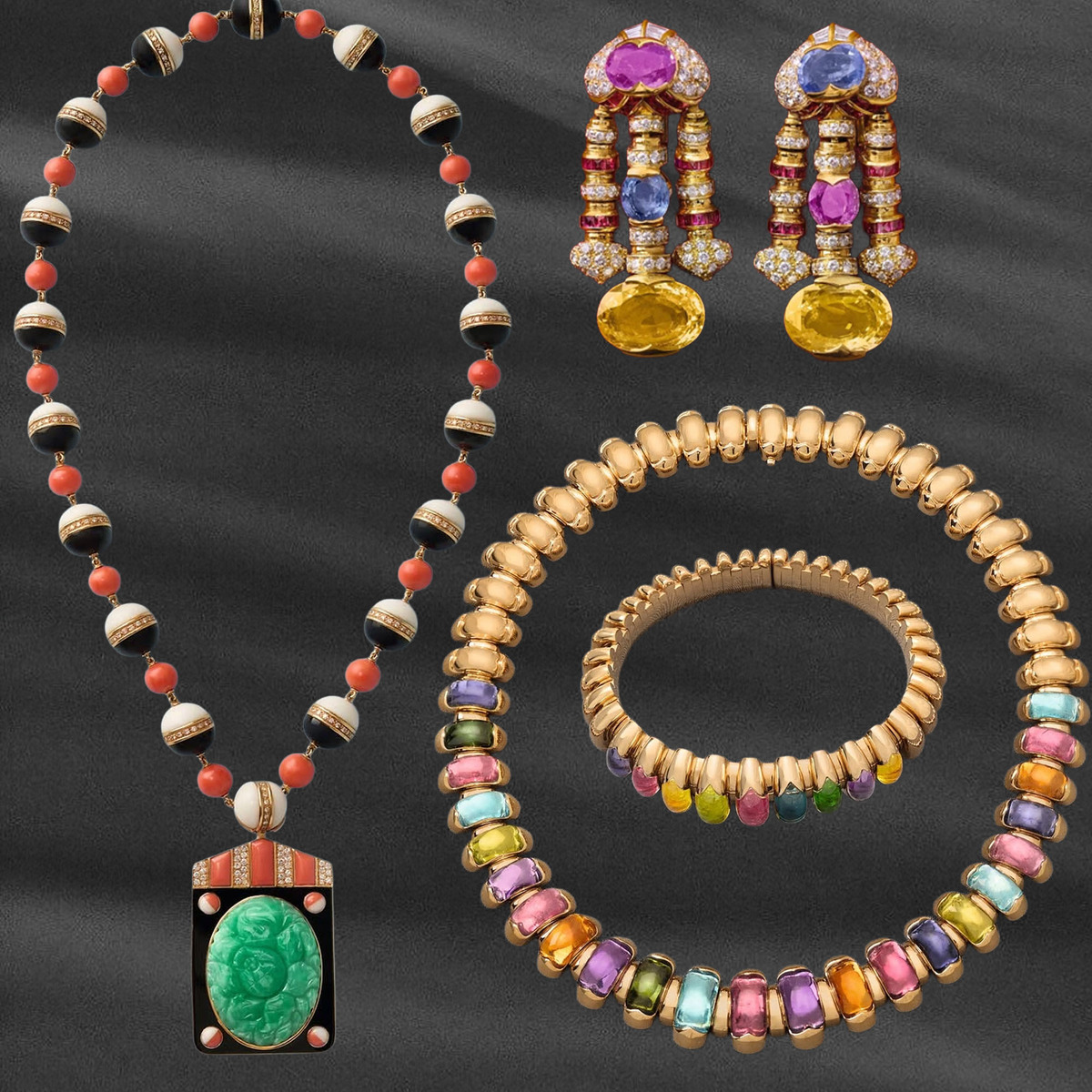
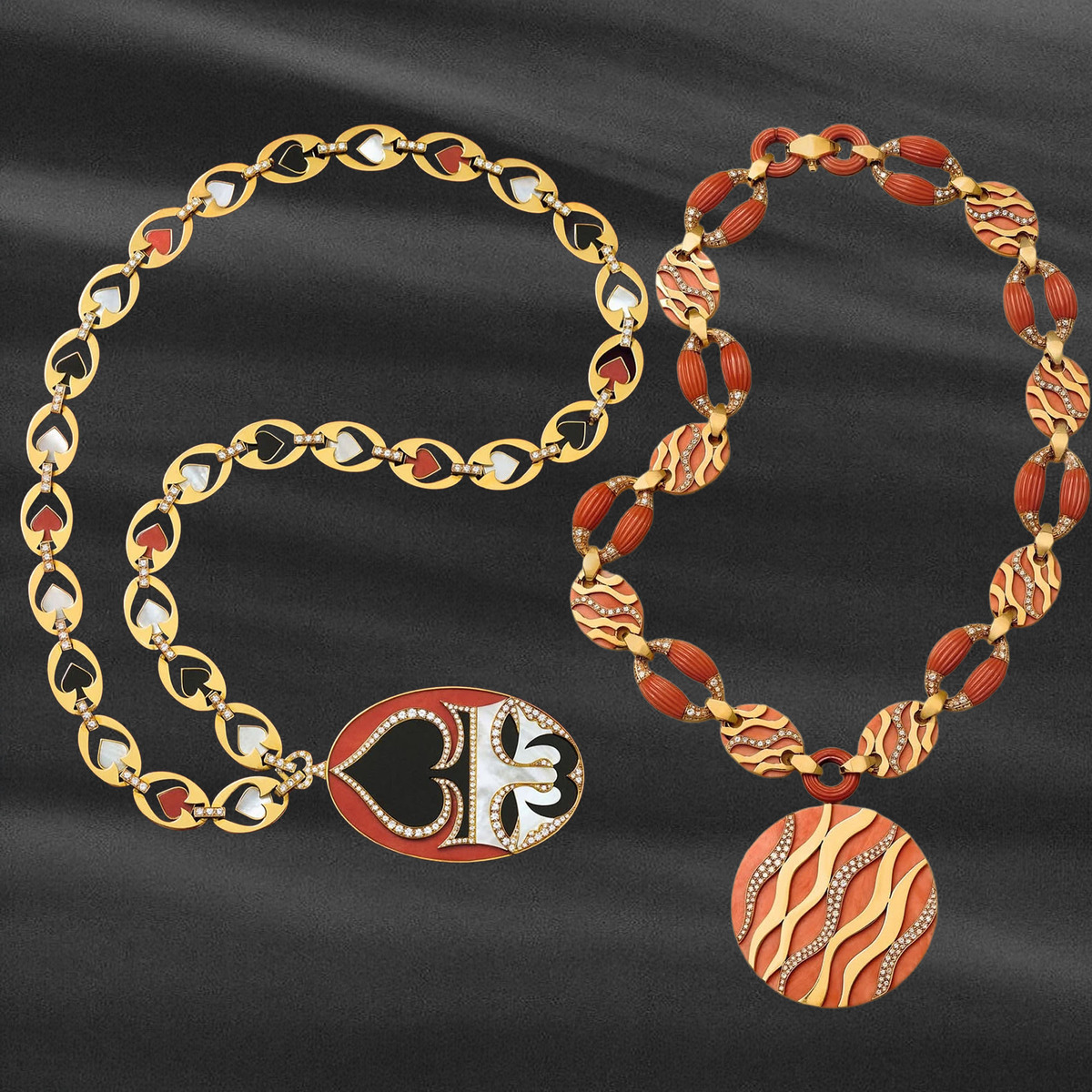
But its appeal was never simply about becoming bigger. The house developed a recognisable visual language, drawing on ancient Roman and Greek references while embracing colourful stones and expressive designs. It was jewellery with presence, rather than something designed to disappear into an outfit.
Jewellery with a Hollywood following
images via:@bvlgari
That approach found an audience among some of the most recognisable names in film and fashion. Elizabeth Taylor became particularly associated with Bulgari jewellery, while Sophia Loren and Audrey Hepburn were also among the celebrated women who wore the house's creations.
Yet Bulgari's relationship with the business apparently remained remarkably hands-on. Colleagues recalled him occasionally serving customers at the historic Via Condotti boutique in Rome, sometimes introducing himself simply as a salesman. He continued sketching jewellery designs late into his life, too.
In 2011, the Bulgari family sold control of the company to LVMH in a deal worth approximately $5 billion. The decision marked the end of more than a century of family control, but Paolo remained closely connected to the house and its creative identity.
A legacy beyond luxury
images via:@bvlgari
His interests also extended beyond jewellery. In 2019, he founded the Paolo Bulgari Foundation with his wife, supporting education and opportunities for young people in disadvantaged communities in Rome.
His death marks the passing of a significant figure in Italian jewellery, but the design language he helped establish remains woven into BVLGARI's identity. The bold stones, Roman references and unapologetic use of colour are still there.
Luxury houses often speak about heritage. Paolo Bulgari helped build one that people can recognise without needing to read the name.








 Connect with Facebook