




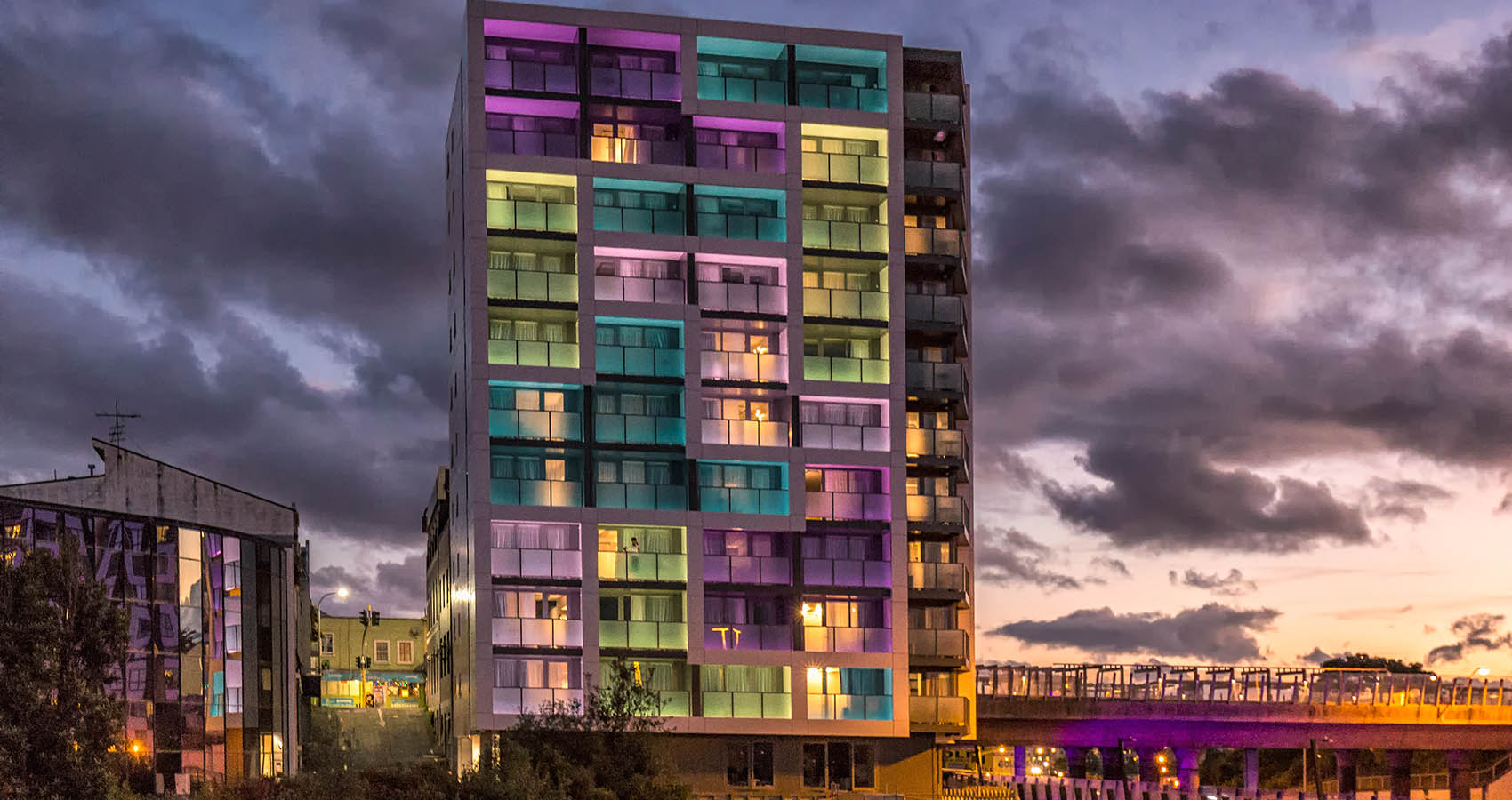
How Mixed-Use Residences Bring Work, Leisure, And Home Together
How connected living can make busy city life easier.
Mixed-use residences respond to a simple urban strain: people lose time when every need requires a separate trip. Housing placed near offices, transport, shops, gardens, and daily services can make routine life feel steadier. Work remains close, leisure becomes easier to reach, and private space keeps its role. This approach suits dense districts where minutes, comfort, household planning, and long-term value all matter.
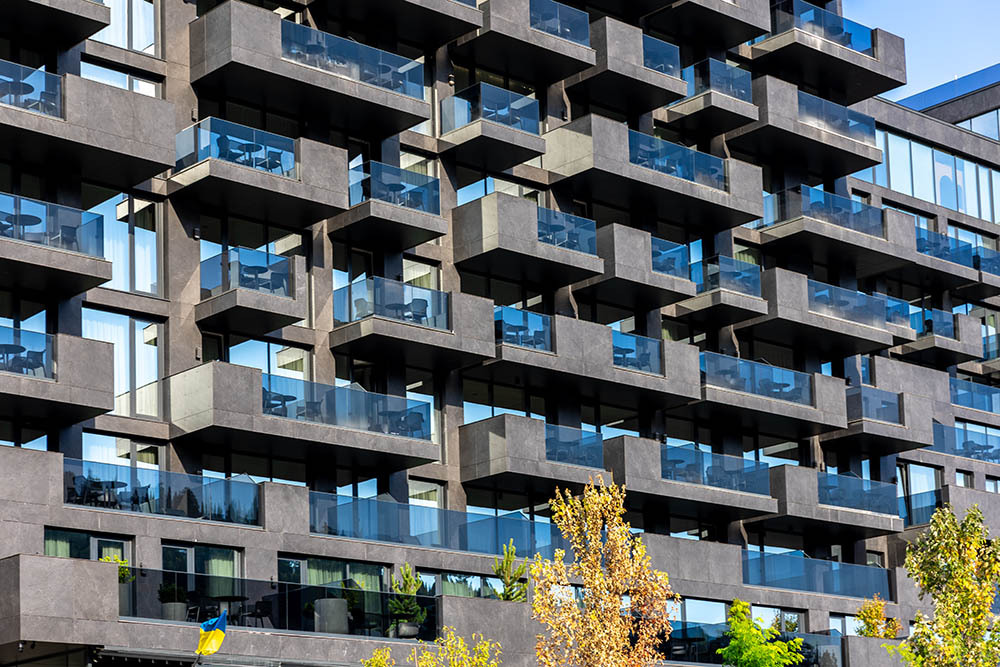
Connected Living
In Singapore’s Marina Bay, Marina One Residences sits within a larger mixed-use district shaped by housing, offices, retail, transit, and planted public areas. Close access to Marina Bay station, food options, and essential services can reduce fragmented travel while keeping professional, social, and domestic routines within a compact radius.
Daily Time Savings
Time savings often come from small, repeated gains. A resident may collect groceries, meet a colleague, exercise, or reach rail links without crossing several districts. Those minutes matter after a long workday. Shorter errands can protect sleep, reduce decision fatigue, and leave more room for meals, childcare, recovery, or quiet household tasks.
Work Near Home
A shorter commute changes the body of the day. Less travel can mean lower morning stress, steadier arrival times, and fewer rushed evenings. Workers also gain practical options during breaks, including meals, movement, or a short walk outdoors. When offices and homes sit close, the day can hold more usable pauses.
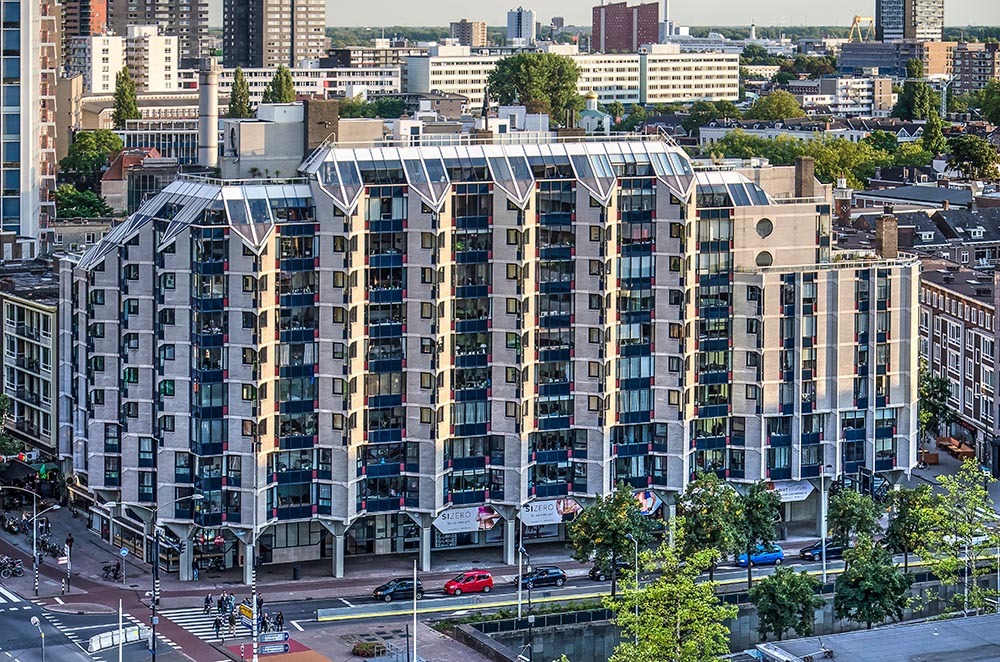
Leisure Within Reach
Leisure depends on access, energy, and timing. Mixed-use residences can place restaurants, pools, fitness rooms, gardens, and informal meeting areas near home. That proximity helps recreation happen before it becomes another task. A swim, dinner, or walk can fit between work and rest, which supports healthier daily rhythms.
Privacy Is Crucial
Convenience must never erase privacy. A well-planned mixed-use project separates residential arrival points from public foot traffic. Security, lift zoning, acoustic control, and lobby placement protect calm areas. Facilities also need thoughtful siting, so residents can relax without feeling observed. The strongest projects treat the home as a refuge, even inside an active district.
Greener City Habits
Integrated districts can make lower-car living more realistic. Rail links, bus routes, food outlets, clinics, offices, and shops support walking as a first option. Trees, shaded paths, and planted courtyards reduce heat exposure and make movement more comfortable. Sustainable choices become easier when the setting supports them during ordinary routines.
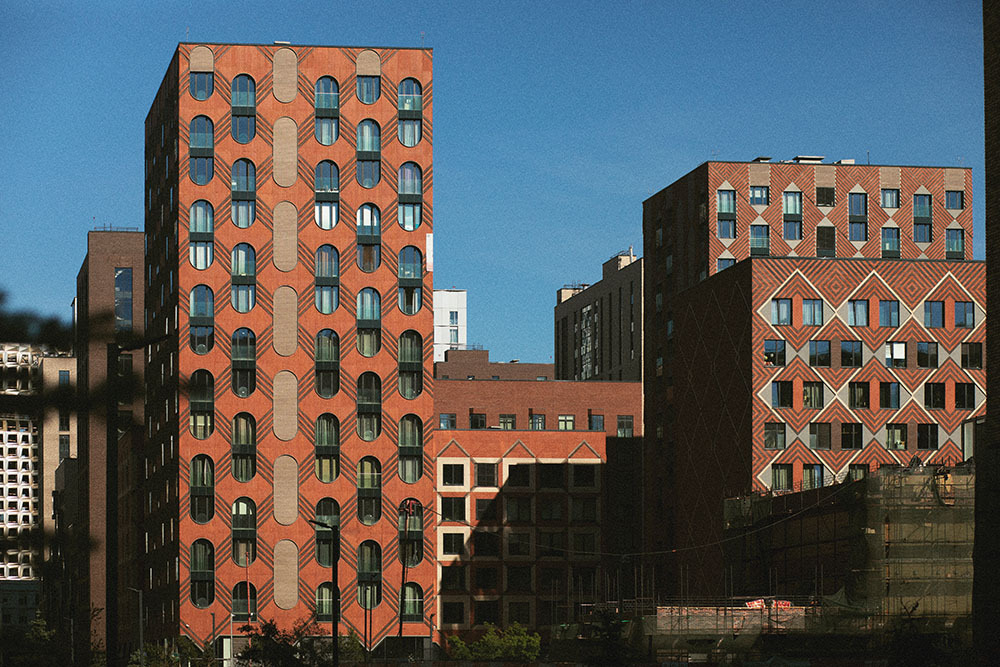
Family Use
Mixed-use living can serve more than office workers. Families often benefit when clinics, enrichment centres, dining, and transit sit nearby. Caregivers may manage school runs, appointments, meals, and errands with fewer gaps between obligations. Older relatives may also value sheltered routes, lift access, and services that do not require long travel.
Investment Logic
Buyers usually assess mixed-use residences through both lifestyle and rental demand. Tenants may prefer homes near employment centres, rail stations, food, retail, and recreation. These traits can support consistent interest in central districts. Even so, purchase decisions should weigh price, tenure, fees, floor plan, building age, and wider market conditions.
Design Balance
Good mixed-use planning depends on circulation. Office users, shoppers, guests, and residents need clear routes that avoid competing with quiet areas. Separate lobbies, legible wayfinding, and controlled residential zones help preserve order. Street-level activity can stay lively while upper floors remain composed, secure, and appropriate for daily living.

Everyday Choice
The central value is choice. A resident can work nearby, stay in, walk to dinner, exercise, meet others, or reach transit without having to arrange a long journey. Plans can change without disrupting the rest of the evening. That flexibility gives urban households more control over time, energy, and personal routines.
Conclusion
Mixed-use residences bring work, leisure, and home together through proximity, planning, and practical access. Their strength lies in saved time, calmer routines, and a better fit between city activity and private life. When transport, greenery, services, security, and residential comfort are balanced, this model can support professionals, families, tenants, and buyers seeking an efficient central address.











 Connect with Facebook