




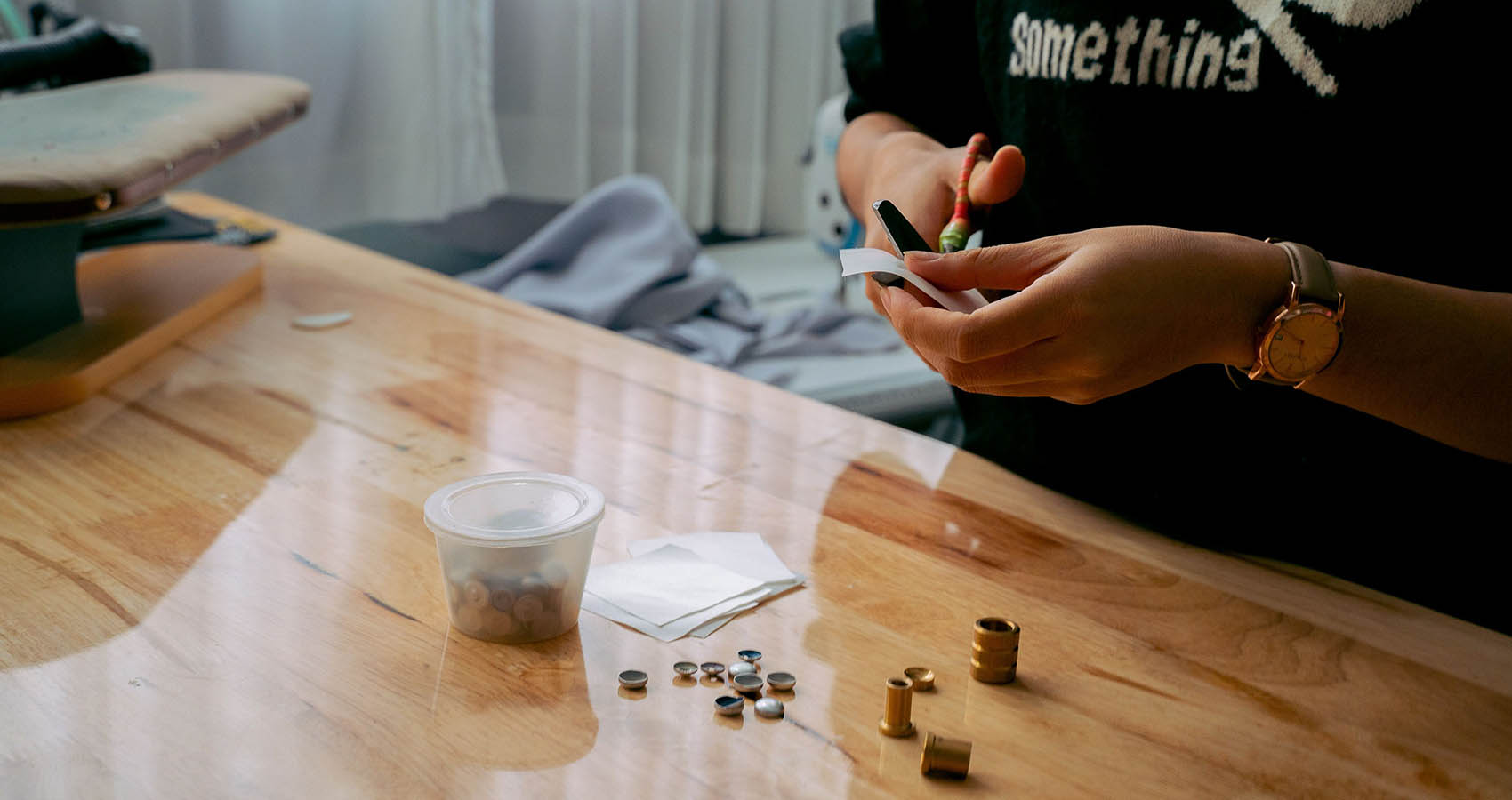
How To Choose The Right Metal Grommets For Your Next Project
Choose the right grommets for a secure, durable finish.
Choosing the right metal grommets affects how a project handles tension, movement, and repeated use. Each grommet must match the material, hole size, fastening method, and desired finish. A poor match can enlarge the opening, damage the fabric, or create an uneven result. The selection process should begin with the project’s working conditions rather than appearance alone. The following checks provide a practical way to compare grommets before installation and avoid preventable mistakes.
Before selecting hardware, identify whether the opening belongs in clothing, drapery, a tarp, a flag, or another fabric item. Consider the fabric weight, hole diameter, washer fit, installation method, and expected handling conditions. A practical starting point is comparing available metal grommets with suitable washers and installation tools before choosing hardware for the project. Each of these factors plays a role in the final result, starting with how well the grommet fits the material.
Match the Grommet to the Material
Fabric thickness determines how securely a grommet sits after installation. Lightweight fabric needs support around the hole, while heavy canvas or layered material requires hardware with enough depth to pass through every layer.
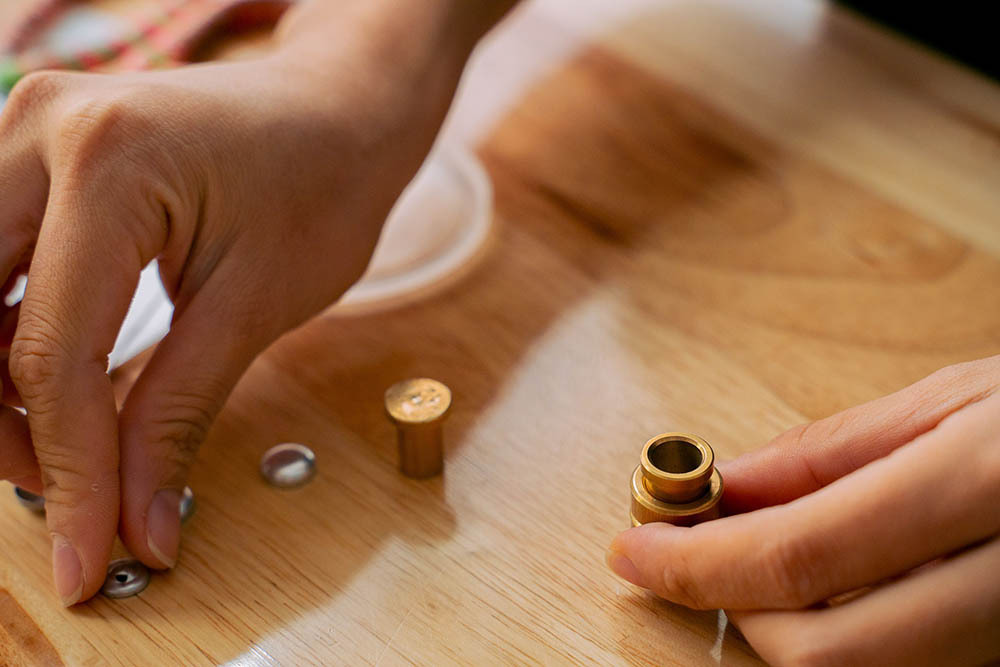
A standard two-piece grommet includes a front ring and a washer. The pieces press together through the prepared hole, creating a reinforced opening for laces, cords, hooks, or other fasteners.
Extra-long neck grommets suit thicker materials because the longer barrel passes through multiple layers. A short neck can fail to reach the washer when the material stack is too thick.
Material behavior also affects the result. Soft fabric compresses during installation, while stiff vinyl or coated canvas resists compression. Product testing on scrap material shows whether the ring sits flat without crushing or splitting the fabric.
Confirm the Opening Size
The opening must accommodate the intended cord, lace, hook, or attachment point. A small eyelet suits narrow laces, while curtain or tarp applications often need a larger opening for rods, hooks, or rope.
Measure the finished opening instead of relying only on the outside diameter. The outer rim determines coverage around the hole, while the inner opening determines how the fastening component passes through.
Some products use size numbers, while others list measurements in fractions of an inch. Record the inside diameter, outside diameter, and neck length before ordering replacement hardware or adding grommets to an existing project.
Spacing also matters in curtains, banners, and tarps. Evenly spaced holes distribute tension and reduce stress on individual grommets. Mark every position with a ruler or template before cutting the fabric.
Select the Backing Style
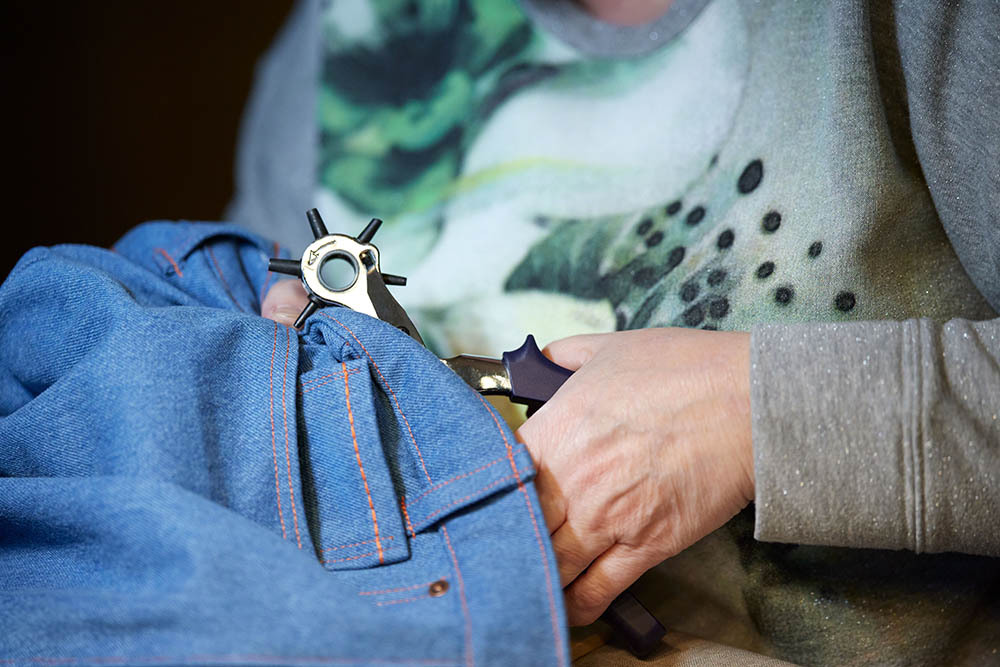
Washers distribute pressure behind the grommet. They protect the fabric from direct force and create a more secure connection between the front and back pieces.
Standard washers suit many clothing and craft projects. Spur washers have teeth that grip the surrounding material, which helps hold the hardware in place during repeated movement.
Mesh grommets and rolled rim grommets address different construction needs. The rim profile affects the finished appearance, while the backing style determines how the hardware grips the material.
One-piece self-backing eyelets use a simpler construction because the back forms part of the eyelet. They suit smaller openings and projects where a separate washer is unnecessary. The installation method must match the hardware, since a tool for two-piece grommets does not suit every eyelet.
Consider Appearance and Placement
Function comes first, but the visible finish still affects the project. Plain metal suits utilitarian items, while colored, clear, or decorative hardware fits projects where the grommets remain visible.
Rhinestone grommets and fun-color grommets add decoration to garments, bags, costumes, or craft pieces. Clear plastic grommets create a less noticeable finish when metal would distract from the fabric.
Curtain grommets require separate consideration because their larger size supports rods and repeated sliding. Plastic curtain grommets, jumbo curtain grommets, and decorative covers create different visual results and handling characteristics.
Choose a finish that matches the fabric and surrounding hardware. Decorative rings on a rugged tarp can look misplaced, while plain hardware on a visible garment can appear unfinished.
Plan the Installation
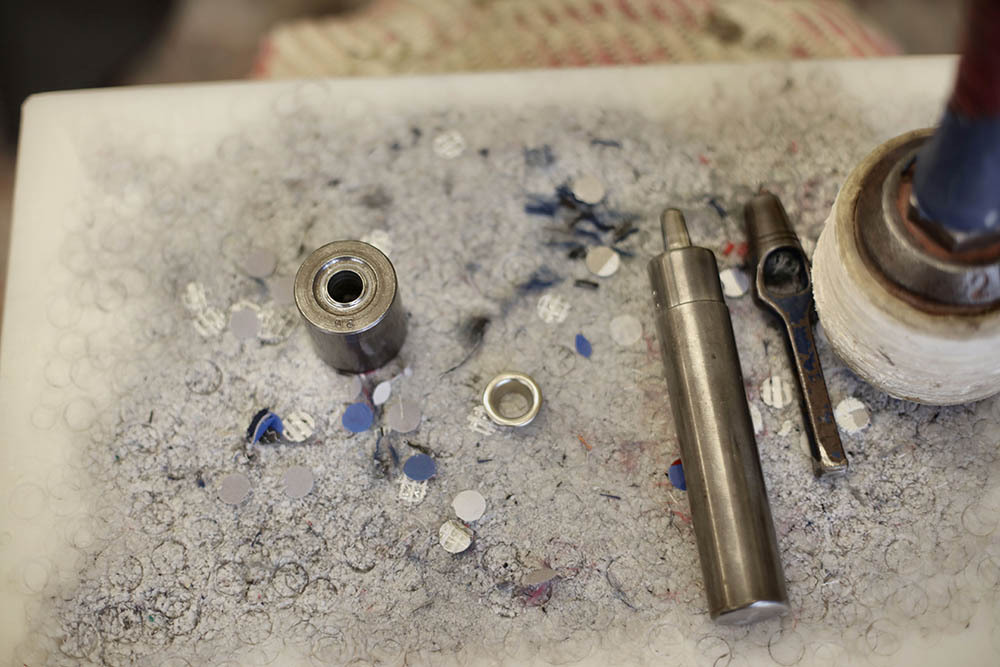
Installation quality depends on accurate marking, clean holes, and the correct setting tool. The hole should fit the barrel without leaving excessive space around it.
Reinforce weak fabric with an interfacing layer, patch, or additional fabric where the project design allows. This support keeps the material from stretching away from the grommet under tension.
Set the grommet on a firm, stable surface and apply even pressure. Excessive force can flatten the rim, damage the washer, or distort the fabric. A test installation confirms the correct tool, pressure, and alignment before cutting the final piece.
Inspect the finished ring from both sides. The front should sit flat, and the back should connect evenly without sharp edges, gaps, or loose movement.
Conclusion
The right grommet matches the material thickness, opening size, washer style, installation tool, and finished appearance. Start by measuring the fabric layers and required opening, then test one complete hardware set on scrap material. Inspect both sides before continuing with the project. For curtains, tarps, and other high-stress items, review spacing and reinforcement before cutting every hole. That preparation prevents costly repairs and produces a cleaner, longer-lasting result.











 Connect with Facebook