





LVMH Letting Go of Marc Jacobs Feels Like the End of a Very Specific Fashion Era
Marc Jacobs has always sat slightly awkwardly inside LVMH
Too American. Too culturally messy. Too personality-driven to ever behave like one of the conglomerate’s ultra-controlled European luxury machines. And honestly, that tension was part of the magic.
Now LVMH is officially selling the brand to WHP Global in a deal reportedly valued around $850 million to $1 billion, ending nearly three decades of ownership. The new structure will place Marc Jacobs under a joint venture between WHP Global and G-III Apparel Group, with Marc Jacobs himself staying on as creative director.
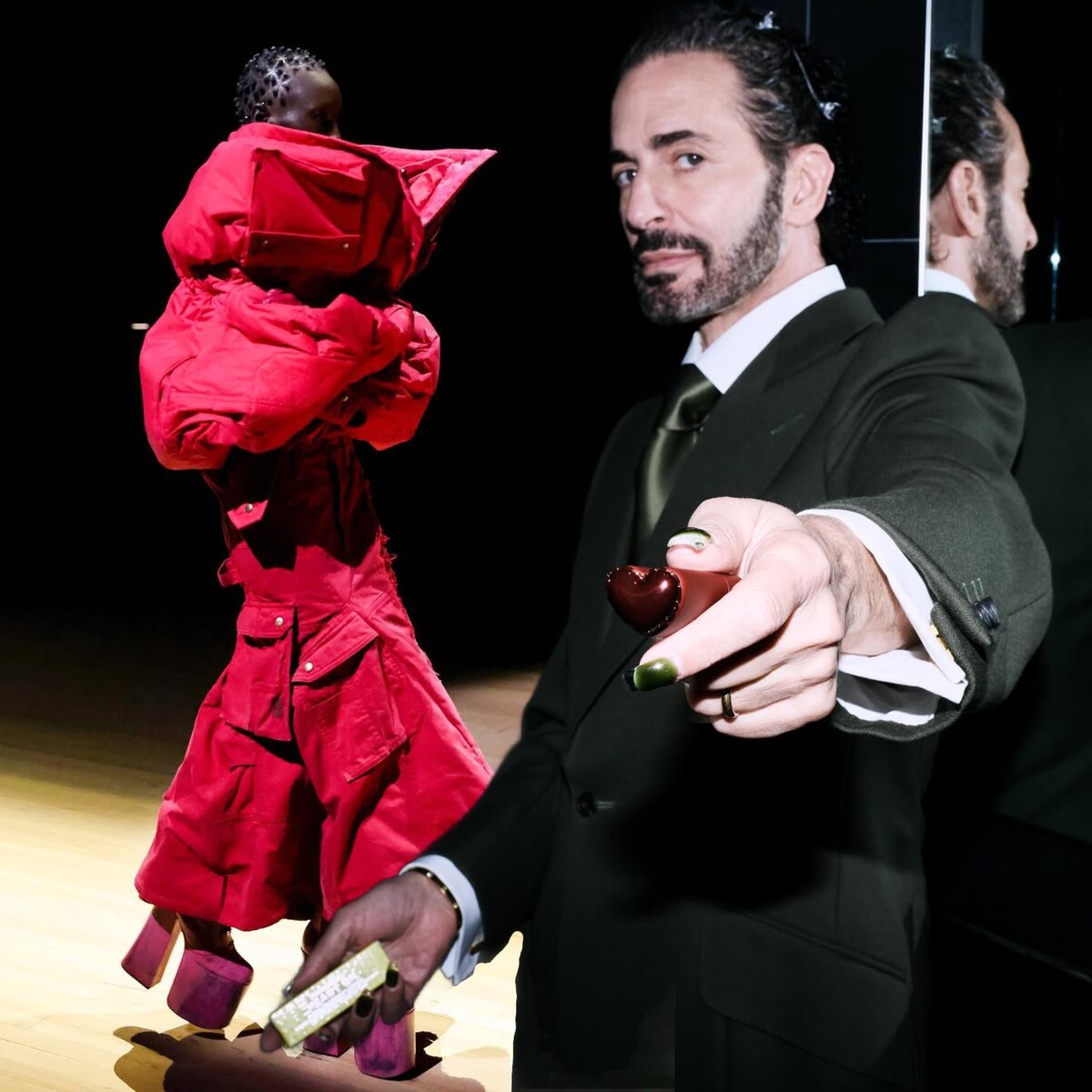
Which means the designer isn’t disappearing. But the symbolism of the sale still feels huge.
This Isn’t Just a Business Deal, It’s a Luxury Industry Mood Shift
LVMH doesn’t usually sell brands unless something deeper is changing.
Over the last couple years, the group has been quietly trimming parts of its portfolio that no longer fit the modern “mega-brand” strategy. Marc Jacobs remained influential culturally, but commercially it lived in an awkward middle space: not mass-market, not ultra-luxury, not growing at Dior or Loewe levels either.

And that middle ground is becoming harder to sustain.
Luxury right now is splitting into extremes. Either gigantic global houses with near-unlimited scale or heavily licensed brands built around cultural recognition and flexible distribution. Marc Jacobs lands somewhere between both worlds, which is exactly why companies like WHP Global became interested.
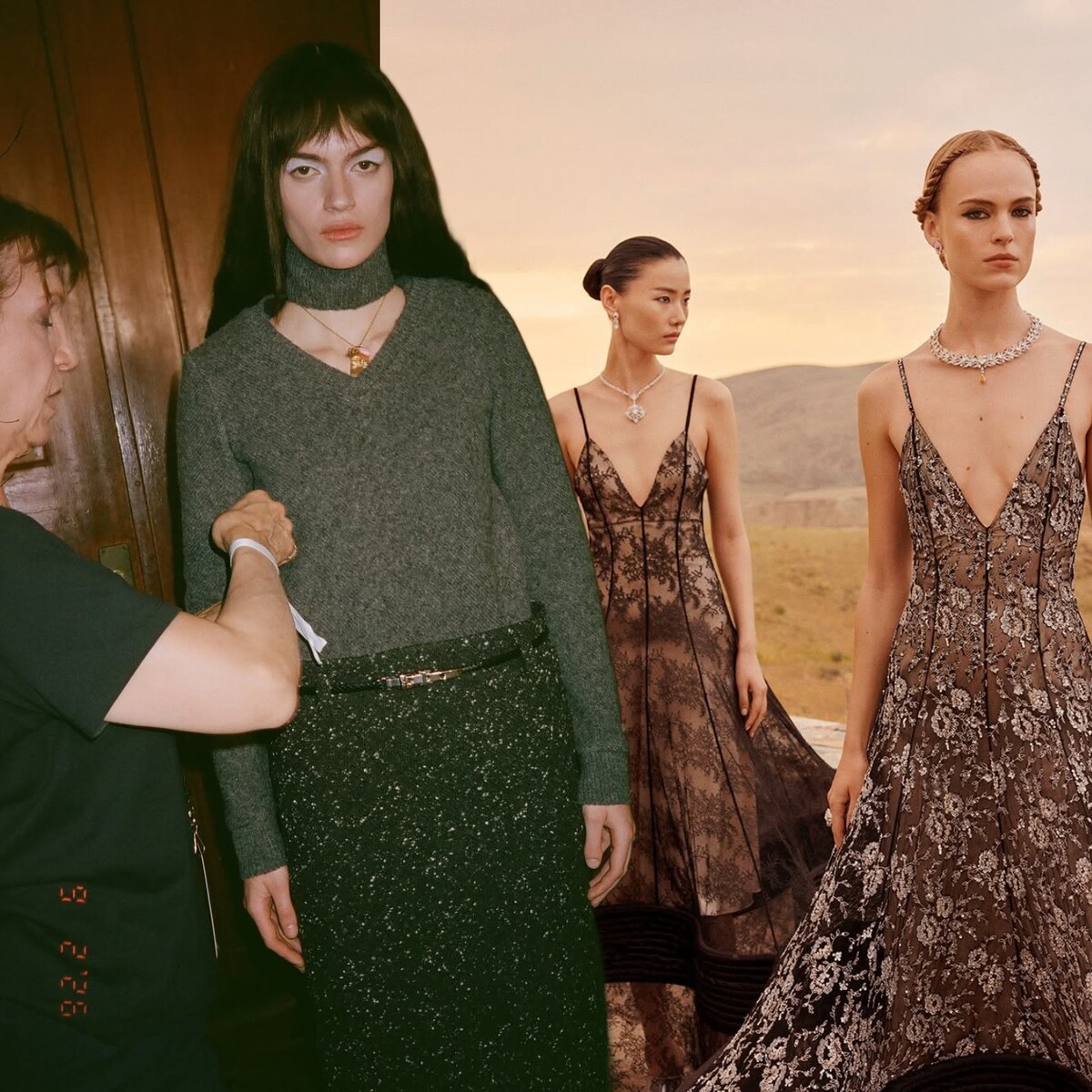
WHP’s entire model revolves around taking recognizable names and expanding them through licensing, partnerships, accessories, fragrance, retail ecosystems, all the machinery that turns cultural cachet into long-term commercial reach.
Marc Jacobs Somehow Became Both Underrated and Overexposed at the Same Time
That’s the weird thing about the brand’s position in fashion.
The runway collections still carry real industry respect. Marc Jacobs as a designer still has enormous influence. But commercially, the label also became associated with tote bags, fragrances, diffusion lines, internet virality, and a very specific accessible-luxury ecosystem.
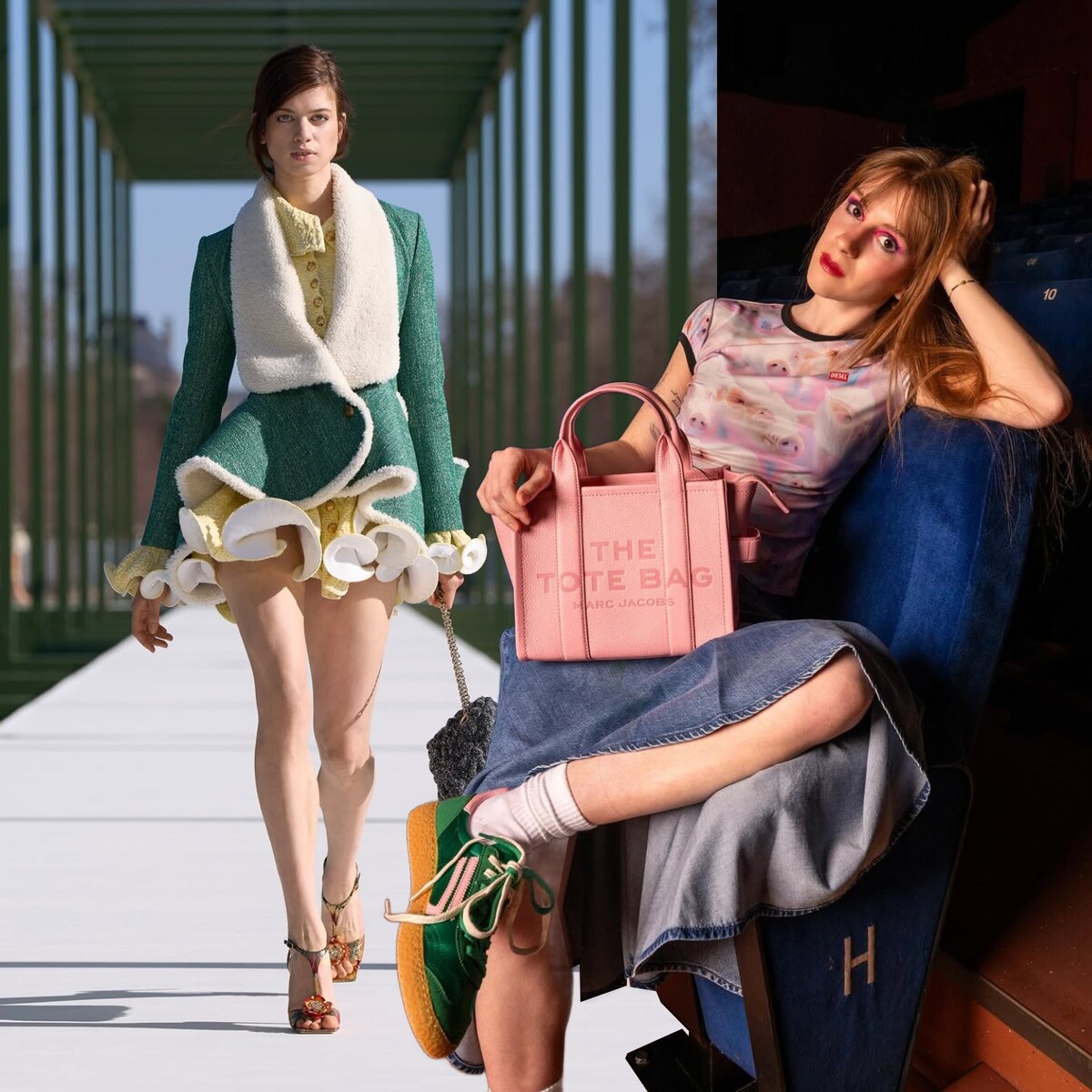
Which isn’t necessarily bad. It just means the brand stopped fitting neatly inside the image LVMH wants for its highest-priority houses.
And honestly? There’s a strange poetry to Marc Jacobs ending up outside the system he helped shape.
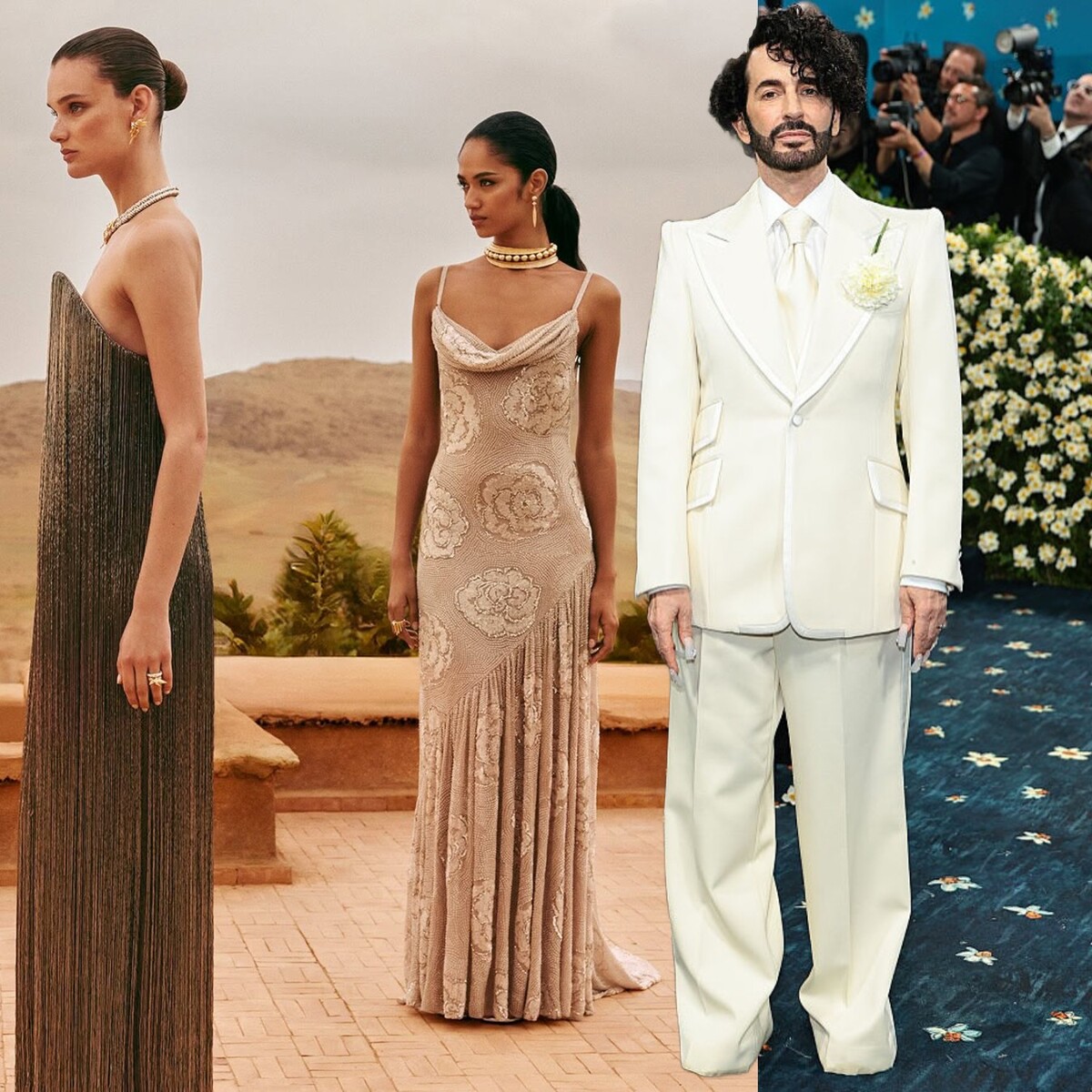
Because for all his history with luxury fashion,
he was never really about perfection.
He was about mood swings, contradictions, weirdness, culture, downtown energy, glamour collapsing into chaos and somehow still looking beautiful afterward.









 Connect with Facebook