




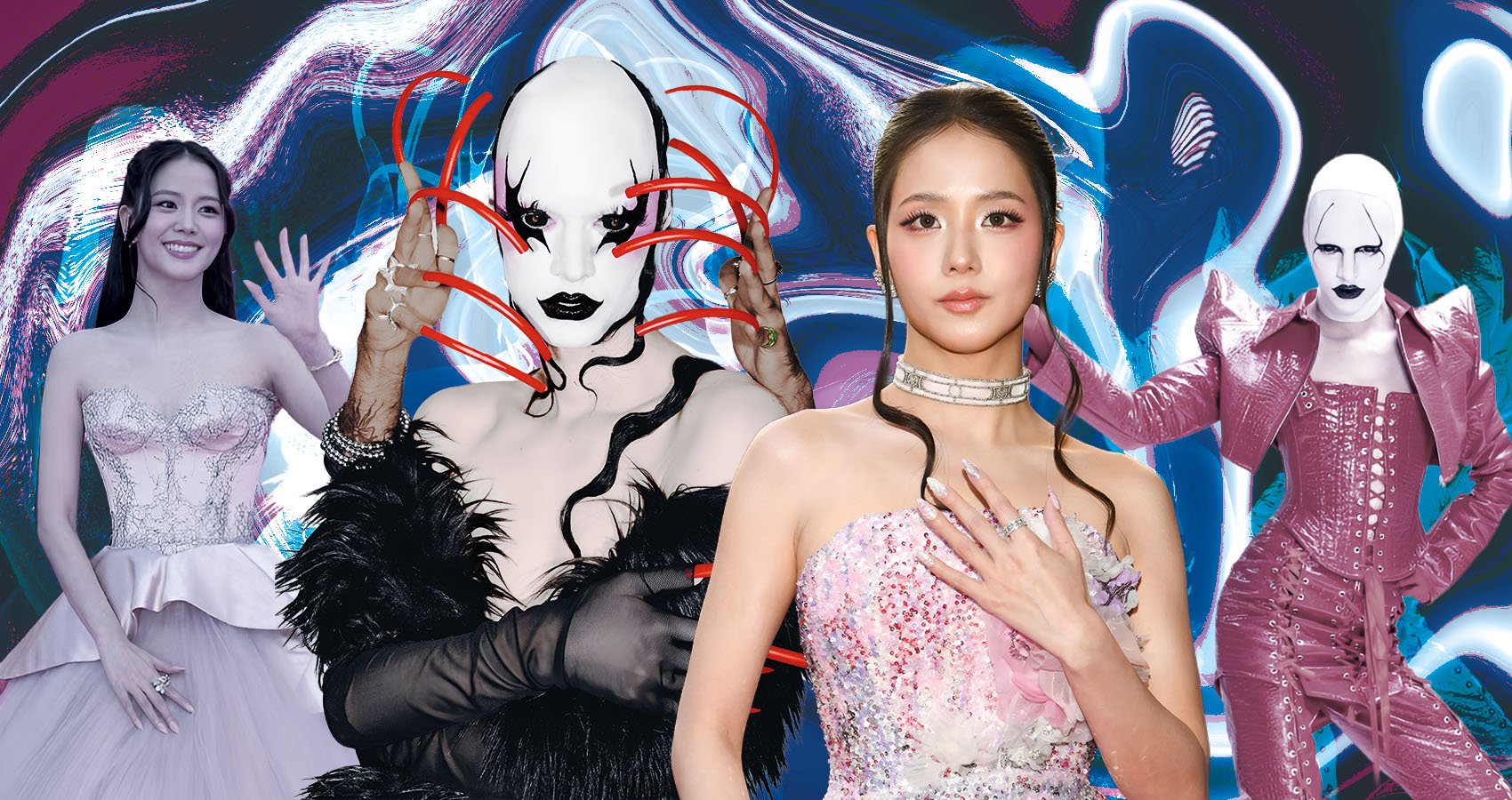
A Missing Outfit, Six Months Of Silence, And Suddenly The Entire Internet Gets Involved
Fashion loans go missing more often than people think.
This time, the name attached was Jisoo, which meant the situation exploded almost instantly.
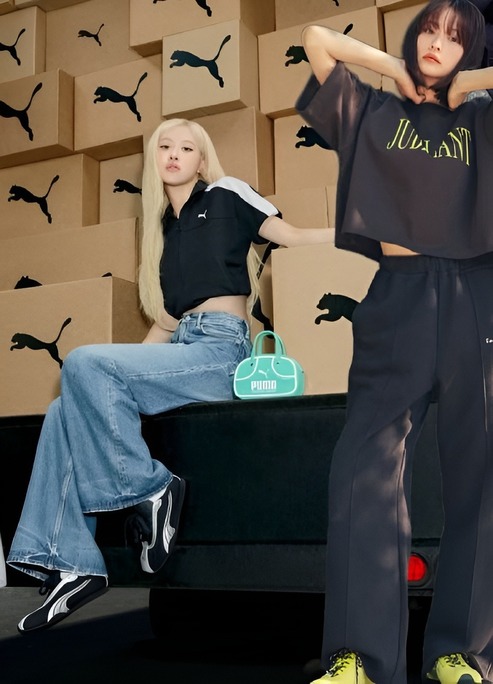
Belgian designer Benjamin Voortmans, founder of Judassime, publicly claimed that pieces sent to South Korea for one of Jisoo’s shoots hadn’t been returned for roughly six months despite repeated follow-ups. According to him, the garments weren’t random samples either, they were important archive pieces from a previous collection with real value attached to them.
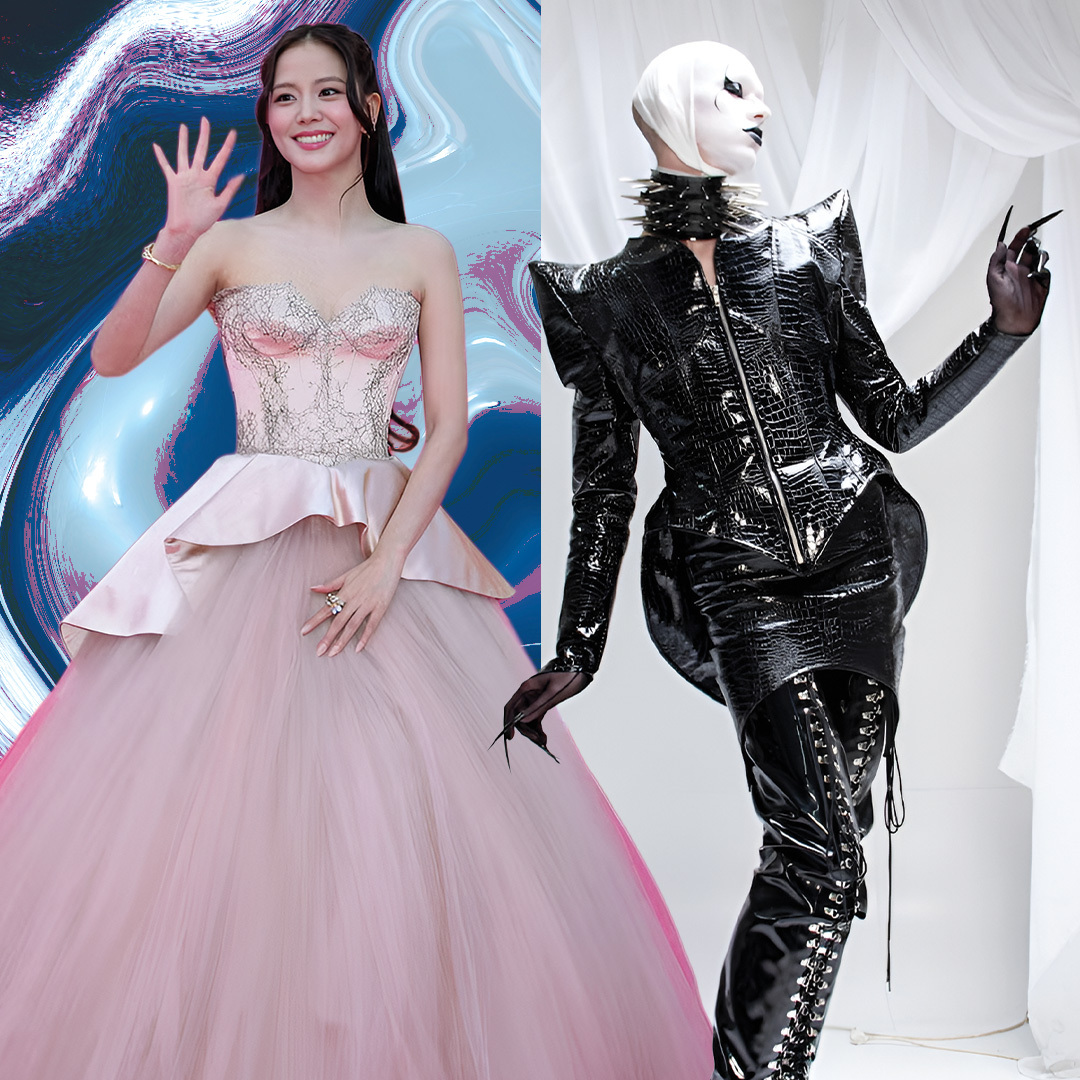
The Internet Turned a Logistics Problem Into a Fandom War in About Five Minutes
What started as a designer venting frustration quickly spiraled into something much bigger because that’s what happens when K-pop fandom enters the equation.
Voortmans tagged Jisoo publicly to get attention from her team, later clarifying multiple times that he wasn’t personally attacking her. He said the issue was communication and lack of response from management around the project, not the artist herself.
But once fans got involved, nuance basically evaporated.
Some people defended Jisoo immediately. Others started debating industry ethics, stylist culture, celebrity borrowing practices, and how smaller designers often get steamrolled in the process. And honestly, underneath all the noise, there is a real conversation there.
Because independent designers don’t have endless inventory. Losing pieces for months can genuinely hurt a small label in a way luxury houses barely feel.
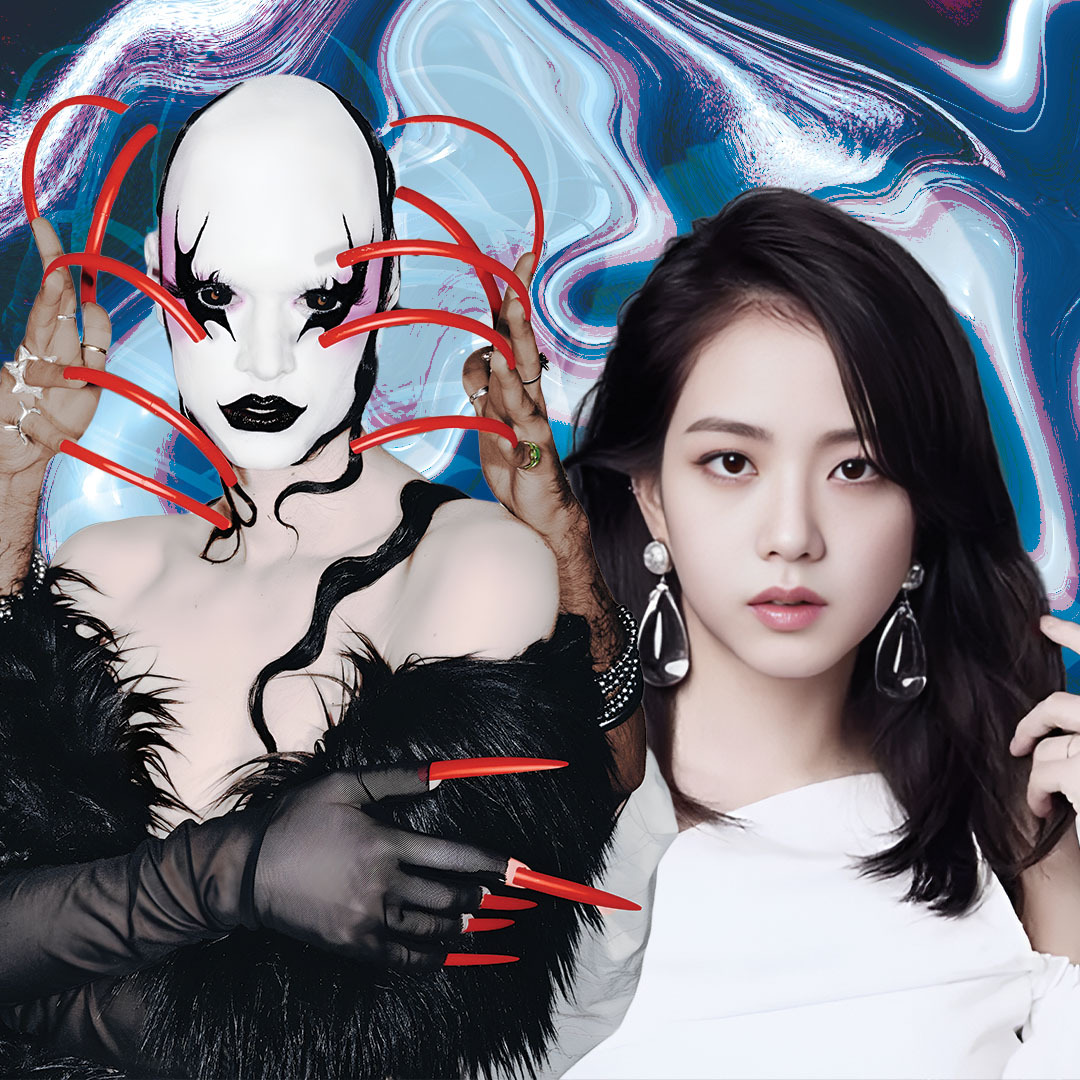
The Weird Power Dynamic Behind Celebrity Fashion
This whole thing accidentally exposed something fashion rarely likes talking about openly.
Celebrity dressing runs on borrowed clothing. Stylists pull pieces constantly, brands lend them out, schedules shift, teams change hands, and somewhere in the middle smaller designers are expected to just trust the process.
Most of the time it works. Sometimes it doesn’t.
And when it doesn’t, the imbalance becomes very obvious very fast. One side has global fame and giant management systems. The other has a few garments they probably spent months making by hand.
Since the backlash grew, the designer has said the situation is now being resolved and someone will retrieve the items directly from Korea.
Still, the whole thing left a weird aftertaste.
Not because of the clothes themselves.
Because of how invisible smaller creatives can become once celebrity machinery enters the room.









 Connect with Facebook