





How To Tell If Your Gold Filled Earrings Are Actually Worth It
Is the extra cost of gold filled jewelry actually worth it?
Is gold filled jewelry actually worth paying more for than gold plated jewelry? The answer comes down to how each piece is made, how much gold it contains, and how well it is expected to hold up with regular wear. While both can have a similar appearance when new, the construction and durability can be quite different.
Understanding what "gold filled" actually means, how it compares with gold plating, and what to look for before buying makes it much easier to decide whether the higher price is justified.
What "Gold Filled" Actually Means, Legally
This isn't just marketing language; it's a federally defined term with real requirements behind it. According to the Federal Trade Commission's Consumer Advice guidance, "gold filled," "gold overlay," and "rolled gold plate" describe jewelry with a layer of at least 10 karat gold mechanically applied to a base metal, and if the gold layer weighs less than 1/20th of the total item's weight, that fraction must be disclosed on the marking.
That legal definition matters enormously, because it means a genuine gold filled piece has a substantial, regulated amount of real gold bonded to it, not just a decorative dusting. Knowing this standard exists is the first real tool you have for telling legitimate gold filled jewelry apart from something mislabeled or exaggerated.

Gold Filled vs. Gold Plated: The Difference That Actually Matters
The core difference comes down to how much gold is actually there and how it's applied.
- Gold plated uses a thin layer of gold electroplated onto a base metal, often just a fraction of a micron thick, which wears away with regular use
- Gold filled mechanically bonds a much thicker layer of real gold to a base metal core, thick enough that it resists flaking and fading in a way plating simply can't
- Solid gold is gold all the way through, the most durable and valuable option, but also the most expensive by a significant margin
Gold filled sits in a genuinely useful middle ground, offering the look, feel, and longevity closer to solid gold, at a price point that's actually accessible for everyday jewelry.
The Physical Signs Worth Checking
Beyond the label itself, a few practical checks can tell you a lot about whether a piece is genuinely well-made gold filled jewelry.
- Look for the proper stamp — legitimate pieces should be marked with the karat quality and the correct term, like "14K GF" or "1/20 14K gold overlay," not just a vague "gold" claim
- Check the weight — gold filled jewelry tends to feel slightly heavier and more substantial than cheap gold-tone pieces, since there's genuinely more metal bonded into it
- Examine the color consistency — a well-made gold filled piece should have even, consistent color throughout, without visible seams or patches where a thinner coating might be
- Ask about the base metal — brass is the standard, high-quality base for gold filled jewelry, and knowing what's underneath the gold layer tells you a lot about how the piece will hold up over time
Taken together, these details make it much easier to separate genuinely well-made gold filled jewelry from pieces that simply have a gold-colored appearance. A little attention to the stamp, weight, finish, and base metal before buying can help ensure you're getting the durability and quality you expect.
Why the Price Difference Is Usually Justified
This is really the middle of what makes gold filled worth the higher price tag compared to plated alternatives. A gold plated piece might cost a fraction of the price, but it also tends to show wear, fading, and skin discoloration within months of regular use, especially around areas that touch skin or moisture directly, like earring posts.
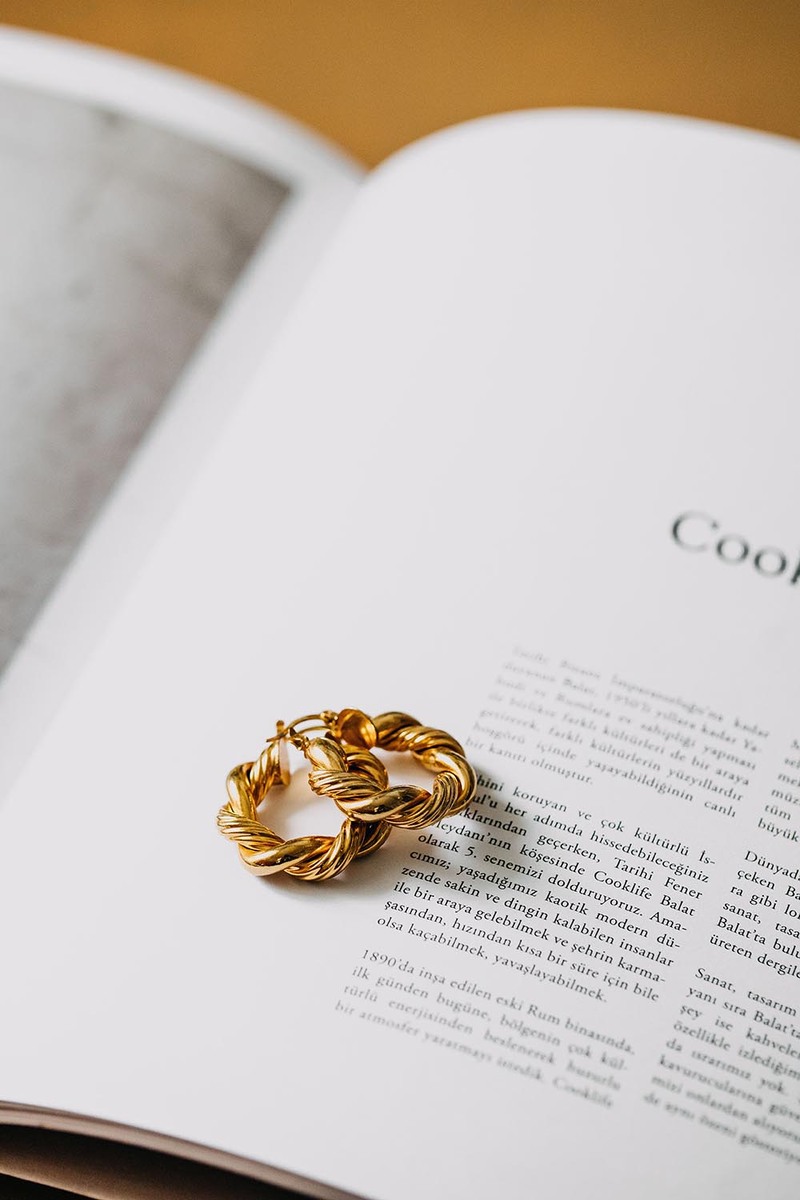
A well-made 14k gold filled earrings option is built specifically to avoid that problem, holding its color and shine through years of daily wear rather than needing to be replaced or retired after a single season.
Le Serey approach to gold filled jewelry reflects exactly this kind of durability-first thinking, using a thick, genuinely bonded gold layer rather than a thin plated coating, which is precisely the distinction worth paying attention to before spending money on any piece marketed as gold filled.
Who Actually Benefits Most From Gold Filled
Not everyone needs to prioritize gold filled over plated jewelry, but a few situations make the investment genuinely worthwhile. Anyone with sensitive skin benefits significantly, since the thicker gold layer keeps the base metal from directly contacting skin, reducing the irritation and discoloration that thinner plating can cause. Earrings specifically benefit from gold-filled construction more than almost any other jewelry category, since posts and backs sit against skin constantly and take on more wear than a necklace or bracelet typically would.
Anyone building a small, high-rotation jewelry capsule wardrobe, a handful of versatile pieces worn nearly every day rather than saved for special occasions — also gets the most value out of gold filled. That's exactly the kind of daily wear where cheaper plating tends to show its age fastest. That's exactly the kind of daily wear where cheaper plating tends to show its age fastest.

Conclusion
Whether gold filled earrings are actually worth it comes down to understanding what you're paying for, a federally regulated, substantially thicker layer of real gold bonded to a durable base metal, rather than the thin, fast-fading coating found on plated jewelry.
Checking for proper stamps, understanding the legal definition behind the term, and buying from a source that takes that distinction seriously are the real ways to separate genuine value from clever marketing. For earrings especially, worn daily and sitting directly against skin, that extra investment in real gold filled construction tends to pay for itself many times over in how long the piece actually lasts.











 Connect with Facebook