




Berlin Fashion Week Day Six Was a Love Letter to Imperfection
Fashion spends a lot of time chasing perfection.
Fashion spends a lot of time chasing perfection. Berlin spent the day doing the opposite. From handcrafted Nigerian textiles and childhood nostalgia to AI-powered performances and collections made entirely from vintage fabrics, day six of Berlin Fashion Week Spring/Summer 2027 felt deeply personal. Instead of presenting polished fantasies, designers embraced flaws, memories, and the stories stitched into every garment.
Fruché Turned Imperfection Into Something Beautiful

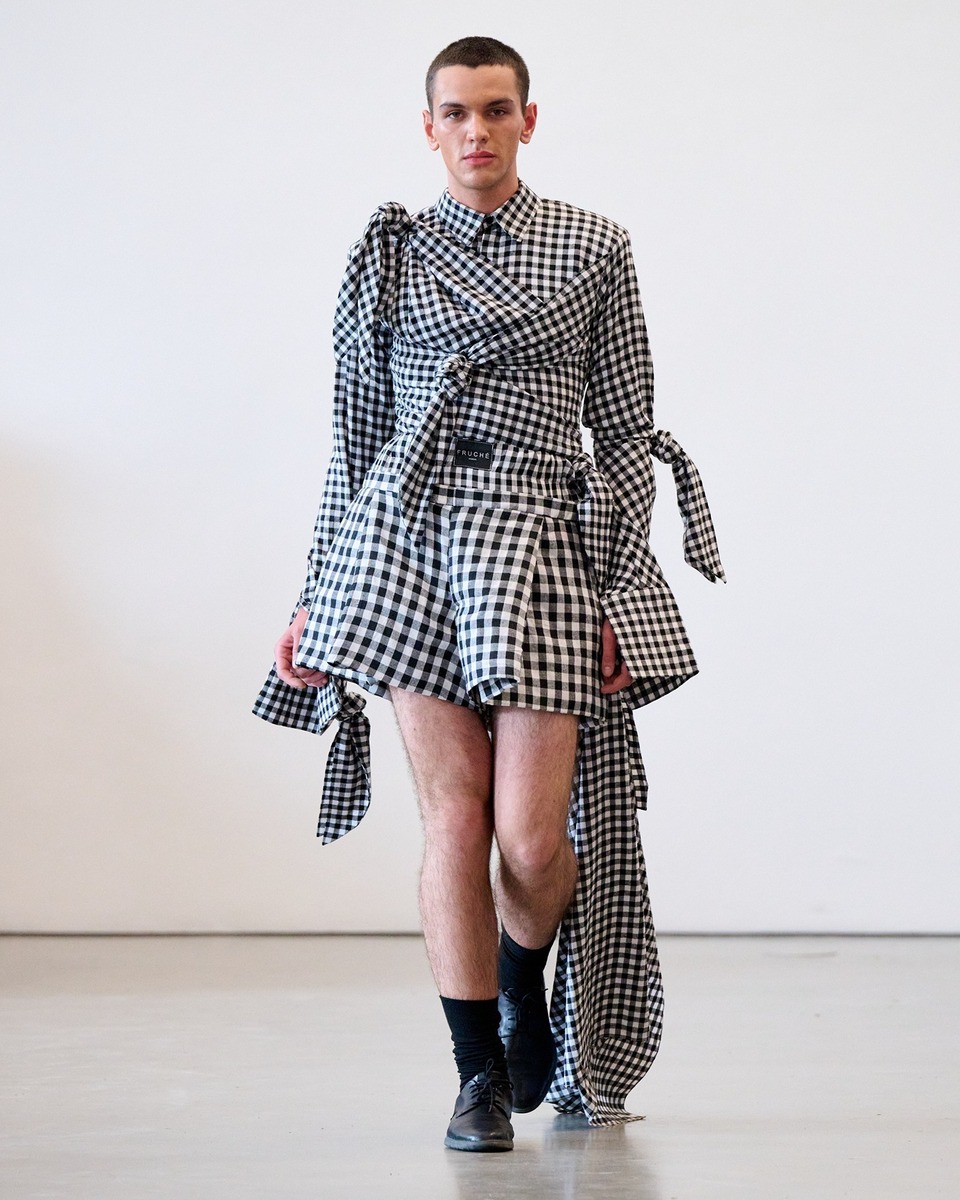
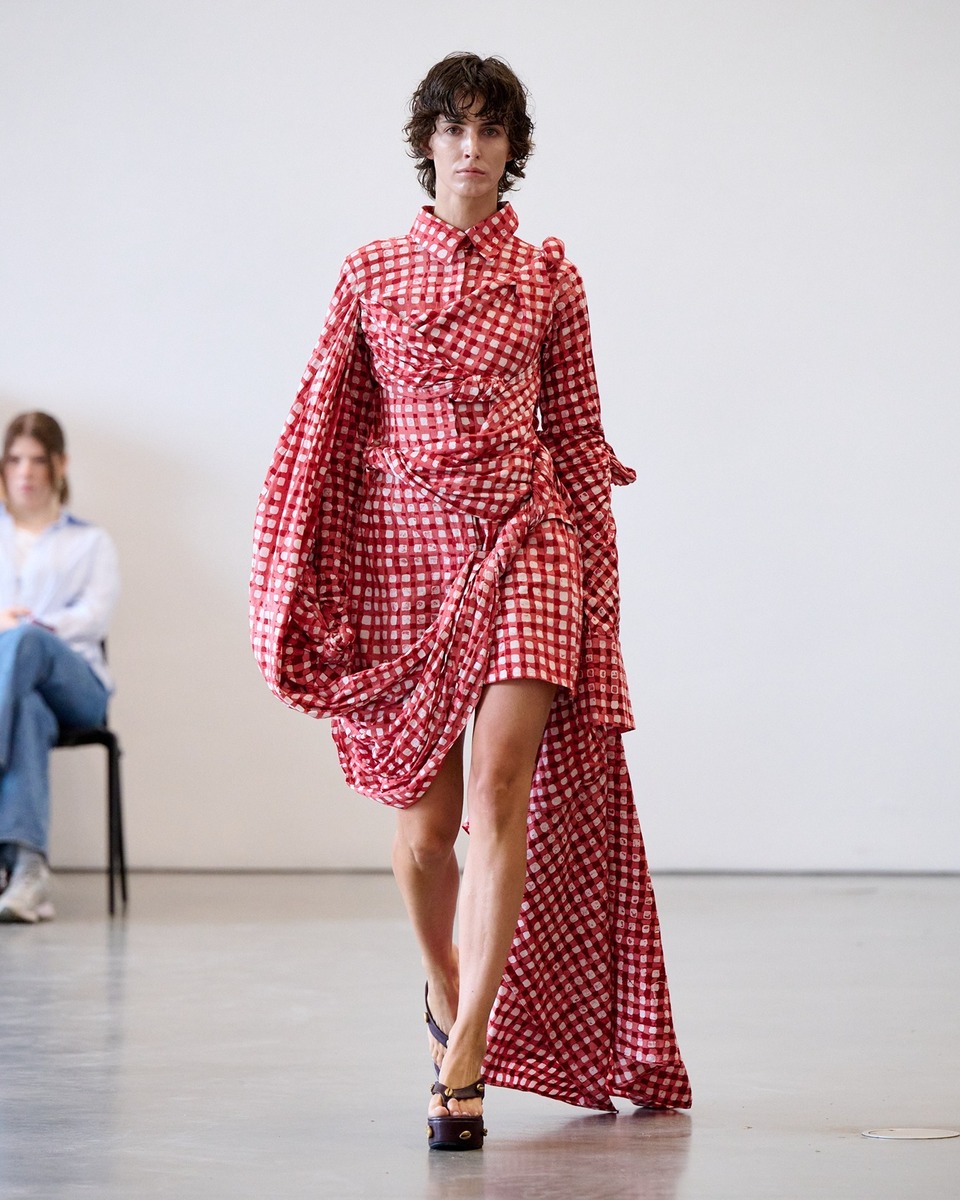
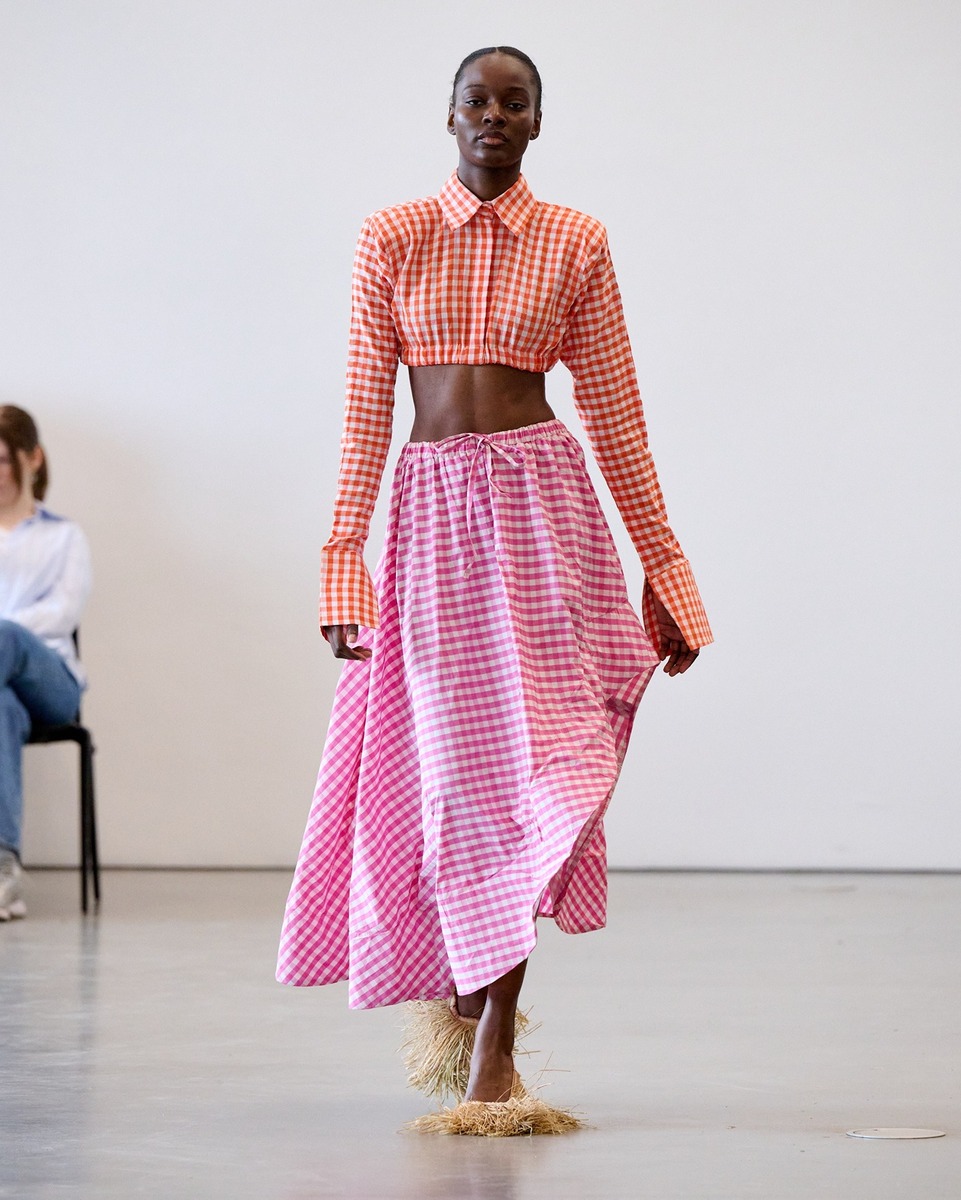
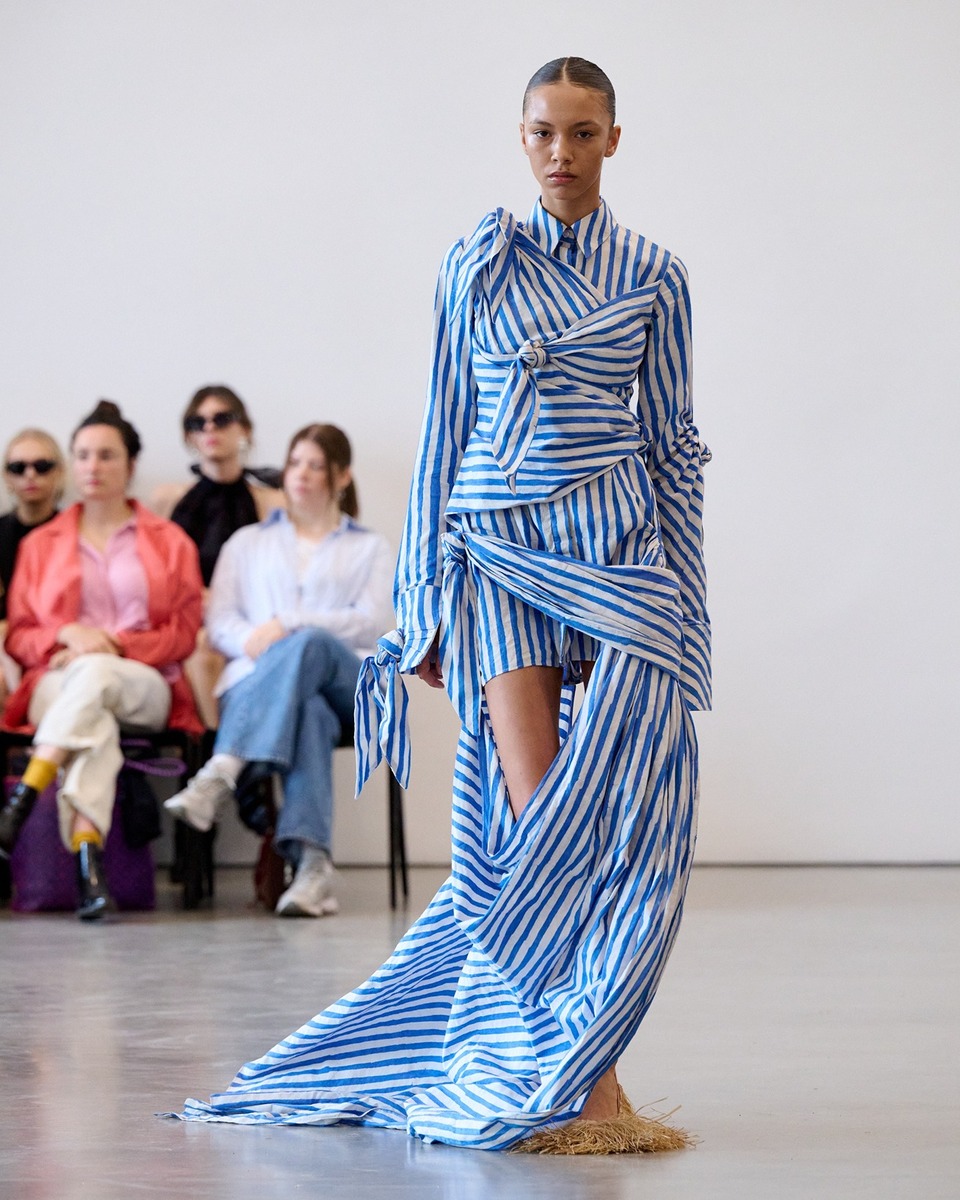
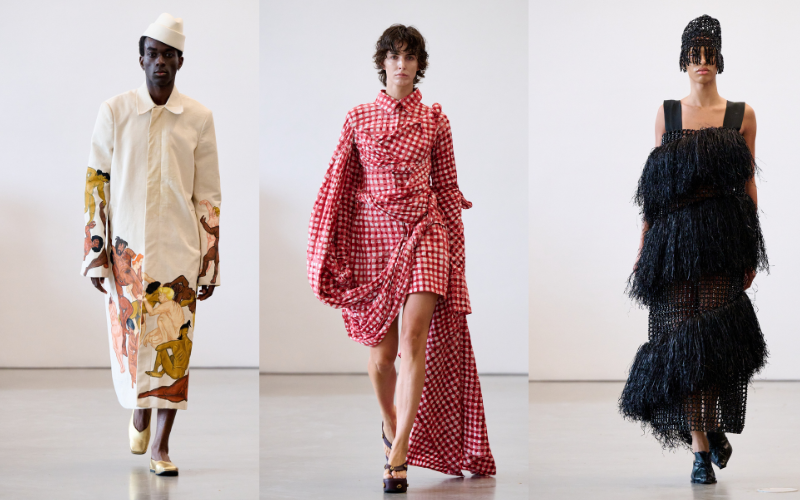
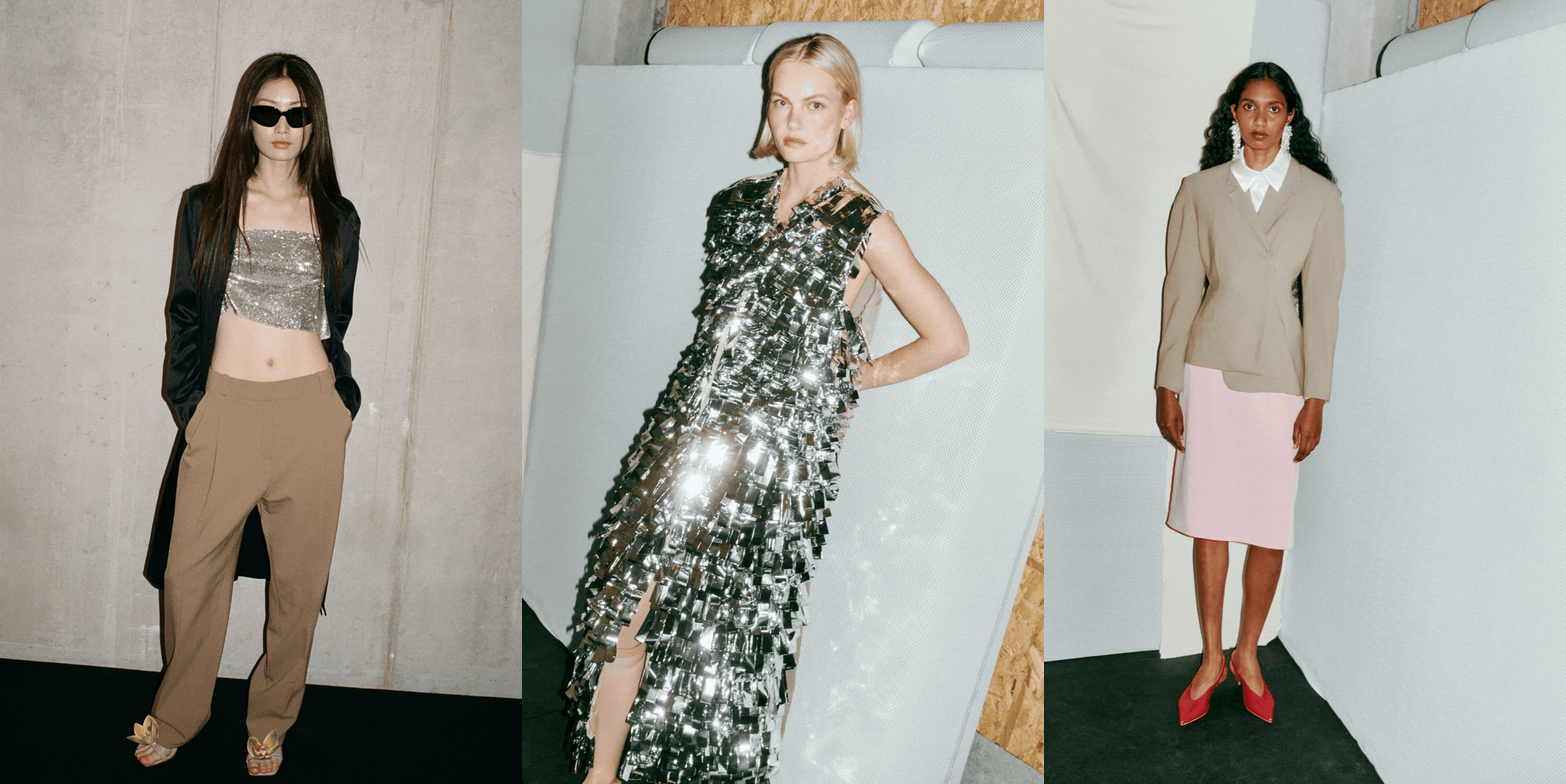
Making its Berlin Fashion Week debut, Nigerian label Fruché opened with KLEG, a collection inspired by the slang term used to describe bow legs and, more broadly, anything society considers imperfect. Designer Frank Aghuno challenged that idea through asymmetrical silhouettes that mirrored the body's natural irregularities rather than trying to correct them. Gingham fabrics referenced Nigerian school uniforms, while handwoven Aso Oke textiles, intricate beadwork, hand-painted fabrics, and a striking carved wooden corset celebrated the craftsmanship of local artisans. It was less about redefining beauty than expanding who gets to be included in it.
Malaikaraiss Celebrated Fifteen Years Without Losing Its Sense of Play

Returning after a short hiatus, MALAIKARAISS marked its fifteenth anniversary with Playground Love, a collection that embraced youthful optimism while reflecting on the brand's own evolution. Playful silhouettes sat alongside meticulous craftsmanship, proving that precision doesn't have to feel serious. A recent trip to Japan inspired handcrafted sterling silver and pearl jewellery, while the label's long-standing commitment to sustainability remained central, with almost the entire collection produced through closed-loop manufacturing using recycled materials developed alongside textile artist Karlotta Bott.
Esther Perbandt Brought Artificial Intelligence Into the Physical World

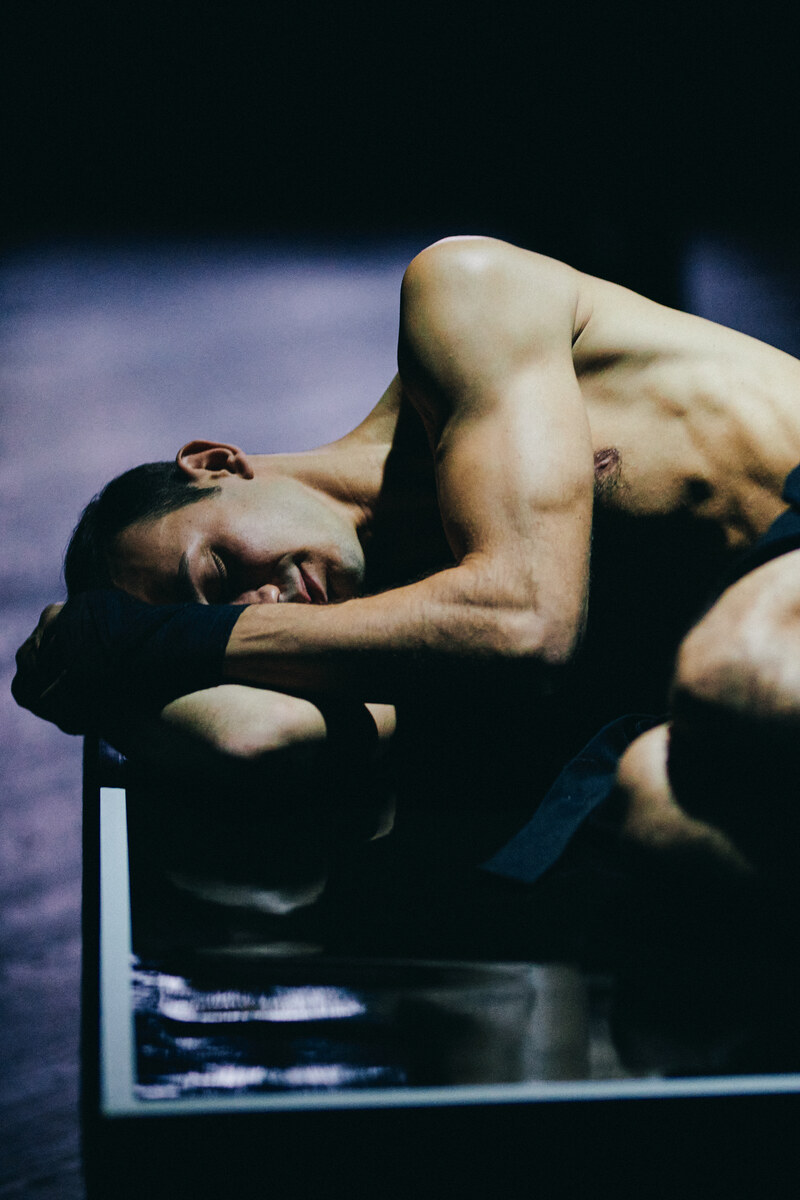
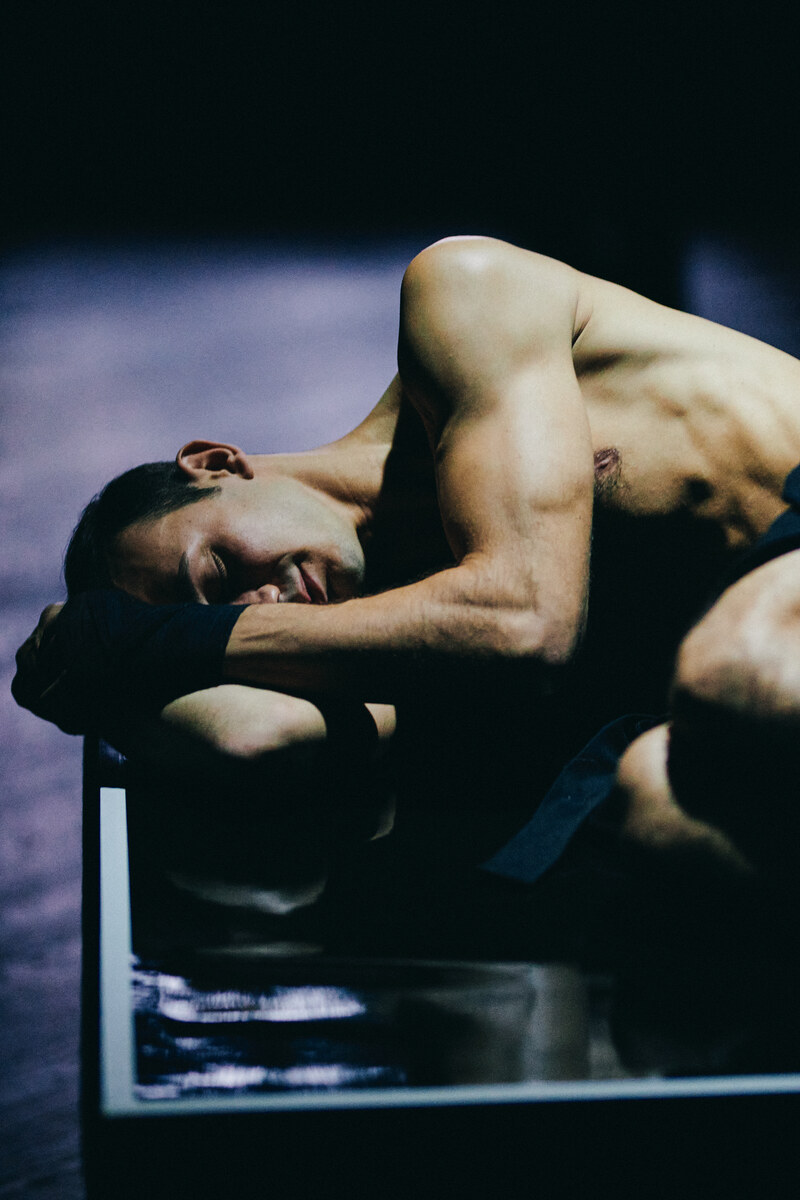
Rather than staging a traditional runway show, Esther Perbandt transformed Fotografiska Berlin into a performance space. Her digital capsule collection came alive through BLACKHEARTS, an AI-generated short film that moved beyond the screen with live dancers performing alongside selected garments from the collection. Accompanied by an original composition from Sven Helbig, the presentation blurred the boundaries between digital creation, fashion, music, and live performance in a way that felt surprisingly human.
Dagger Captured the Bittersweet Feeling of Growing Up

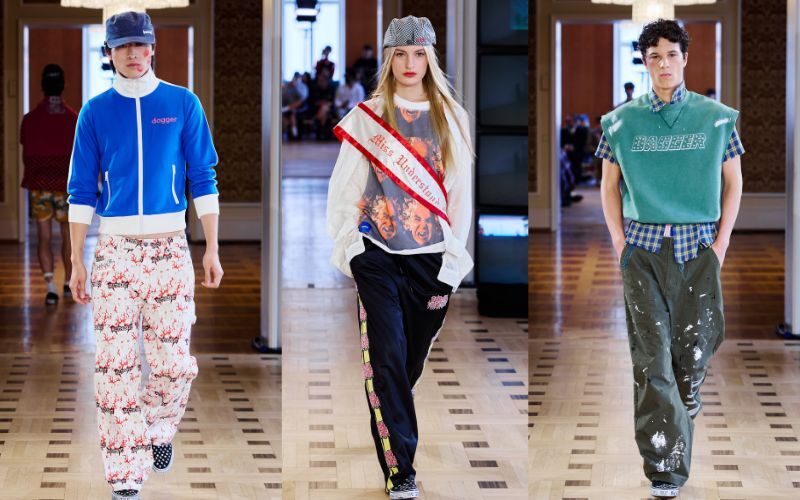
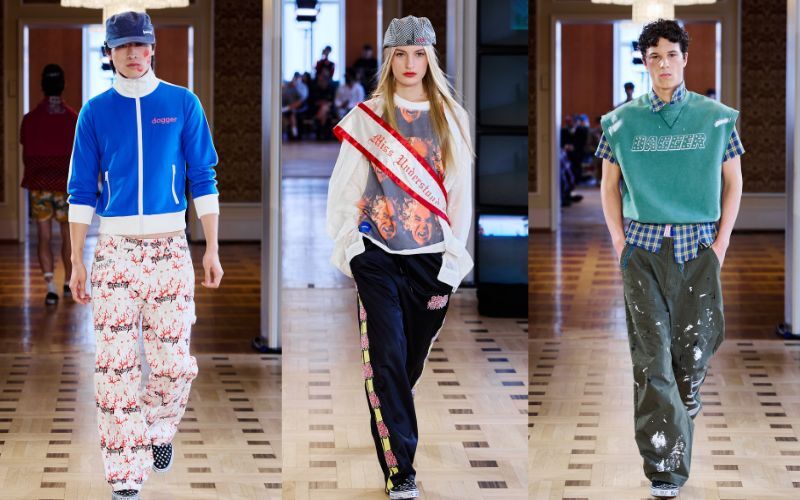
Luke Raine's latest Dagger collection continued the story of his fictional Irish coastal town, but this season focused on life's unforgettable firsts. First jobs. First kisses. First heartbreaks. The collection followed its characters through late-night beach parties and the vulnerable walk home the next morning, reframing the so-called "walk of shame" as a symbol of freedom rather than regret. Sashes reading "Miss Understood 2027" and "Miss Spent Youth 2027" gave the collection a quietly emotional edge, balancing nostalgia with the realities of adulthood.
Shayne Oliver Turned Fashion Into an Archive of Memory

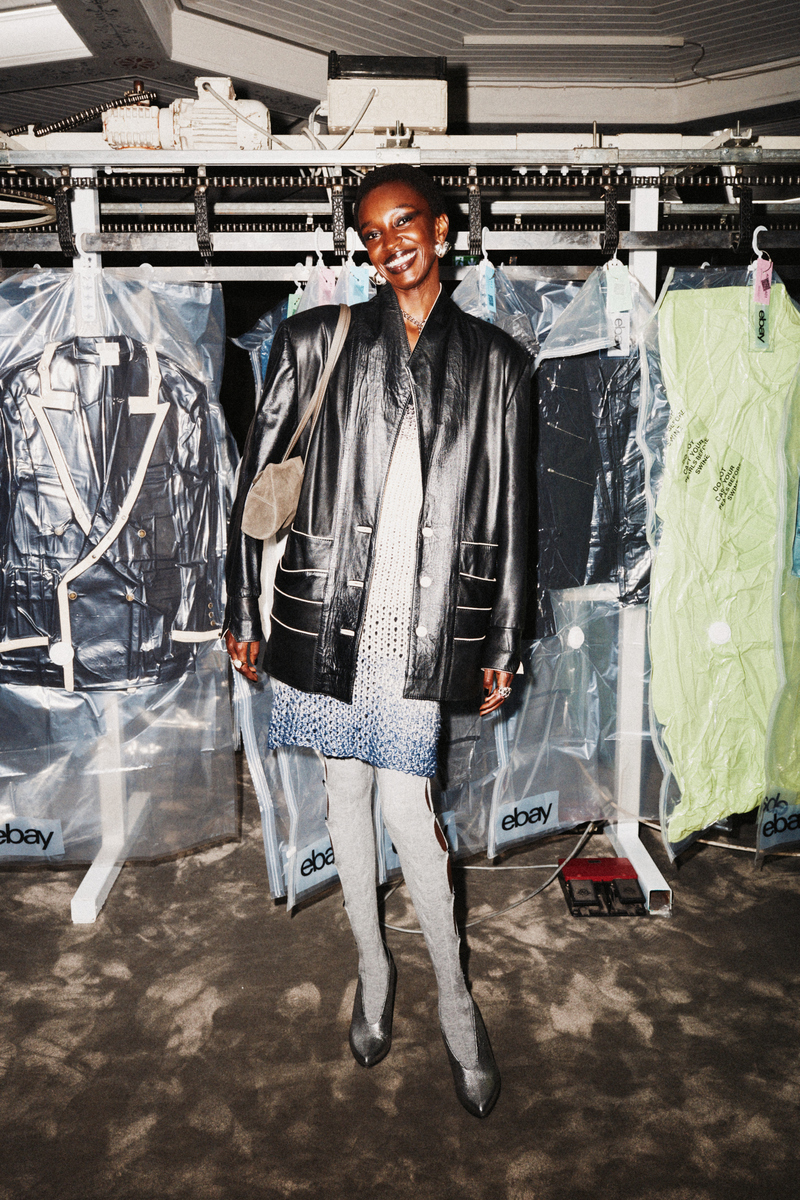
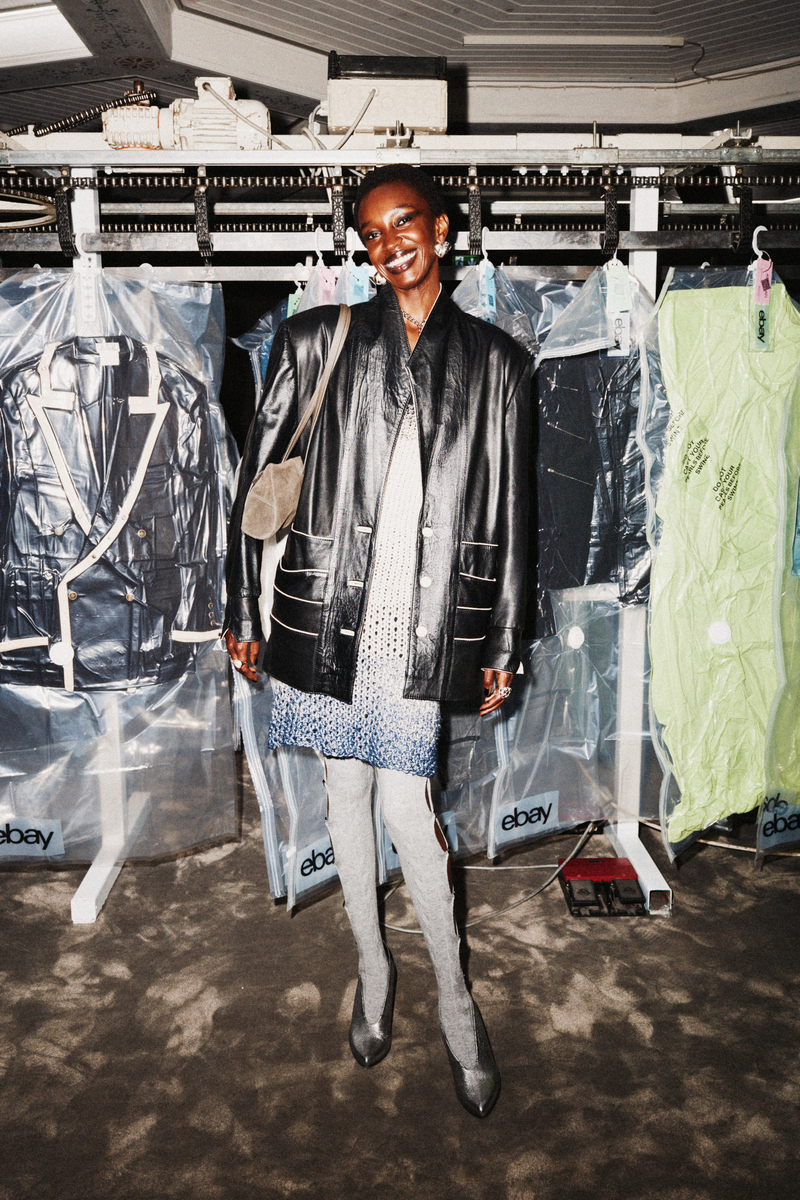
At Schinkel Pavillon, Shayne Oliver's MUSEUM and eBay Archetypes invited visitors to experience clothing outside the runway format. Personal archive pieces, deadstock materials, and rotating curatorial projects explored how garments continue collecting meaning long after they're worn. Rather than looking backward with nostalgia, the installation treated fashion as a living archive where memory, identity, and cultural history constantly evolve.
Plaid-à-Porter Asked What Fashion Looks Like Without Seasons

Climate change and overproduction formed the foundation of UNSEASONAL, Plaid-à-Porter's hybrid runway and installation. Every couture piece was created using carefully sourced vintage textiles, questioning whether fashion still needs rigid seasonal calendars at all. A reimagined performance of Vivaldi's Four Seasons, blending classical violin with spoken poetry, reinforced the collection's central idea that fashion, like nature itself, is no longer confined to predictable cycles.
Marie Louise Müller Turned Childhood Memories Into Wearable Art

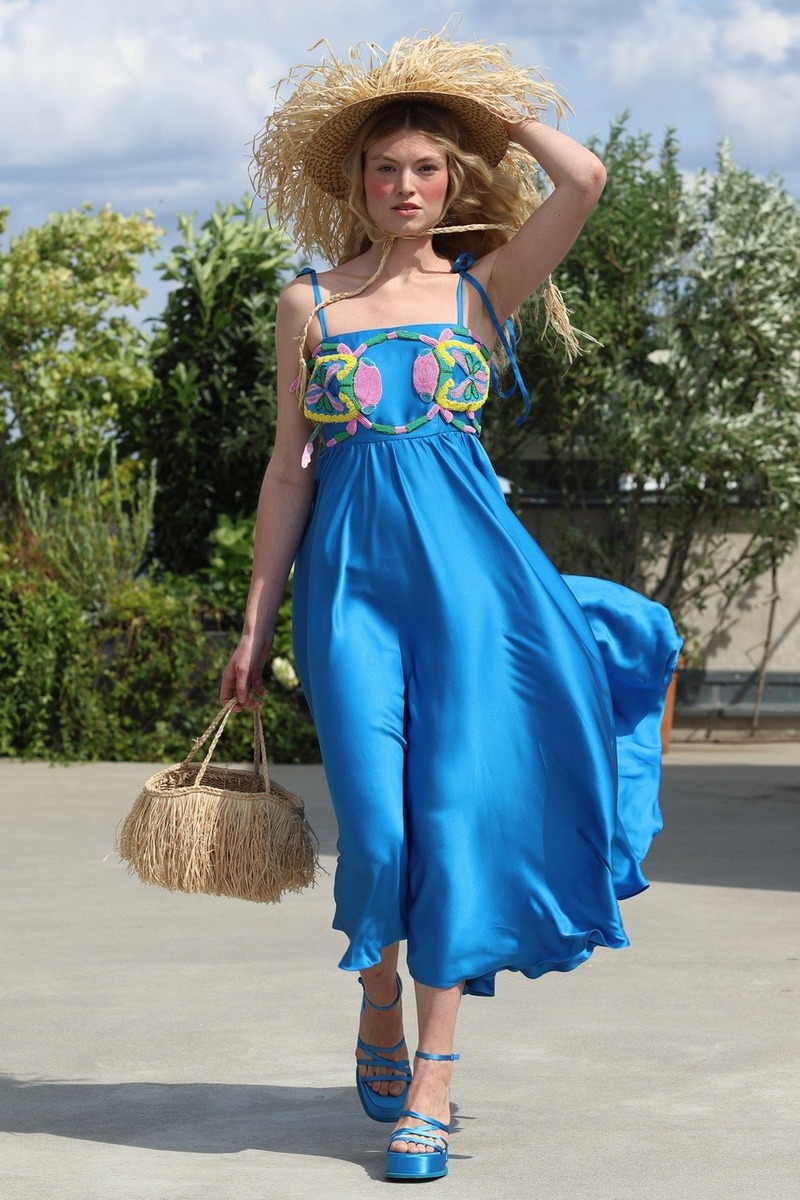
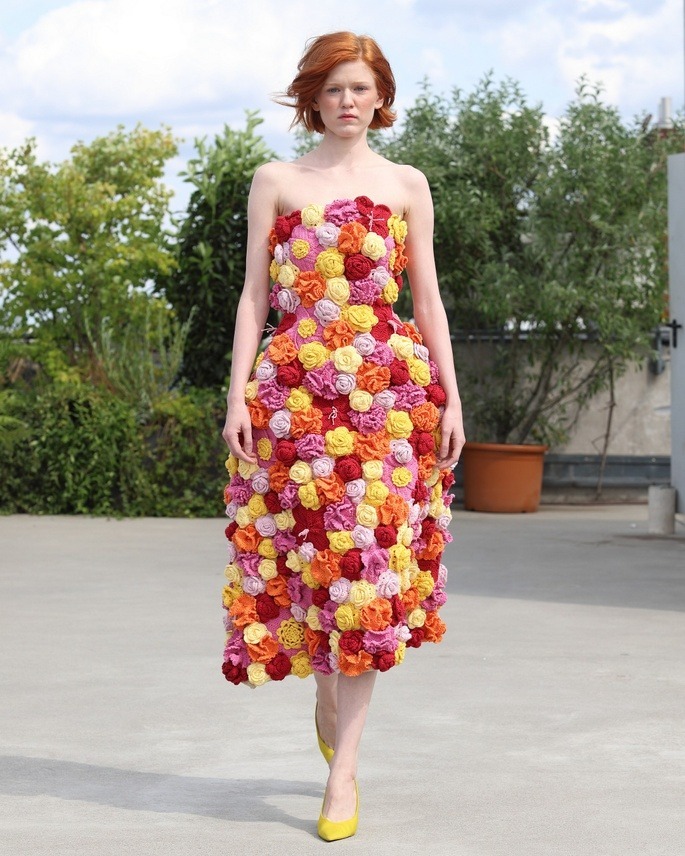
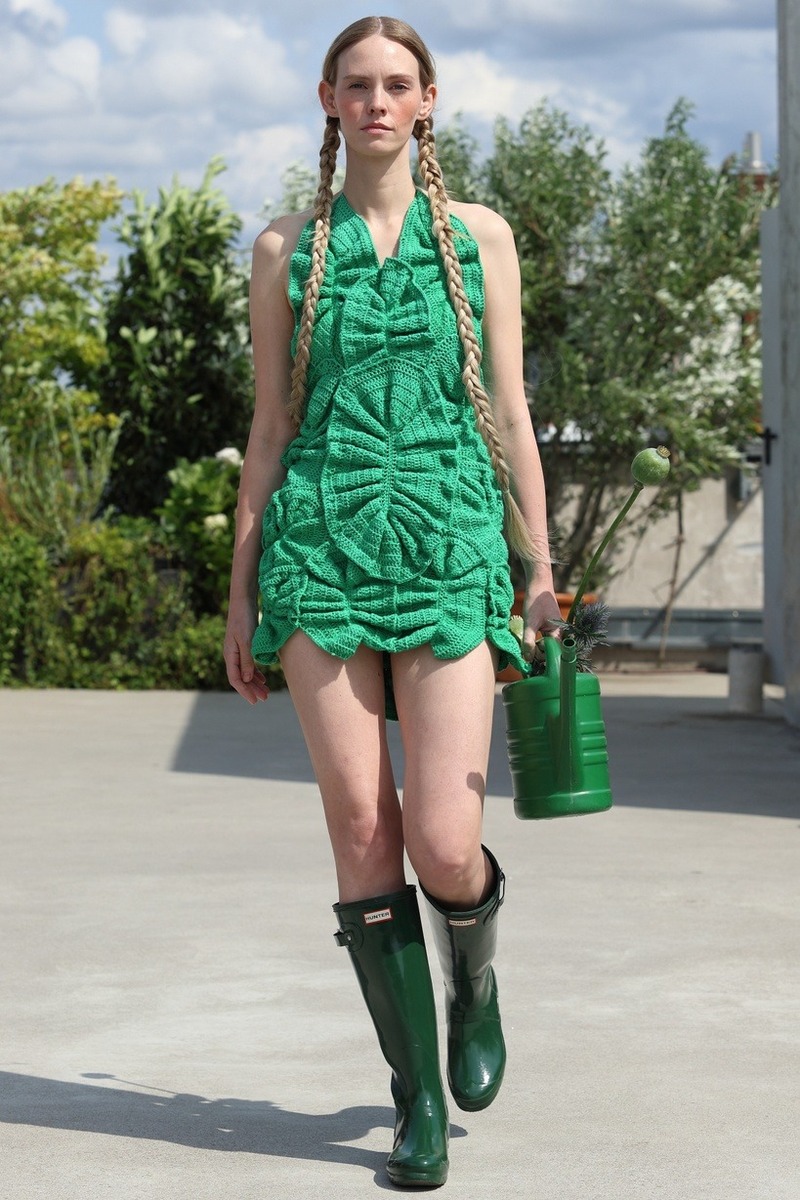
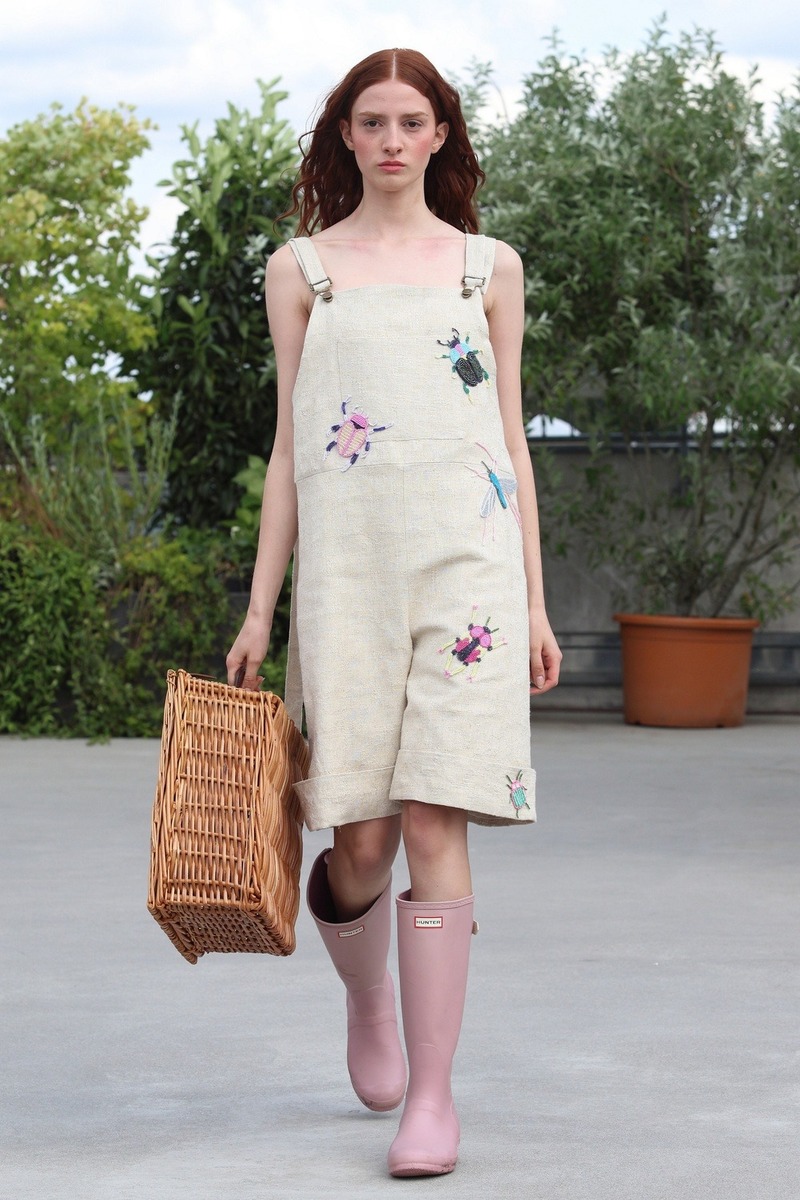
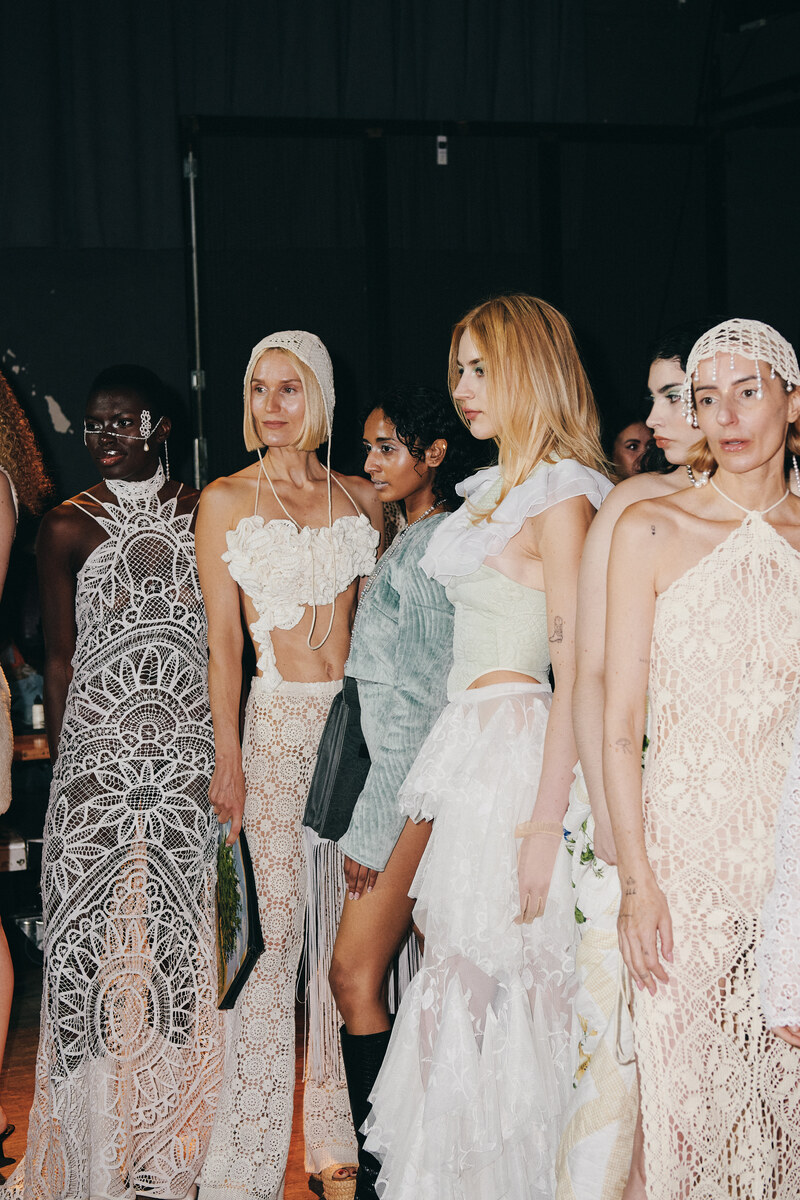
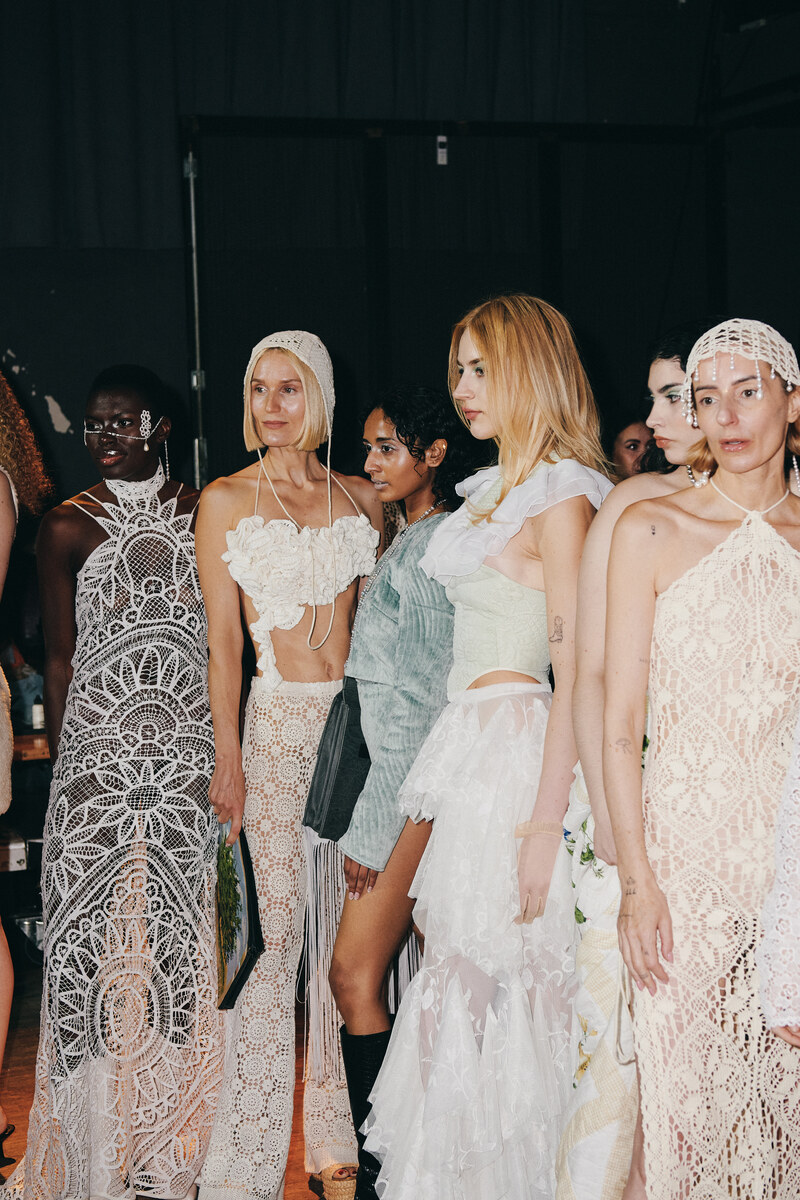
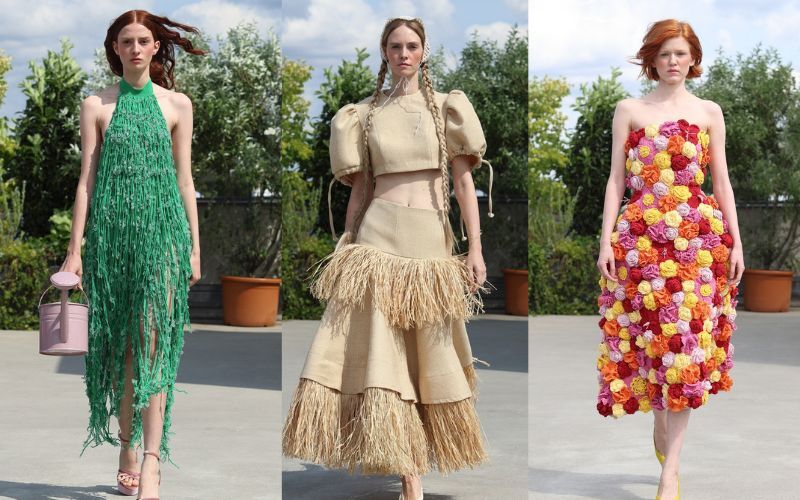
Closing the day with one of its most delicate collections, Marie Louise Müller's Escapist Garden transformed childhood memories into handcrafted garments inspired by nature. Around twenty looks were created over roughly 2,500 hours using embroidery, crochet, upcycling, and exclusively natural fibres. Soft greens, floral pinks, creams, and earthy neutrals echoed the colours of an imagined garden, while standout pieces, including a dress embroidered with 70,000 glass beads inspired by a weeping willow, demonstrated the extraordinary patience behind every stitch.
Berlin Fashion Week's sixth day was shaped by designers proving that the most compelling collections often begin with something deeply personal, whether that's a childhood memory, an imperfect body, a forgotten archive, or simply the courage to tell a story that doesn't need smoothing out.










 Connect with Facebook