




Berlin Fashion Week's Final Day Proved That Fashion Feels More Interesting
When nobody plays it safe.
By the time the final day of Berlin Fashion Week rolls around, you'd expect things to start winding down.
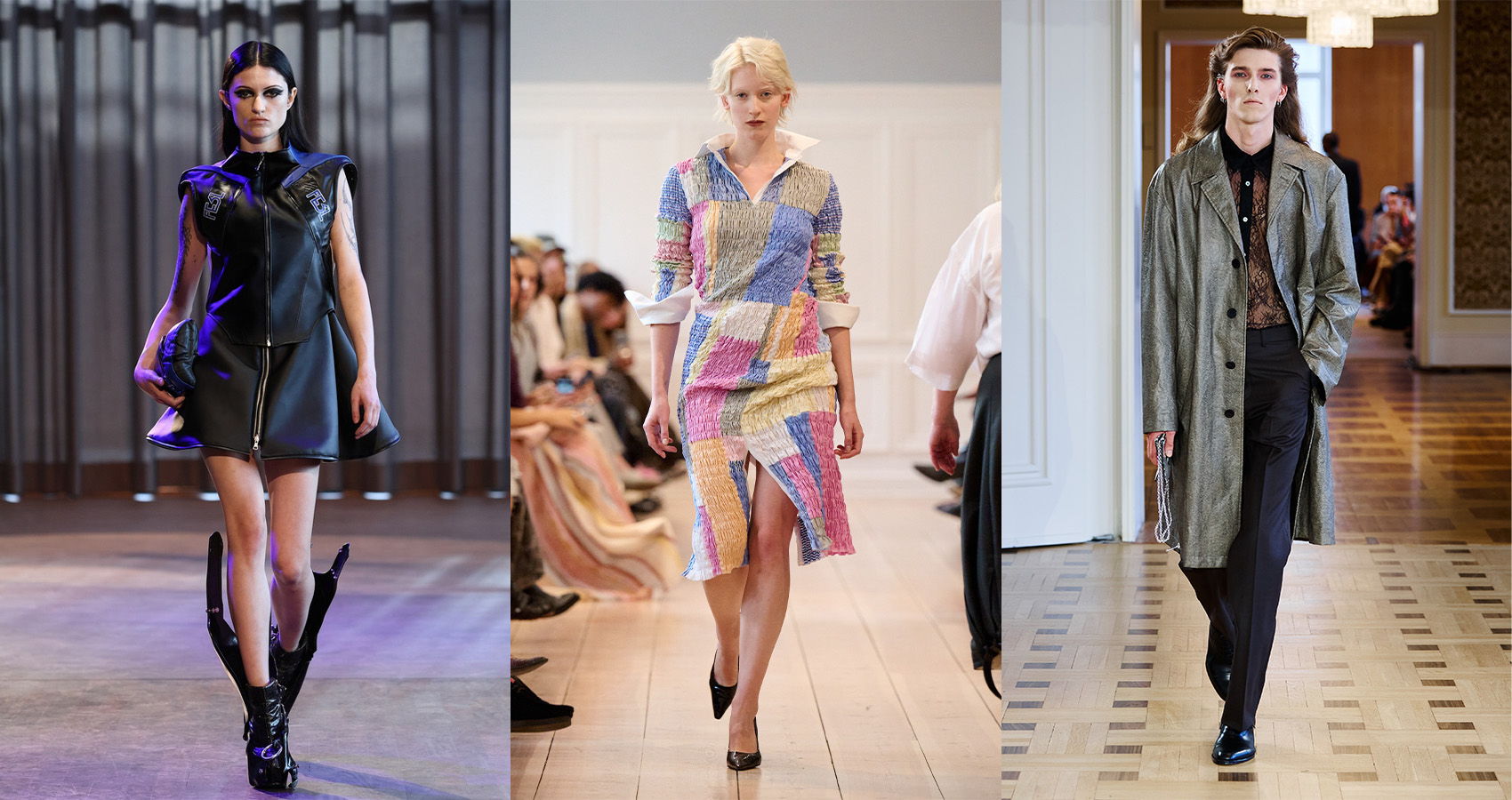
Instead, the Spring/Summer 2027 season saved some of its boldest ideas for last. Rather than chasing one dominant trend, the final presentations explored memory, identity, craftsmanship, performance, and reinvention through completely different lenses. It made for a fitting end to a fashion week that felt more interested in asking questions than providing easy answers.
GmbH Made the Past Feel Surprisingly Current

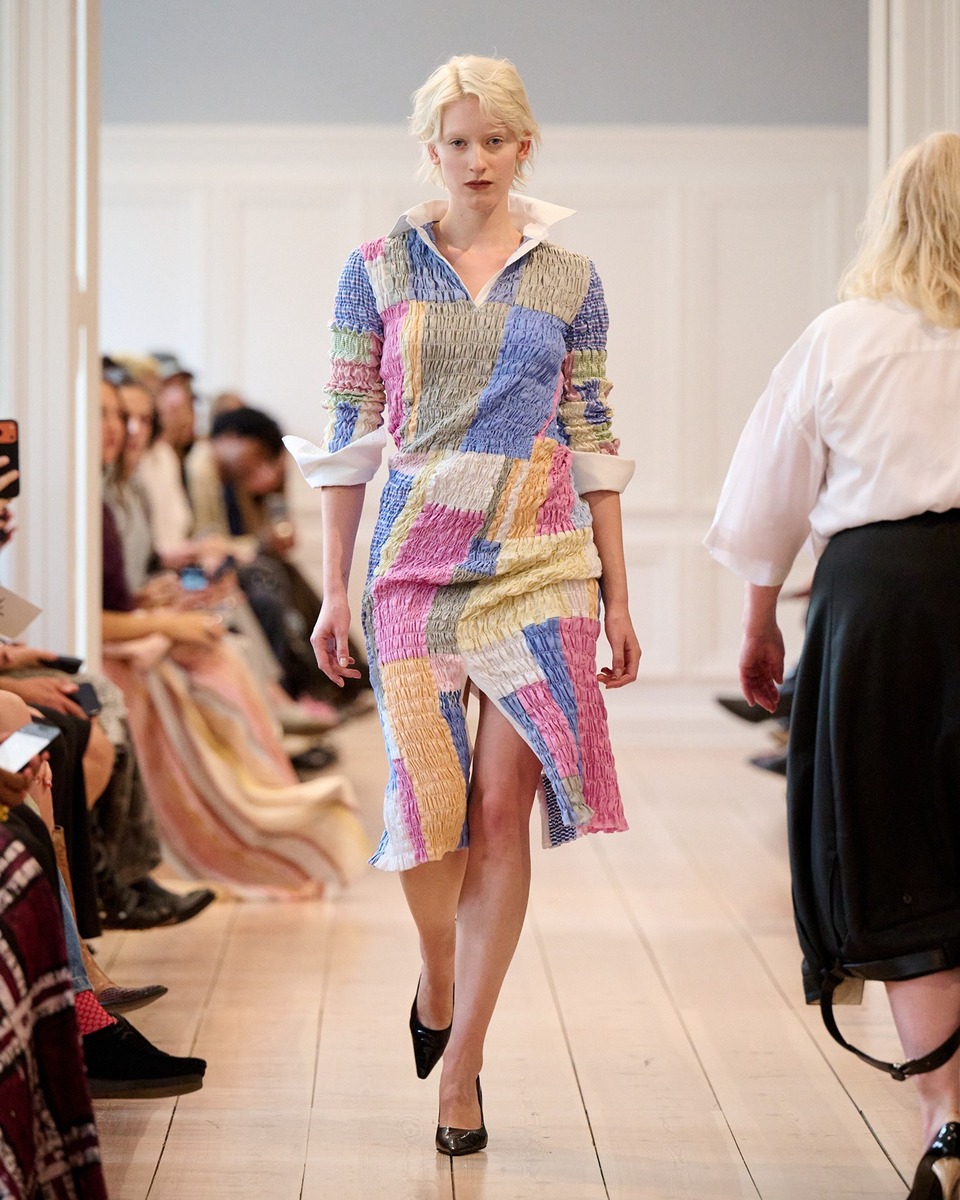
GmbH closed the week with Desire Paths, a collection marking the label's tenth anniversary while paying tribute to 1920s Berlin couture. Incorporating archival pieces from Julia Schwarz's renowned European fashion collection, Serhat Işık and Benjamin Huseby blurred the line between history and modernity. Elegant eveningwear and razor-sharp tailoring sat comfortably alongside the sporty silhouettes and club-inspired pieces the brand has become known for, proving nostalgia doesn't have to feel dated when it's handled with imagination.
Martin Quad Continued to Deconstruct Everything We Think We Know About Tailoring

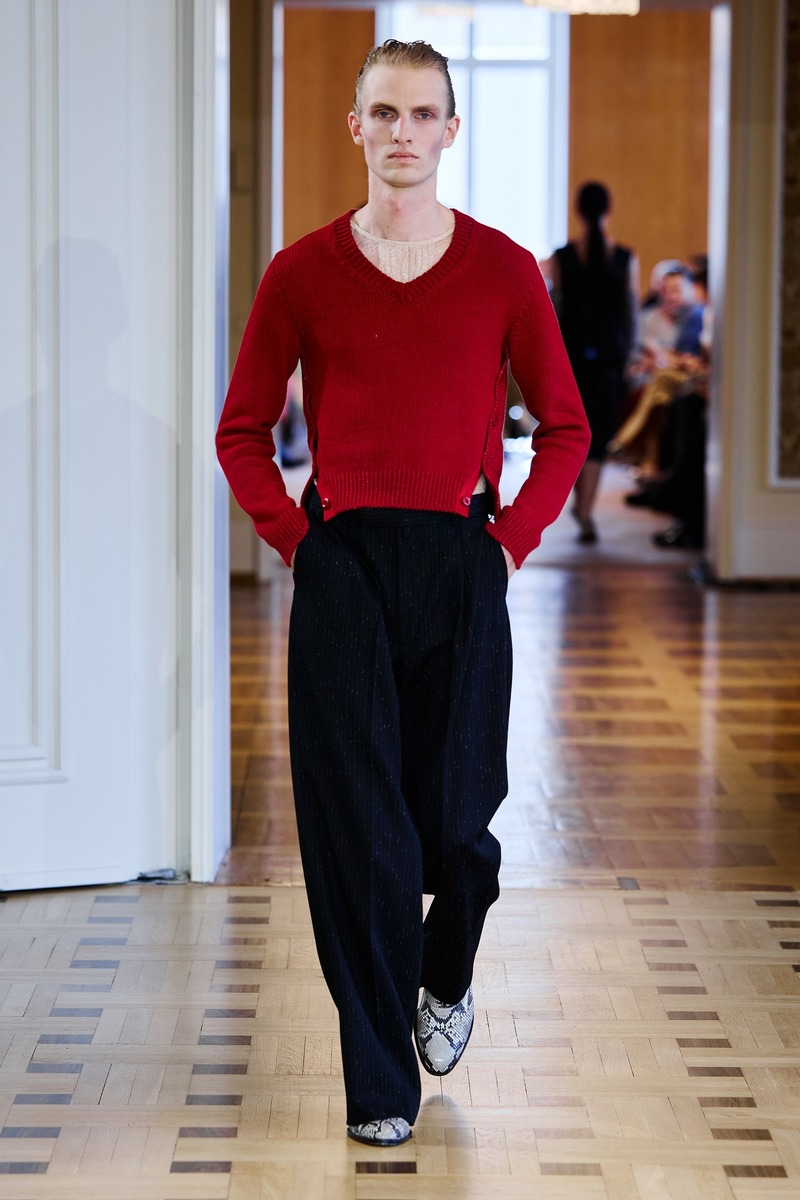
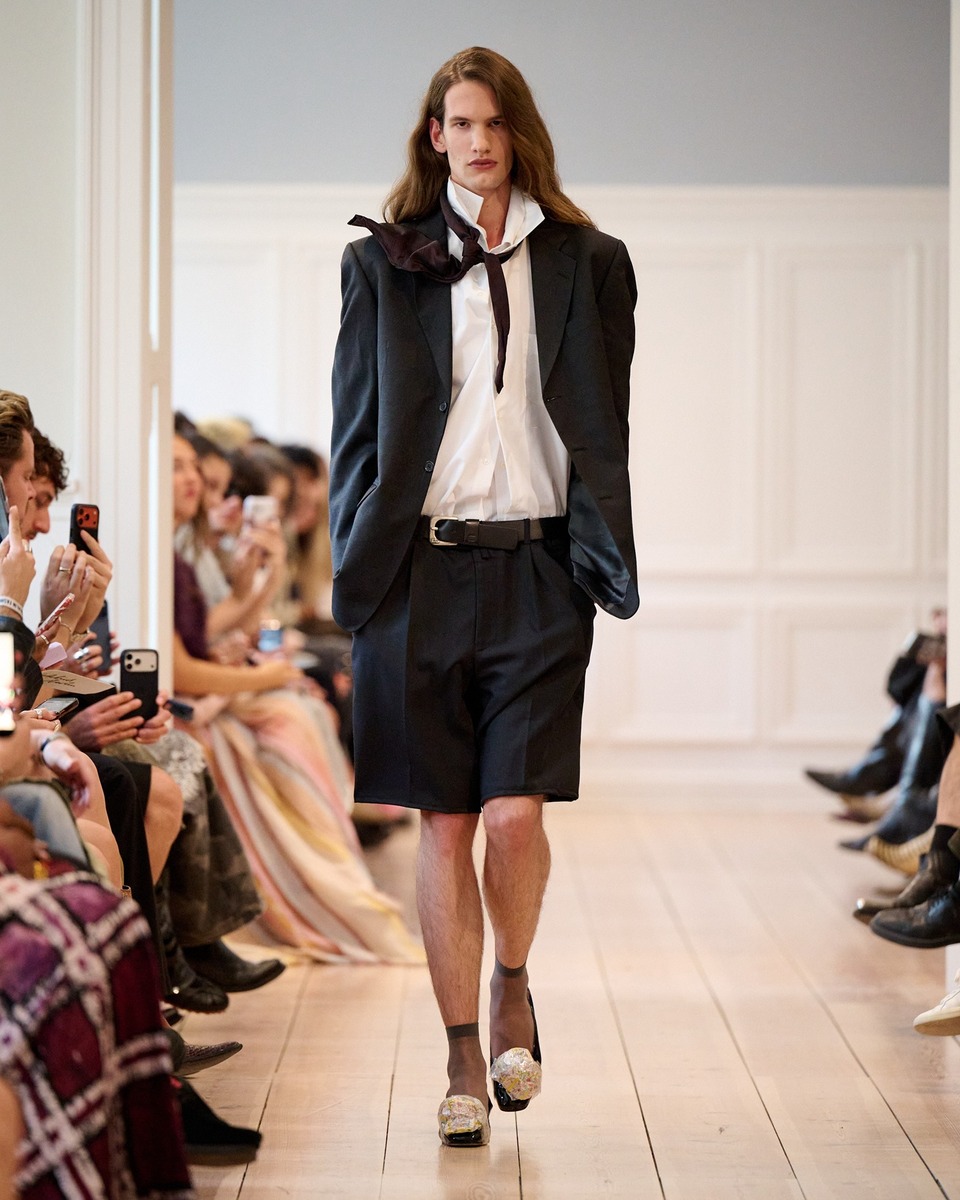
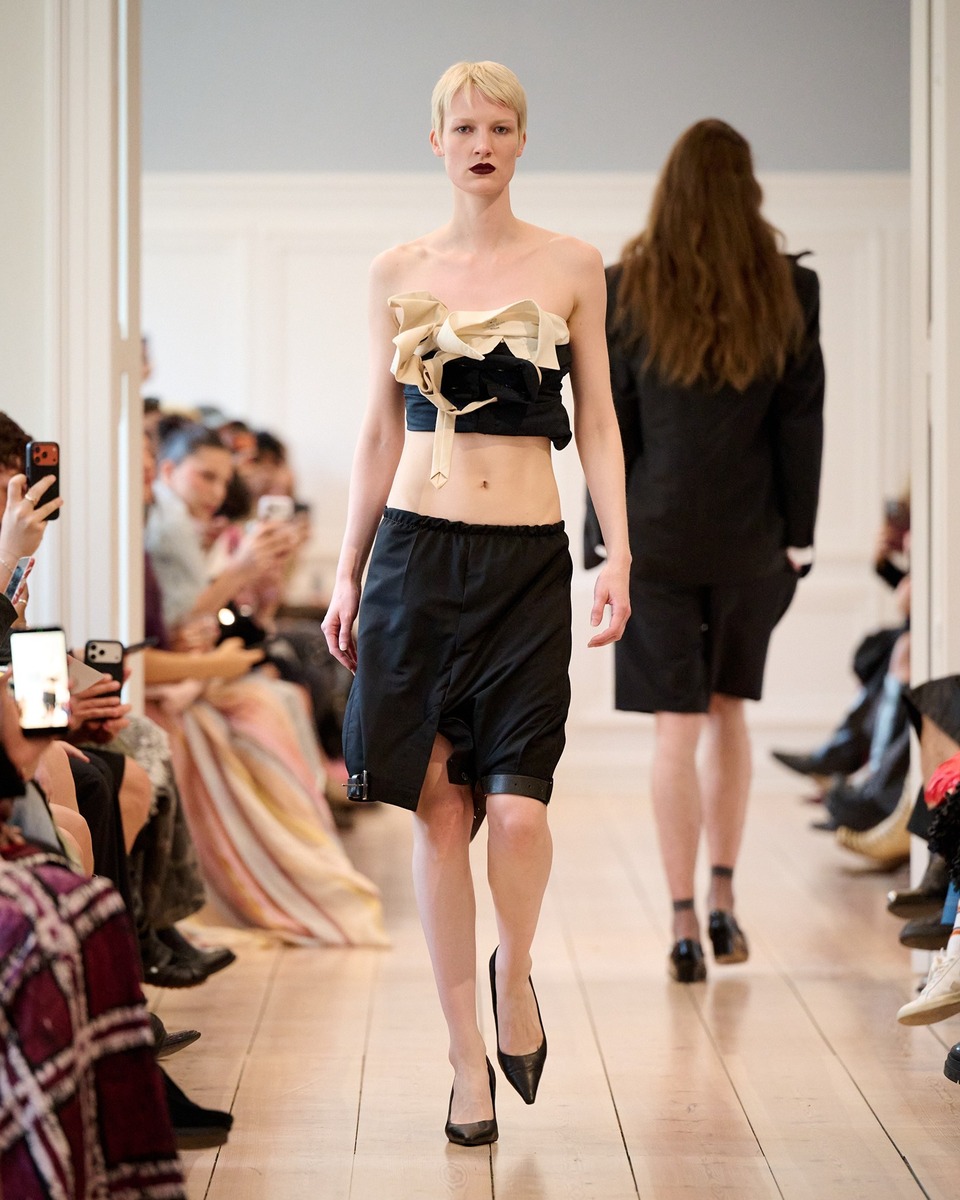
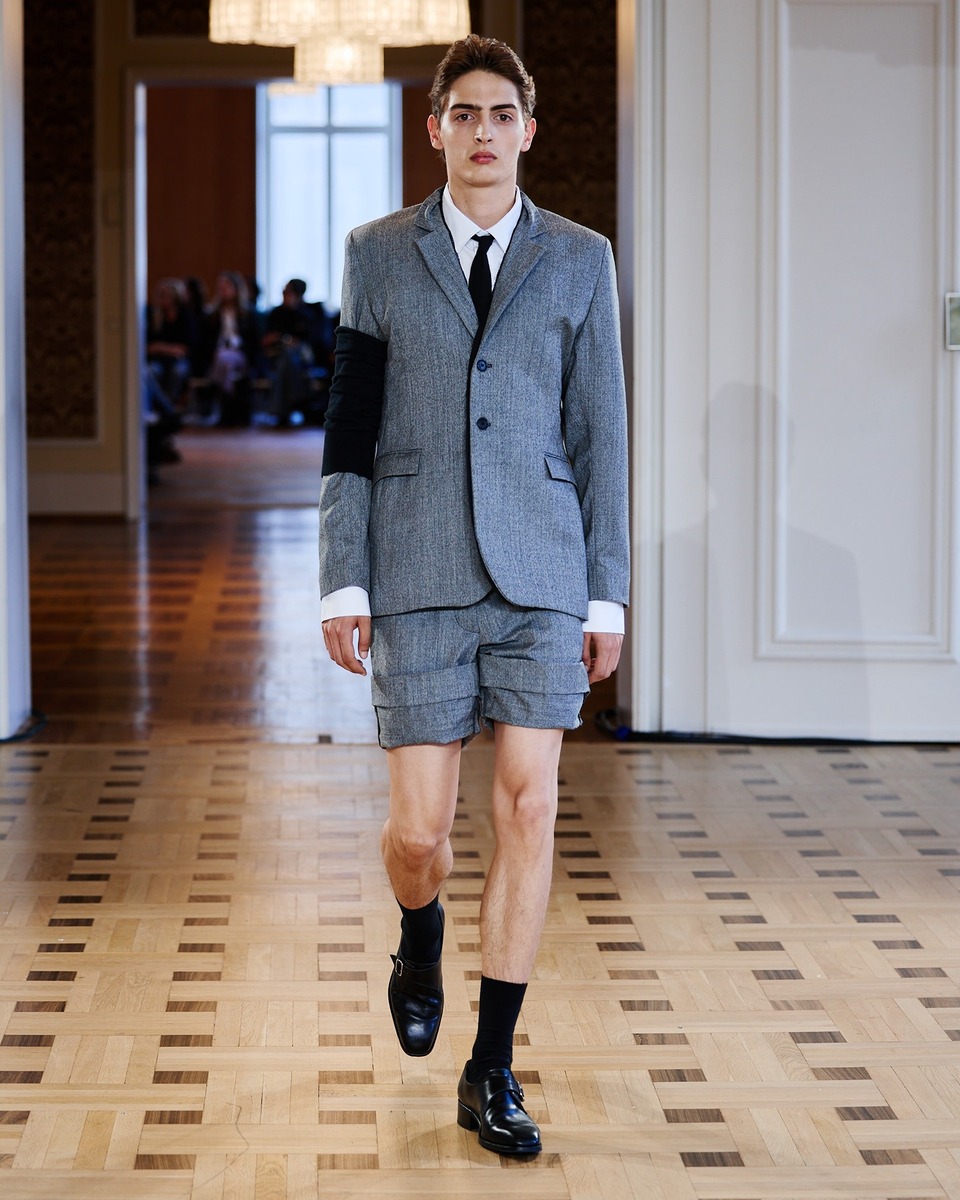
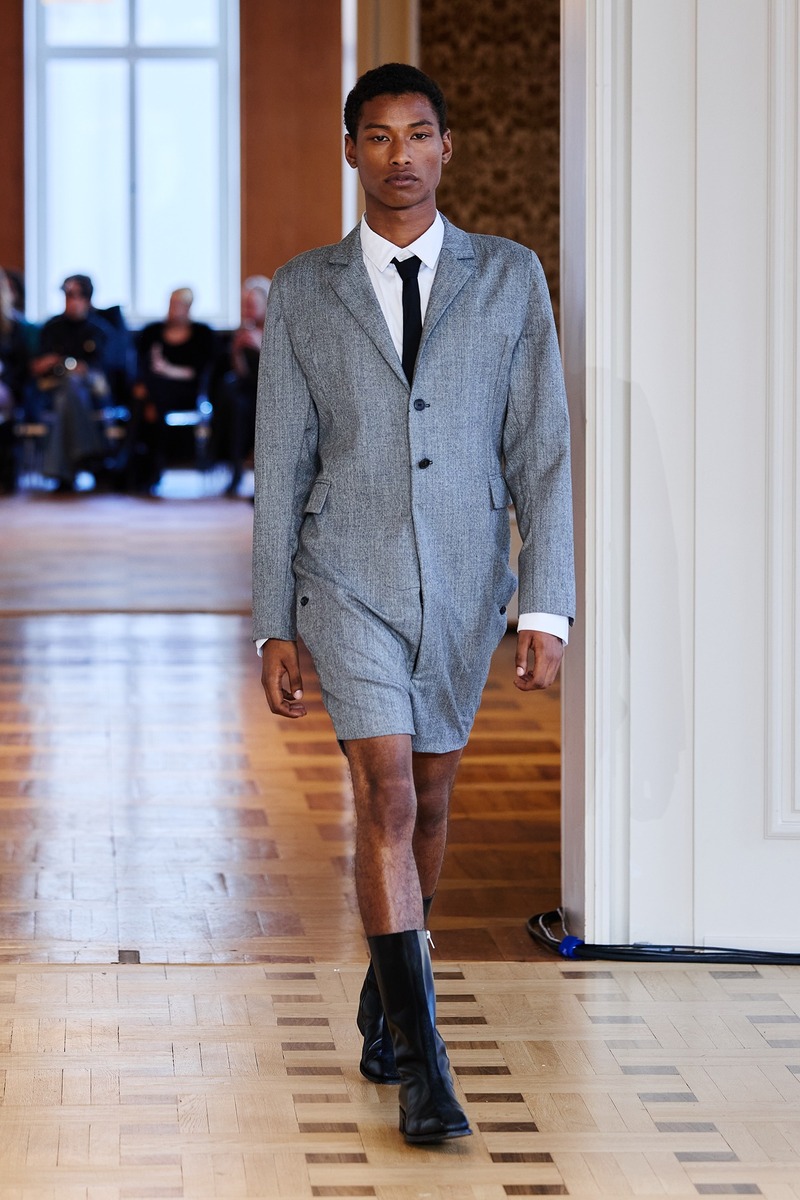
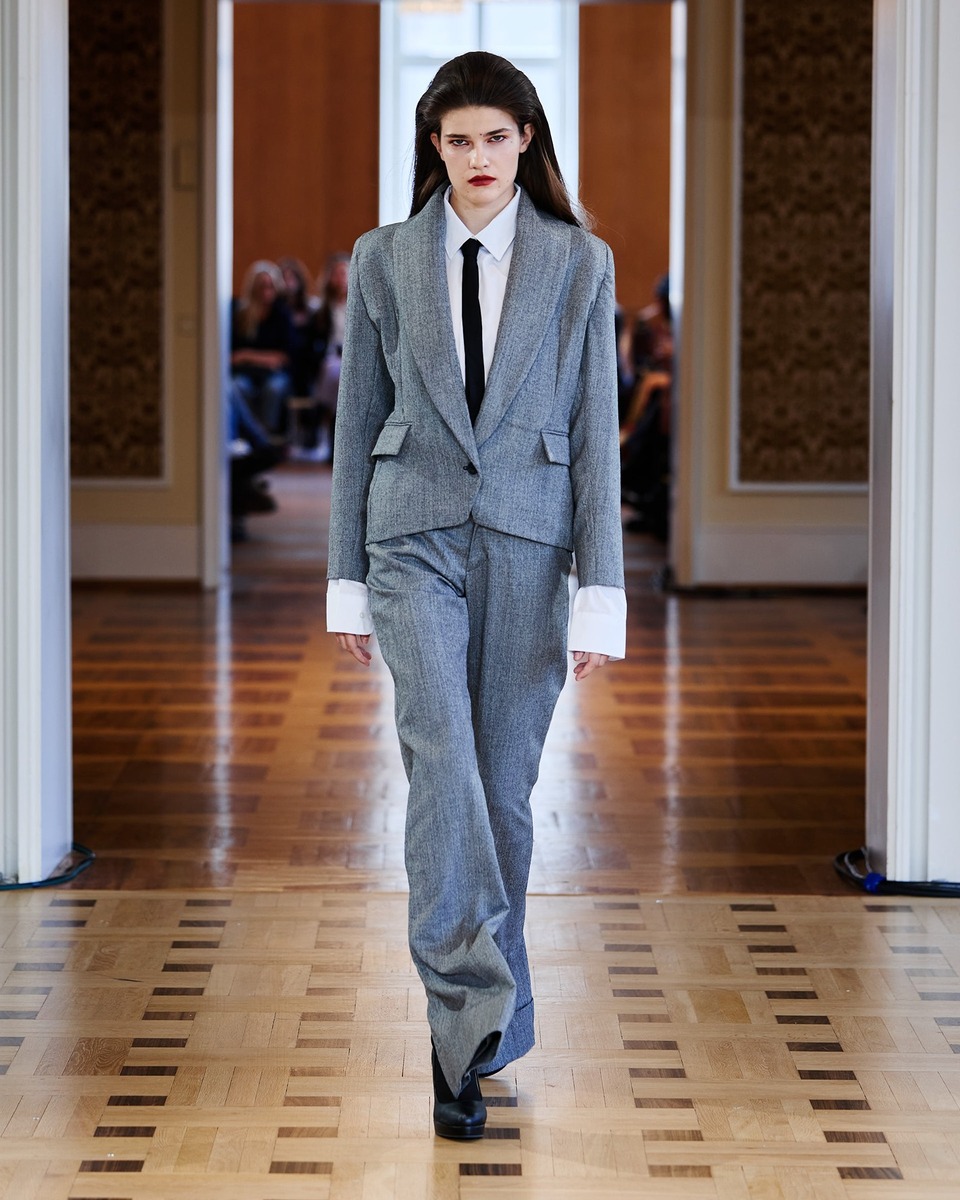
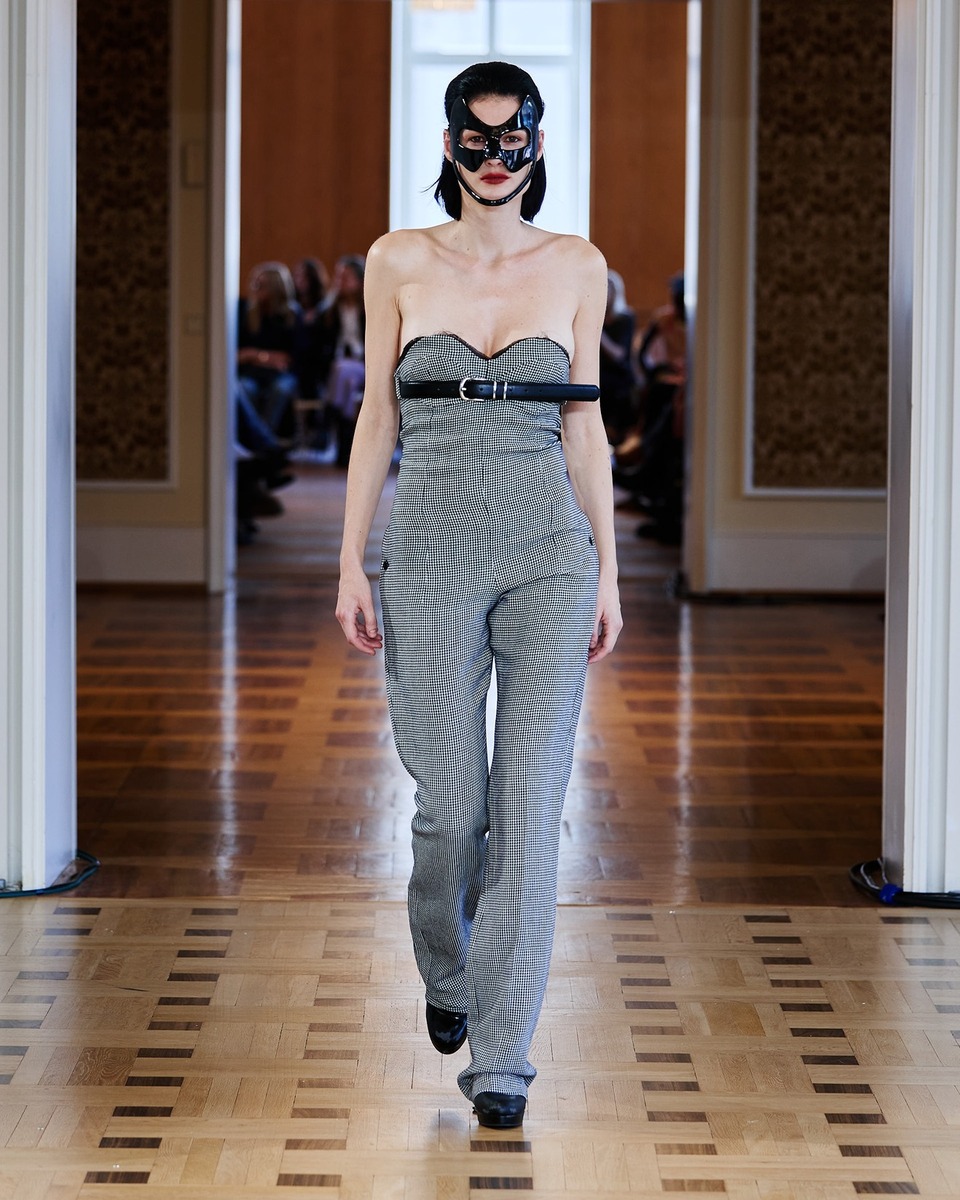
After debuting Woodman Pt.2 during Milan Fashion Week, Martin Quad brought the collection to Berlin, where designer Martin Juncker's fascination with photographer Francesca Woodman translated into garments that constantly challenged the eye. Tailored trousers became skirts, blazers merged into shorts, and familiar wardrobe staples were reconstructed into silhouettes that felt quietly surreal. Even in a restrained monochrome palette, the collection never stopped surprising.
RAUM.Berlin Turned Fashion Into a Living Conversation

Rather than presenting finished collections, RAUM.Berlin invited visitors inside the creative process itself. PANOS GOTSIS encouraged models to style their own looks live, allowing garments to evolve throughout the presentation. KROBOS shifted attention toward pattern cutting, displaying garment patterns as part of the installation, while INLÉ STUDIO explored clothing as emotional protection through 6A02. Naomi Tarazi completed the experience by surrounding her designs with lush botanical installations, reinforcing the idea that fashion can be something to experience rather than simply observe.
John Lawrence Sullivan Challenged Gender Through Precision

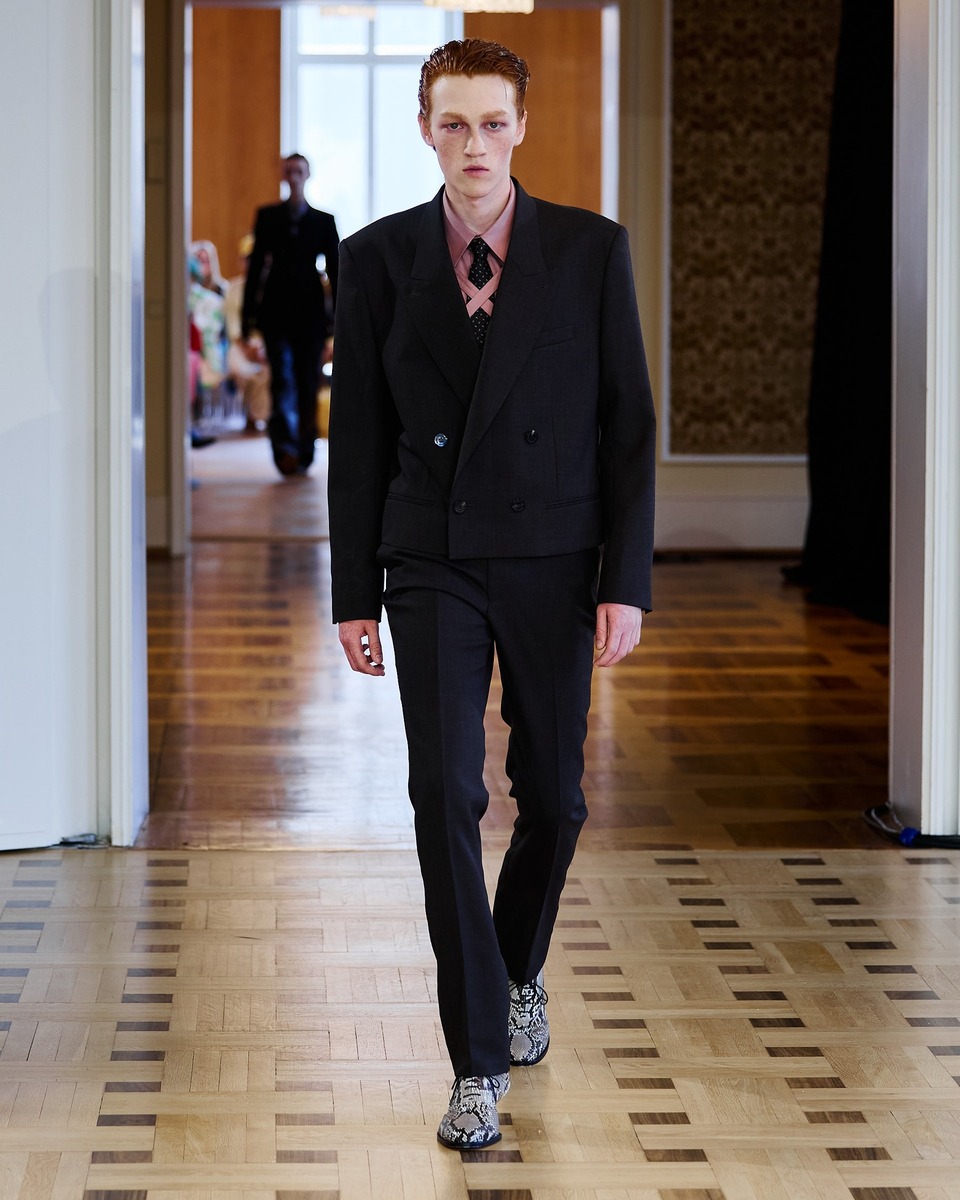
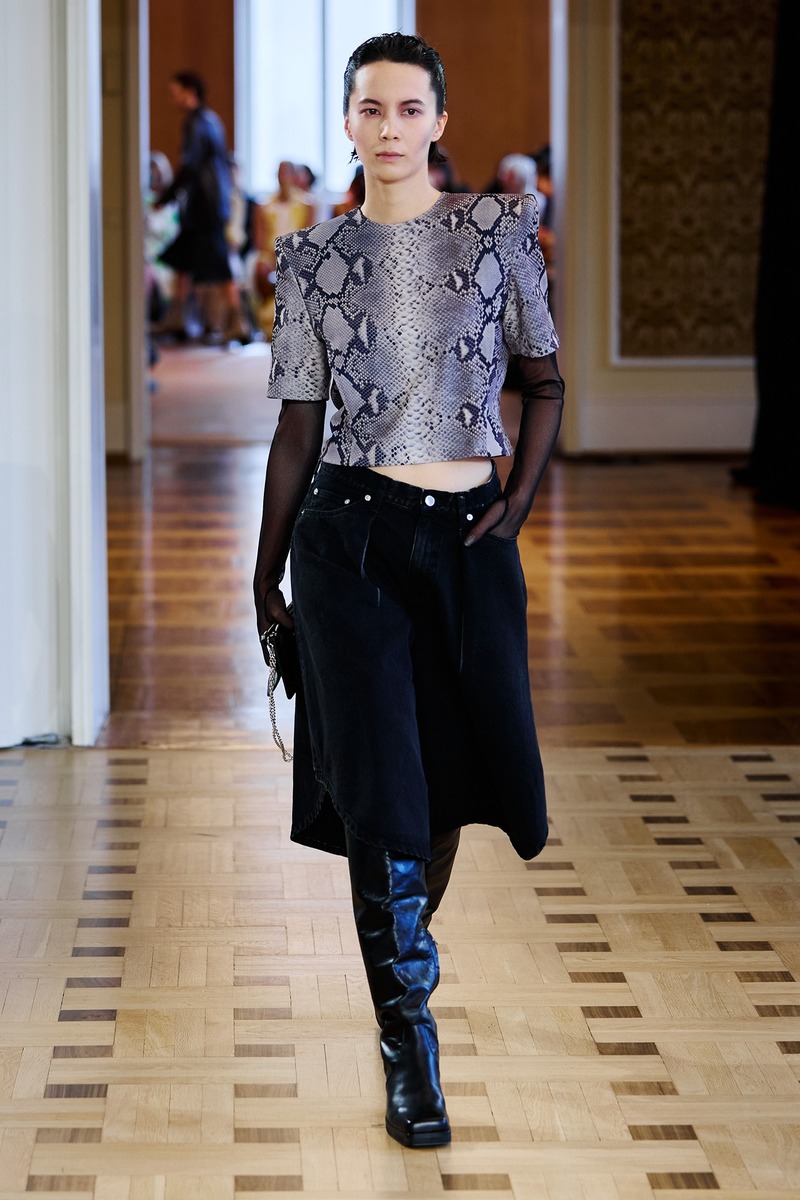
Arashi Yanagawa's Androgyny collection questioned conventional ideas of masculinity and femininity without relying on obvious statements. Shibari-inspired details wrapped around sharply tailored coats and jackets, while reptilian textures symbolized transformation and renewal. Referencing Bettina Rheims' Modern Lovers portrait series, the collection embraced ambiguity, allowing garments to exist somewhere between traditionally masculine and feminine without feeling confined to either.
Kolya Bogatyrev Found Beauty in What Clothes Remember
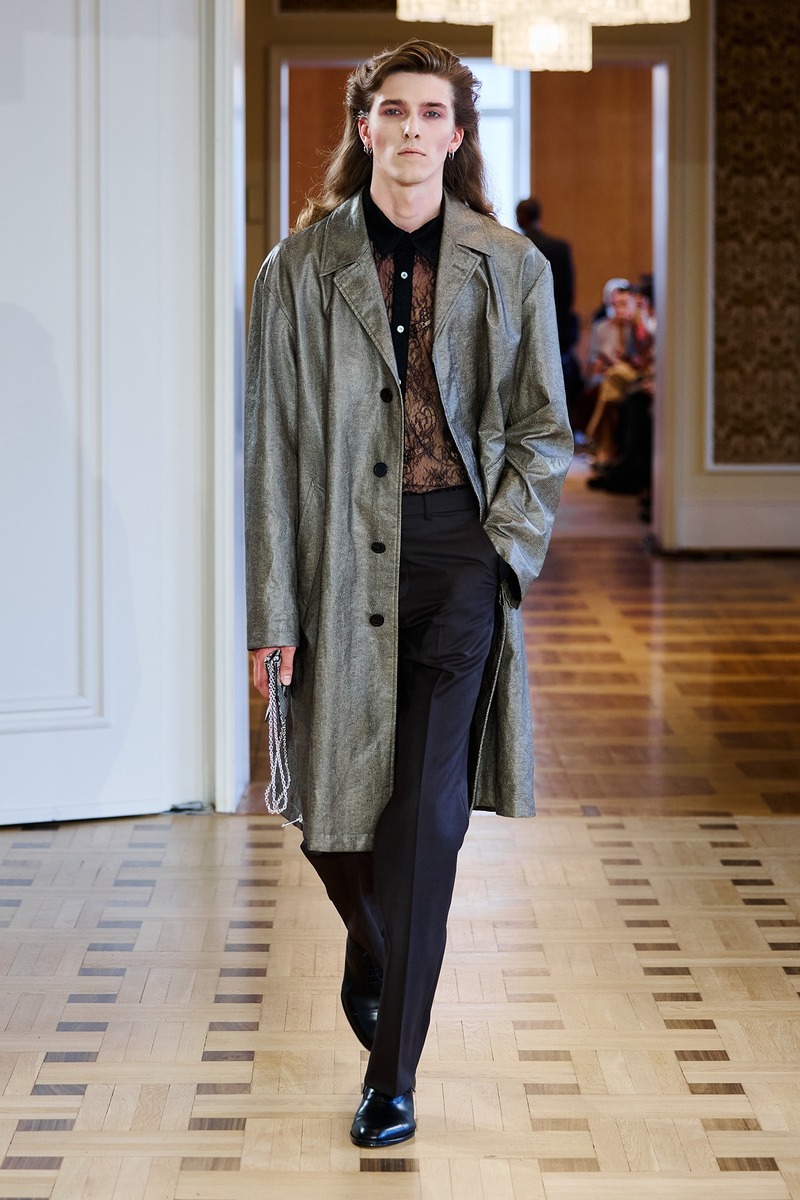
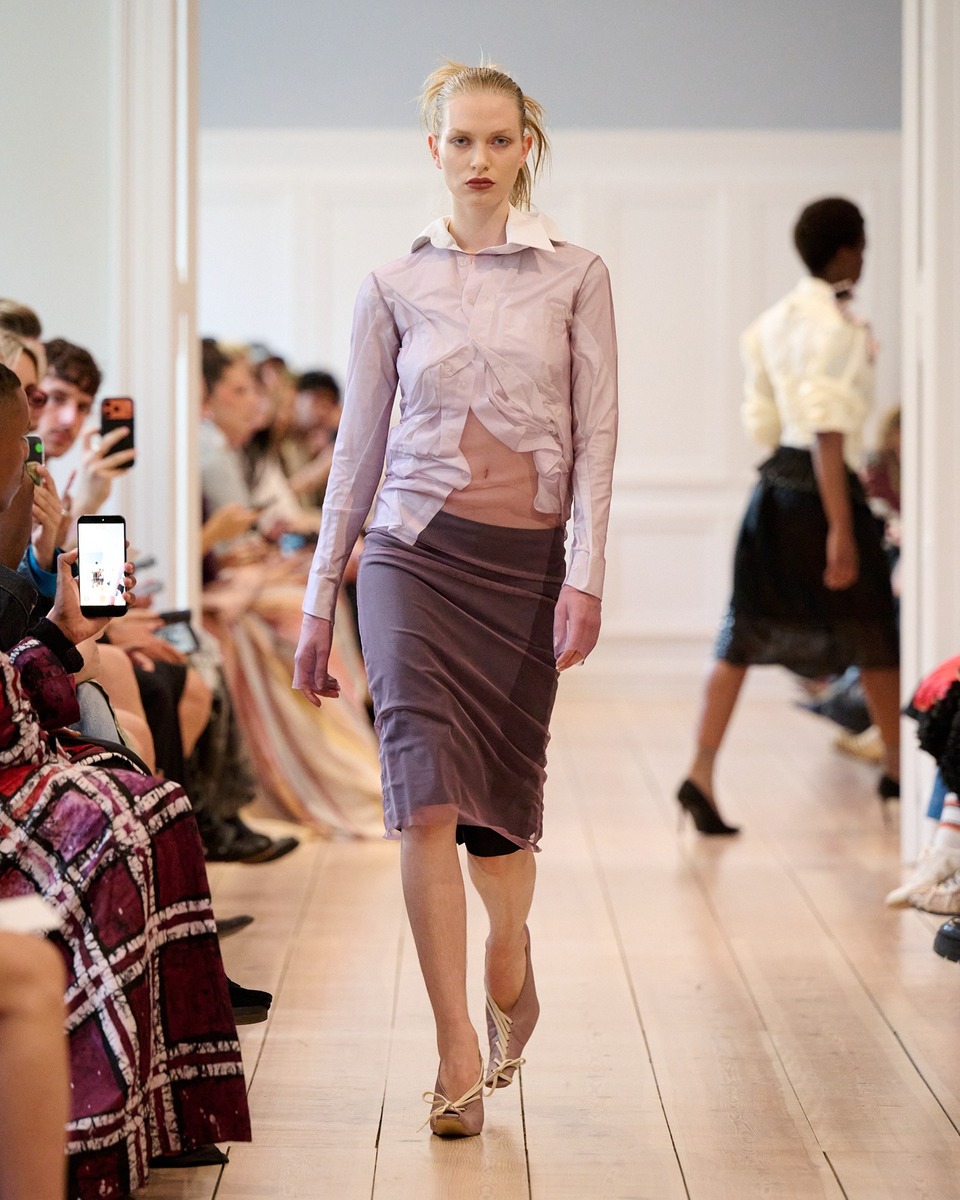
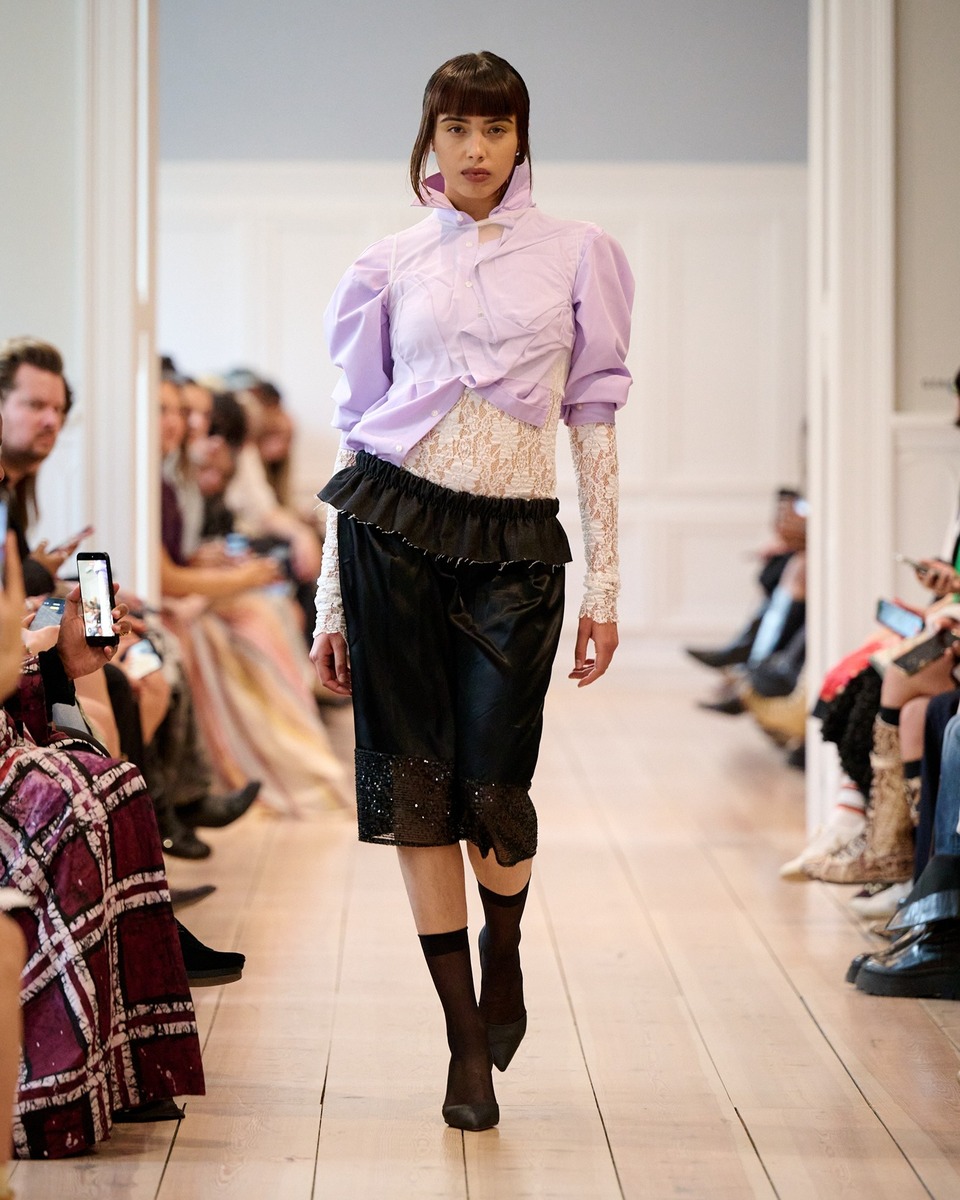
 Memory became the foundation of Classical Reminder. Shirts, uniforms, and tailored garments were dismantled before being carefully rebuilt, leaving traces of their previous lives visible throughout each piece. The collection balanced structured tailoring with transparent fabrics and delicate handwork, creating silhouettes that felt both fragile and precise. Rather than hiding imperfections, Bogatyrev allowed them to become part of each garment's story.
Metamorphosis Looked Beyond the Runway
 Fashion wasn't only happening on the catwalk. Day three of Metamorphosis, powered by eBay, brought together editors, creatives, casting directors, journalists, and industry leaders to discuss how fashion continues to evolve through social media, live shopping, storytelling, and representation. The conversations served as a reminder that the industry's future will be shaped just as much by communication as by clothing itself.
Selva Huygens Turned Scrap Materials Into Space-Age Glamour
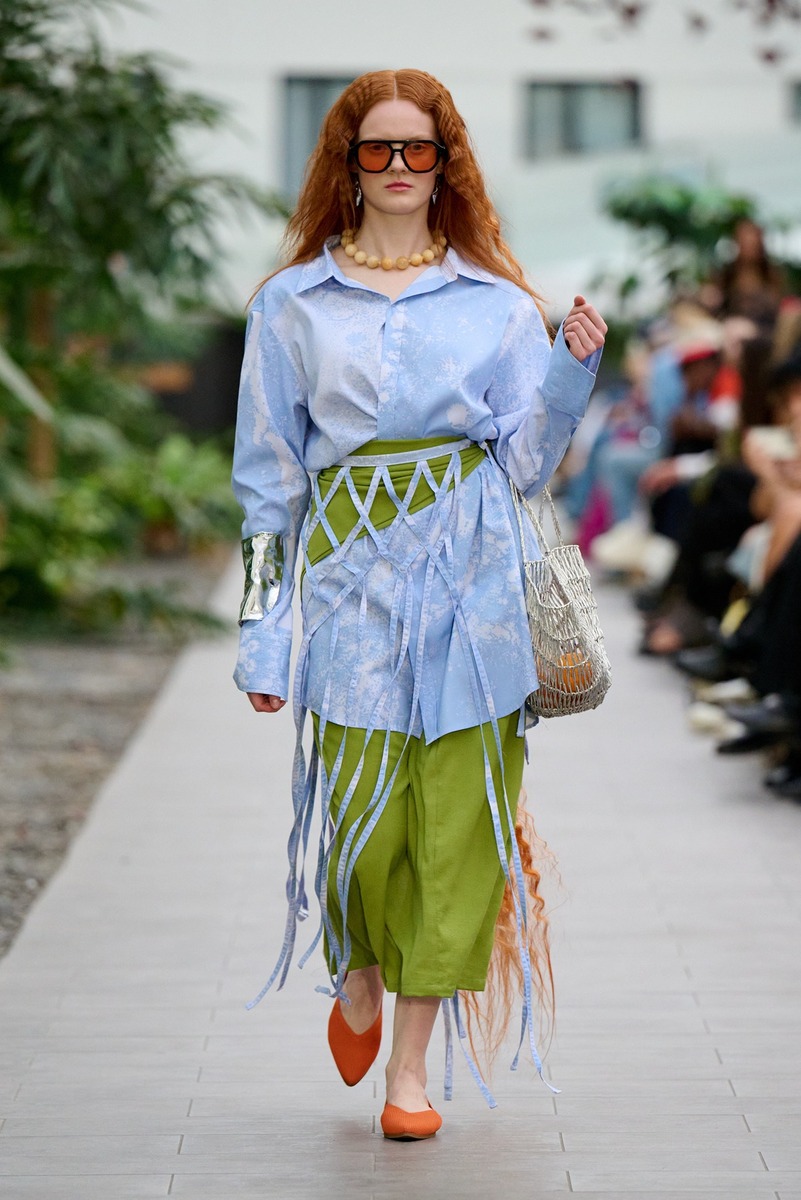
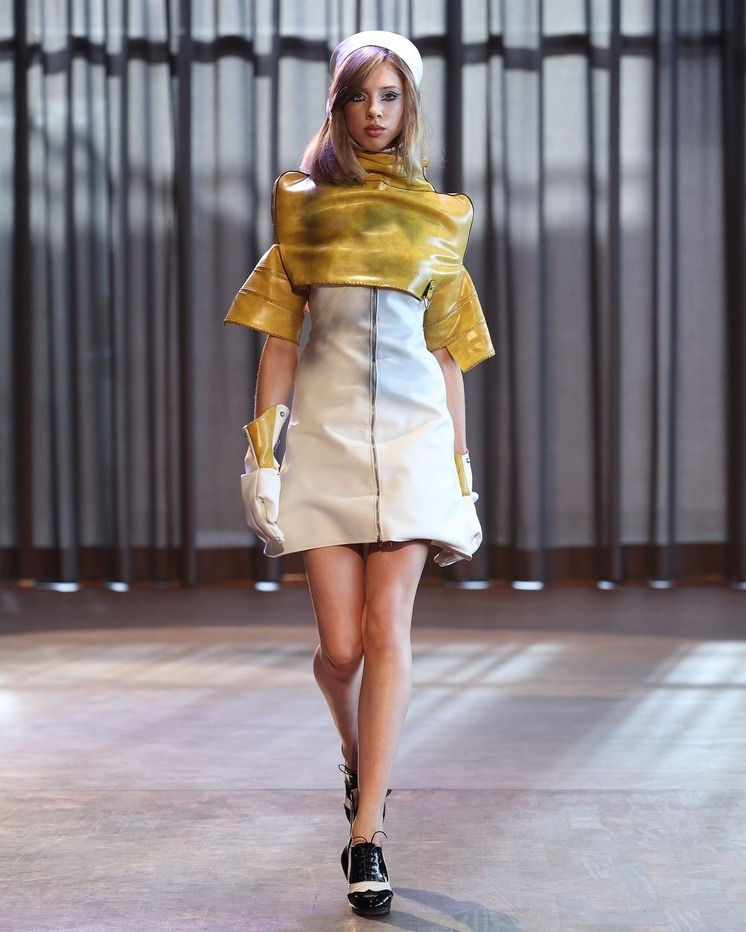
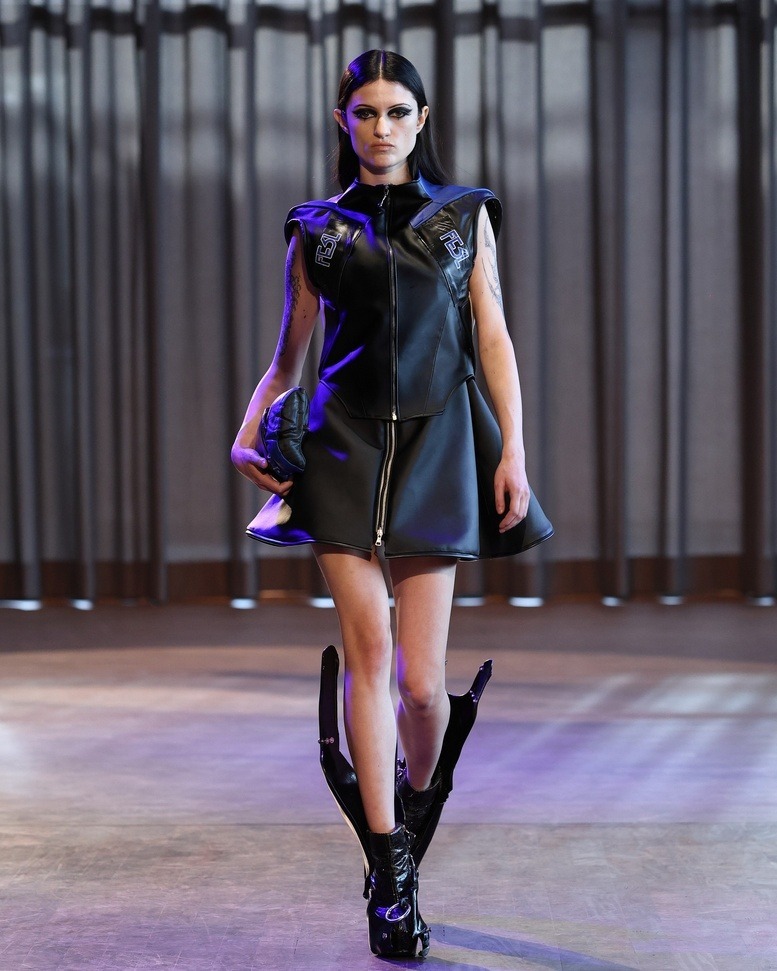
 Making its Berlin Fashion Week runway debut, Selva Huygens embraced retro-futurism with Aerospatial. Inspired by 1960s space-age design and brutalist architecture, the collection transformed discarded materials into sculptural fashion. Corsets crafted from rubber car mats, skirts assembled from industrial straps, and sunset-toned leather dresses demonstrated that sustainability doesn't have to sacrifice imagination. With around 90 percent of the collection created from upcycled, recycled, or found materials, the label's circular philosophy felt naturally embedded rather than performative.
Ritual Unions Blurred the Line Between Fashion and Performance Art
 With CEREMONY, Karin Brettmeister transformed fashion into an immersive installation inspired by religious rituals. Visitors moved through spaces dedicated to purification, confession, marriage, and loss, culminating in haunting garments like a skeletal boned gown that explored grief through clothing. Combined with Anna Görike's atmospheric set design and Mandy Mozart's orchestral-electronic score, the presentation questioned how fashion can create community through shared emotional experiences.
IMPARI Returned With a Collection Built on Transformation

Marking the brand's relaunch, ANIMA explored the relationship between technology, memory, and nature through deconstructed silhouettes that constantly shifted between softness and structure. Inspired by the philosophy of Achille Mbembe, IMPARI presented clothing not as static objects but as living carriers of history and identity. The show expanded beyond fashion entirely, weaving spoken word, movement, music, and live performance into an experience that felt closer to contemporary art than a traditional runway.
Berlin Fashion Week ended with designers reminding us that fashion becomes its most compelling when it's willing to experiment, embrace contradiction, and leave a few questions unanswered.








 Connect with Facebook