




Berlin Fashion Week Day Three Reminded Me That Fashion Is Always Telling a Bigger Story
The strongest collections are built around people.
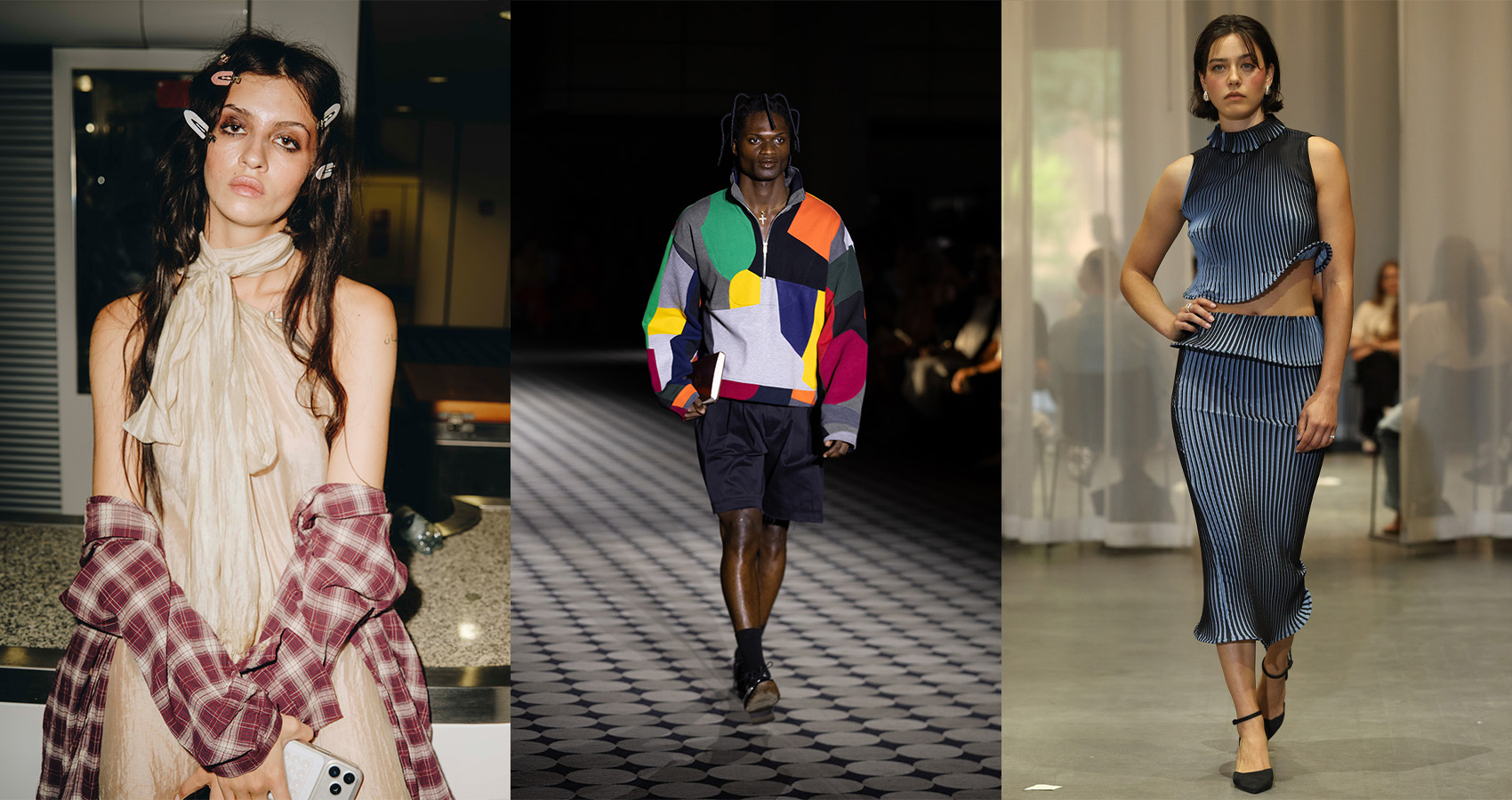
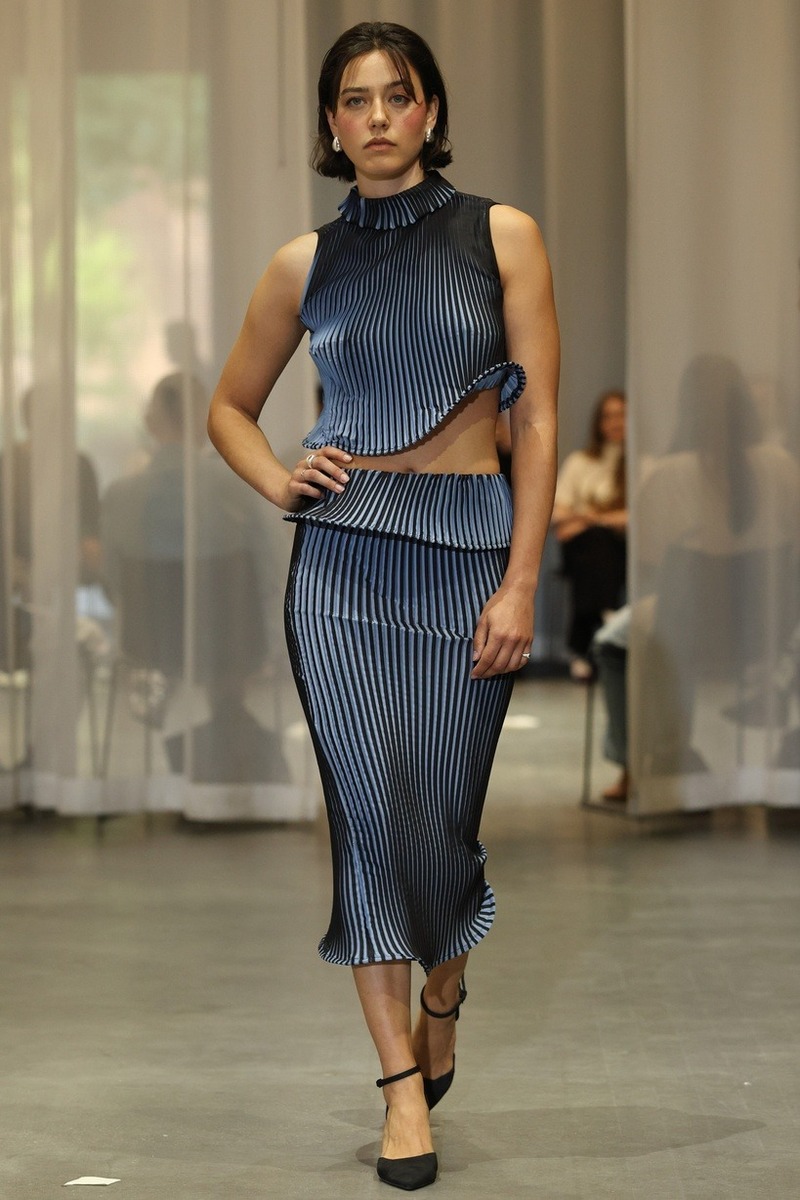
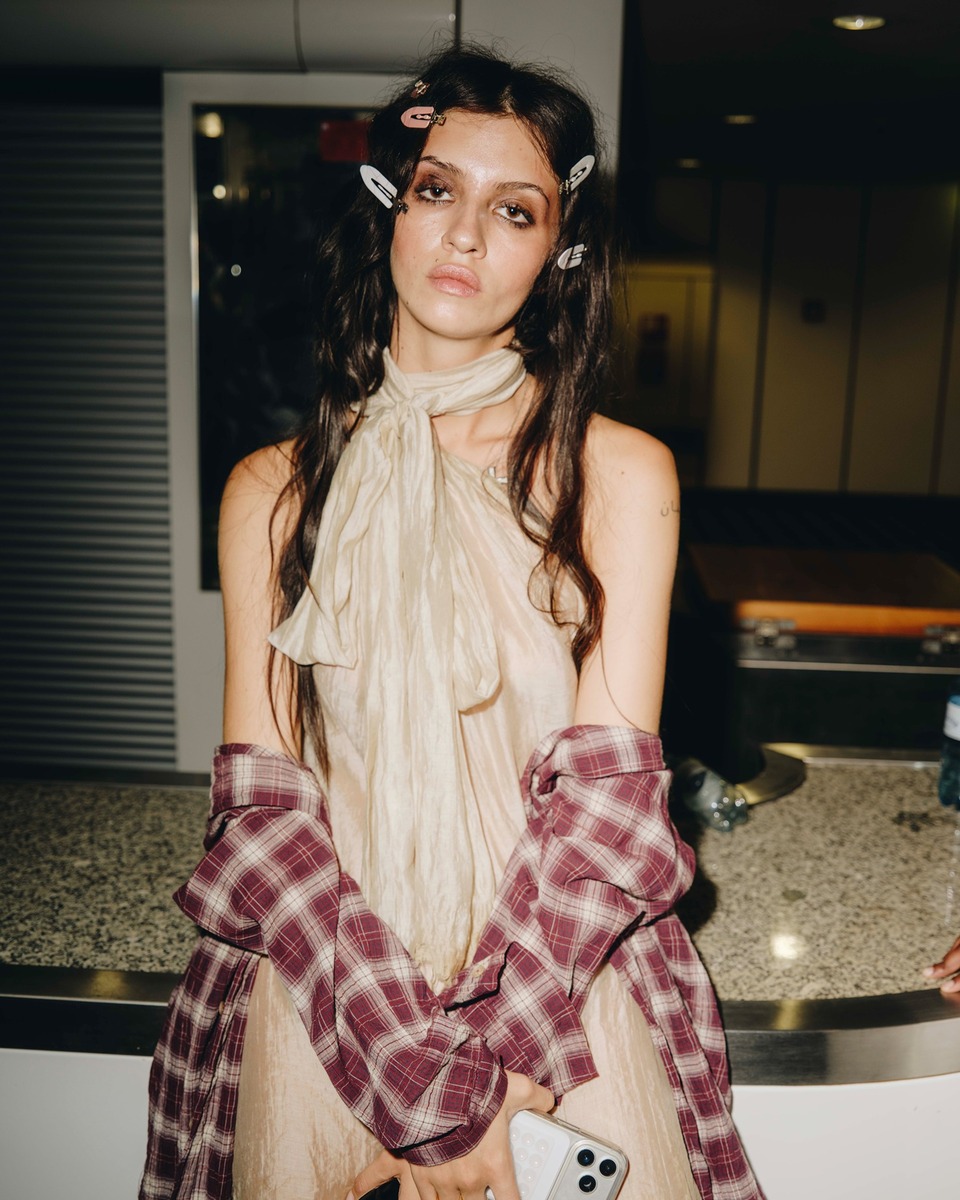
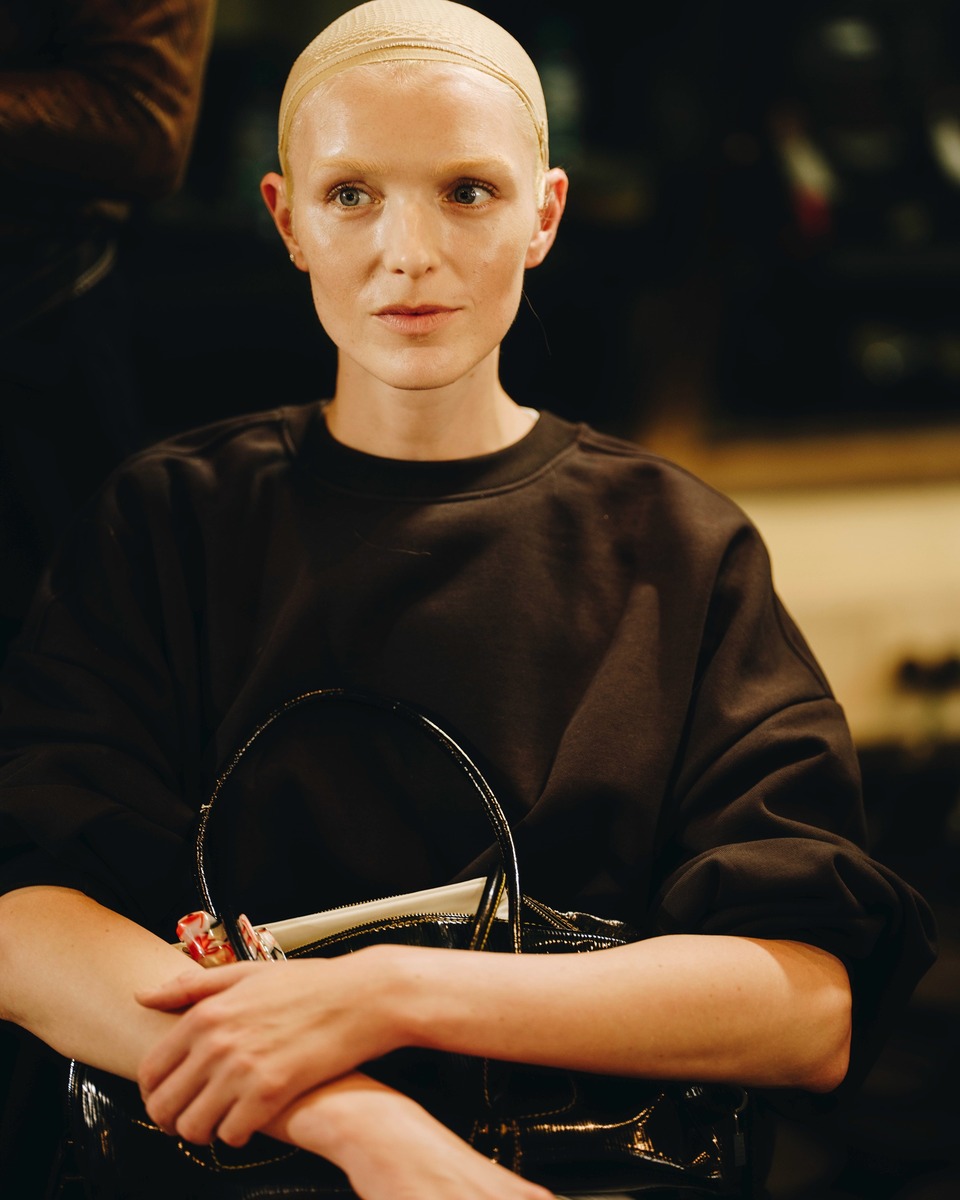
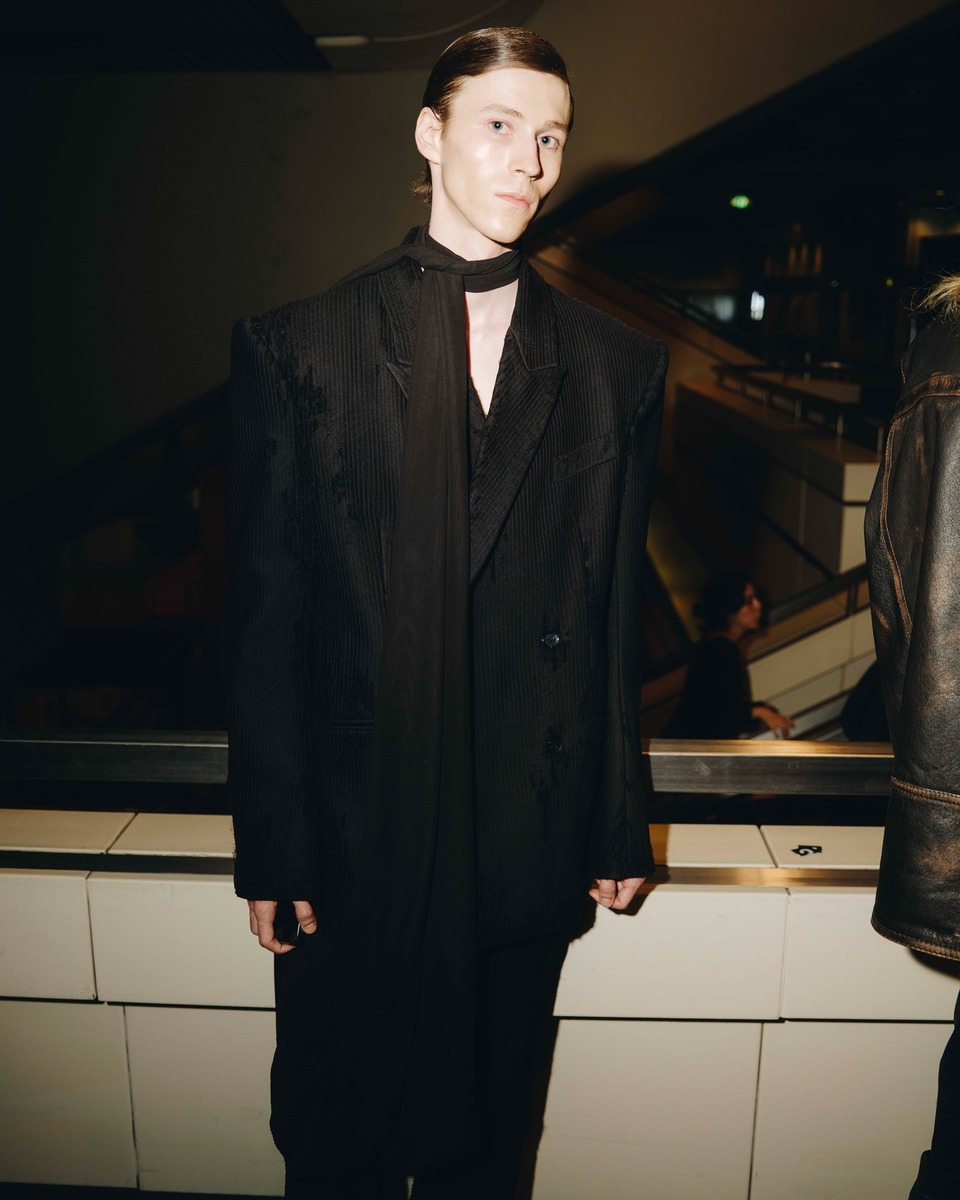
Day three of Berlin Fashion Week Spring/Summer 2027 felt deeply rooted in identity, memory, and emotion. Whether designers looked to political history, personal healing, or sustainable innovation, each presentation proved that clothes become far more interesting when there's a story woven into every seam.
Buzigahill Looked Back to Imagine Something New

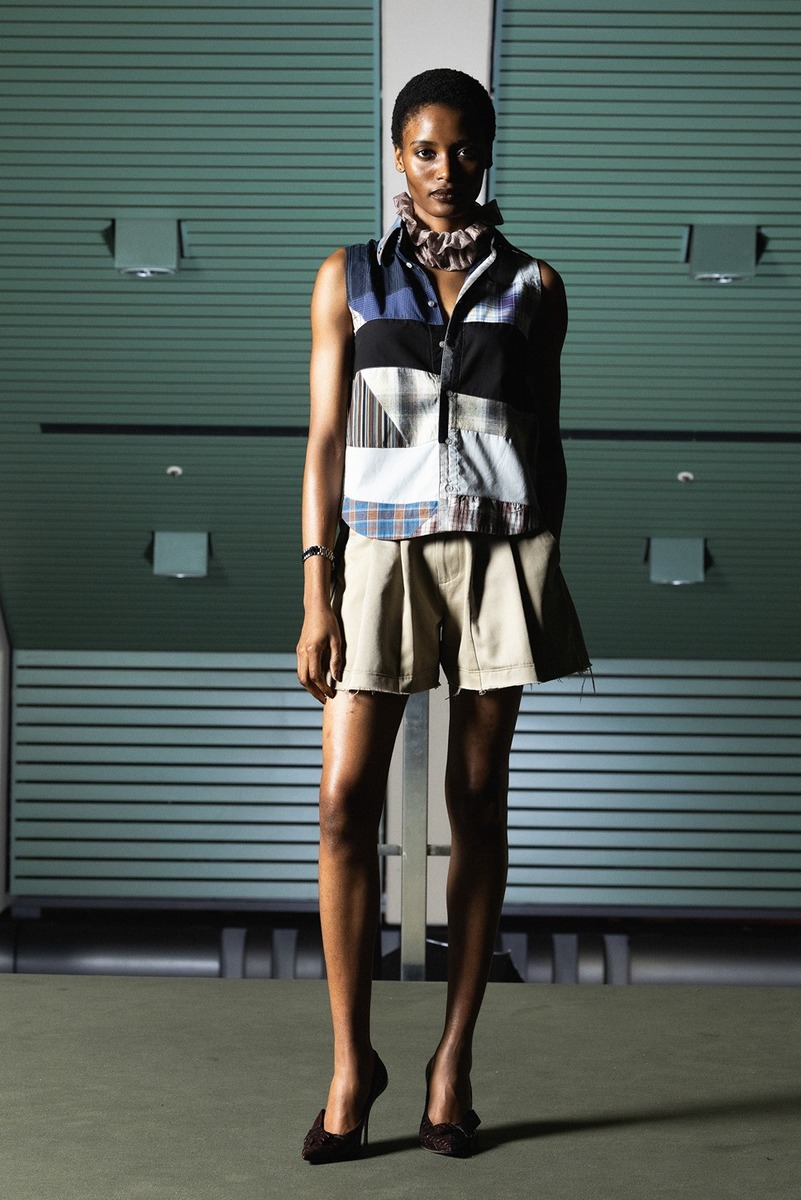
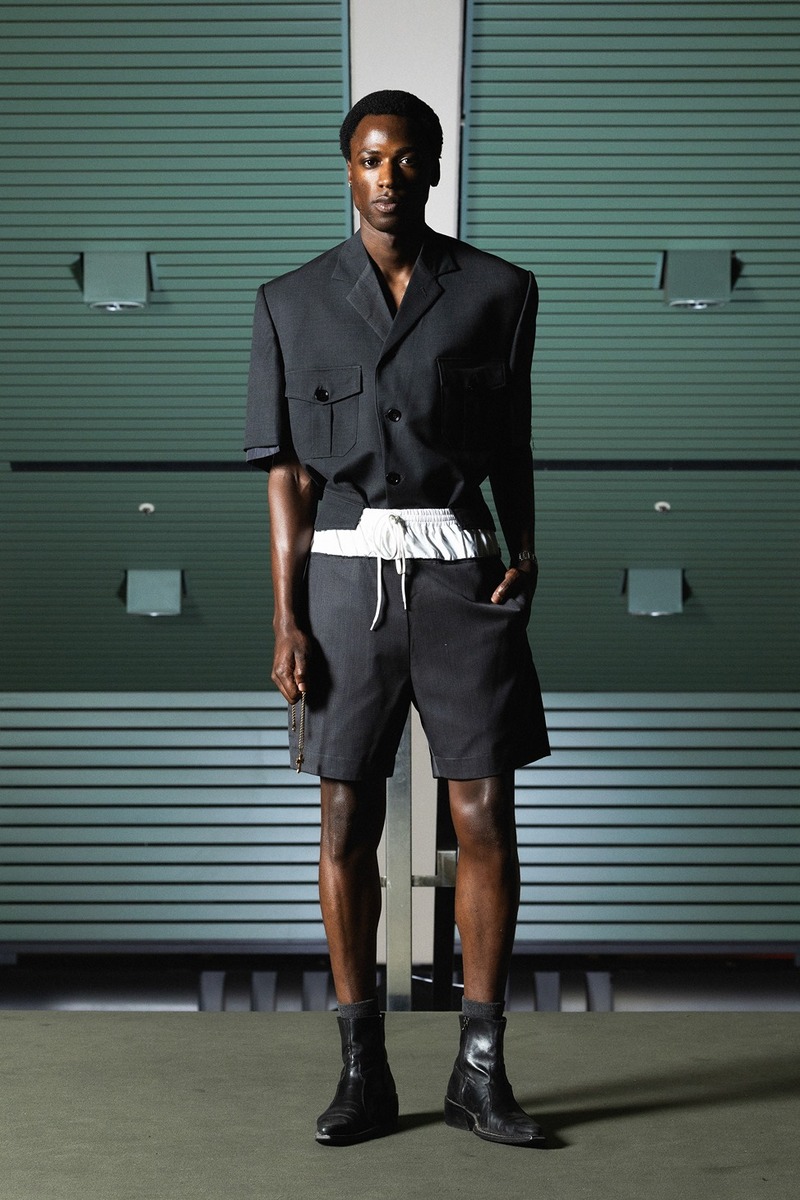
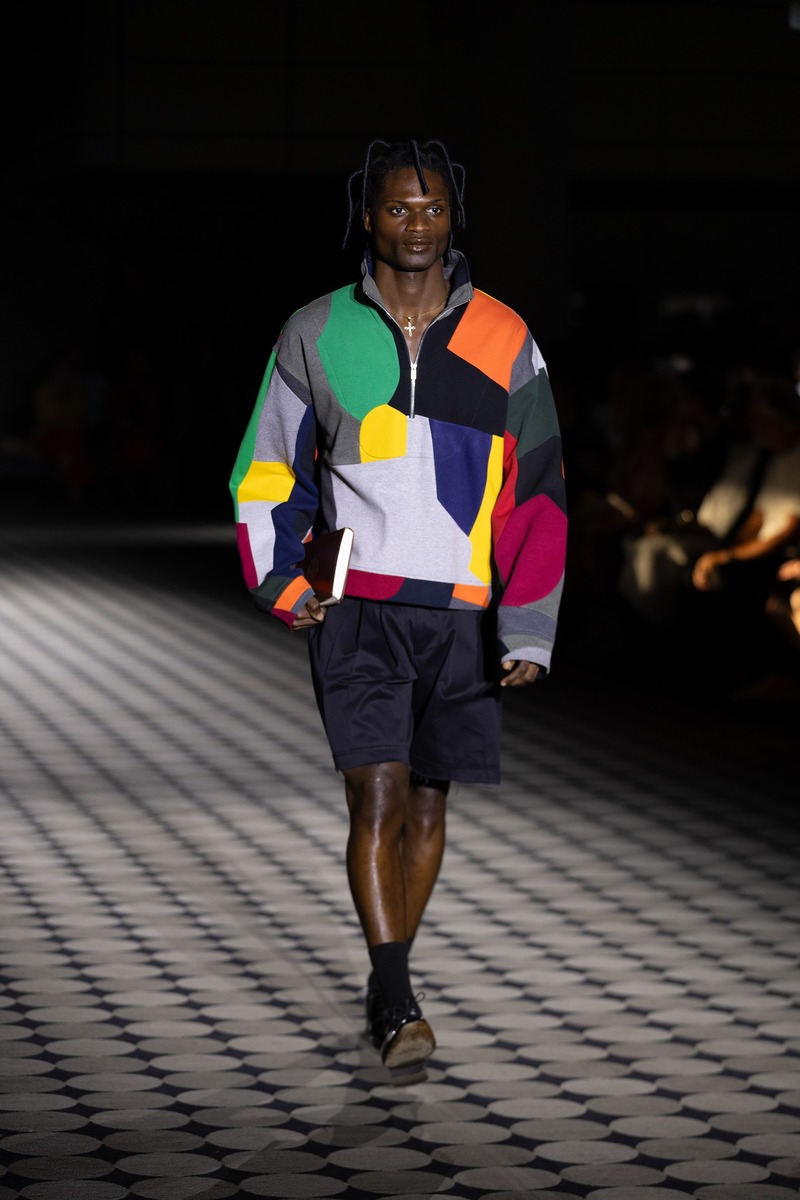
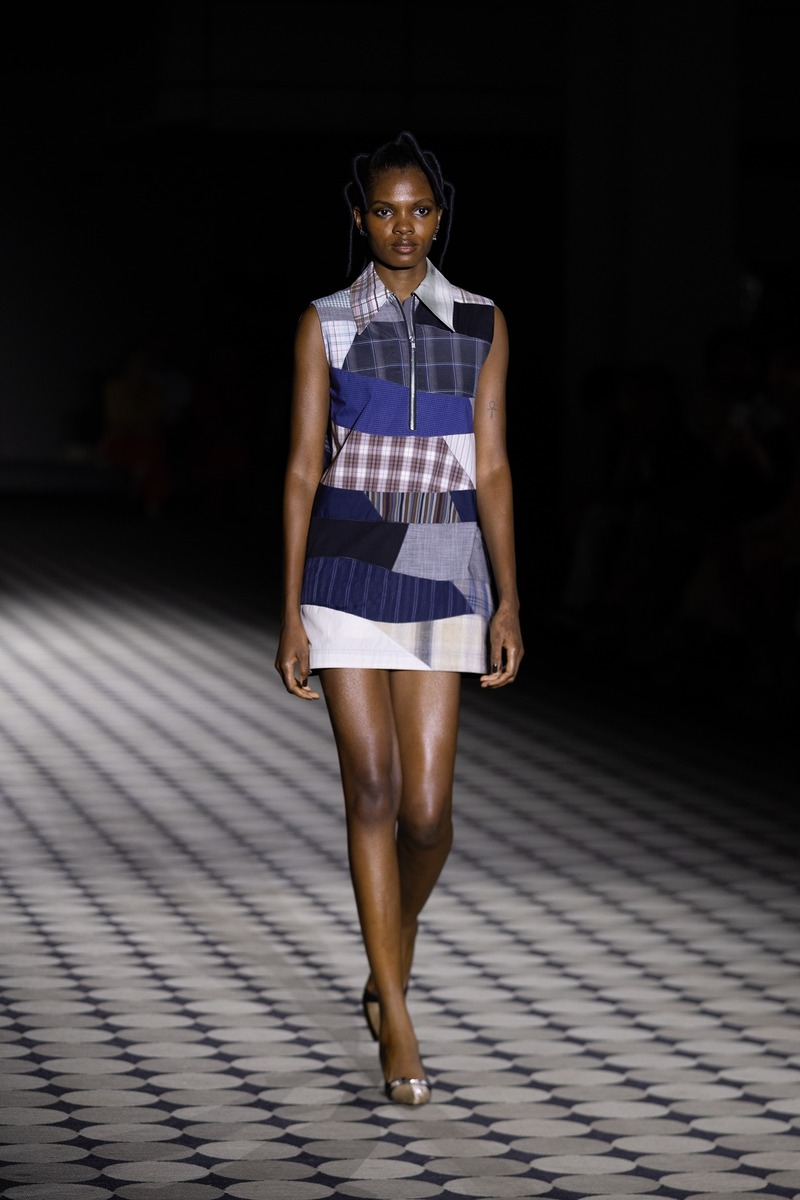
Bobby Kolade's latest Return to Sender collection revisited the optimism that followed East Africa's independence during the 1960s. Rather than treating history like a museum exhibit, the collection celebrated the confidence and self-determination that shaped a new generation's style. The relaxed Kaunda suit, named after Zambia's first president Kenneth Kaunda, became a symbol of freedom from colonial dress codes, while references to Ugandan diplomat and fashion icon Princess Elizabeth Bagaaya highlighted how clothing can become a form of cultural diplomacy. It was a thoughtful reminder that fashion often carries the weight of history while pointing toward the future.
Der Berliner Salon Continued to Champion Germany's Next Generation

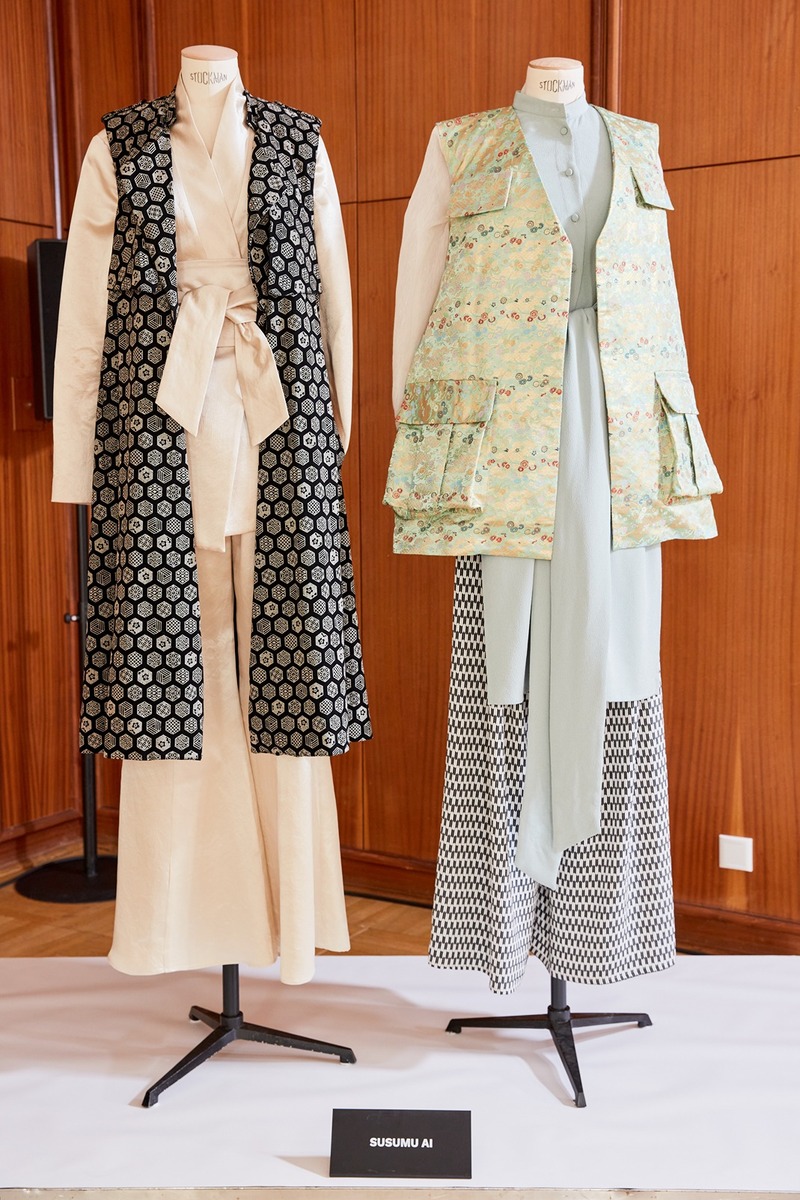
Inside the historic Orangery at Charlottenburg Palace, Der Berliner Salon once again gathered some of Germany's most exciting emerging designers under one roof. Featuring work from 36 talents, the exhibition balanced craftsmanship with experimentation, offering international visitors a chance to experience the breadth of Berlin's creative scene beyond the runway. It reinforced why the Salon has become one of Fashion Week's most important platforms for discovering new voices.
UNVAIN Turned Every Look Into Its Own Character

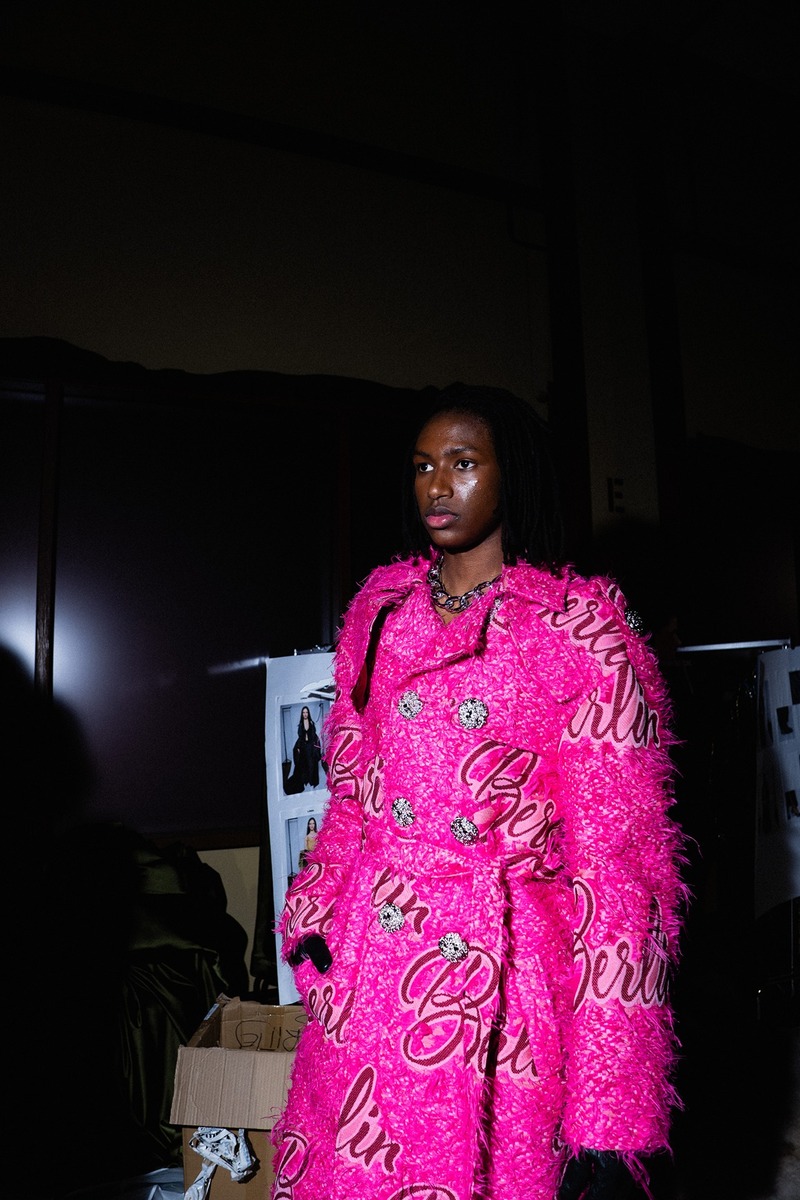
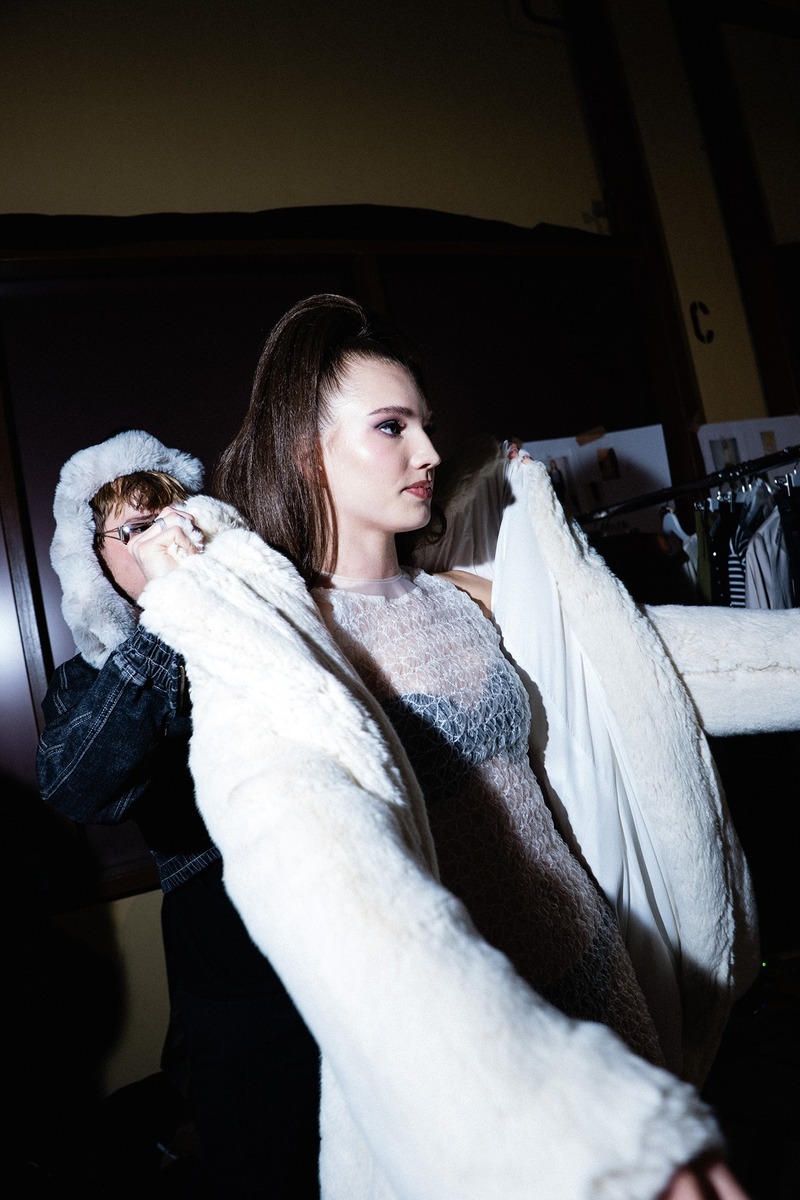
Rather than presenting a single narrative, UNVAIN's Skins collection introduced an entire cast. Continuing the world established during the brand's Berlin Fashion Week debut earlier this year, Robert Friedrichs imagined clothing as both protection and personality. Leather, faux fur, and sheer fabrics created bold silhouettes, while a booklet handed to guests revealed a short description for every character walking the runway. Some were arrogant. Others insecure. Together they made the show feel closer to a coming-of-age drama than a traditional fashion presentation.
RAUM.Berlin Let Visitors Step Inside the Creative Process

Instead of asking audiences to simply watch, RAUM.Berlin encouraged them to experience fashion from multiple perspectives. LEALABOB placed garments into everyday scenes like bus stops and skate parks, while Laura de Sousa recreated the atmosphere of 1960s Portugal through immersive installations. Socit Angelique flipped the traditional runway on its head by inviting guests to walk the catwalk themselves, and Vladimir Karaleev stripped everything back to focus entirely on construction and pattern cutting. Each room offered a different reminder that clothing doesn't only exist once it's worn.
Metamorphosis Asked What Fashion's Future Should Look Like

The first day of Metamorphosis, powered by eBay, shifted attention away from collections and toward the industry's future. Conversations explored circular fashion, sustainability, responsible production, and new approaches to design, bringing together voices from across fashion, retail, and innovation. Rather than offering easy solutions, the discussions focused on how creativity and responsibility can evolve together.
Kilian Kerner Turned Grief Into Something Beautiful

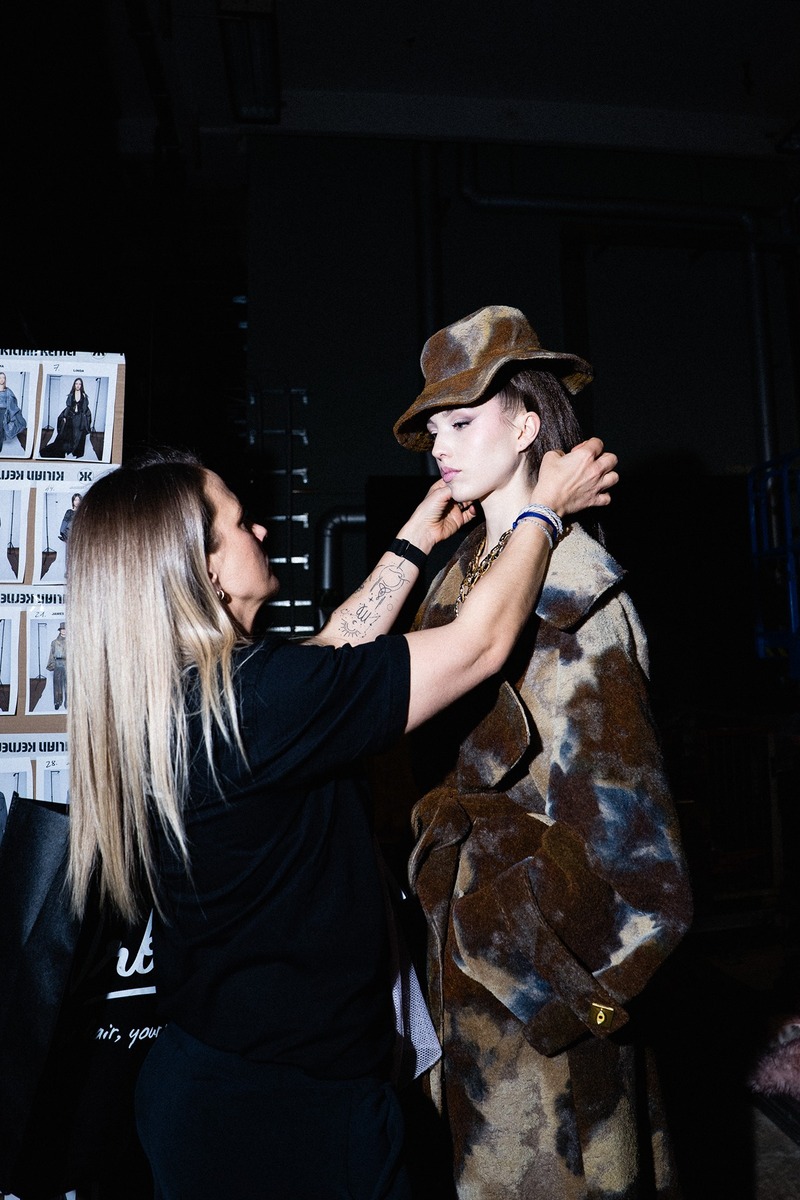
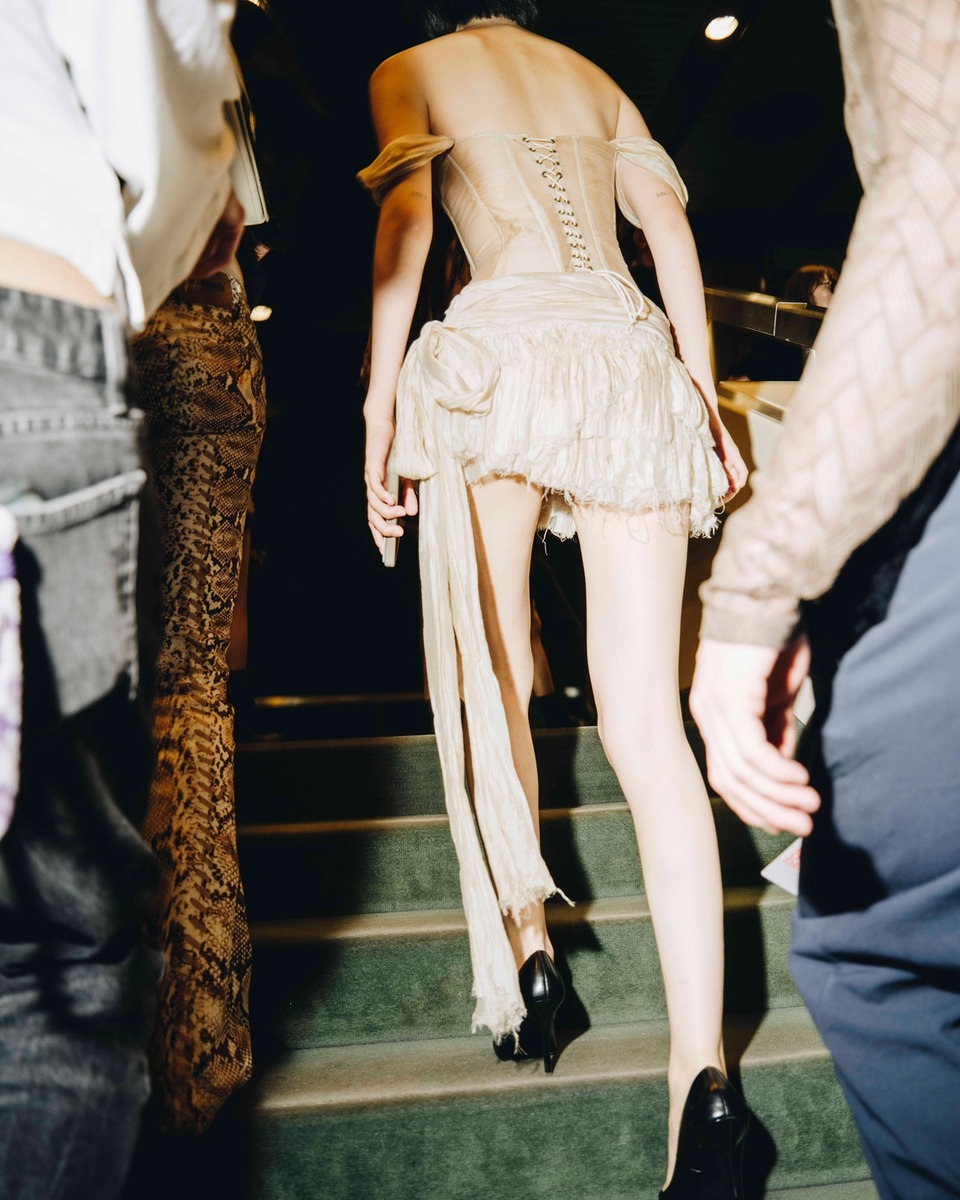
Few collections felt as emotionally raw as Burning Symphony. Kilian Kerner described it as his most personal work to date, using fashion to process loss, pain, and healing. Burn marks and scorched fabrics appeared throughout the collection like physical traces of difficult memories, while a palette that gradually shifted from black toward softer whites, creams, and earthy tones suggested hope emerging through darkness. The final wedding dress, marked with burned detailing, became one of the show's most unforgettable images.
Nowrubi Explored the Way Memories Slowly Fade

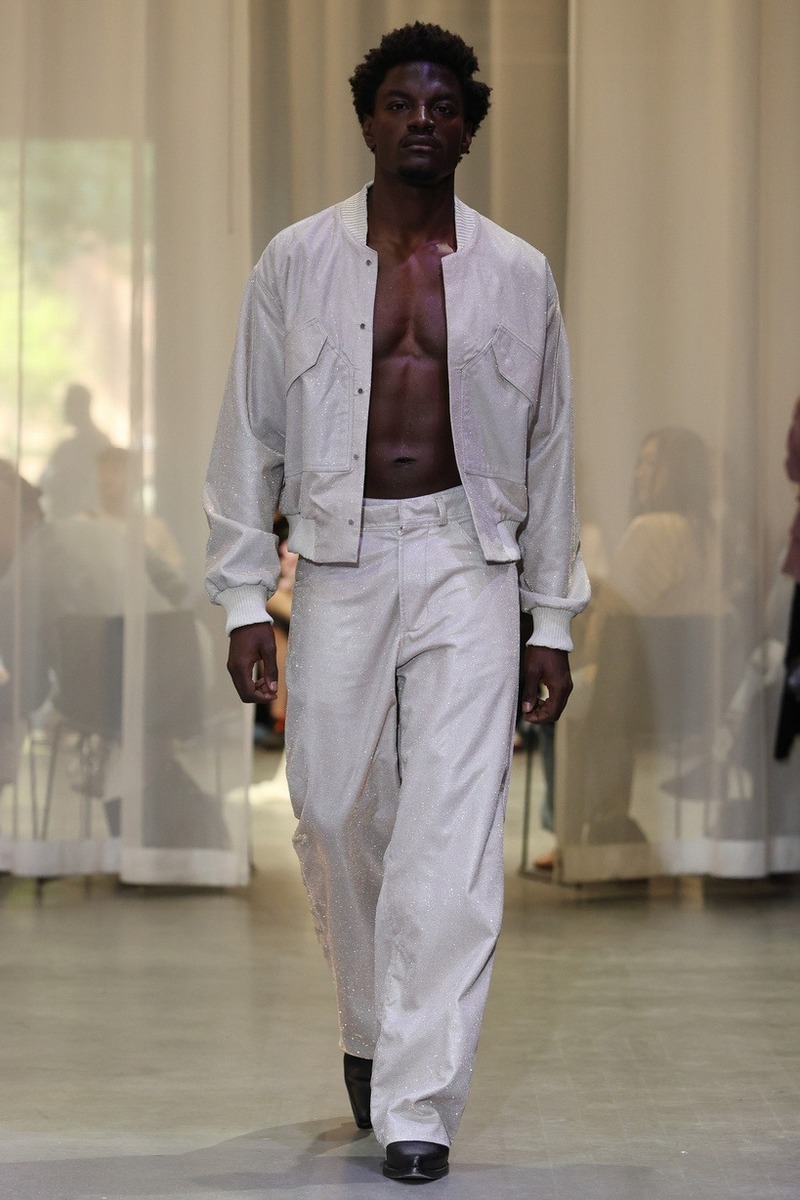
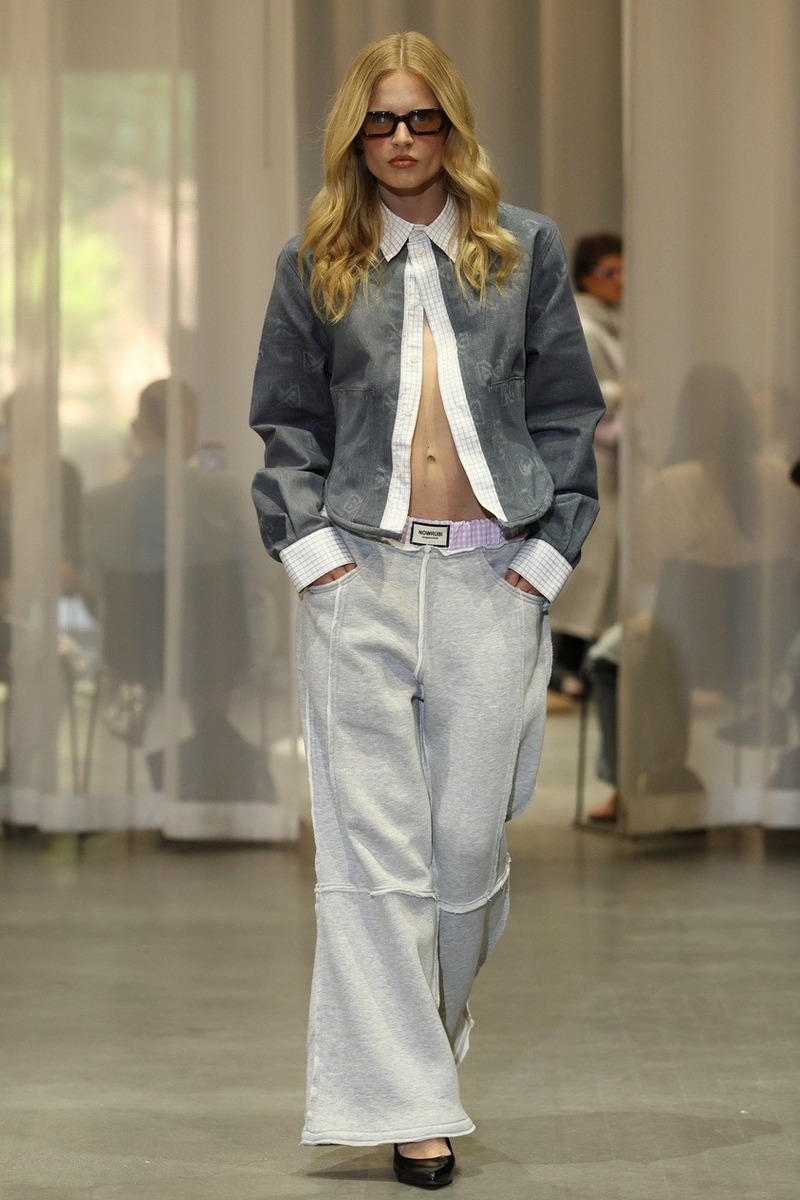
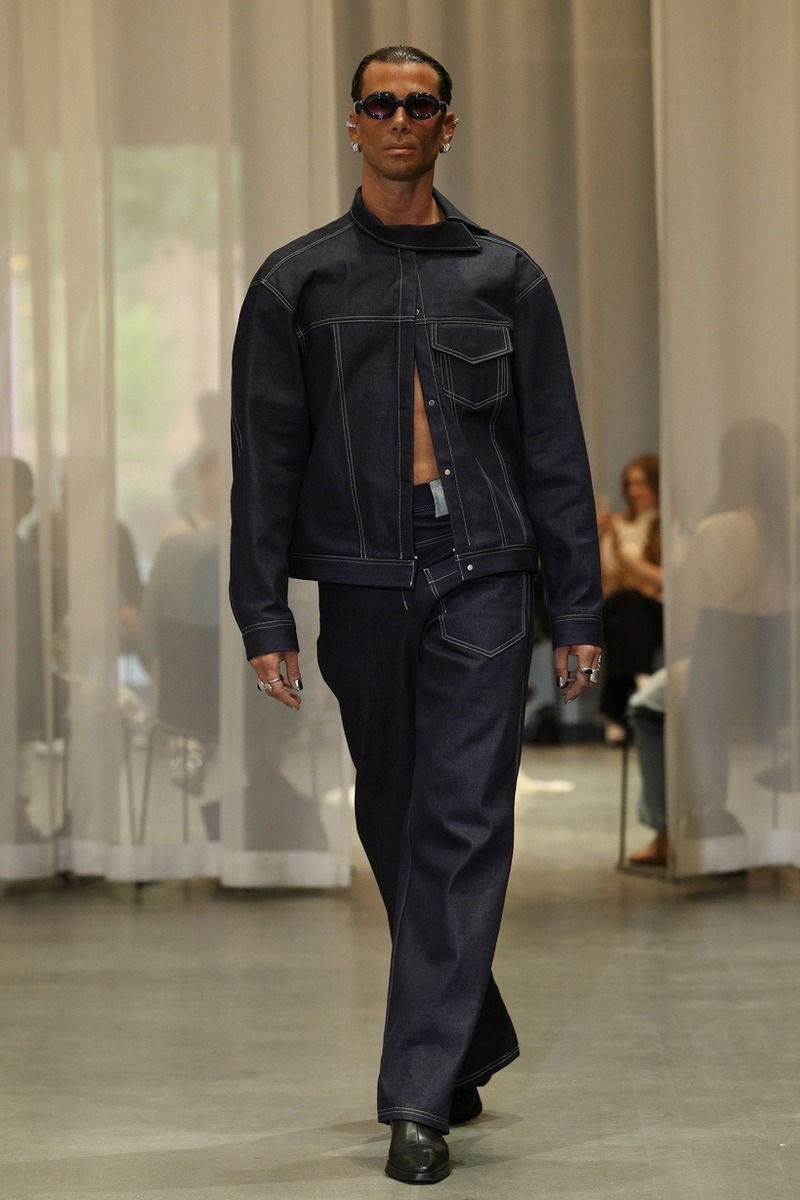
At Atelier Gardens, Ruben Nowak transformed his EPHEMERAL collection into a sensory experience. Semi-transparent curtains constantly altered how the garments appeared, moving between clarity and obscurity depending on where visitors stood. Combined with subtle scent installations and garments created entirely from deadstock fabrics, the presentation reflected on how memories soften and change over time without ever disappearing completely.
Le Black Sofa Brought Fashion and Business Into the Same Conversation

Away from the runway, Le Black Sofa gathered leaders from fashion, culture, and government to discuss Berlin's creative future. Hosted at SUPERMARQUE Concept Store, the conversation focused on how the city can continue strengthening its position as an international fashion capital while supporting the creative industries that make it unique.
The FCG Showroom Slowed Everything Down

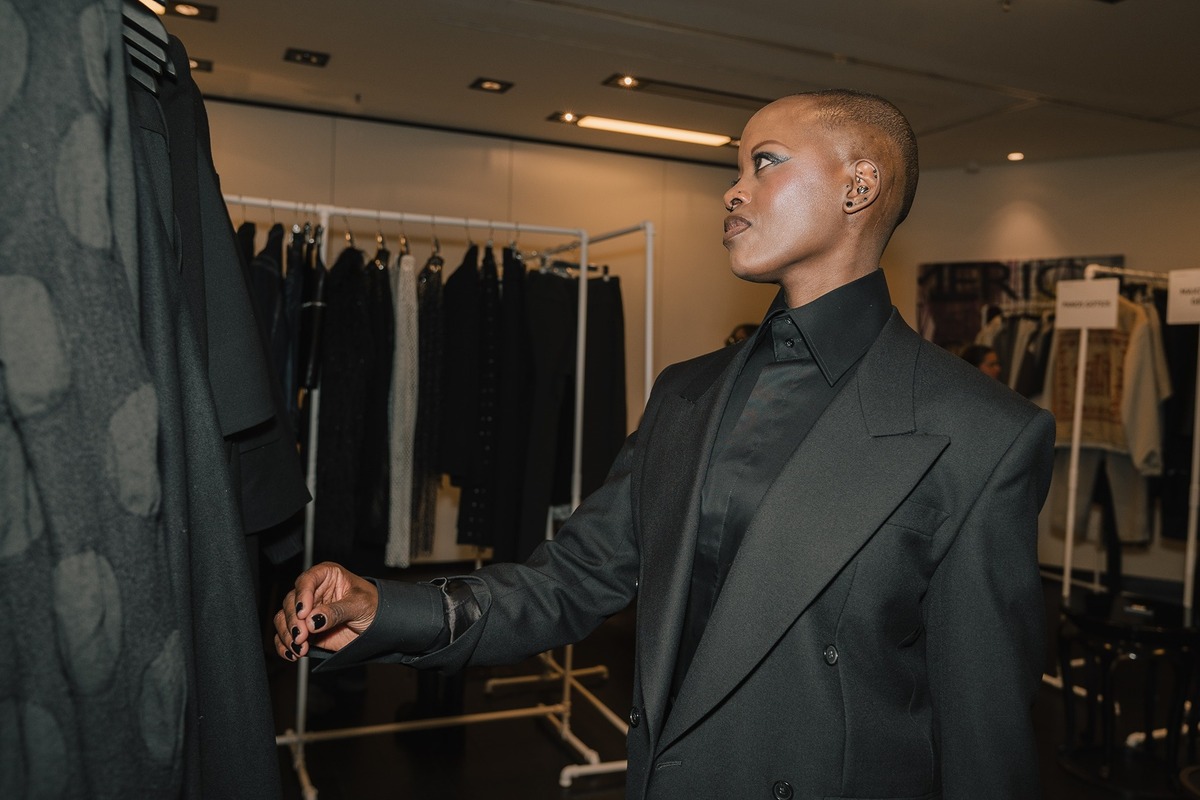
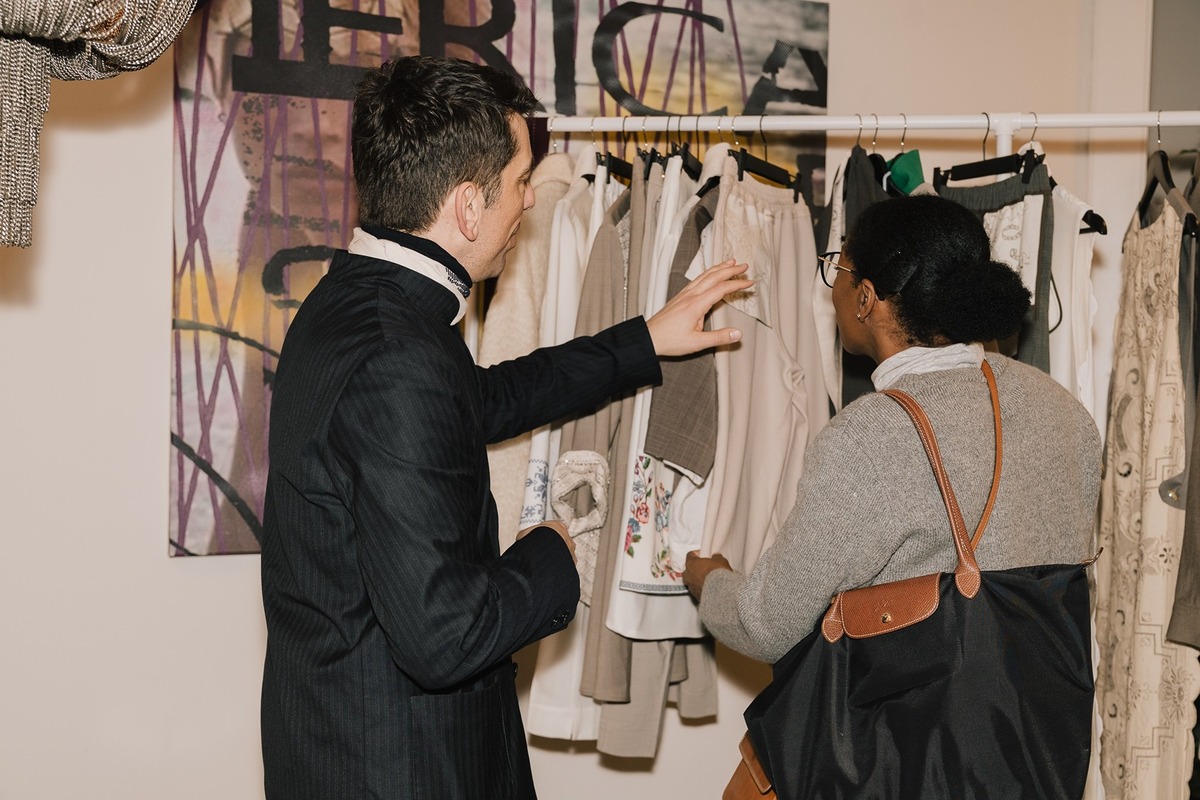
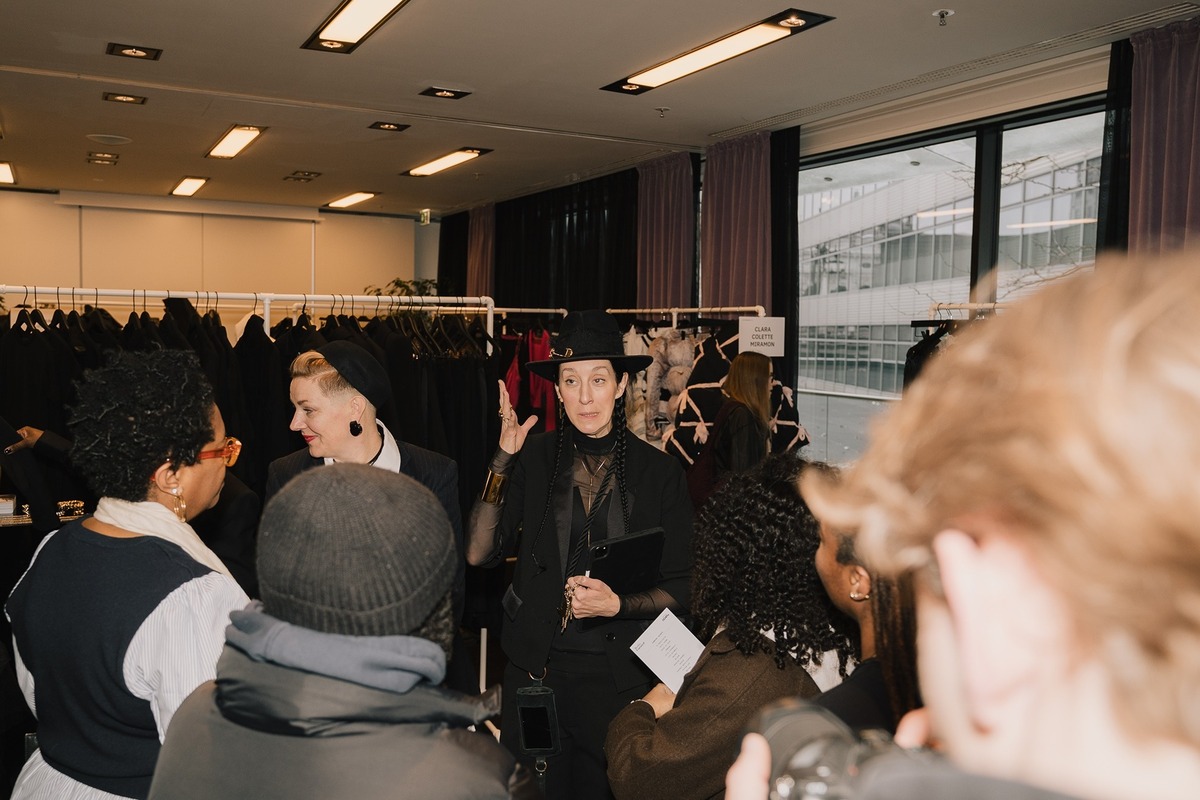
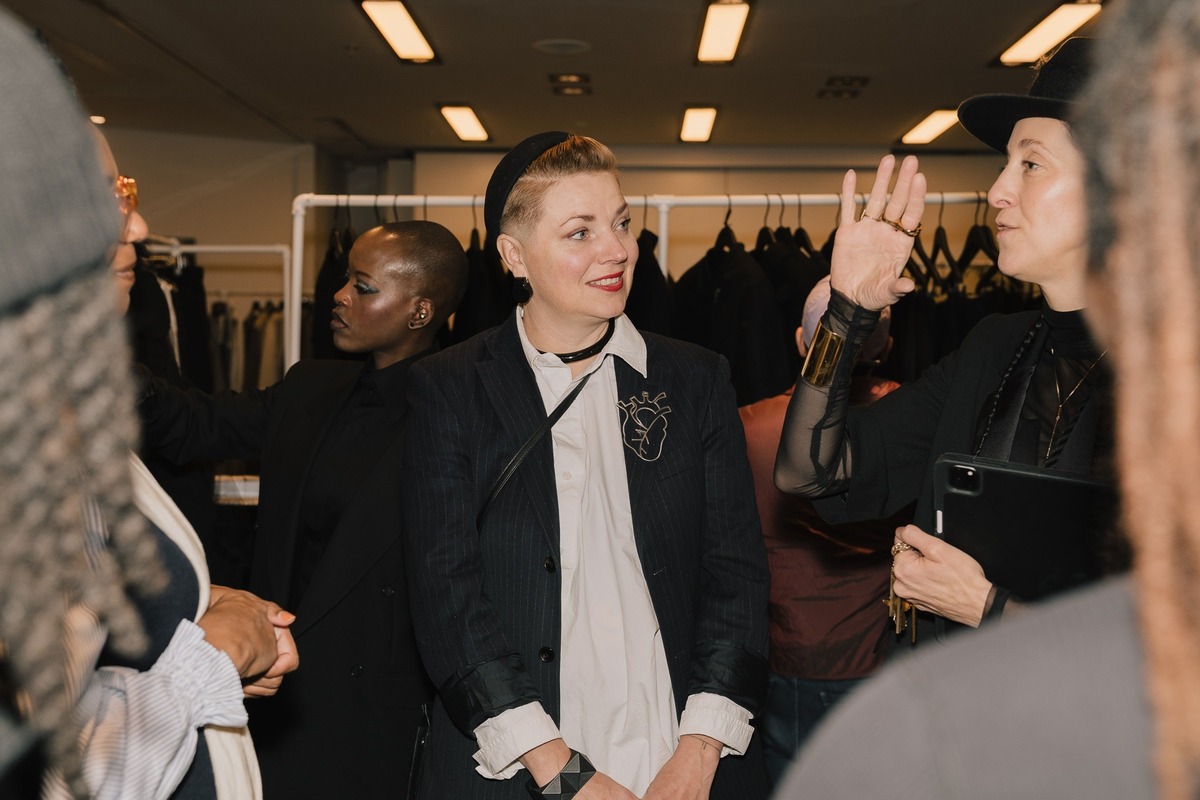
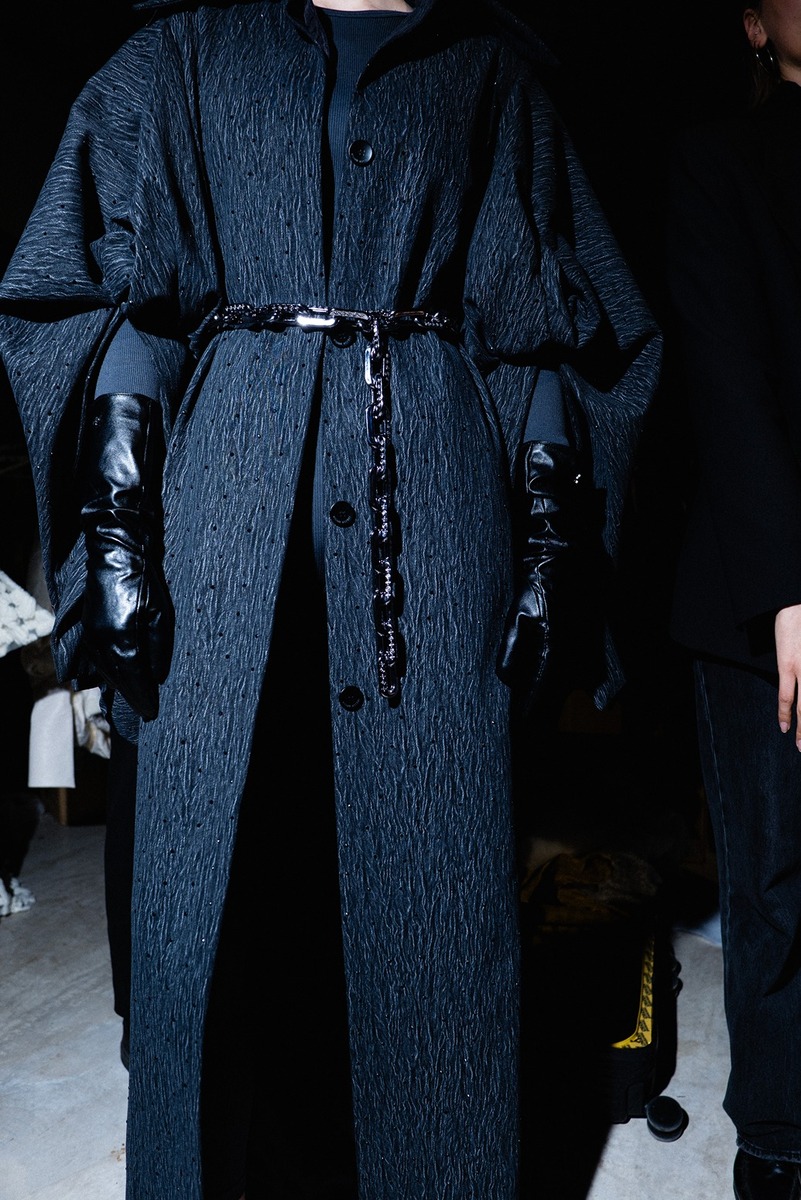
Fashion Week often moves so quickly that it's impossible to appreciate every detail. The FCG Showroom offered a welcome pause, giving buyers, editors, and visitors the chance to examine garments up close after the runway lights dimmed. Sequins, tailoring, embroidery, and craftsmanship that might have flashed by in seconds suddenly had the space to be fully appreciated.
Day three wasn't defined by one aesthetic or one trend.
It was defined by designers and creatives proving that the best fashion doesn't just dress the body. It preserves history, sparks conversation, captures emotion, and leaves you thinking long after the final look has disappeared.








 Connect with Facebook