




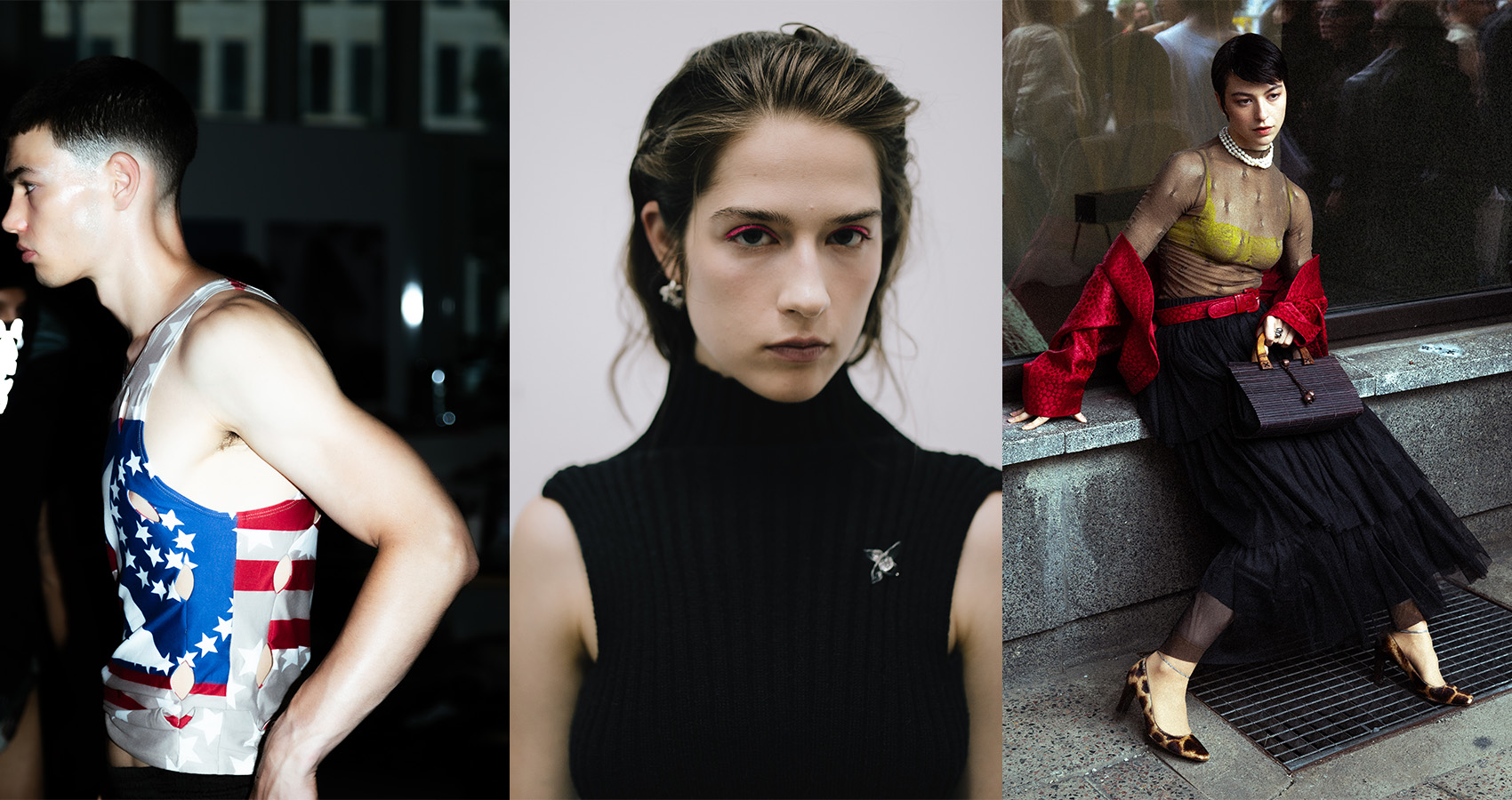
Berlin Fashion Week Day Five Was Less About Clothes
More about what they could say.
Some collections ask you to admire the craftsmanship. Others ask you to stop and think. Day five of Berlin Fashion Week Spring/Summer 2027 leaned into the second approach. Designers explored resilience, migration, collaboration, memory, and transformation, proving that fashion can still carry powerful ideas without losing its sense of beauty.
Milk of Lime Found Hope in the Dark

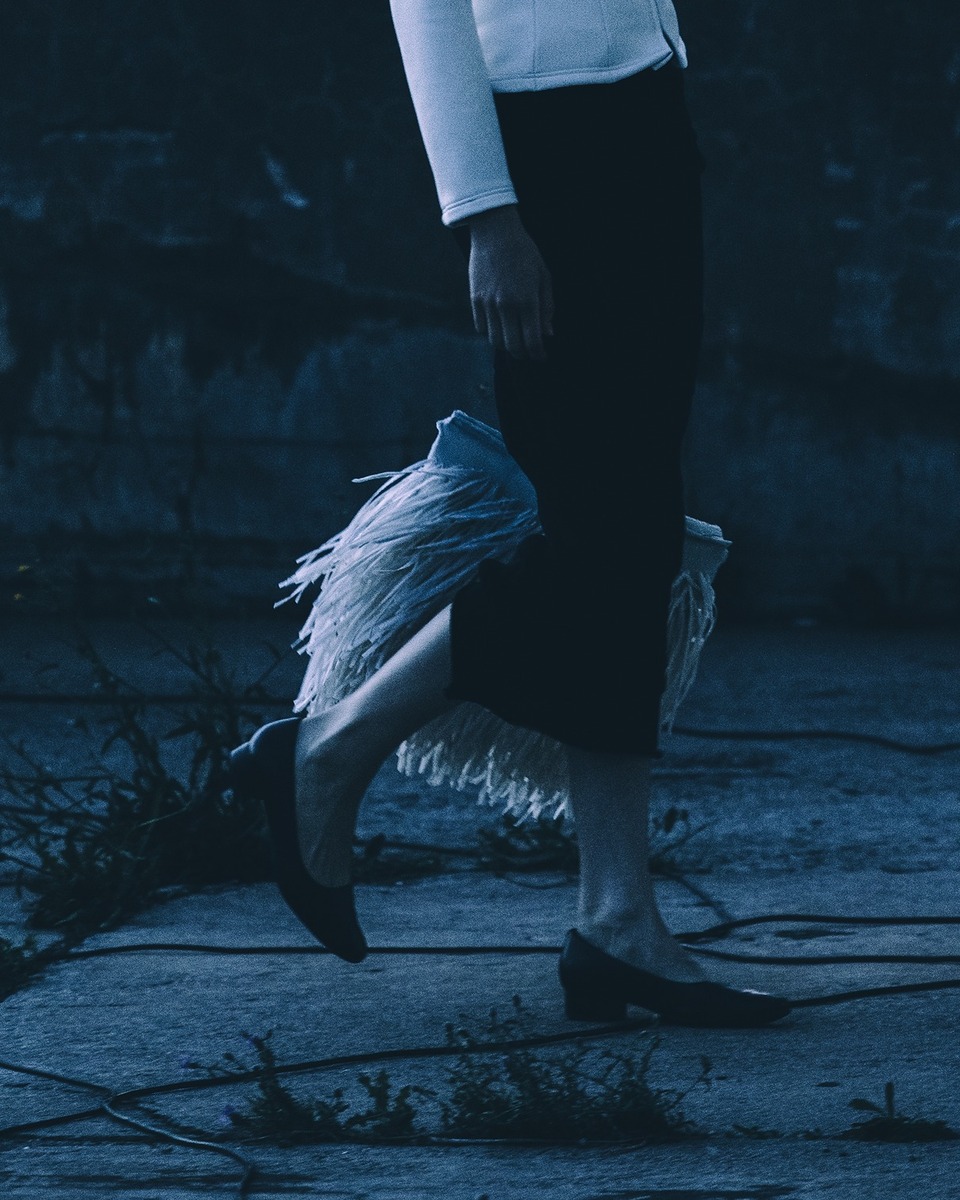
Milk of Lime returned with Ashes, a collection built around contradiction. The title evokes destruction, but also rebirth, echoing the image of a phoenix rising from the ruins. That tension ran through every look, where soft draped tailoring met distressed knitwear, torn silk, crinkled textures, and sheer fabrics. Romantic without feeling delicate and dark without becoming heavy, the collection rewarded anyone willing to look a little closer.
Dennis Chuene Proved Fashion Starts With Community

Instead of focusing solely on a runway, Dennis Chuene turned an entire street in Berlin's Kreuzberg district into a collaborative creative space. Nothing Great Is Built Alone brought together eight neighbouring businesses, each contributing their own craft and perspective. The project challenged the idea that fashion thrives on competition, suggesting that some of the strongest ideas are built through shared creativity rather than individual success.
Barragán Delivered One of the Week's Most Political Collections

Making its Berlin Fashion Week debut inside the Mexican Embassy, Victor Barragán used fashion to confront conversations around migration, identity, and belonging. Titled SS30, the collection imagined a future beyond today's political climate while refusing to ignore the present. Models appeared with visible scars, dirt-covered clothing, bound hands, and urgent pacing, creating the feeling of lives caught in motion. Slogans printed across garments challenged anti-immigration rhetoric while reminding audiences that Mexican identity can never be reduced to a single stereotype.
Kasia Kucharska Made Latex Look Surprisingly Familiar

After experimenting with new techniques in recent seasons, Kasia Kucharska returned to the material that defines her work: cast latex. This time, however, she used it to recreate pieces we normally associate with everyday dressing. Denim, trench coats, knitwear, and even accessories were transformed through her signature process, making familiar silhouettes feel strangely futuristic. Presented within an immersive installation, the collection showed just how much room there still is to reinvent wardrobe staples.
Richert Beil Turned Shopping Into an Event

Opening a new Berlin boutique during Fashion Week, Richert Beil found a refreshingly different way to introduce the space. Rather than simply displaying clothes, designers Jale Richert and Michele Beil invited visitors to bid on ten handmade one-of-a-kind pieces created in their atelier. It blurred the line between retail, craftsmanship, and performance, making the opening feel less like a store launch and more like a celebration of slow fashion and collectible design.
Rebekka Ruétz Captured the Feeling Right Before the Storm

Some collections tell stories through characters.
Petrichor told one through weather.
Inspired by the unmistakable scent of rain hitting dry earth, Rebekka Ruétz translated the emotional build-up before a storm into clothing. The collection moved through shifting moods, from heavy anticipation to dramatic release, mirroring the way nature changes in an instant. Rather than recreating landscapes literally, the garments captured the atmosphere, making the experience feel almost cinematic.
Netzwerk Closed the Night Somewhere Between Runway and Concert

Returning for its second presentation, Netzwerk once again transformed an industrial Berlin venue into a fashion gathering that felt as much about community as clothing. A live string quartet performed an original composition throughout the runway before the evening flowed directly into an outdoor afterparty. Instead of ending when the final look disappeared backstage, the show invited guests to stay, connect, and become part of the experience themselves. Day five wasn't driven by one silhouette or one standout colour.
It was held together by something much harder to define: the idea that fashion becomes more meaningful when it reflects the people, places, and emotions that shape it. That's the kind of storytelling that lingers long after the runway lights go out.









 Connect with Facebook