



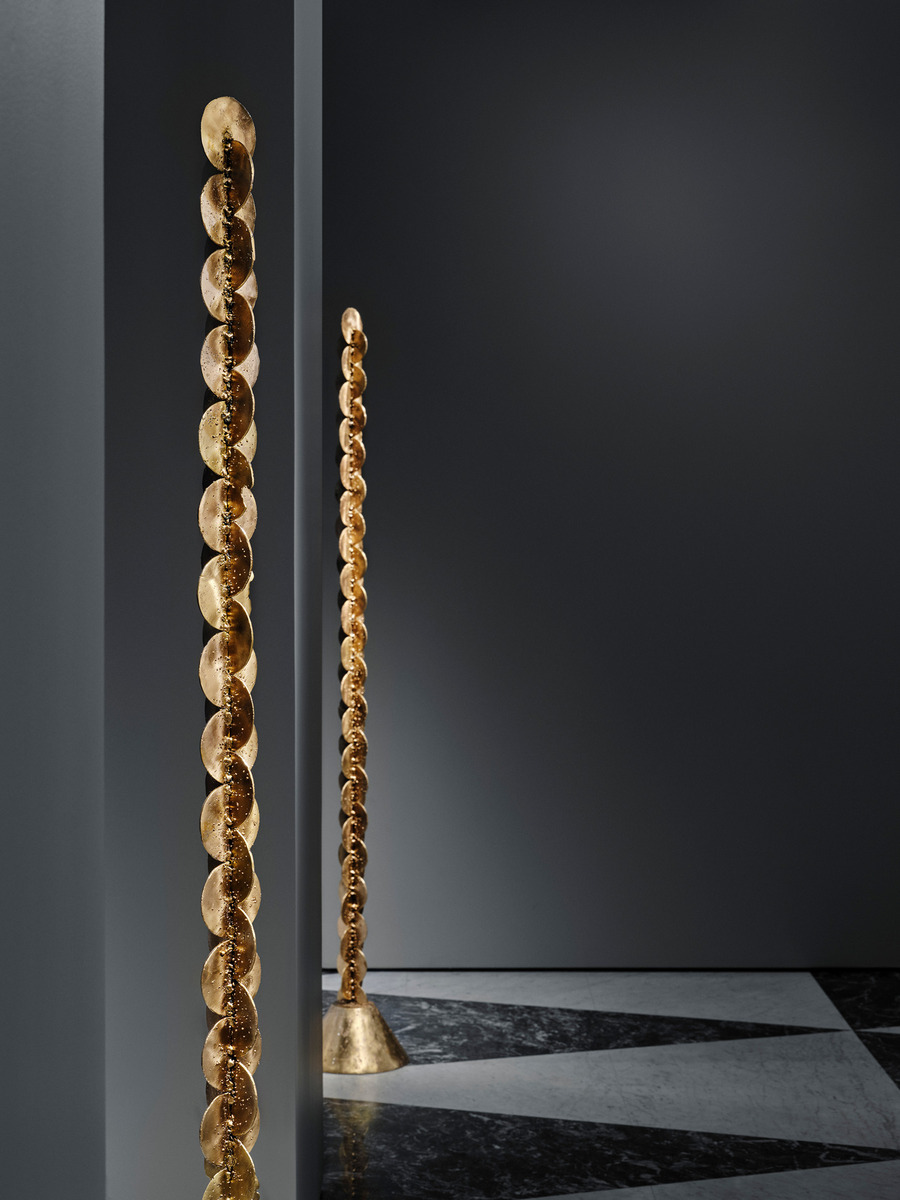
A Measure Of The Moon Asks What Our Objects Leave Behind
They carry histories of labor, trade and culture.
I tend to think of objects in terms of what they do for us. A chair is something to sit on, a vessel holds something, and a piece of metal becomes valuable once someone gives it a purpose. But the materials themselves have already lived a life before they reach their finished form. They carry histories of labor, trade, culture, and sometimes extraction that rarely make it into the final picture.
That is the question at the center of Nifemi Marcus-Bello's “A Measure of the Moon,” presented by curator Charlene Prempeh at Acne Paper Palais Royal in Paris. The Lagos-based artist and designer examines how global overconsumption affects the availability of materials and the economic possibilities of manufacturing in Nigeria. Rather than treating sculpture as an isolated aesthetic exercise, he asks us to look at the systems behind the things we consume.
The Material Has a Memory
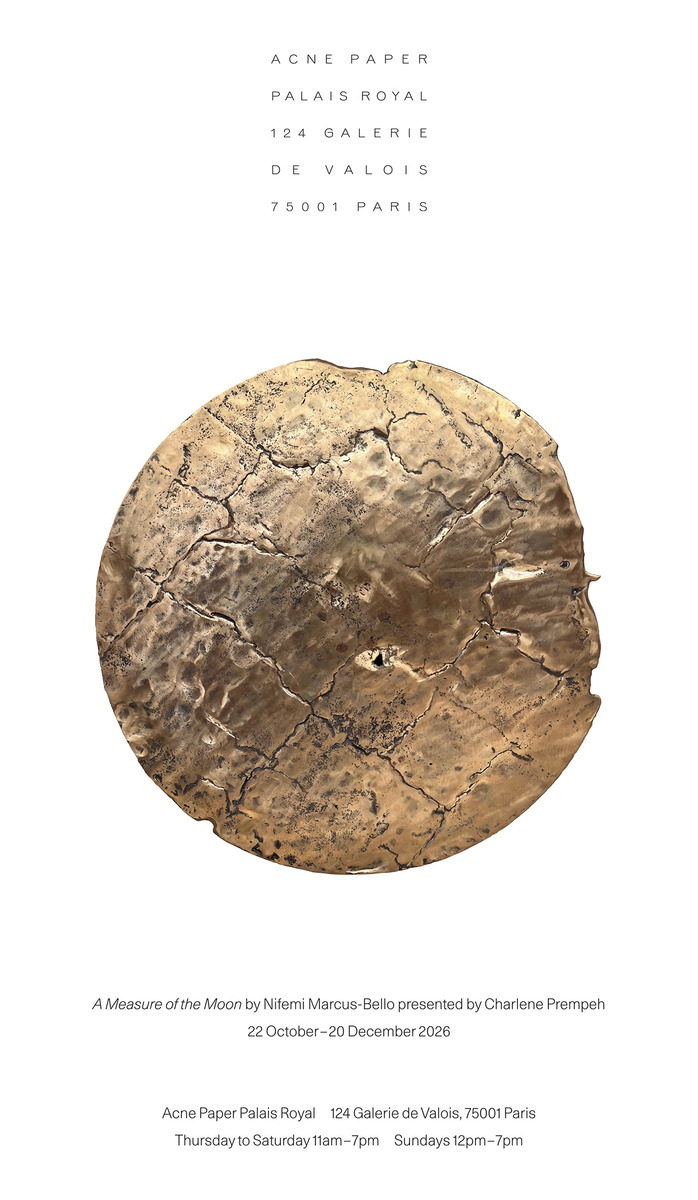
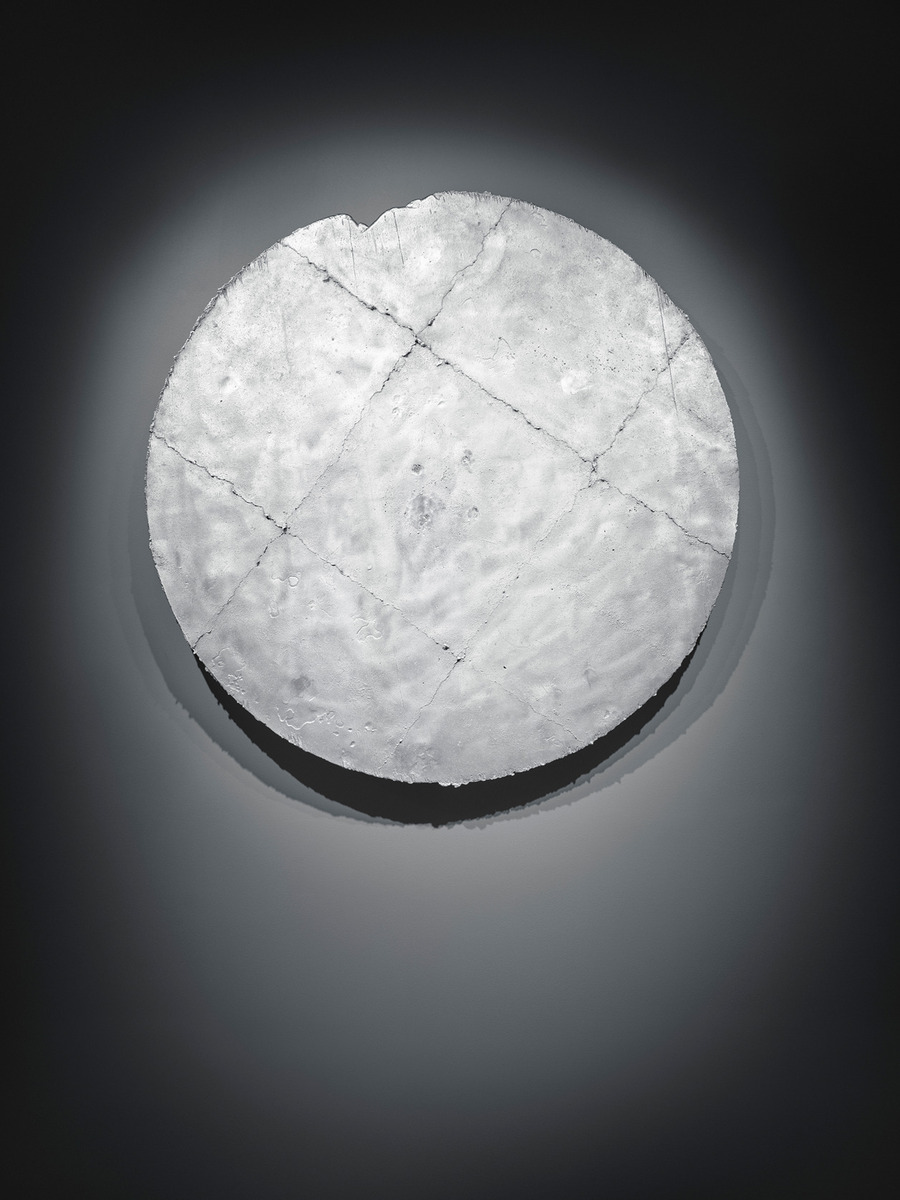
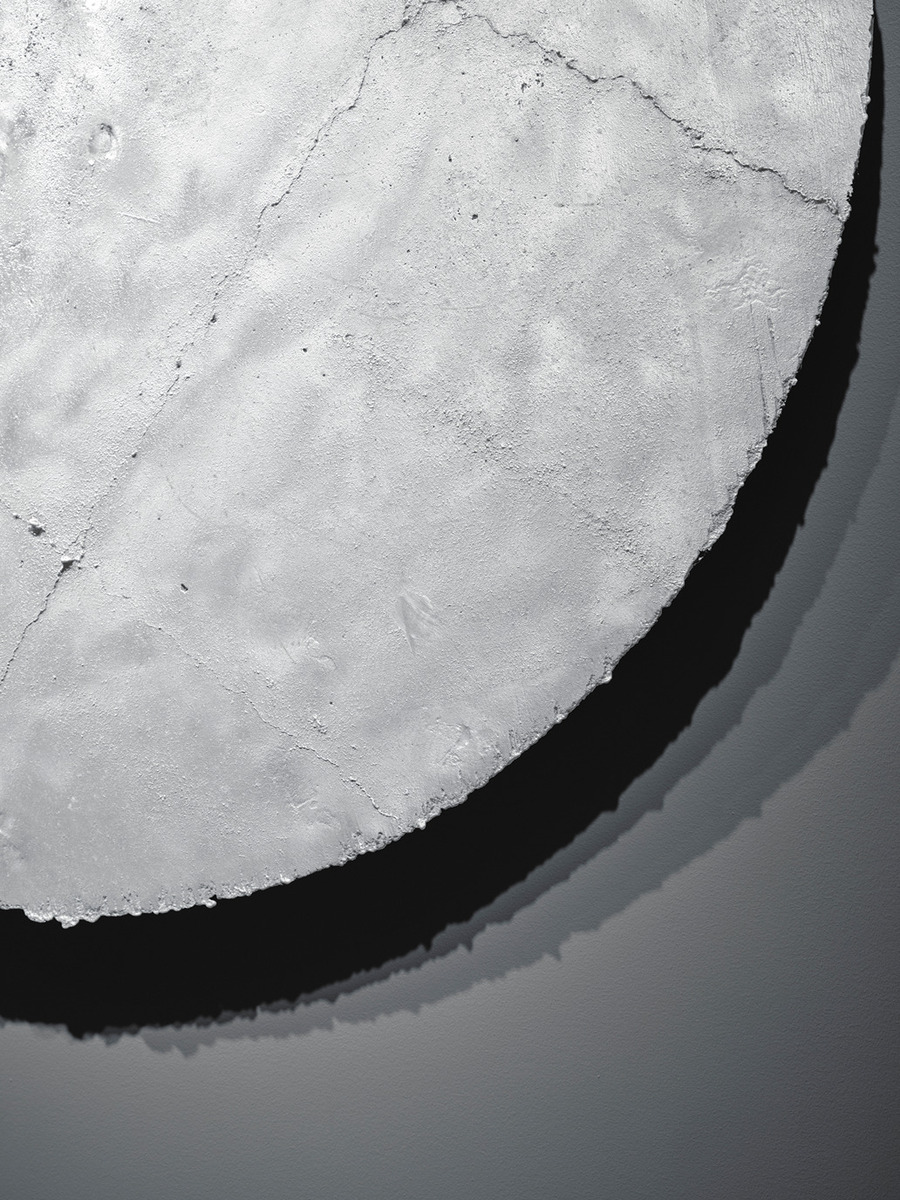
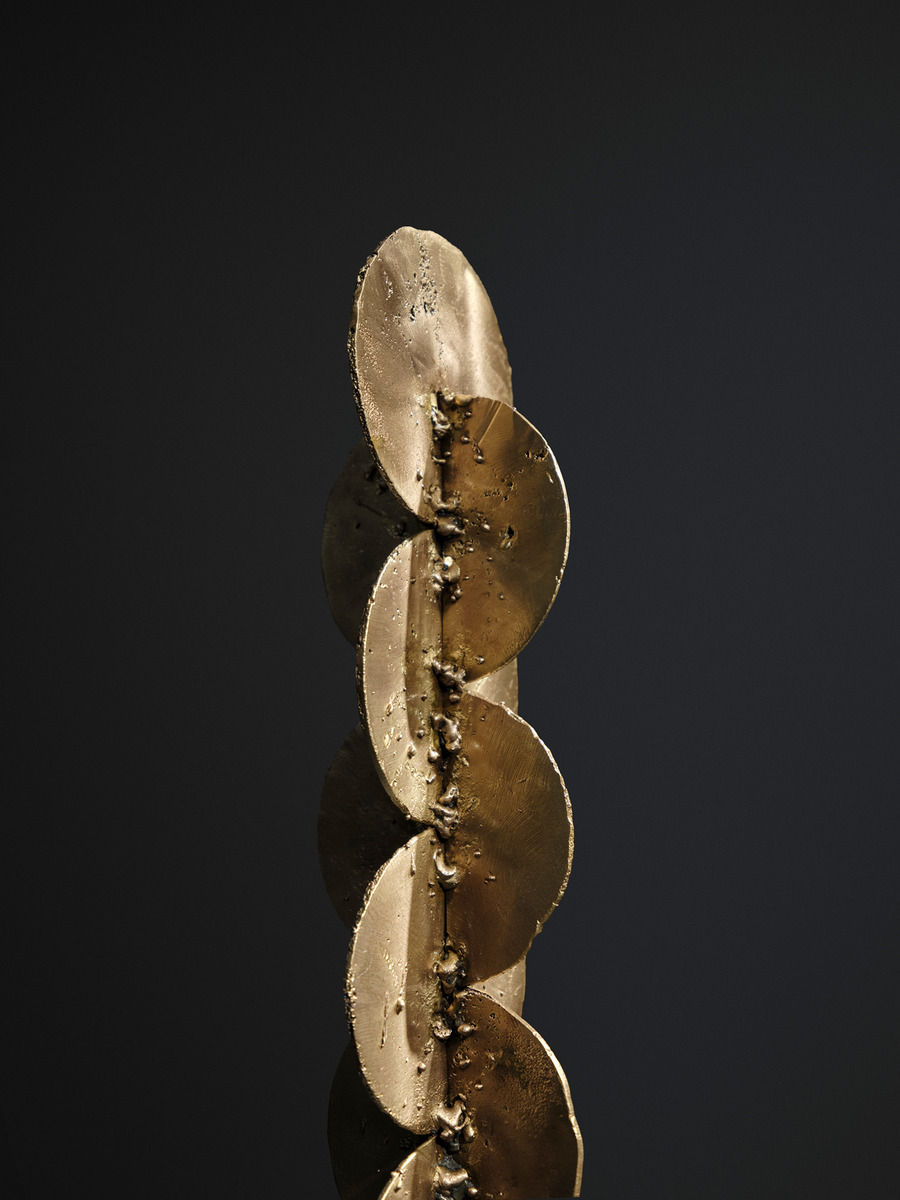
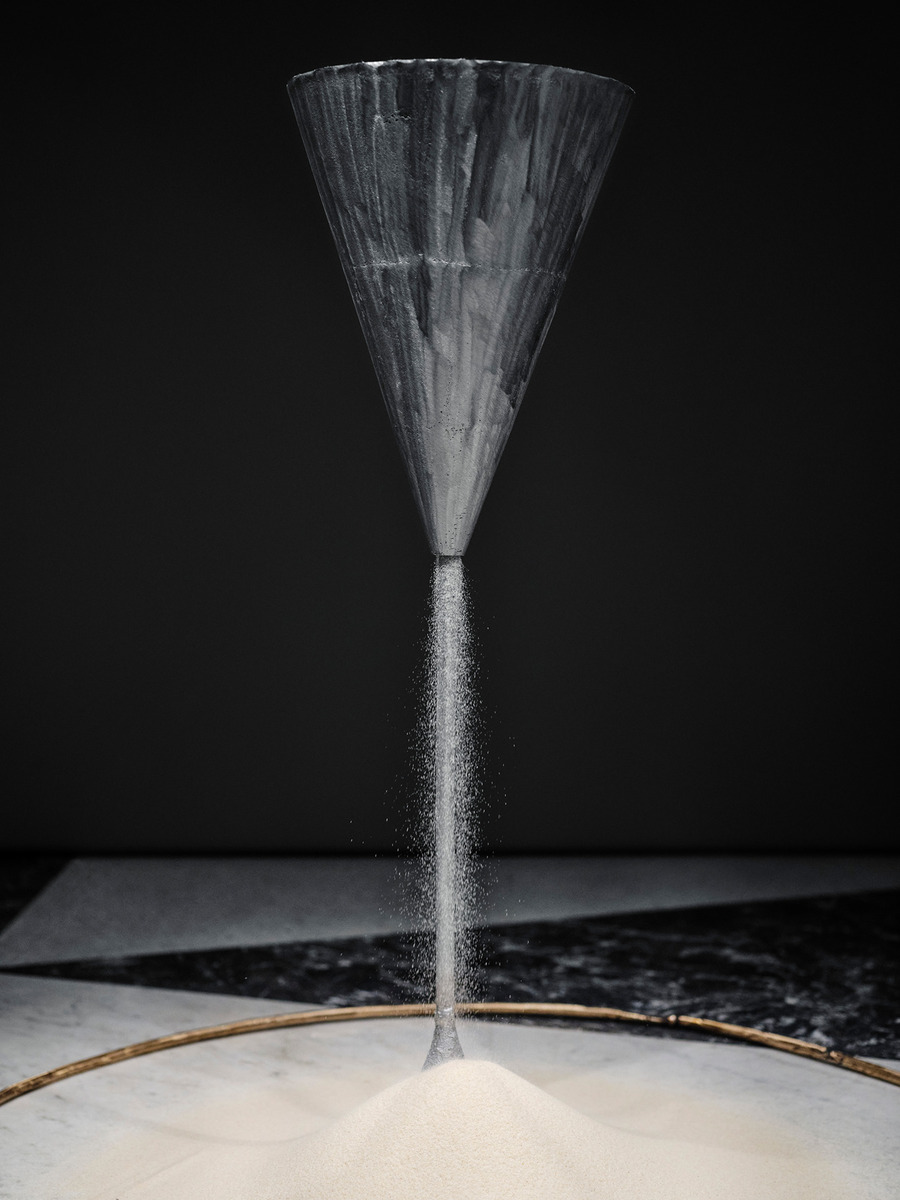
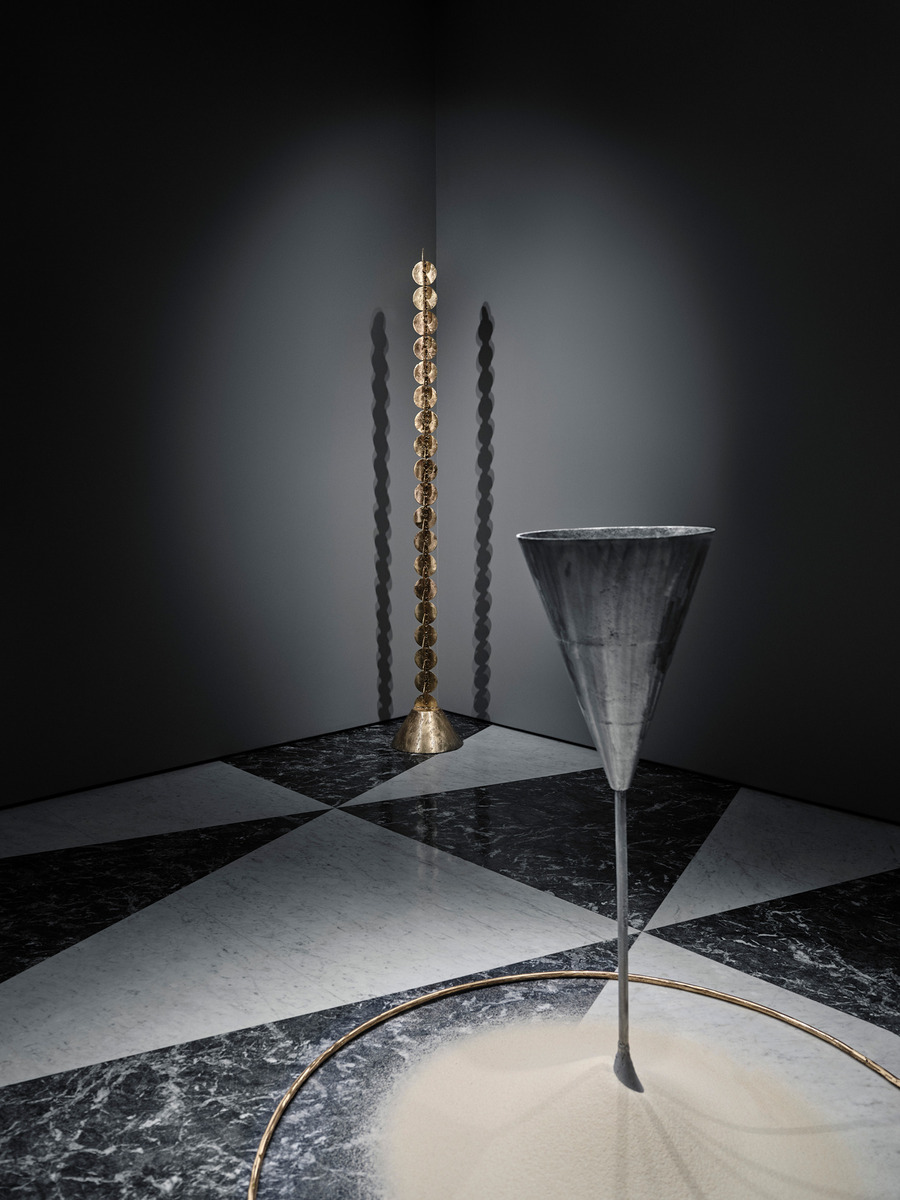
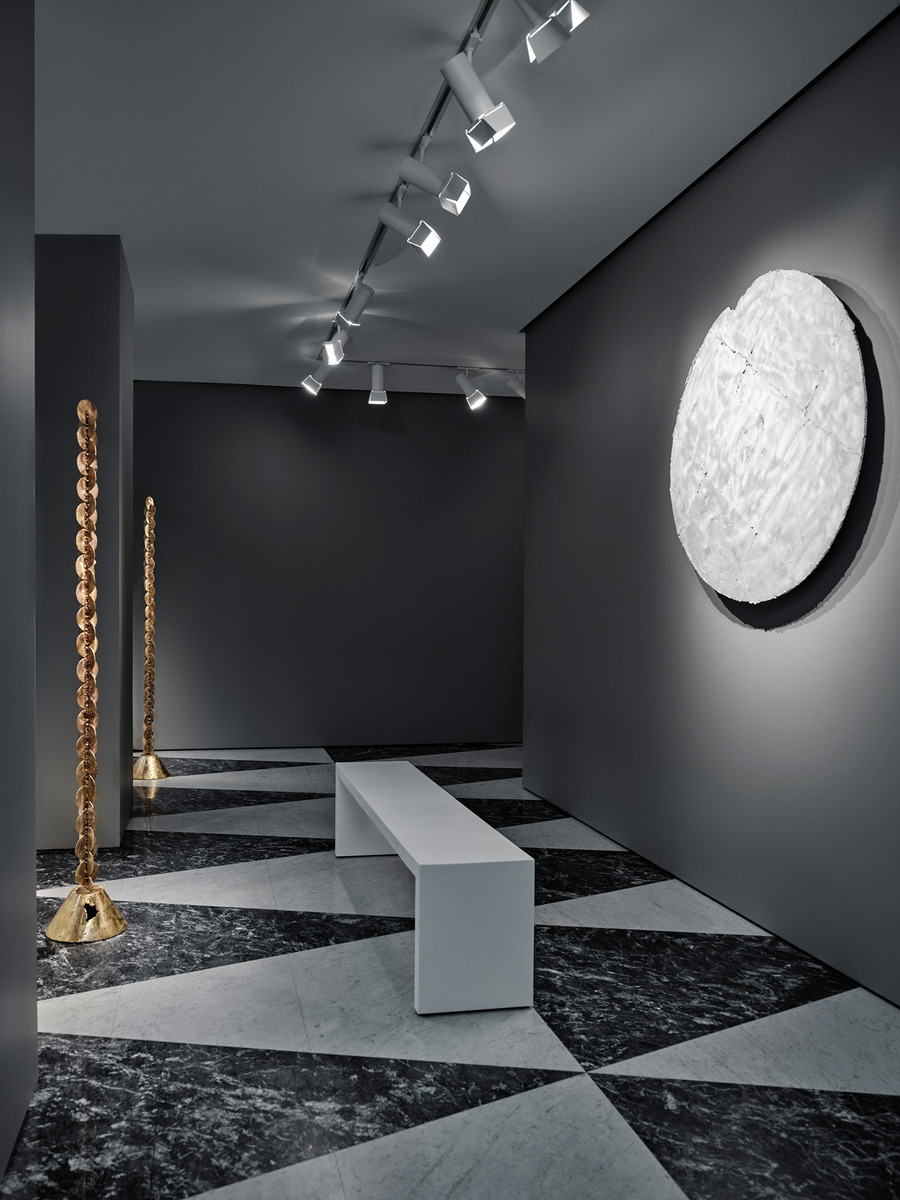
Building on his sculptural series “Material Affirmations: Oríkì Acts I–III,” Marcus-Bello turns to bronze and aluminium, two materials with very different histories in West Africa. Simple bronze discs explore the metal's cultural significance, while aluminium collected from Lagos' informal foundries is melted and recast into forms resembling the moon and vessels.
There is something particularly compelling about that transformation. Aluminium is not presented as a pristine industrial resource, but as a material already moving through cycles of use, recovery, and reinvention. In Lagos, informal foundries give discarded metal another purpose, revealing a manufacturing culture built on resourcefulness and practical knowledge.
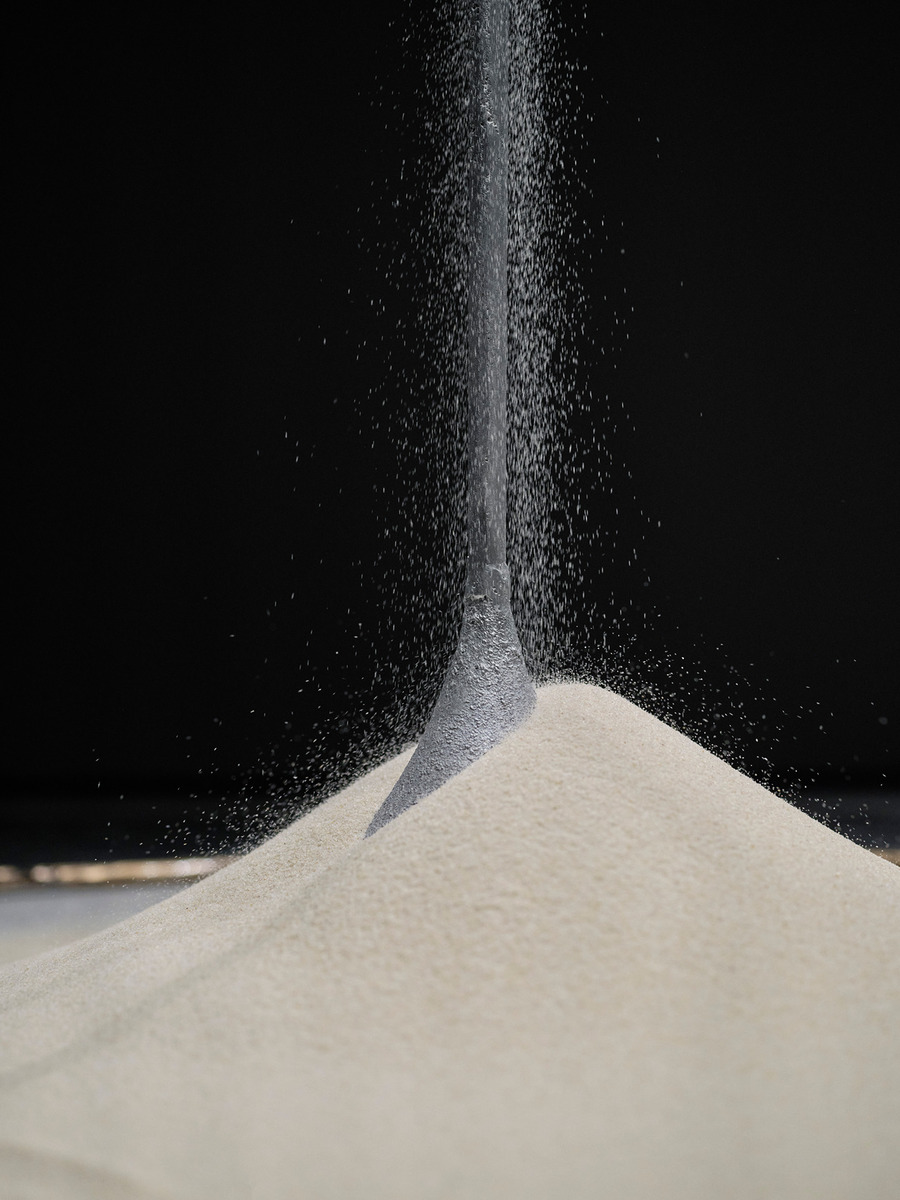
The exhibition also introduces the form of sand casting, one of Nigeria's most widely used metal-casting processes. Here, the technique becomes a symbol of time and possibility, pointing toward manufacturing potential that can be overlooked when a country's resources are valued primarily for what can be extracted and exported.
A Different Way to Measure Time
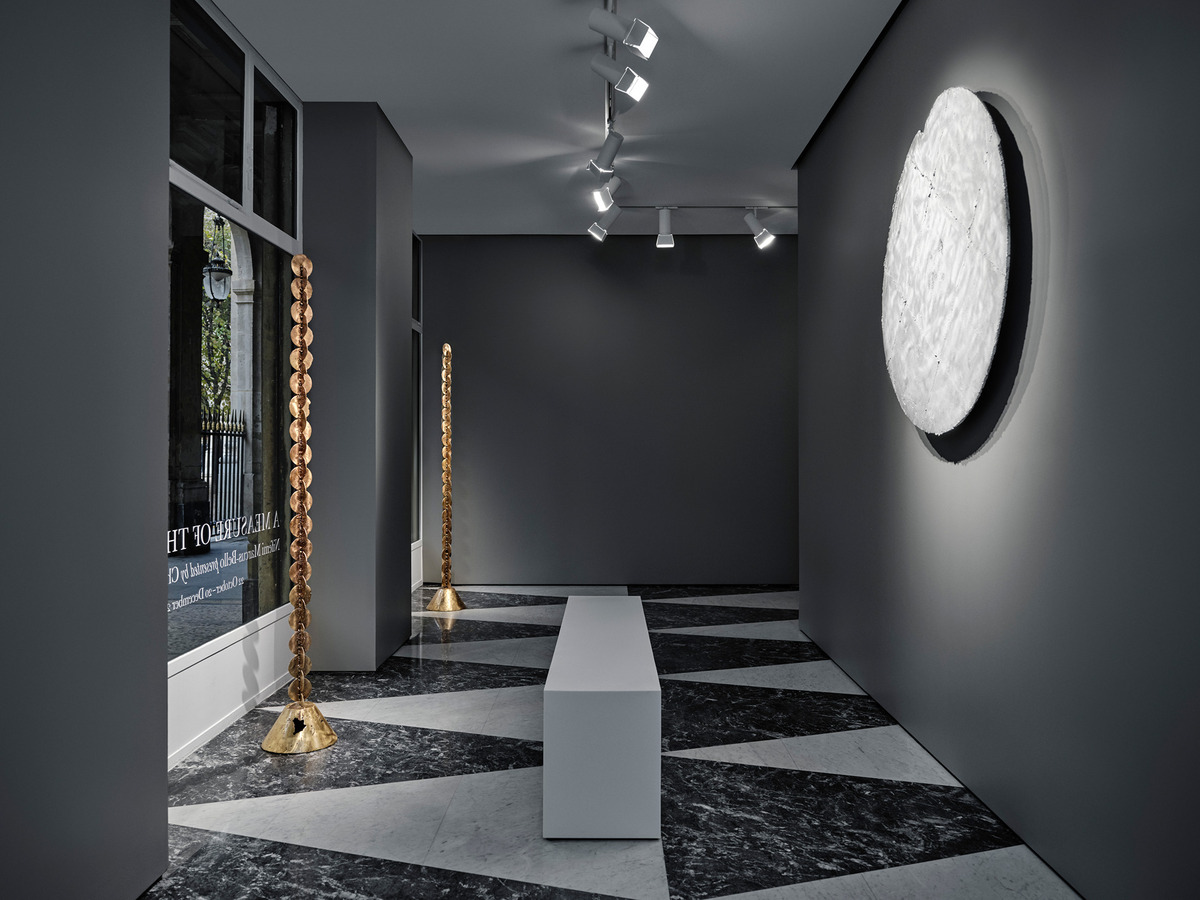
The moon gives the exhibition its central metaphor. Across many African societies, its phases historically helped mark agricultural cycles, ceremonies, gatherings, and everyday life. Its recurring movement becomes a way to think about materials too: nothing needs to remain fixed in one form when reuse and regeneration are possible.
That idea gains another dimension through an oríkì soundscape performed by Marcus-Bello's mother, Folake. Oríkì is a Yoruba tradition of poetry and affirmation, often connecting people to identity, lineage, and ancestry. Her voice gives the exhibition an intimate presence, linking the physical objects to a living cultural inheritance.
What Comes After Consumption?
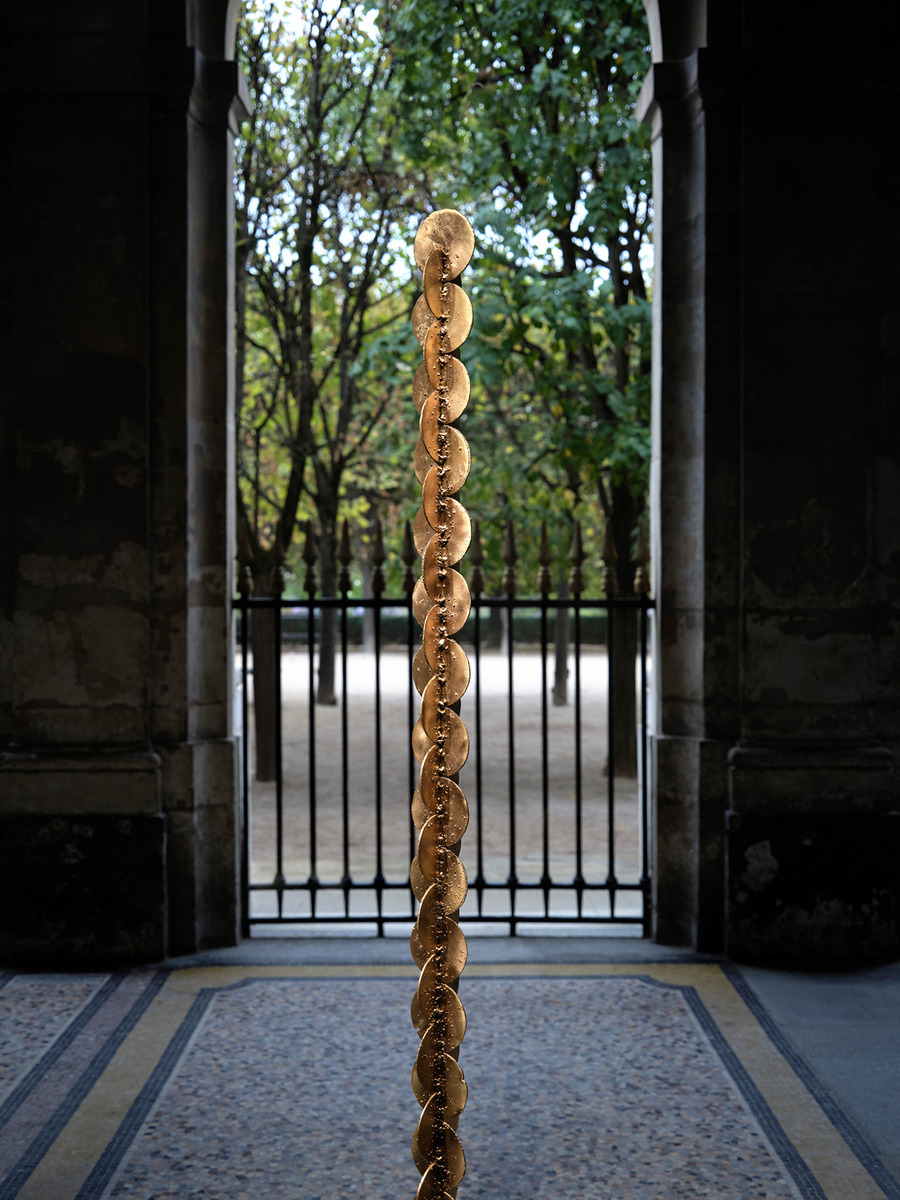
Marcus-Bello's work is especially interesting because it refuses to separate design from the conditions that make design possible. Craftsmanship, access to materials, local industries, and global consumption are all part of the same conversation.
“A Measure of the Moon” is on view at Acne Paper Palais Royal, 124 Galerie de Valois, Paris, from October 22 to December 20, 2026.









 Connect with Facebook