




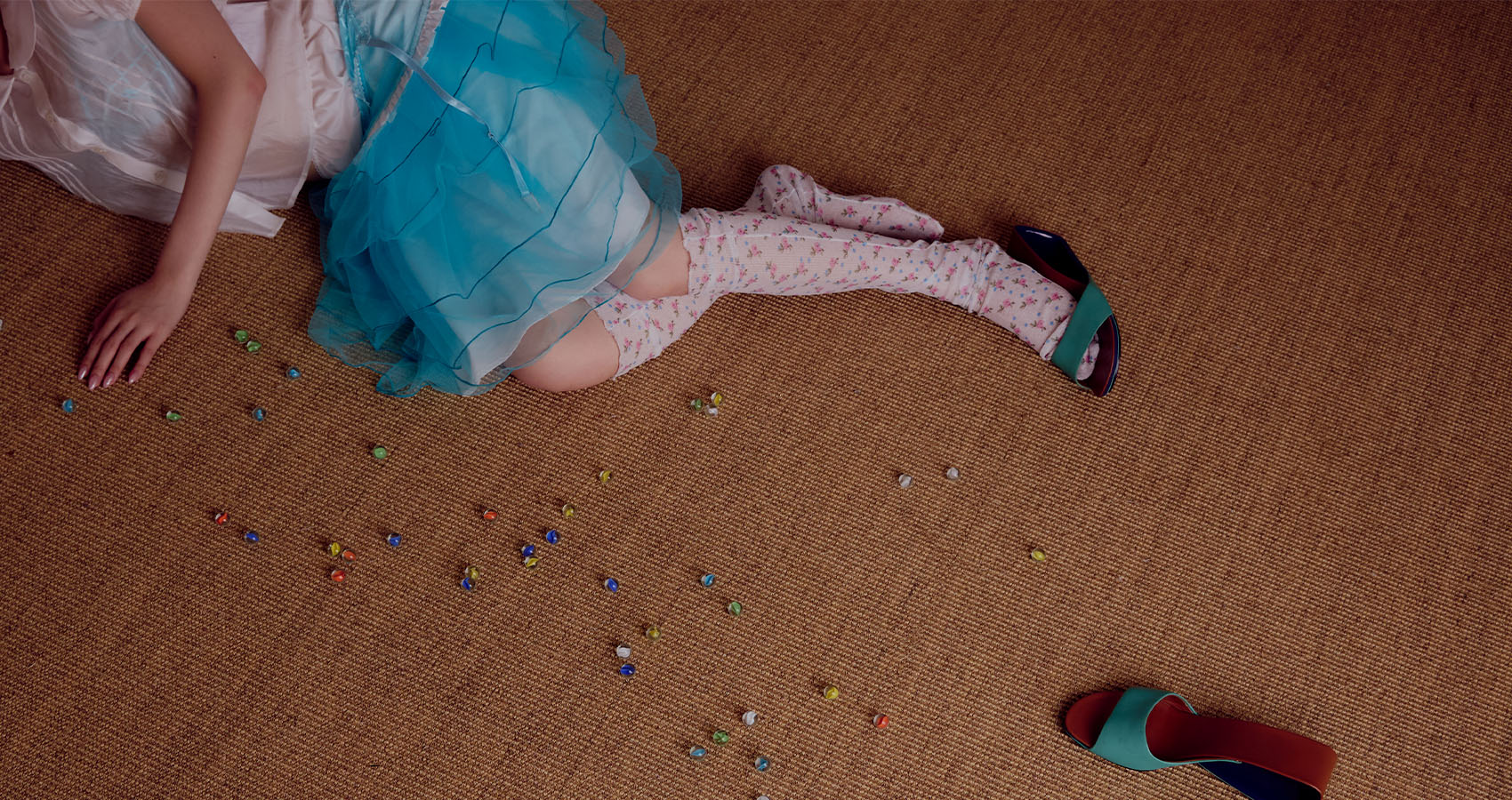
Yinglin Yu Turns Childhood Privacy Into A Universal Story Of Womanhood
Blending fashion photography with cinematic set design.
Privacy is often spoken about as a basic right, something quietly built into the walls of a home. But for photographer Yinglin Yu, a BA Fashion Photography graduate from London College of Fashion, University of the Arts London, it was never guaranteed. In The Locked Room, the artist transforms deeply personal memories of growing up in a Chinese family home into carefully constructed photographic spaces that explore how childhood experiences continue shaping women's relationships with safety, identity, and personal boundaries long into adulthood.
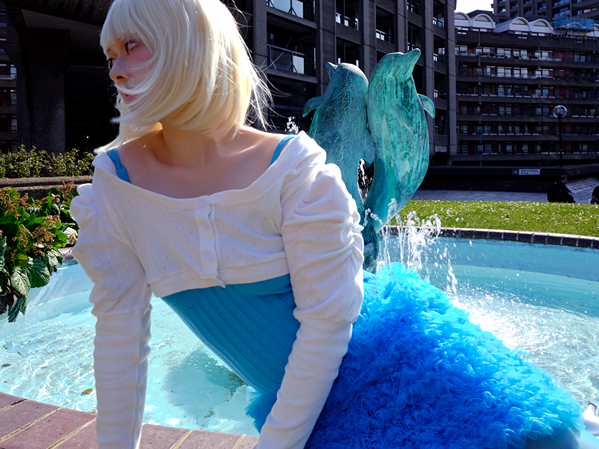
Blending fashion photography with cinematic set design, Yu creates environments that exist somewhere between memory and imagination. The result is a series that feels both intimately personal and unexpectedly universal, revealing how the smallest domestic moments can leave lasting emotional architecture.
When Privacy Becomes a Shared Memory
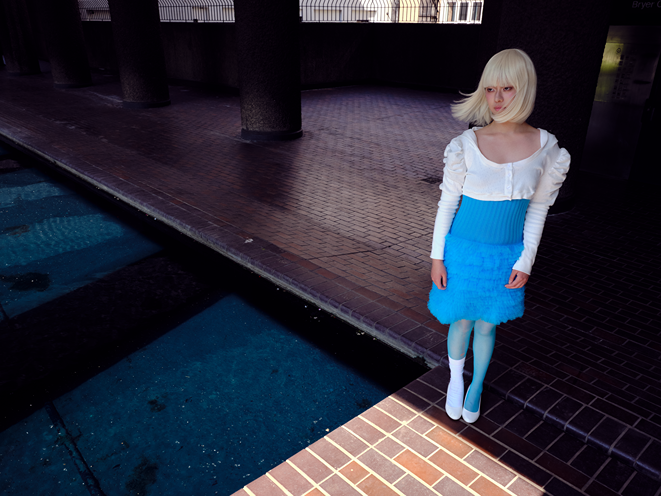
The project began after Yu moved to London, where living independently transformed her understanding of home. Visiting the bedrooms of other Chinese women, she noticed spaces filled with personal objects, favorite colors, and belongings that no longer needed to be hidden or justified. They felt profoundly different from the homes many of them had grown up in.
Curious whether her own experiences were isolated, Yu invited women who had spent much of their lives living with family to participate in a photographic survey. She asked them to document places where they felt safest, least safe, or where they had once hidden something important. Again and again, similar emotions surfaced.
What began as autobiography gradually became collective memory.
The realization shifted The Locked Room away from individual recollection toward a broader conversation about how women experience privacy, not as something automatically granted, but as something constantly negotiated.
The Fragility of a Locked Door
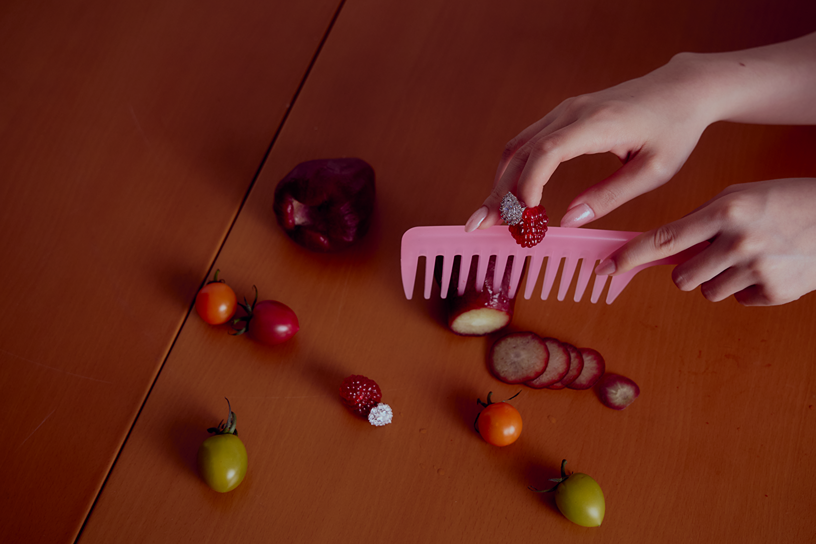
Few objects carry more emotional weight throughout the series than the humble door lock.
Growing up in Guangzhou, Yu often locked her bedroom door after arguments with her mother, hoping the simple act would create a space that truly belonged to her. Yet the lock never offered real protection. Her mother always had a key.
That contradiction became central to the project.
The lock represented privacy while simultaneously exposing its fragility. It suggested boundaries that could disappear at any moment.
In one installation, multiple locks cover a bedroom doorway, transforming an ordinary architectural feature into a powerful metaphor. Rather than functioning as props, they visualize an emotional reality shared by many women who grow up in homes where locking a bedroom door is viewed not as independence, but as secrecy or rejection.
Familiar Spaces, Unsettling Feelings
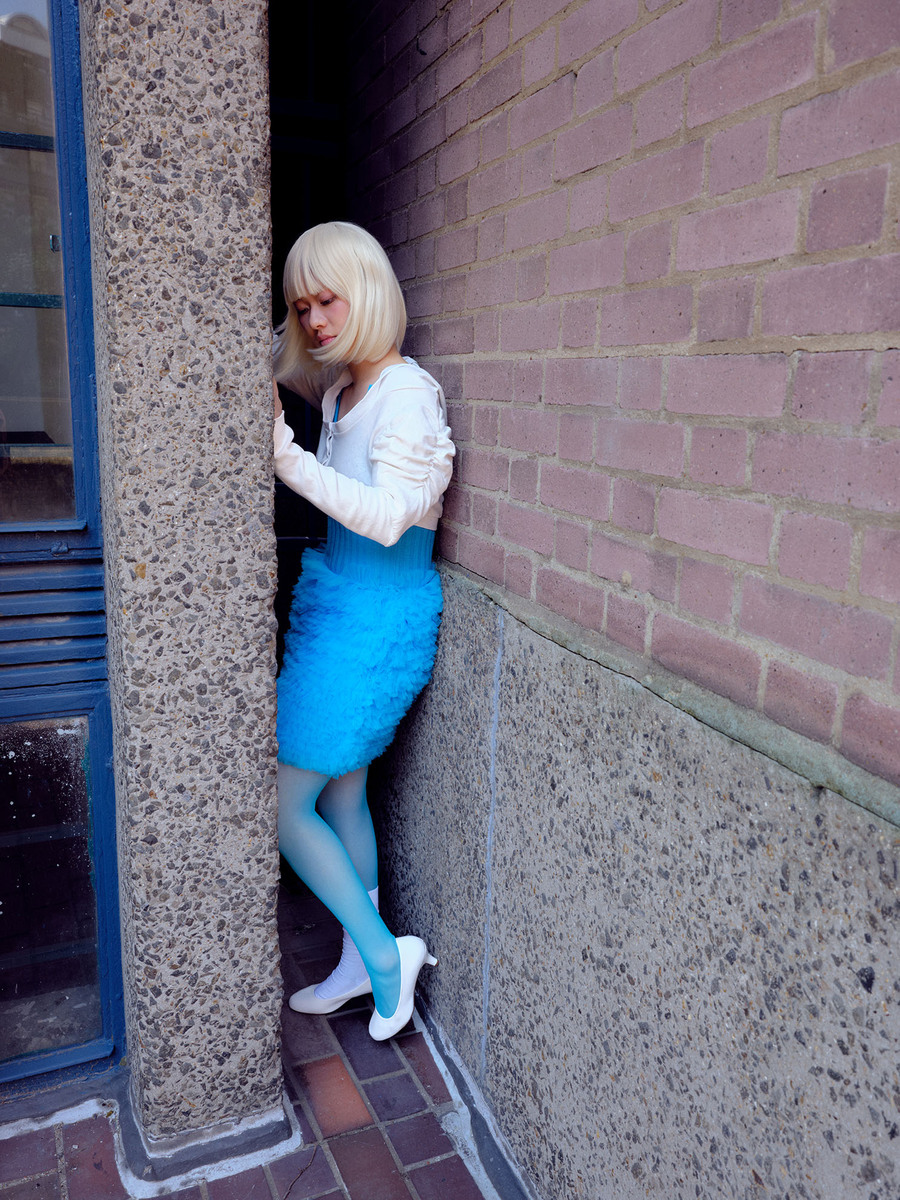
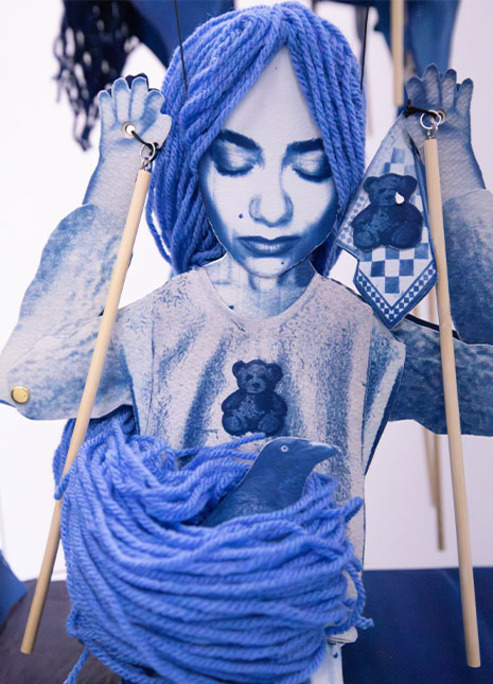
Rather than reconstructing her childhood home exactly as it existed, Yu builds entirely new interiors using fragments of memory. Familiar household objects are enlarged, relocated, or subtly distorted until they feel both recognizable and strangely unfamiliar.
That balance between comfort and unease lies at the heart of the work.
The images never depict dramatic confrontations. Instead, tension accumulates quietly through everyday details: a room that feels too exposed, objects slightly out of place, or the lingering possibility that someone might enter without warning.
For Yu, psychological pressure rarely arrives through singular events. It develops through countless small experiences repeated over time. By allowing viewers to discover those tensions gradually, the photographs invite emotional participation rather than direct explanation.
Fashion as Emotional Reconstruction
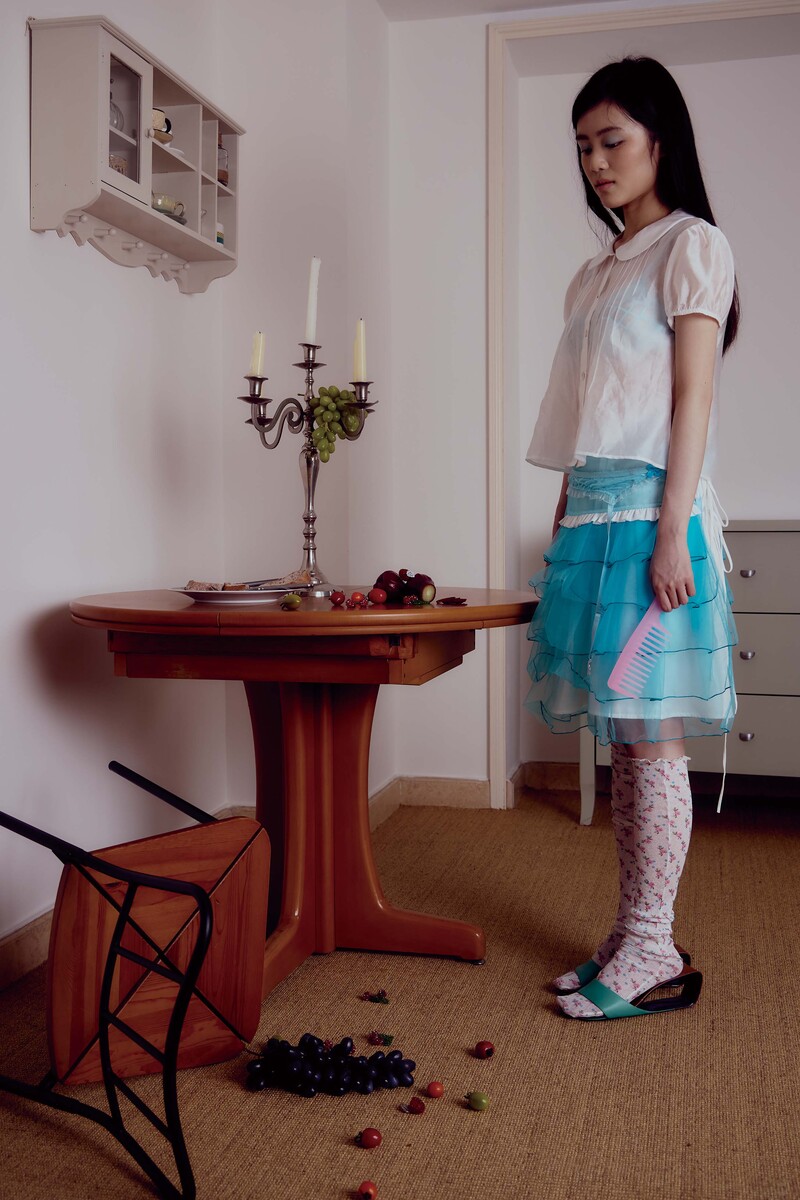
Although The Locked Room began with documentary-style research, Yu ultimately found that documenting reality wasn't enough to express what the project truly sought to examine.
Fashion photography offered something different.
Rather than simply recording lived experience, it allowed her to reorganize it. Styling, color, architecture, and carefully choreographed compositions became tools for translating fragmented memories into emotionally coherent visual narratives. Vulnerability isn't illustrated through overt drama but through carefully controlled environments where every object contributes to the psychological atmosphere.
The photographs occupy a space between documentation and fiction, revealing what Yu describes as emotional truth rather than factual accuracy. Reconstructing memory allows her not to reproduce the past, but to better understand how it continues shaping the present.
Softness as Quiet Resistance
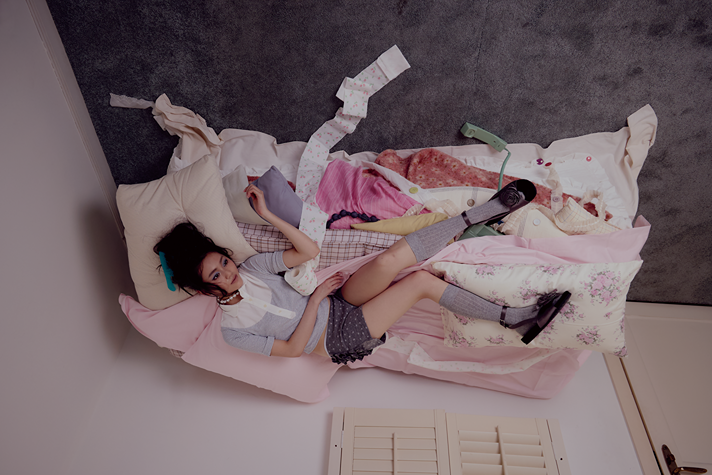
Throughout The Locked Room, softness never reads as weakness.
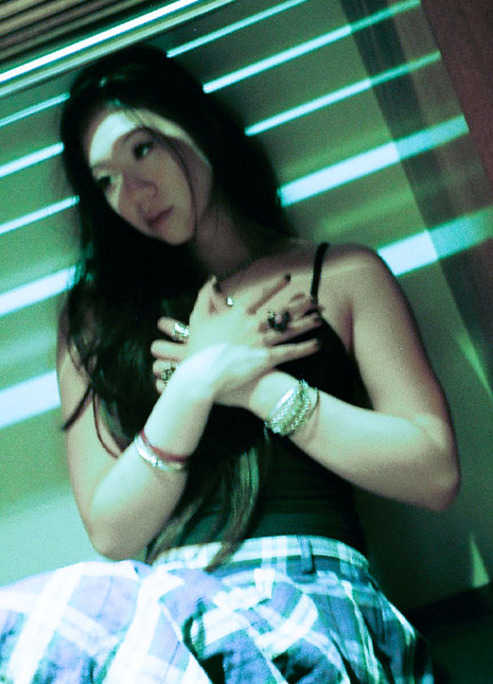
Yu deliberately avoids portraying women as passive victims of their circumstances. Instead, her subjects remain composed, grounded, and quietly resilient within environments that carry subtle traces of instability. Gentle color palettes, familiar interiors, and restrained body language create an atmosphere where vulnerability and strength exist simultaneously.
That same resilience extends beyond childhood. Even today, Yu finds herself instinctively monitoring the volume of her own voice, unconsciously measuring how much space she occupies around others. The habits formed inside shared family homes continue echoing through adult life.
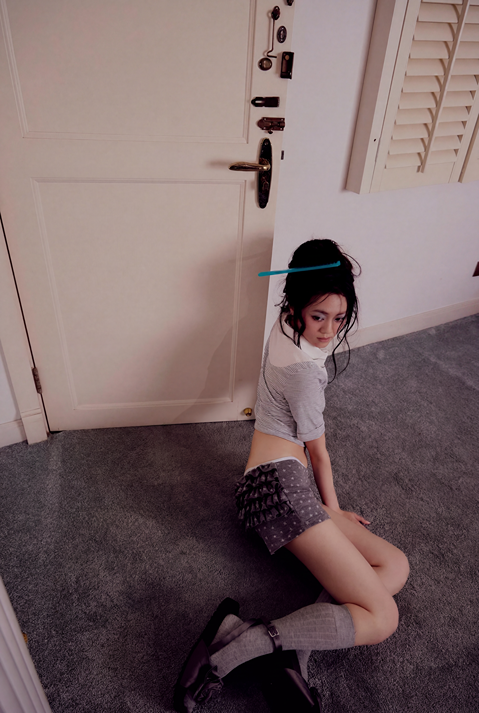
Rather than offering simple answers, The Locked Room asks viewers to reconsider privacy not as a physical condition but as an emotional one. It reveals how boundaries are shaped long before we fully understand them, and how reclaiming personal space often begins by recognizing the invisible patterns we've carried with us all along.








 Connect with Facebook