




Leila Prosperi Wants Photography To Escape The Wall
Photography usually asks us to stand still, Leia would rather have you step inside it.
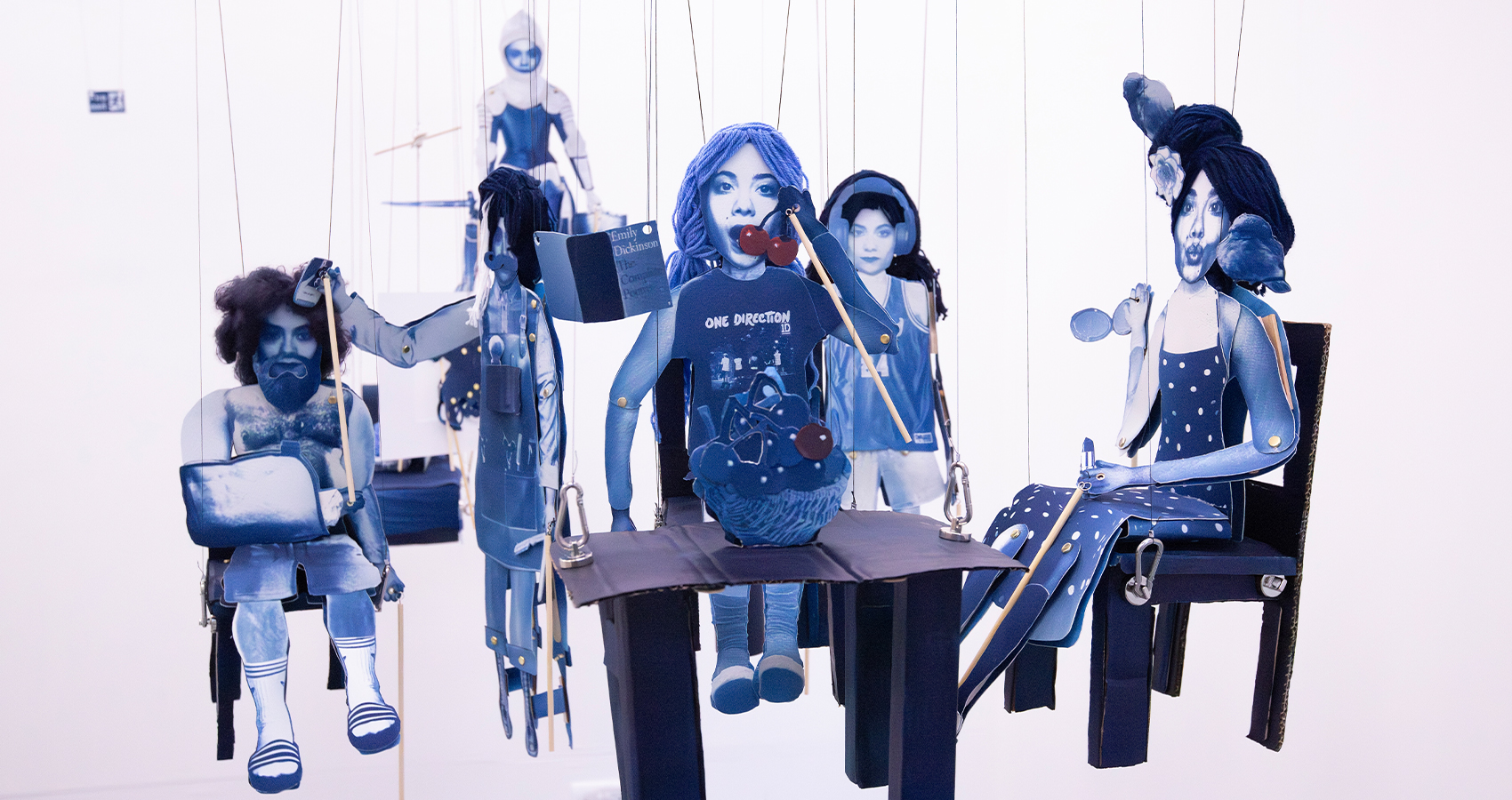
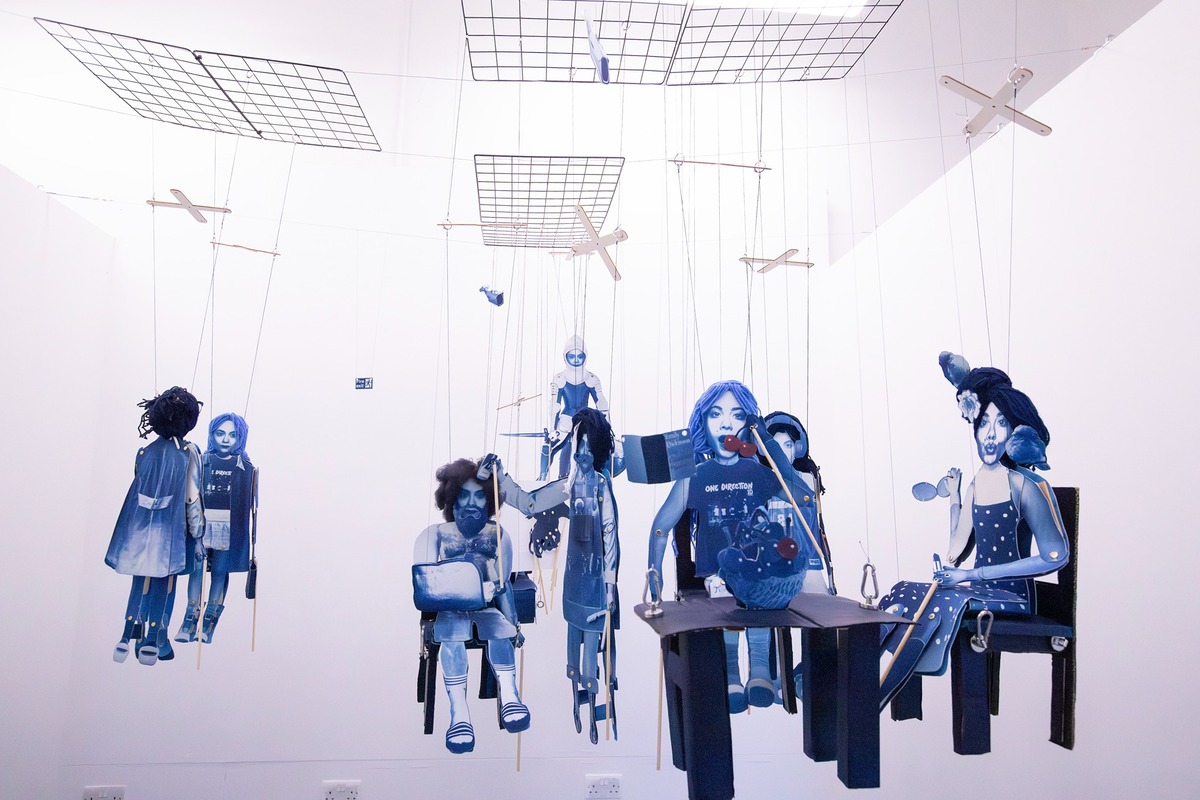
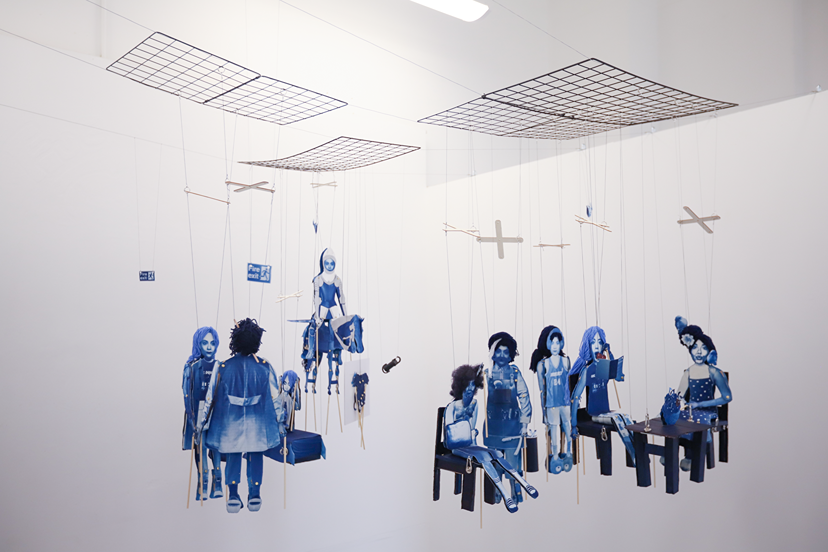
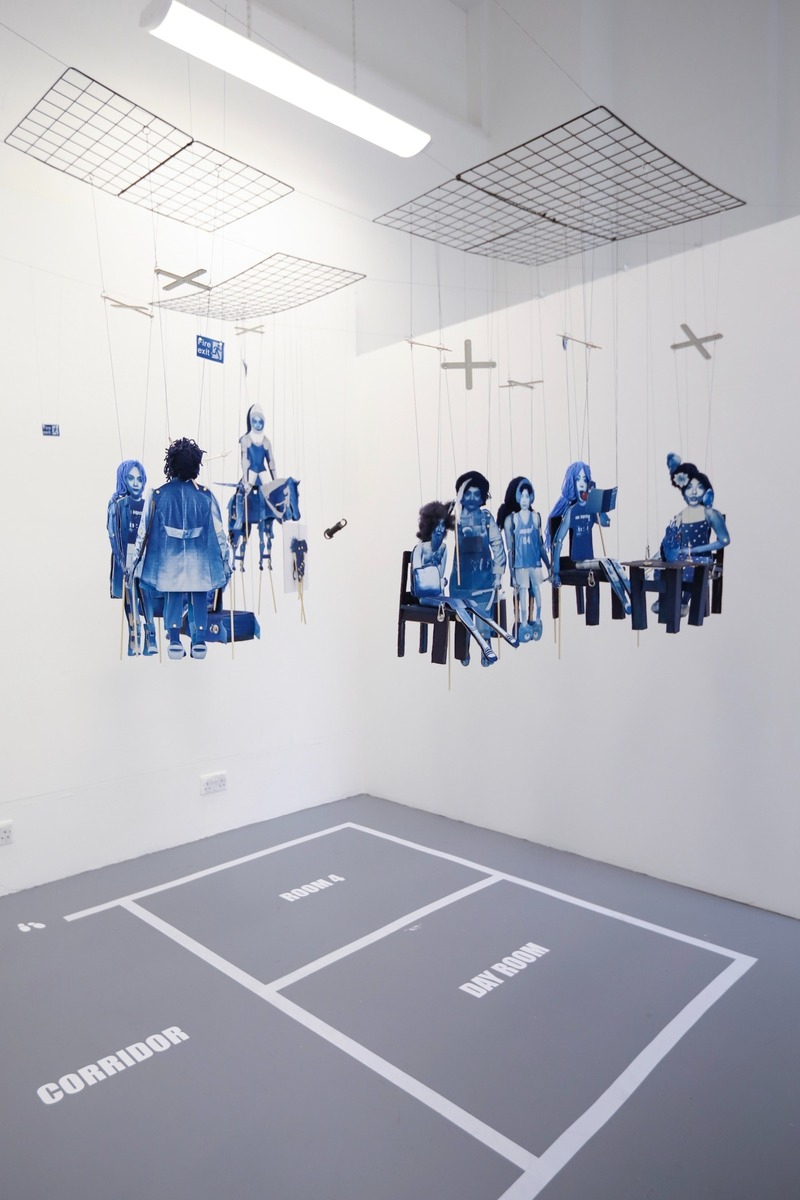
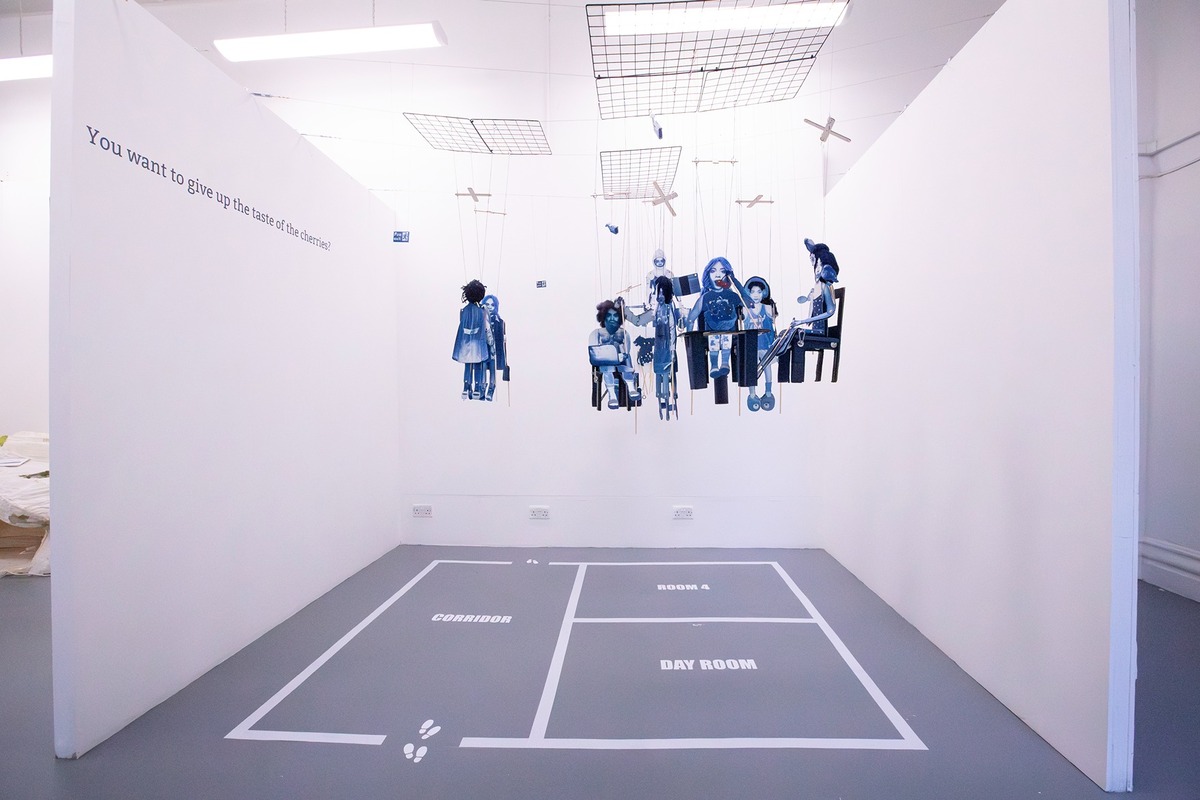
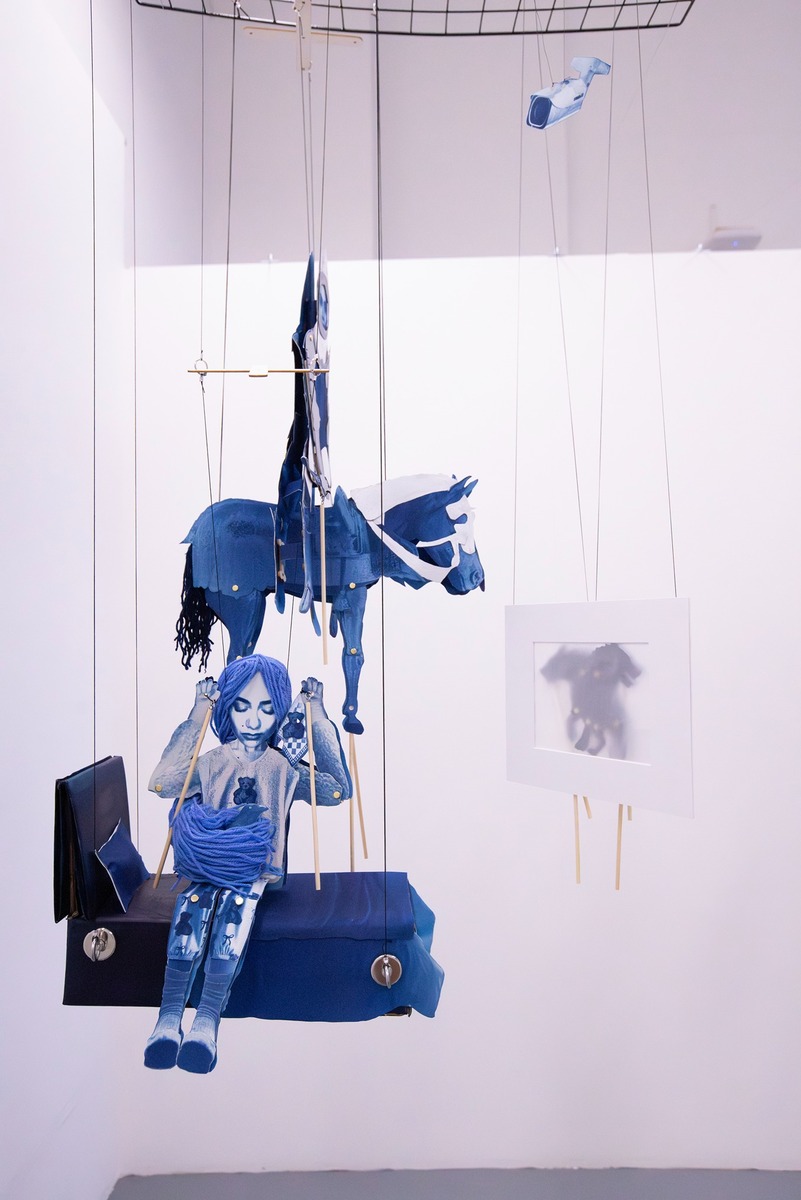
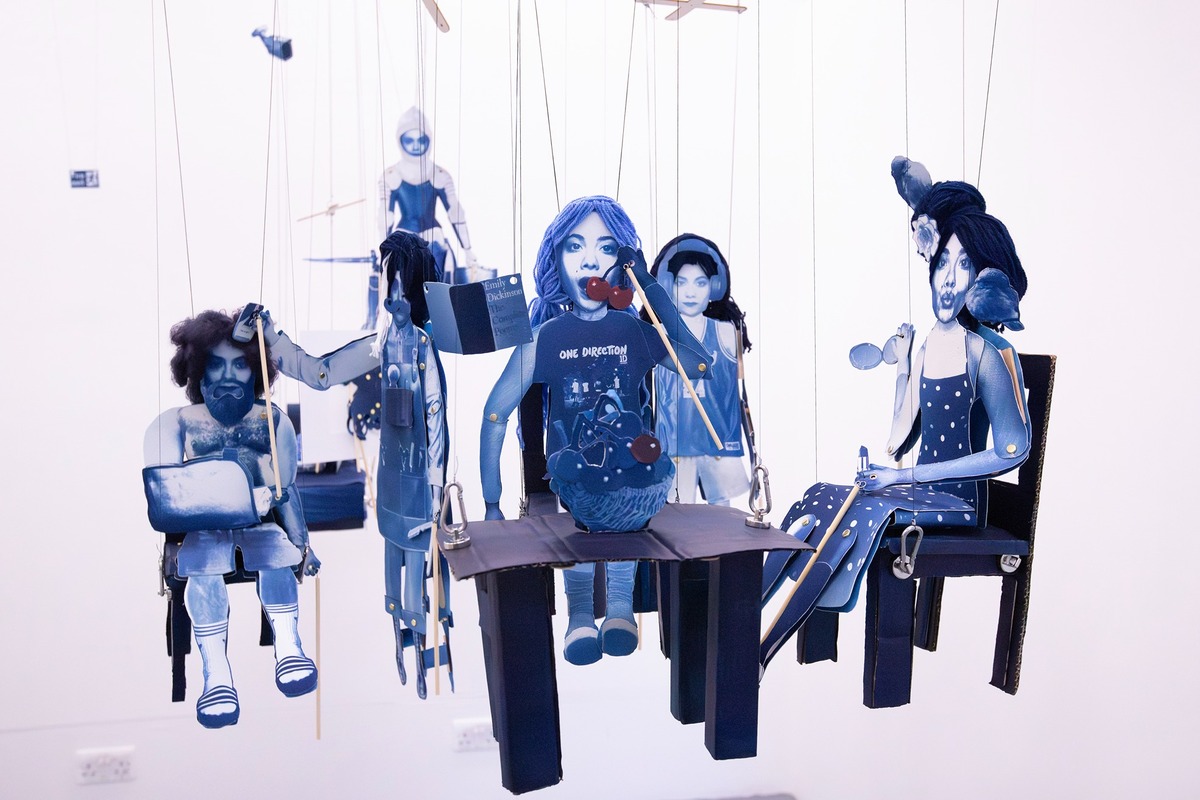
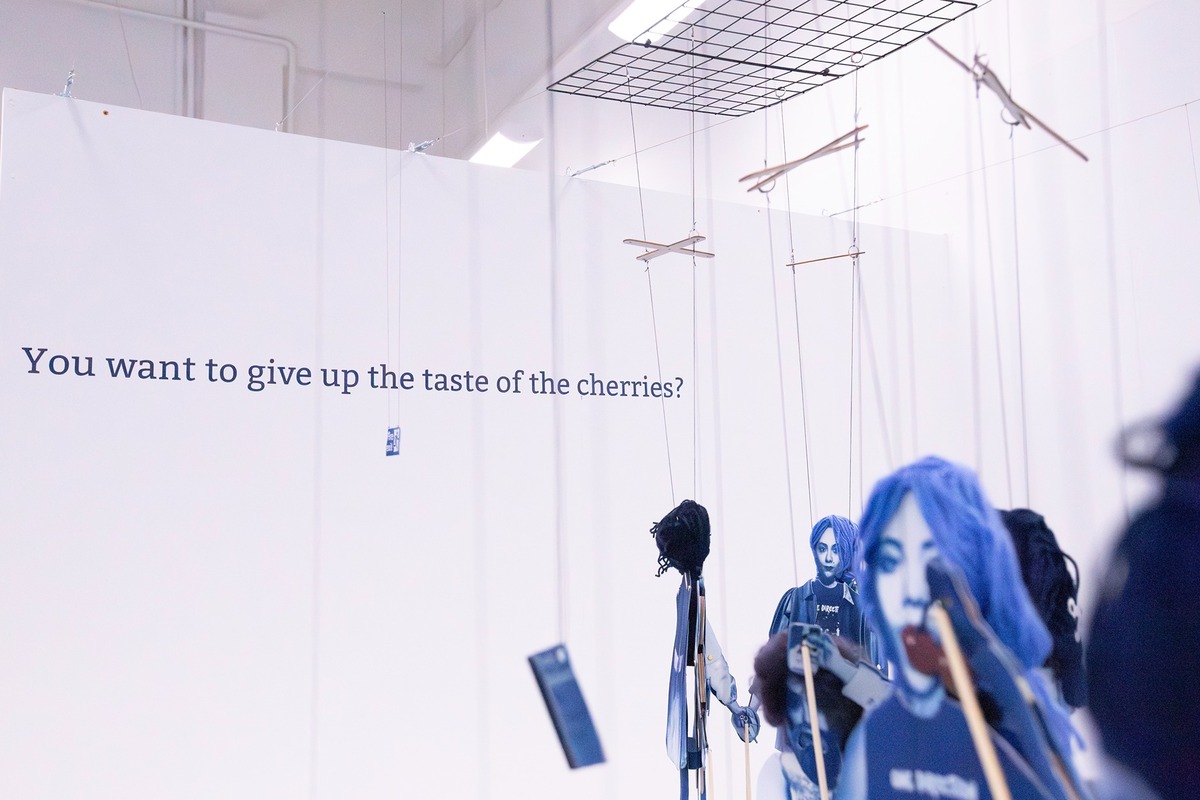
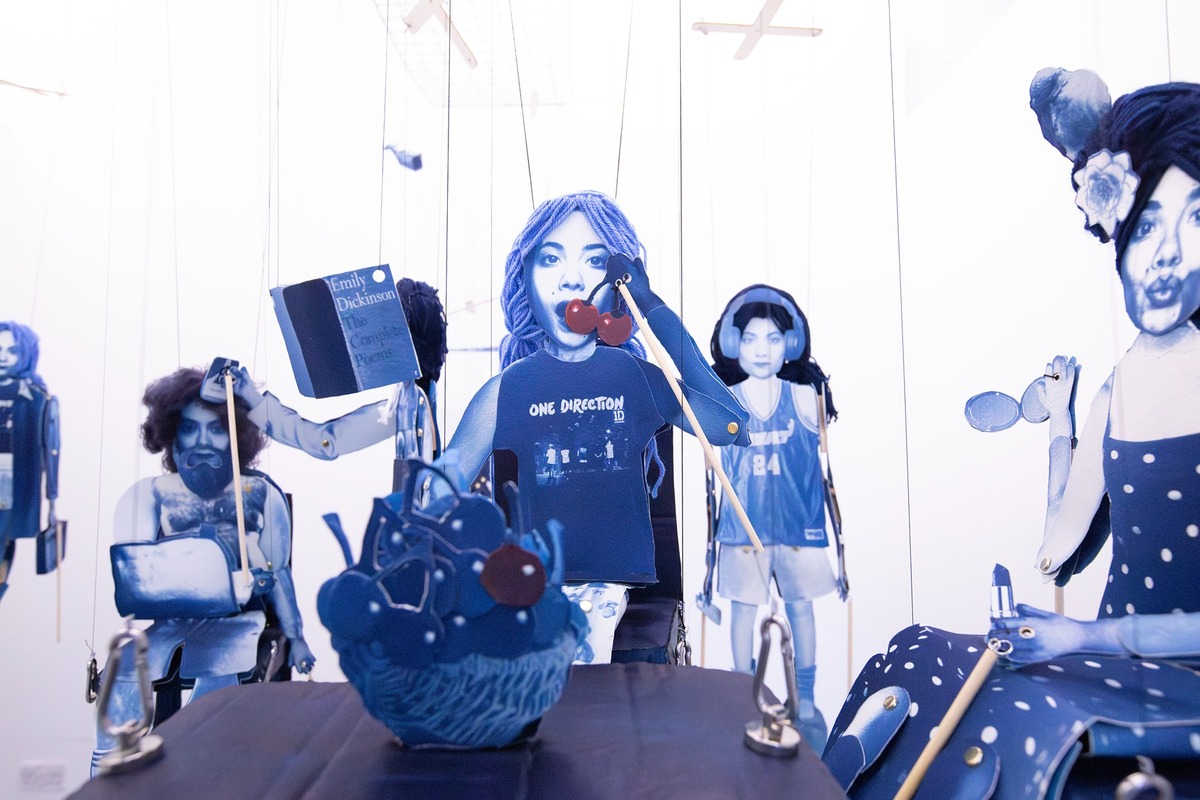
The London-based artist transforms photographs into articulated paper puppets that drift somewhere between sculpture, theatre, and installation, inviting audiences to touch, move, and even perform alongside the work. Her graduate installation, You Want to Give Up the Taste of the Cherries?, uses cyanotype figures and immersive environments to explore depression, institutional power, and memory, proving that photography doesn't have to stay trapped inside a frame. We spoke to Prosperi about why she abandoned the wall, the surprising emotional power of absurdity, and why art should always ask us to participate.
Photography Was Only the Beginning
Prosperi's relationship with photography shifted while studying at Camberwell College of Arts, University of the Arts London. Surrounded by large-scale sculptural works during student exhibitions, her photographic prints suddenly felt almost invisible.
Rather than accepting photography's traditional role, she began asking what happened after an image was printed.
"I realised the purpose of my practice was no longer taking the photograph," she explains. "It became everything I could create from the print afterwards."
That curiosity gradually pulled photographs away from the gallery wall. Early installations extended images into space before eventually evolving into fully sculptural paper puppets suspended throughout entire rooms.
Photography remained the foundation, but no longer the final destination.
Why Cyanotype Still Feels Alive
Although digital tools play a role in her process, Prosperi keeps returning to cyanotype because of its physical presence.
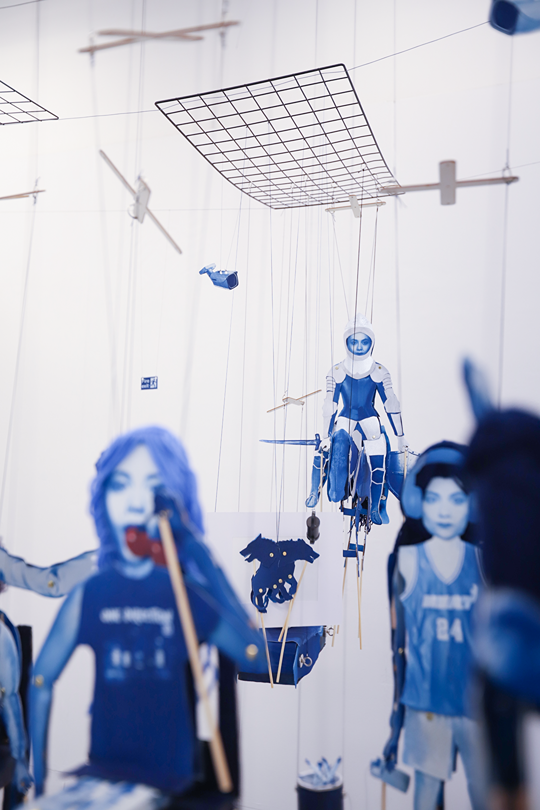
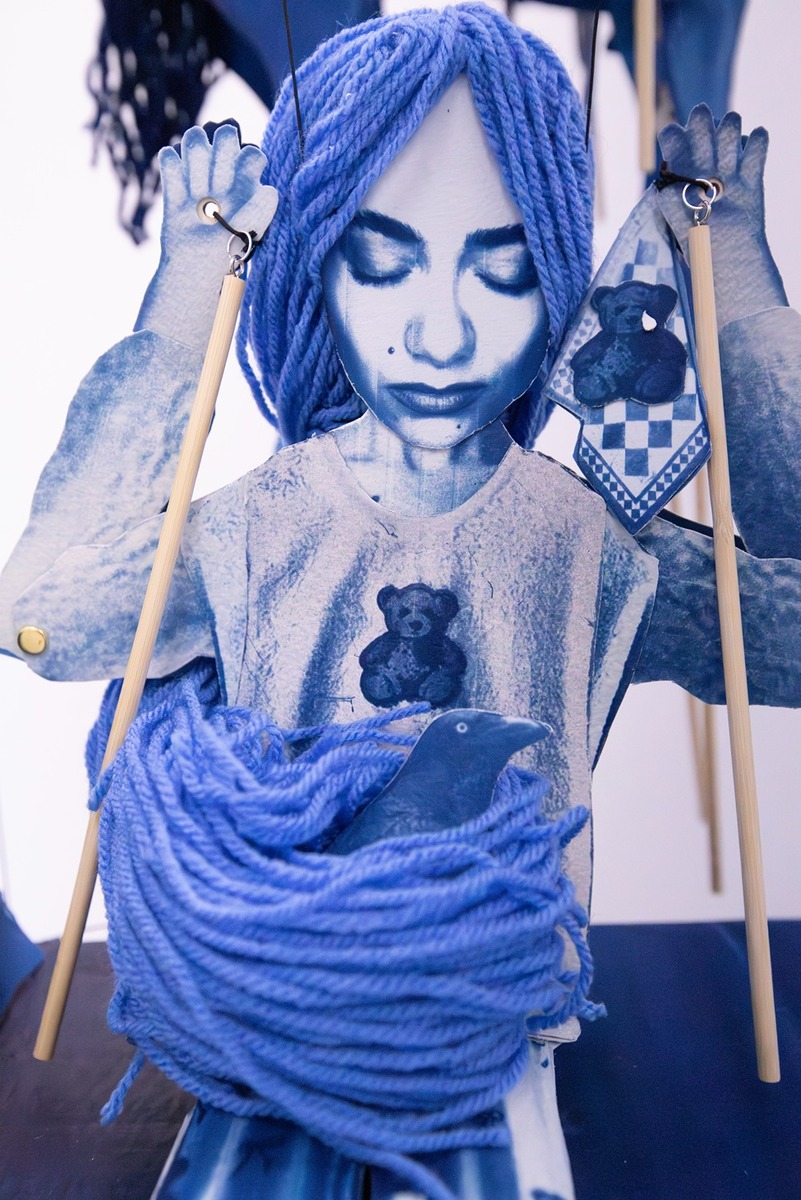
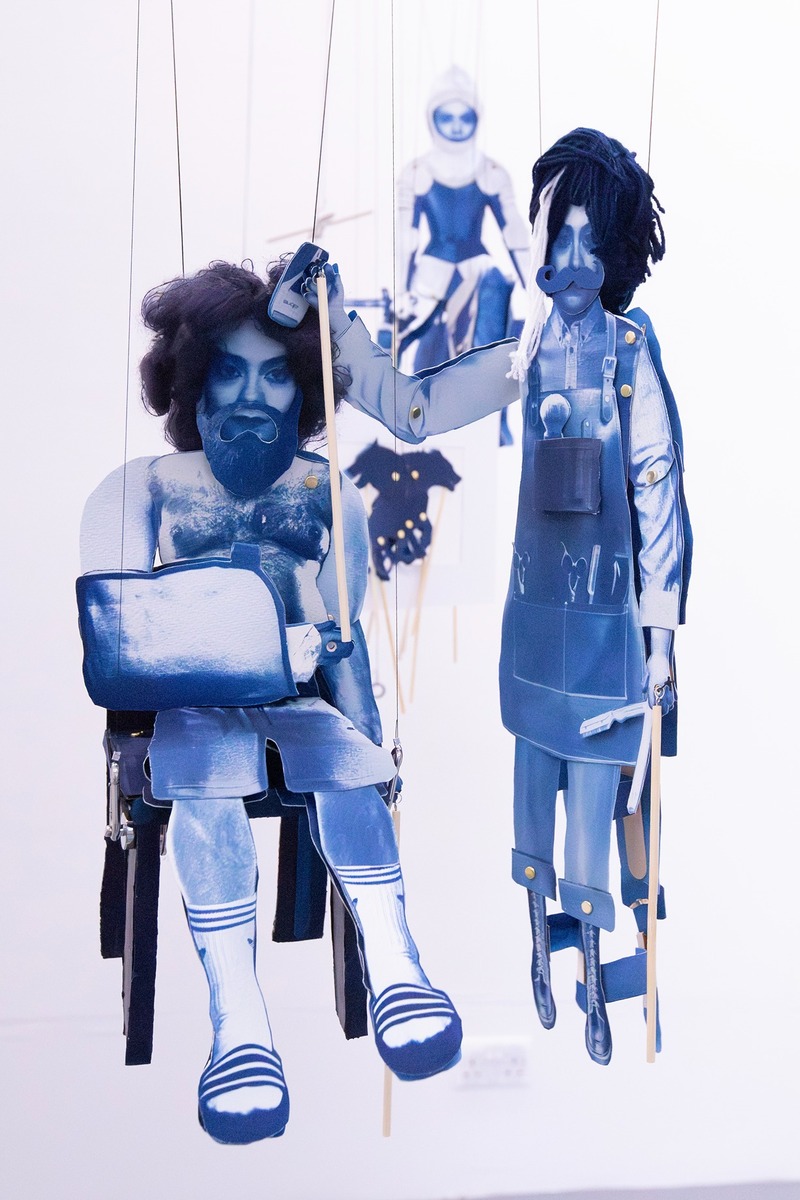
Unlike digital images, she sees photographic prints as objects with texture, weight, and depth. Using digital negatives, she prints archival and found imagery onto thick watercolor paper before cutting, layering, and assembling each puppet by hand.
The unmistakable blue of cyanotype also became emotionally significant in You Want to Give Up the Taste of the Cherries?.
Referencing the phrase "feeling blue," the monochromatic figures translate depression into something viewers can physically move through instead of simply observing from a distance.
The Truth Doesn't Always Look Real
Prosperi challenges the long-held assumption that photography faithfully documents reality.
With AI-generated imagery, digital manipulation, and increasingly sophisticated editing tools, she believes photography has moved further away from objective truth than ever before.
Instead of resisting that shift, she embraces it.
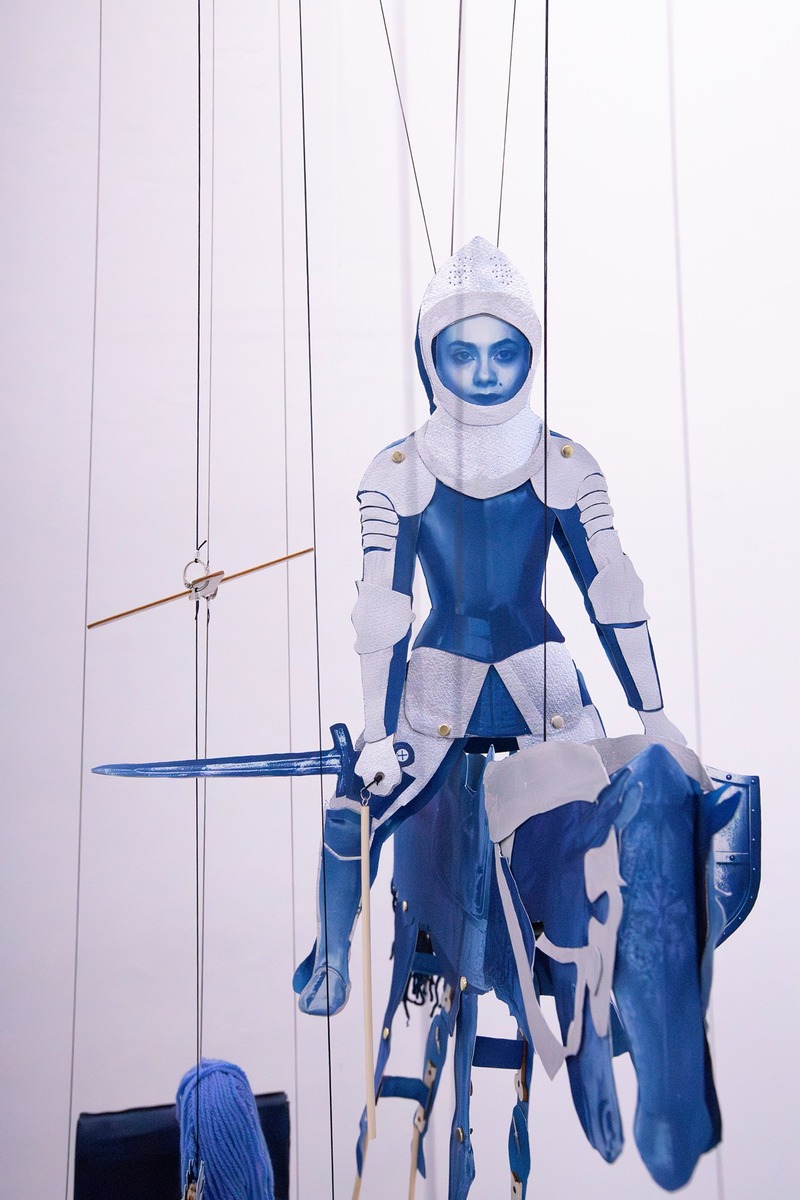
Surrealism, collage, theatre, and performance allow her to build emotionally truthful narratives that documentary photography alone often cannot. Inspired by performance artists and Surrealist image-making, she treats photography less as evidence and more as a language capable of constructing entirely new realities.
For Prosperi, magical realism often reveals more than realism itself.
Depression Becomes Something You Can Walk Through
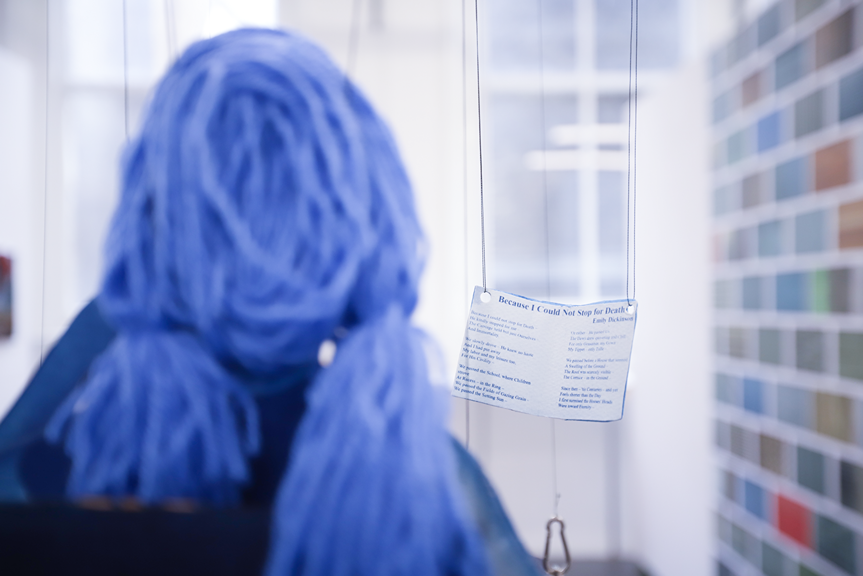
At the heart of You Want to Give Up the Taste of the Cherries? sits a deeply personal frustration with how severe mental illness is represented.
Prosperi wanted to create an installation that neither romanticizes depression nor reduces it to stereotypes. Instead, she approached it as an illness deserving of the same seriousness as any physical condition.
The result is an immersive psychiatric environment where visitors physically interact with articulated puppets by manipulating rods attached to their hands.
Rather than remaining passive observers, audiences literally become part of the system controlling the figures.
That participation changes everything.
The installation isn't asking viewers to watch depression from a safe distance. It's asking them to confront the invisible structures that shape it.
Memory Is Something You Can Rewrite
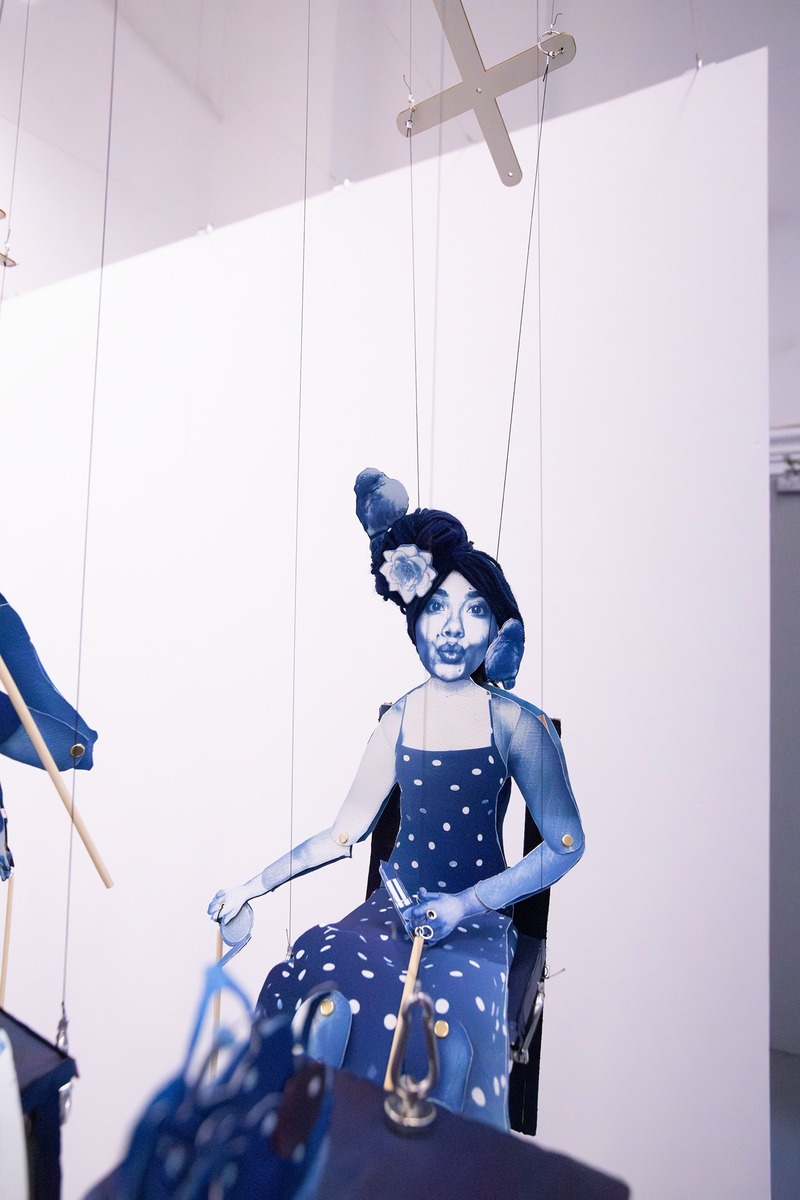
Family photographs appear repeatedly throughout Prosperi's work, but rarely in their original form.
She cuts them apart, reconstructs them, and places them into entirely new narratives.
Rather than rewriting history, she sees the process as reclaiming authorship.
She references a scene from Elena Ferrante's The Story of a New Name, where a wedding photograph is physically altered by its subject, transforming an imposed image into one she controls herself.
Prosperi approaches her own archives in much the same way.
Changing an image doesn't erase the past.
It changes who gets to define it.
Hair, Birds, and the Language of Symbols
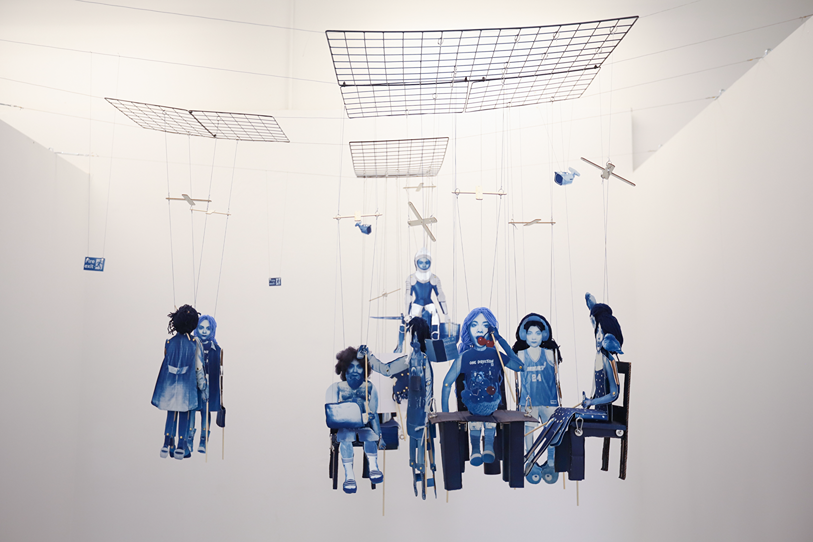
Certain visual motifs quietly continue to appear across Prosperi's practice.
Hair has become one of the most persistent.
In You Want to Give Up the Taste of the Cherries?, the protagonist's hairstyle changes as her emotional state evolves, shifting from carefully braided hair to loose strands before settling into something entirely different by the story's conclusion.
Birds carry a similarly layered symbolism, inspired by Emily Dickinson's poetry.
A crow accompanies moments of despair.
Small birds appear beside hope.
Neither image carries one fixed meaning.
Like Dickinson, Prosperi allows symbols to change emotionally depending on context.
Why Laughter Can Tell Harder Truths
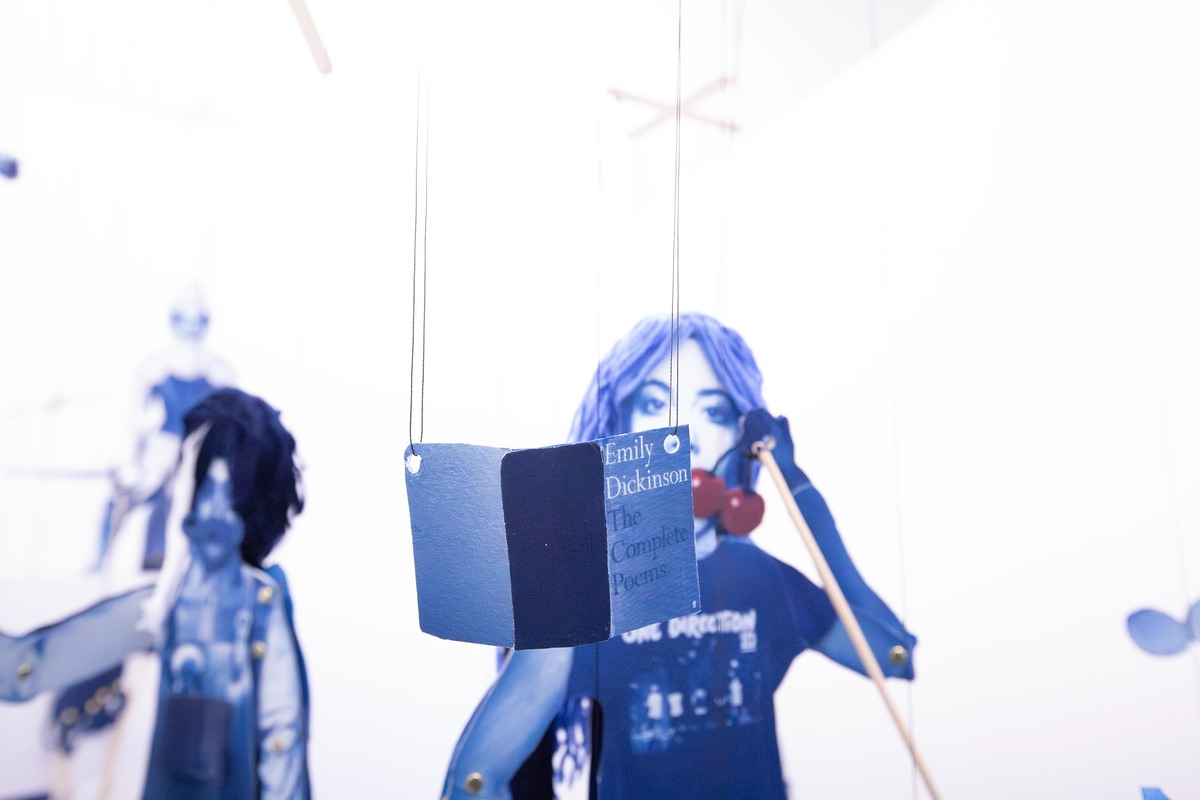
Despite tackling subjects like institutionalization, depression, and power, Prosperi frequently relies on absurdity.
She believes humor lowers audiences' defenses in ways direct criticism often cannot.
"When something feels absurd, people stop and ask why," she explains.
That pause creates space for reflection.
Instead of rejecting uncomfortable ideas immediately, viewers first laugh, then begin thinking.
For Prosperi, absurdity isn't about softening difficult conversations.
It's about making sure they actually reach people.
Art Should Be Touched
Looking ahead, Prosperi hopes galleries become less intimidating and more participatory.
She's fascinated by the uninhibited curiosity children bring to museums, where touching, exploring, and asking questions feels instinctive rather than forbidden.
That's the relationship she wants adults to rediscover.
Photography, she believes, should feel less like a sacred object displayed behind invisible barriers and more like an old family photograph pulled from a shoebox, held in your hands, passed between generations, carrying stories that continue changing every time someone looks at them.
For Leila Prosperi, the photograph was never meant to stay on the wall.
It was always waiting to come to life.








 Connect with Facebook