





6 Ways Tinted SPF Improves Your Skin Over Time
How daily tinted SPF quietly improves skin tone, texture, and long-term skin health.
Sunscreen is often framed as a “preventative” step—something you do to avoid future damage. That’s true, but it’s not the whole story. When you wear SPF consistently, you’re not just blocking UV in the abstract; you’re actively shaping how your skin behaves day to day: how evenly it heals, how calm it stays, how quickly discoloration fades, and how well it holds onto firmness.
Tinted SPF adds another layer to that equation. The pigment isn’t only cosmetic. In many formulas, the tint comes from iron oxides, which can help protect against visible light (not just UV). If you’re prone to hyperpigmentation, melasma, post-acne marks, or redness, that distinction matters—because “sun damage” isn’t always caused by UVB alone.
Below are six ways tinted SPF can improve the look and resilience of your skin over time, plus a few practical tips to get the benefits without overcomplicating your routine.
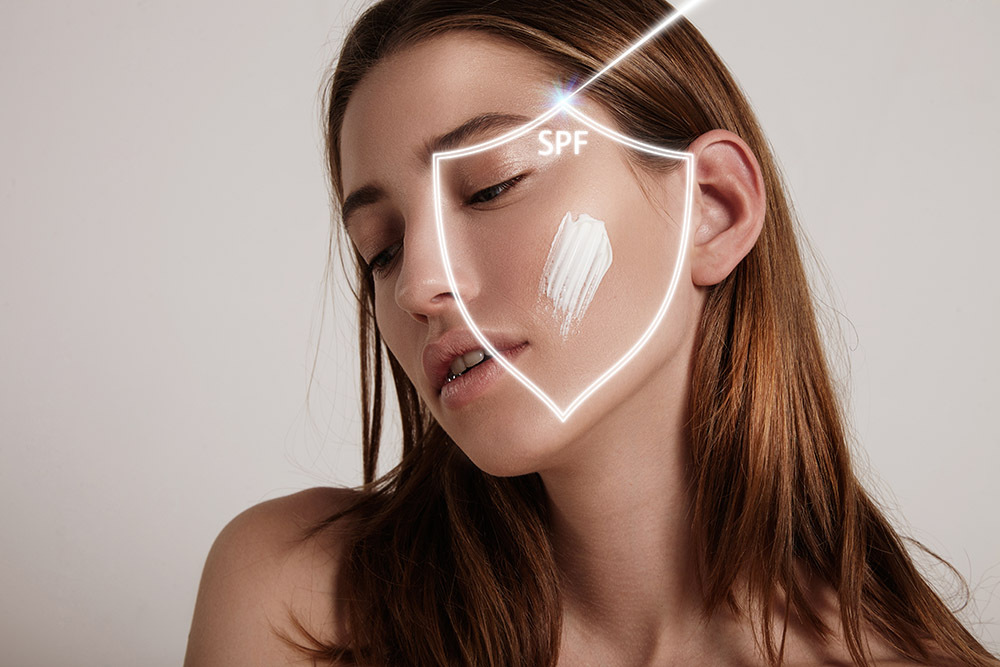
Why tinted SPF behaves differently than clear sunscreen
Most people don’t skip SPF because they doubt the science. They skip it because it feels unpleasant, looks chalky, pills under makeup, or clashes with their skin tone. Tinted formulas can remove some of those friction points by doubling as light complexion coverage, which makes daily wear more realistic.
And in dermatology, realism is everything. The best sunscreen is the one you’ll use in the right amount, often enough, for long enough that your skin can actually bank the benefits.
Six long-term skin benefits you can expect
1) Fewer dark spots because you’re addressing UV and visible light
If you’re dealing with stubborn pigmentation, broad-spectrum SPF is non-negotiable—but it may not be sufficient on its own. Visible light (particularly high-energy blue light) can worsen hyperpigmentation in deeper skin tones and trigger melasma flares. Tinted sunscreens that contain iron oxides can help reduce that visible-light impact.
Over time, that can translate to:
- fewer new spots forming,
- less “re-darkening” of existing marks, and
- more consistent results from ingredients like vitamin C, azelaic acid, and retinoids.
2) A calmer-looking complexion through reduced daily inflammation
UV exposure creates oxidative stress and inflammation—even before you see a burn. That low-grade irritation can show up as persistent redness, sensitivity, rough texture, or a cycle where blemishes linger longer than they should.
Tinted SPF helps in two ways: you’re reducing UV-driven inflammation, and you’re less likely to reach for heavy base makeup that can sometimes aggravate reactive skin. If you have rosacea-leaning redness or post-inflammatory erythema (those pink marks after a breakout), consistent protection can make your skin appear more even simply because it’s less inflamed.
3) Better collagen preservation (read: slower visible ageing)
Photoaging isn’t just “wrinkles.” It’s collagen breakdown, elastin disruption, and changes in how evenly skin reflects light. UVA rays penetrate deeper and are a major driver of those long-term structural shifts.
Daily broad-spectrum SPF is one of the few steps that genuinely changes your skin’s trajectory over years. Tinted SPF doesn’t magically outperform clear SPF here—what it often does is improve adherence. When people like how their SPF looks, they wear it more days of the week, which is what preserves collagen in the real world.
Around this point, it’s worth thinking about practicality: if you’re trying to make SPF a non-negotiable habit, choosing a finish you’ll actually enjoy can be the difference between “sometimes” and “every day.” Many people find tinted options hit that sweet spot of protection and appearance—essentially lightweight UV defence with subtle coverage that doesn’t feel like a full makeup step.
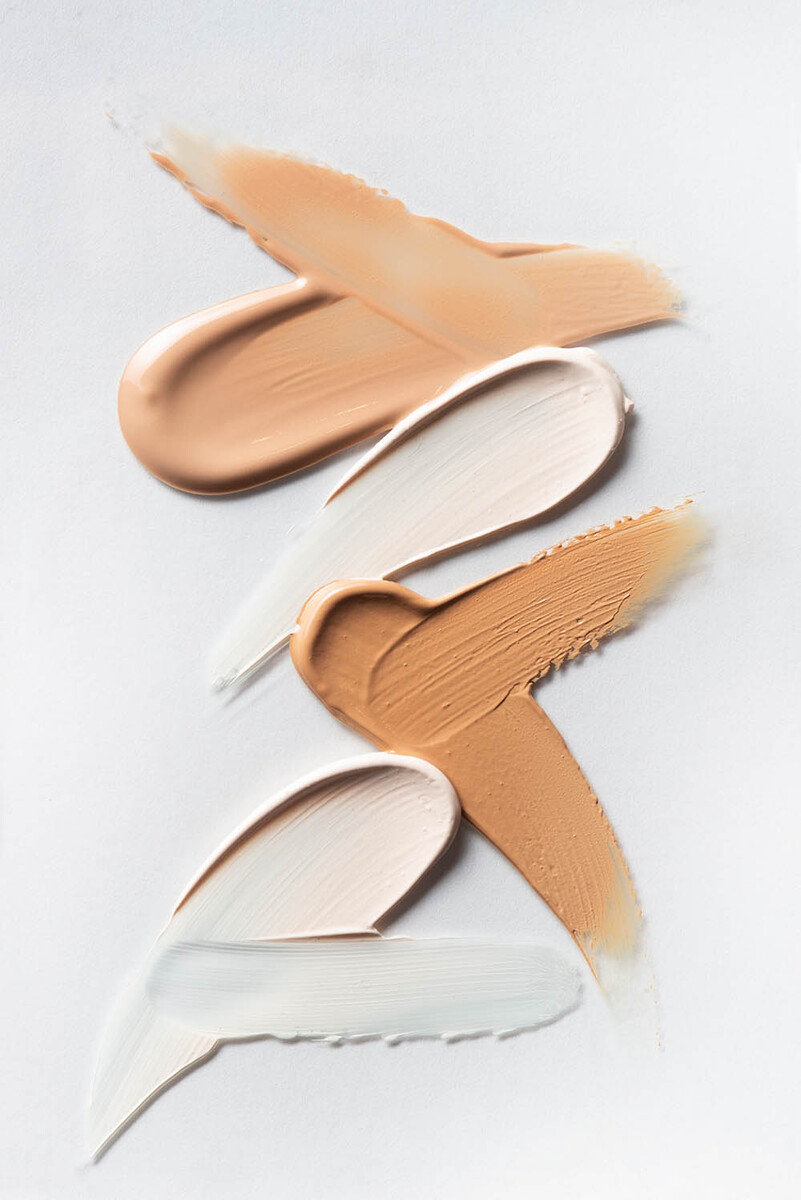
4) More consistent protection because tint can replace (or simplify) makeup
Here’s the uncomfortable truth: lots of people rely on foundation for “coverage” and treat SPF as optional. The problem is that most makeup doesn’t deliver enough sun protection in the amount applied, and applying SPF over a full face can feel messy.
Tinted SPF can simplify the stack. If it gives you enough sheer coverage to feel presentable, you’re more likely to apply the proper sunscreen amount in the morning—then touch up strategically later (powder SPF, cushion reapplication, or a second thin layer if you’re staying outdoors).
Consistency is a skin intervention. A product that fits your life wins.
5) Less post-breakout marking when you protect healing skin
After acne clears, the “memory” can stick around as brown (post-inflammatory hyperpigmentation) or red/pink marks (post-inflammatory erythema). Sun exposure during healing is a common reason those marks linger for months.
Tinted SPF helps in a very specific way: it protects vulnerable, freshly healed areas from UV/visible-light stimulation that can deepen discoloration. If you’re using actives that speed up cell turnover—retinoids, exfoliating acids, benzoyl peroxide—this matters even more, because newly revealed skin can be more reactive to light.
The long-term payoff is subtle but real: your skin returns to baseline faster, and you accumulate fewer “leftovers” from each breakout.
6) A more even tone on camera—and in the mirror—without overworking your skin
This isn’t vanity; it’s behavioral science. When your complexion looks more even with a single step, you tend to poke and pick less, layer fewer products, and irritate your skin less. That can reduce barrier disruption over time.
Also, tinted SPF can blur the look of mild redness and unevenness, which makes it easier to commit to a skin-first routine (cleanser, moisturizer, SPF) rather than a cycle of heavy coverage and aggressive stripping to “make it last.”
How to get the benefits (without turning SPF into a project)
A tinted sunscreen only helps if it’s applied correctly and worn consistently. A few guidelines that make a noticeable difference:
- Use enough. For face and neck, many clinicians recommend the “two-finger” amount (two lines on your index and middle finger). With tinted SPF, this may look like more than you’re used to—blend in thin layers if needed.
- Match protection to your day. If you’re outdoors, sweating, or near windows for hours, reapplication matters. If you’re mostly indoors away from windows, your morning layer may carry more of the load.
- Treat it like skincare, not makeup. Apply on clean, moisturized skin. Let it set for a minute before adding concealer or powder.
- Remove it well at night. Tinted formulas can cling. A gentle double cleanse (oil/balm then a mild water cleanser) helps prevent buildup.
The long game: fewer “rescues,” more steady improvement
Tinted SPF isn’t a shortcut to perfect skin. What it offers is something more useful: a wearable, repeatable habit that protects collagen, reduces inflammatory triggers, and supports clearer fading of discoloration. When you stick with it, you’ll likely notice you need fewer corrective steps—less concealing, less “undoing,” and fewer surprises when you look closely in natural light.
In skincare, that’s what progress usually looks like: quiet, cumulative, and hard to replicate with any single treatment.










 Connect with Facebook