




Tommy Hilfiger Steps Into The Fibre Future
Joining the Spinnova consortium
Tommy Hilfiger joining the Spinnova consortium is quieter, more infrastructural, and arguably very interesting plan. Announced mid December, the move folds the American heritage brand into a Finnish-led ecosystem focused less on capsule drops and more on the long game of material change. No runway spectacle, no token green collection. Just fibre, supply chains, and the slow work of making alternatives viable at scale.
Spinnova’s pitch has always been less about fantasy and more about physics. A wood-based textile fibre that skips dissolving chemicals, avoids viscose-level toxicity, and can actually biodegrade without leaving a mess behind. For a brand like Tommy Hilfiger, whose global volume makes sustainability promises hard to back up, this kind of partnership reads as pragmatic. Joining a consortium means shared risk, shared learning, and fewer excuses when it comes time to deliver.
Why This Matters Beyond the Press Release
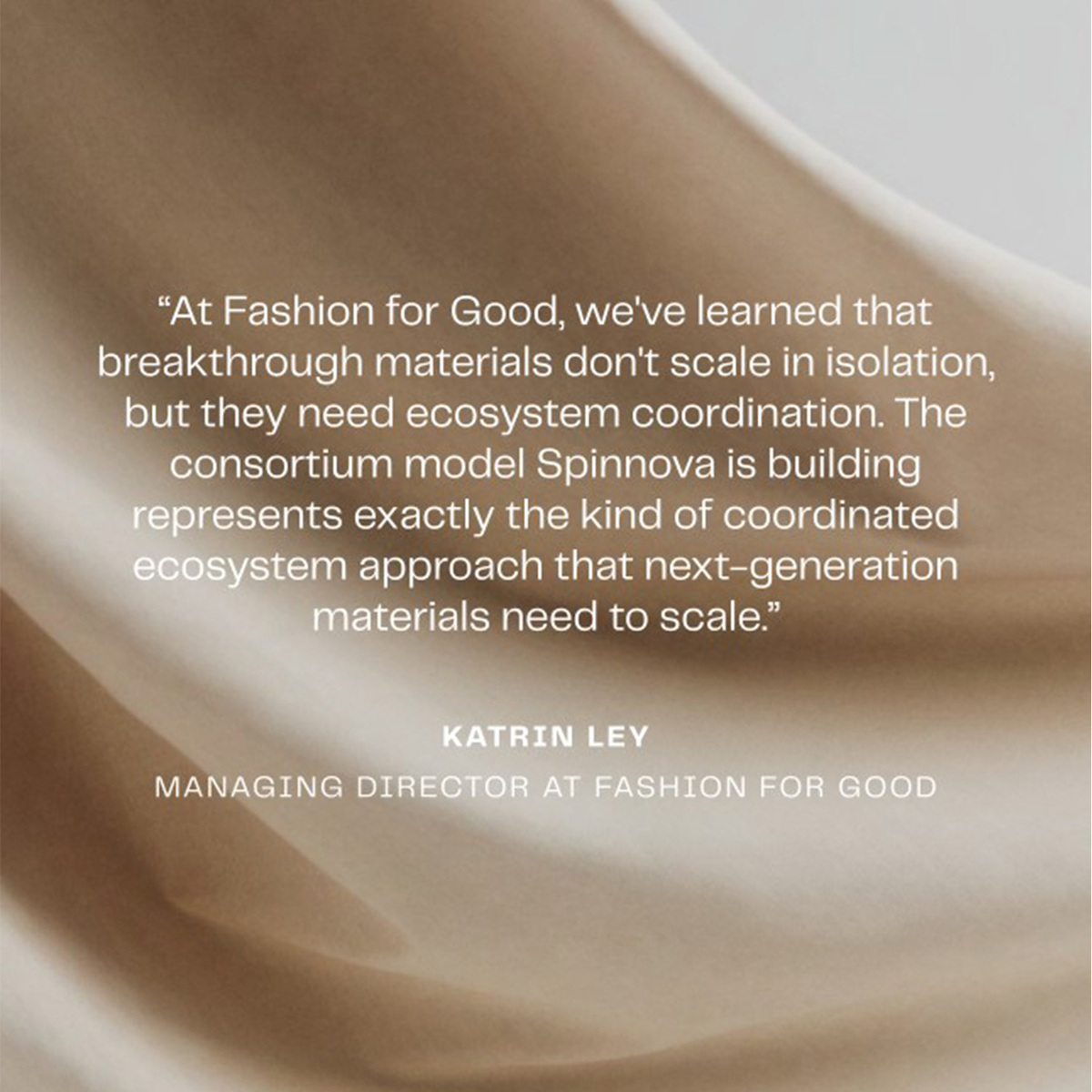
The consortium model itself is the real story. Backed by Fashion for Good, it is designed to solve the part of sustainable fashion most brands avoid talking about: consistency. Stable supply, industrial scaling, and fibres that can move from concept to millions of units without collapsing under cost or performance issues. This is where most eco-innovations die. Not because they are bad ideas, but because no one commits early enough or deeply enough.
For Tommy Hilfiger, access to Spinnova fibre signals an attempt to future-proof materials inside a system that has historically relied on cotton blends and synthetics. Whether this translates into meaningful product shifts remains to be seen. Fashion has a long history of announcing partnerships that never quite make it to the hanger. But Spinnova’s existing collaborations with Adidas, H&M Group, and Marimekko suggest this fibre is already past the speculative stage.
If sustainability in fashion is going to stop being a mood board and start being infrastructure, this is what it looks like. Less talk about saving the planet. More talk about how clothes are actually made, and what happens when brands with real scale decide to get involved early instead of waiting for regulation to force their hand.









 Connect with Facebook