




Peitong Zhuo Reimagines Ritual, Identity And Cultural Memory
Tame and Cage.
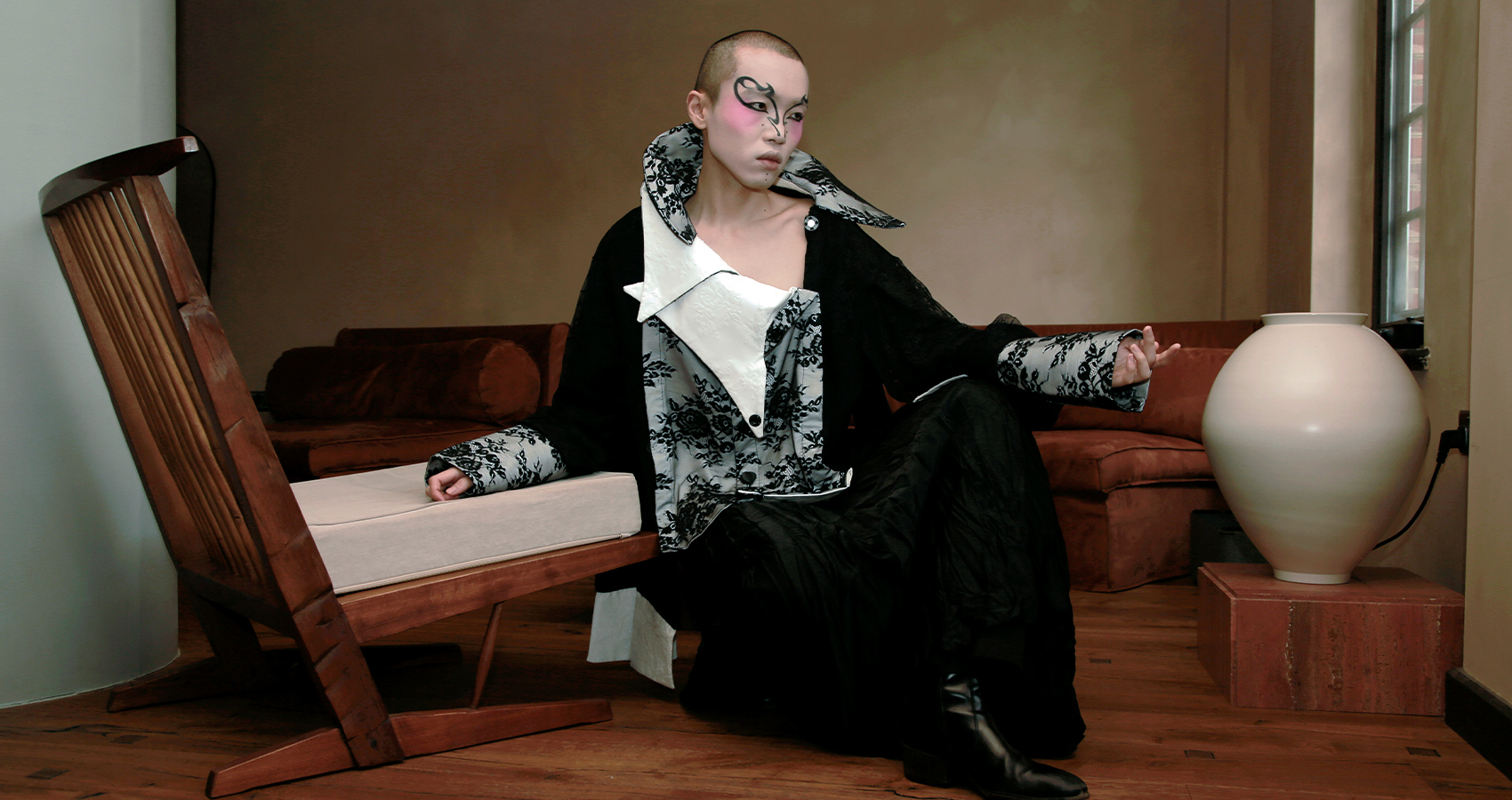
Tradition is often imagined as something fixed, preserved behind glass or repeated exactly as it has always been. For photographer Peitong Zhuo, it is something far more alive. In Tame and Cage, the artist draws from the centuries-old Chinese Nuo ritual tradition, not to recreate it, but to ask what happens when cultural memory is allowed to evolve alongside contemporary identity. Blending fashion photography, performance, and symbolism, Zhuo creates images where painted faces replace ceremonial masks and domestic interiors become unexpected sites of spiritual transformation.
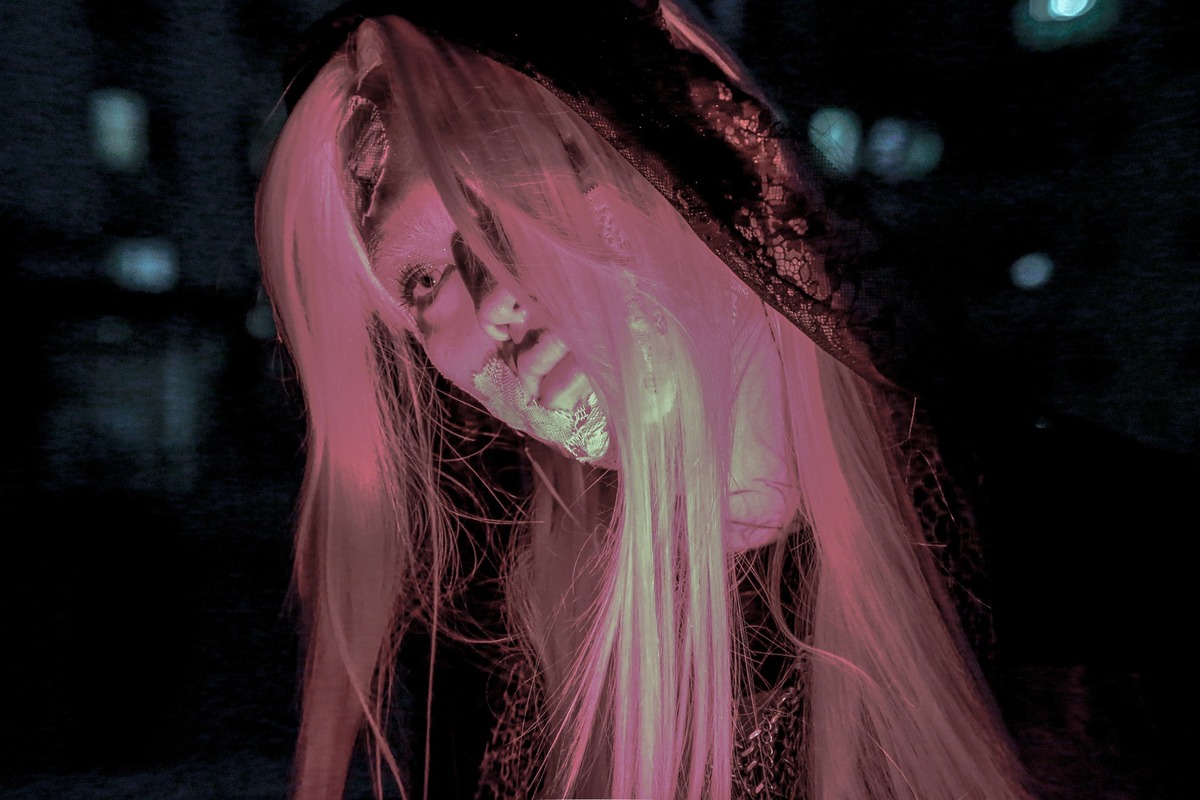
The result is a body of work that examines identity as something continuously negotiated, suspended between inheritance and reinvention.
The Body Becomes the Ritual
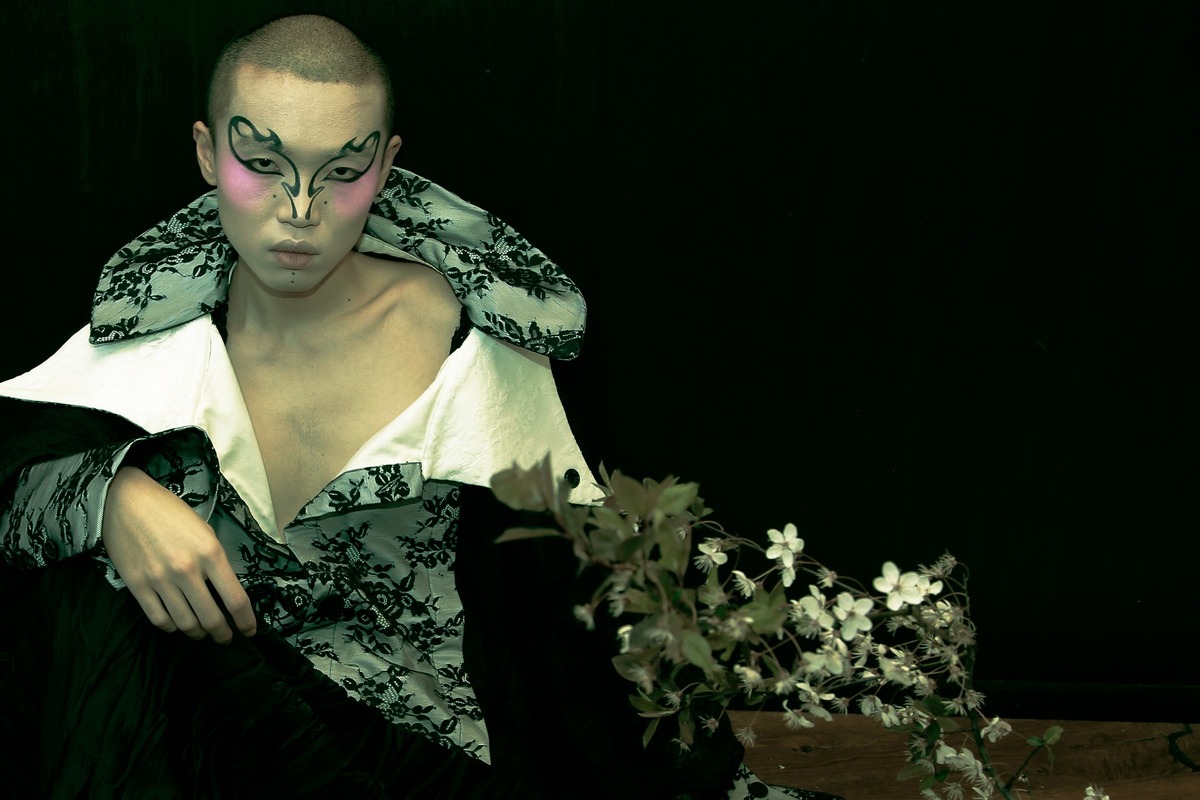
Tame and Cage didn't begin as an attempt to reinvent Nuo traditions. At first, Zhuo planned to work with traditional masks themselves, but the research led somewhere unexpected. Reproducing the physical objects began to feel like historical reconstruction rather than artistic conversation.
Instead, the masks dissolved into painted facial language.
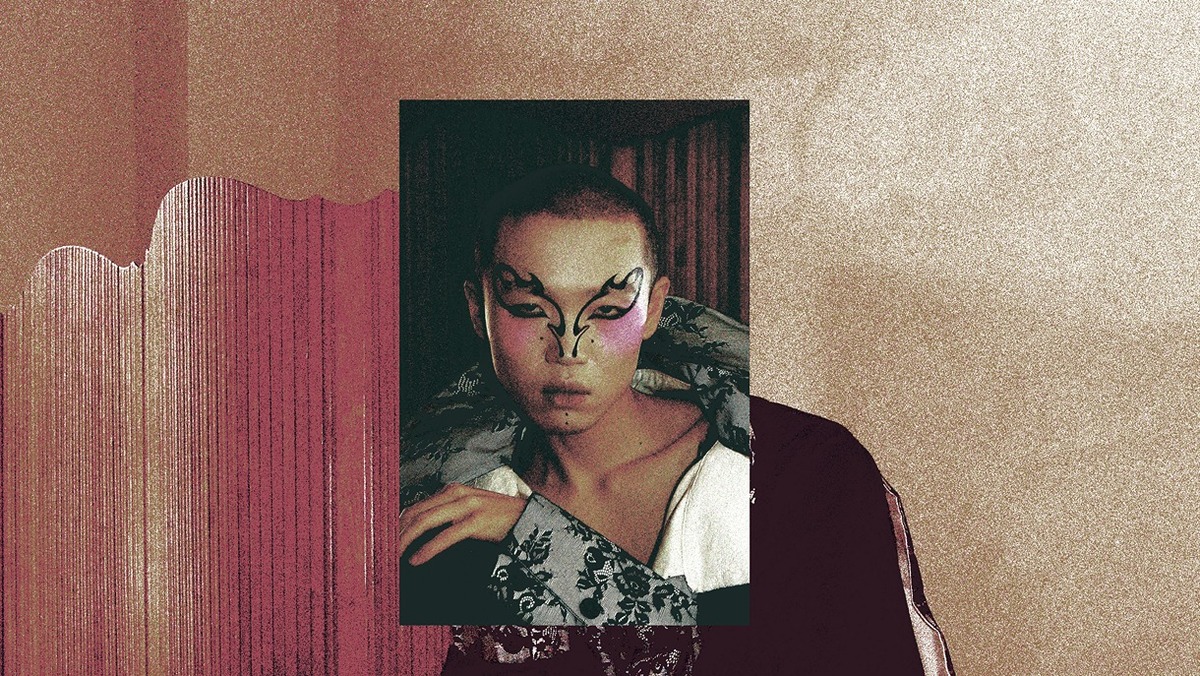
Without a physical object separating the wearer from the world, the body itself becomes the ritual site. Faces transform into living canvases where memory, spirituality, and identity merge. Rather than hiding behind tradition, Zhuo's subjects embody it, allowing contemporary fashion and ancient symbolism to exist within the same visual language.
During production, the transformation became psychological as much as aesthetic. What initially felt like styling gradually shifted into something more immersive, as painted faces altered posture, movement, and presence. The images stopped documenting clothing and began capturing states of being.
Ancient Symbols Inside Modern Rooms
Instead of placing ritual within temples or ceremonial landscapes, Zhuo stages these figures inside intimate domestic spaces. Bedrooms, dining rooms, and quiet interiors become places where contemporary rituals unfold.
The decision reflects a simple but powerful idea: spirituality has never disappeared, it has merely become more private.
By relocating sacred symbolism into familiar environments, Tame and Cage suggests that today's rituals are often acts of solitude, reflection, healing, or survival. The work invites viewers to see ordinary spaces as places where identity is quietly negotiated every day.
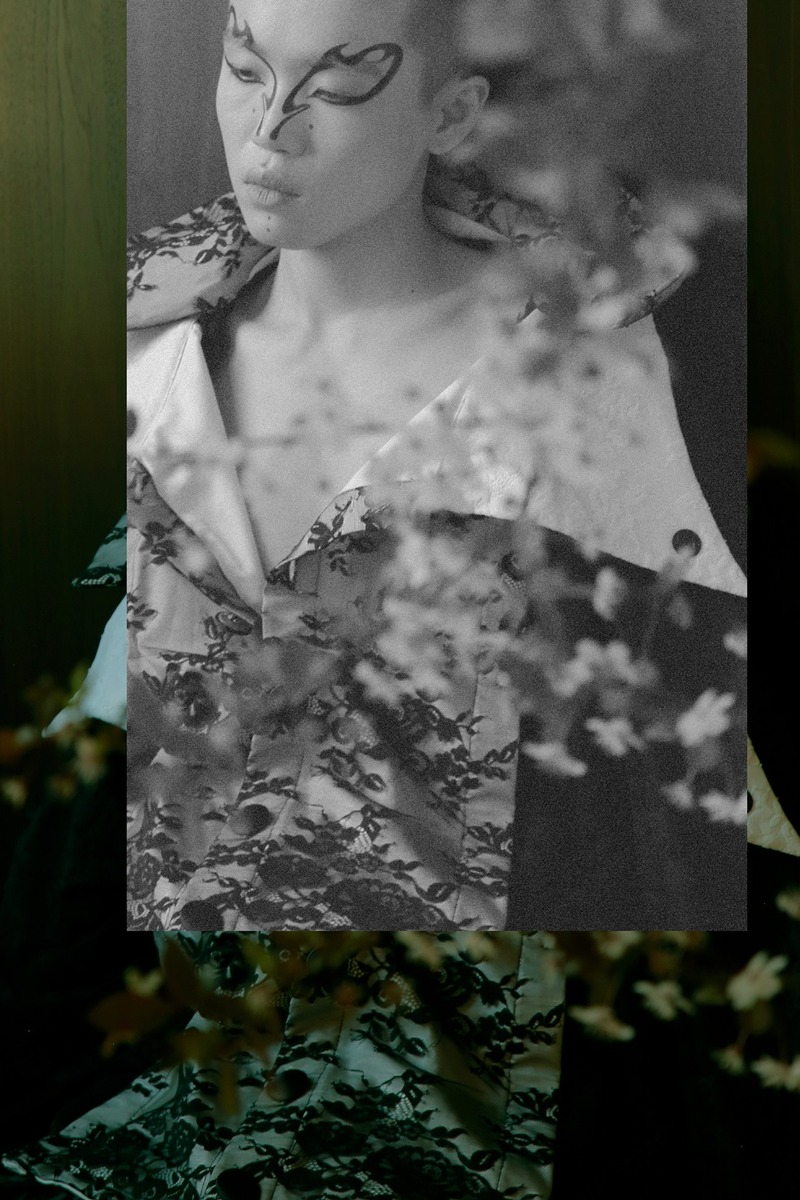
This tension also gives the project its title. Tame and Cage speaks to the dual nature of cultural identity itself. Heritage offers belonging, continuity, and protection, but it can also become something we feel obligated to perform. Rather than choosing between those realities, Zhuo embraces both.
Fashion Meets Memory
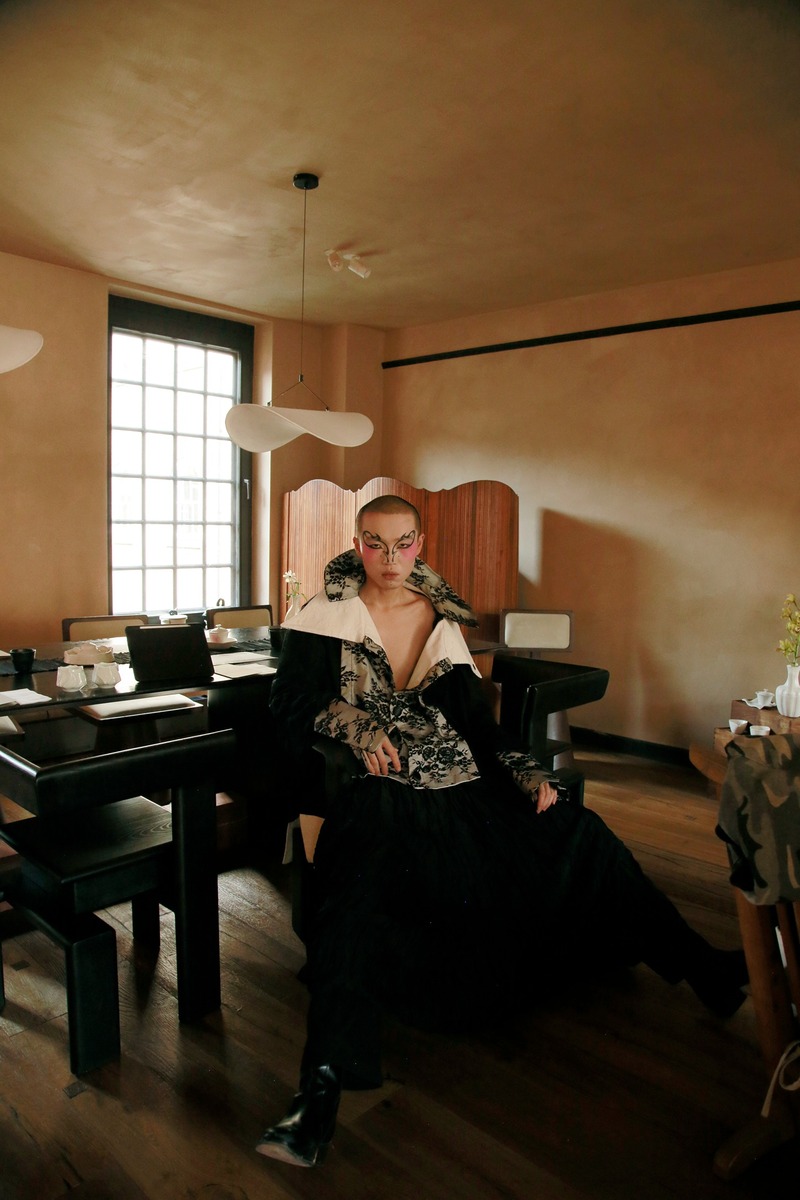
Fashion and ritual are rarely discussed together, yet Zhuo sees them asking remarkably similar questions.
Fashion imagines who we might become. Ritual remembers who we've always been.
When those two systems intersect, clothing moves beyond aesthetics and becomes a vehicle for cultural reflection. Tradition is no longer frozen in the past, while fashion becomes more than seasonal reinvention. Together they create a visual language capable of holding history and possibility at the same time.
That balance also extends to the painted faces themselves. While masks traditionally conceal identity, Zhuo's painted designs reveal something less visible. Freed from familiar facial expressions, viewers begin responding to atmosphere, gesture, vulnerability, and emotion instead of personality alone.
Keeping Heritage Alive
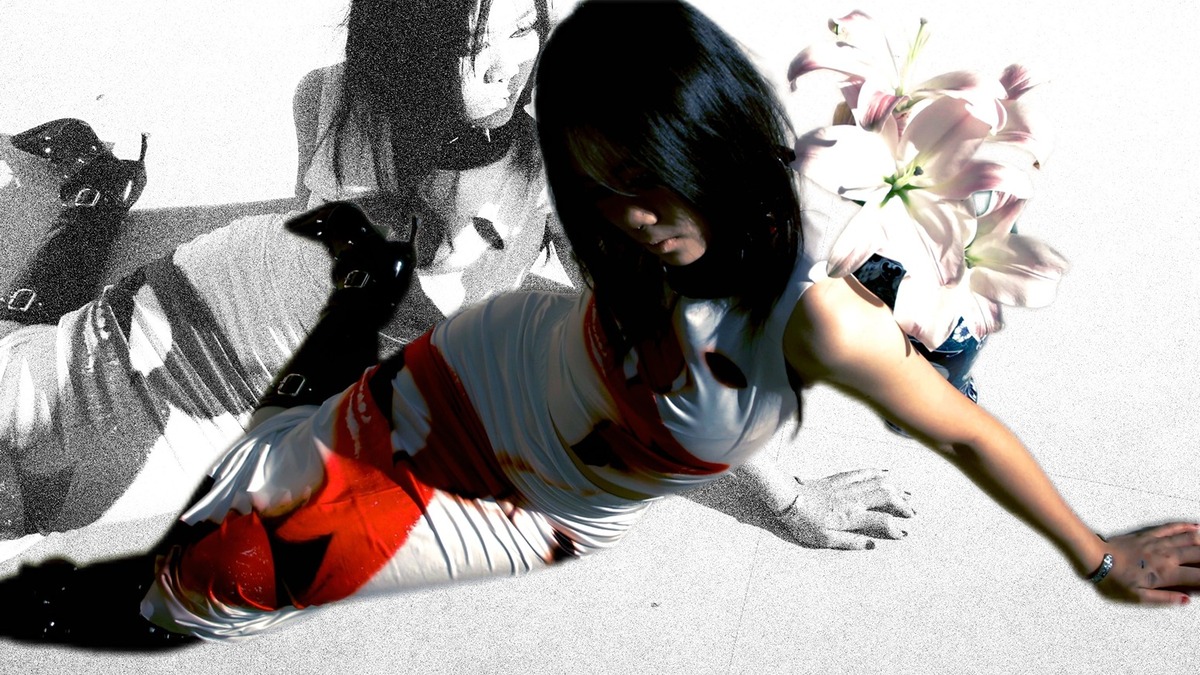
Underlying the project is a broader belief that cultural heritage should remain active rather than preserved as a static artifact.
Rather than documenting disappearing traditions, Zhuo is interested in continuing their evolution. Folk rituals, local beliefs, seasonal ceremonies, funeral customs, and everyday cultural practices all hold the potential to be translated into contemporary visual language without losing their philosophical core.
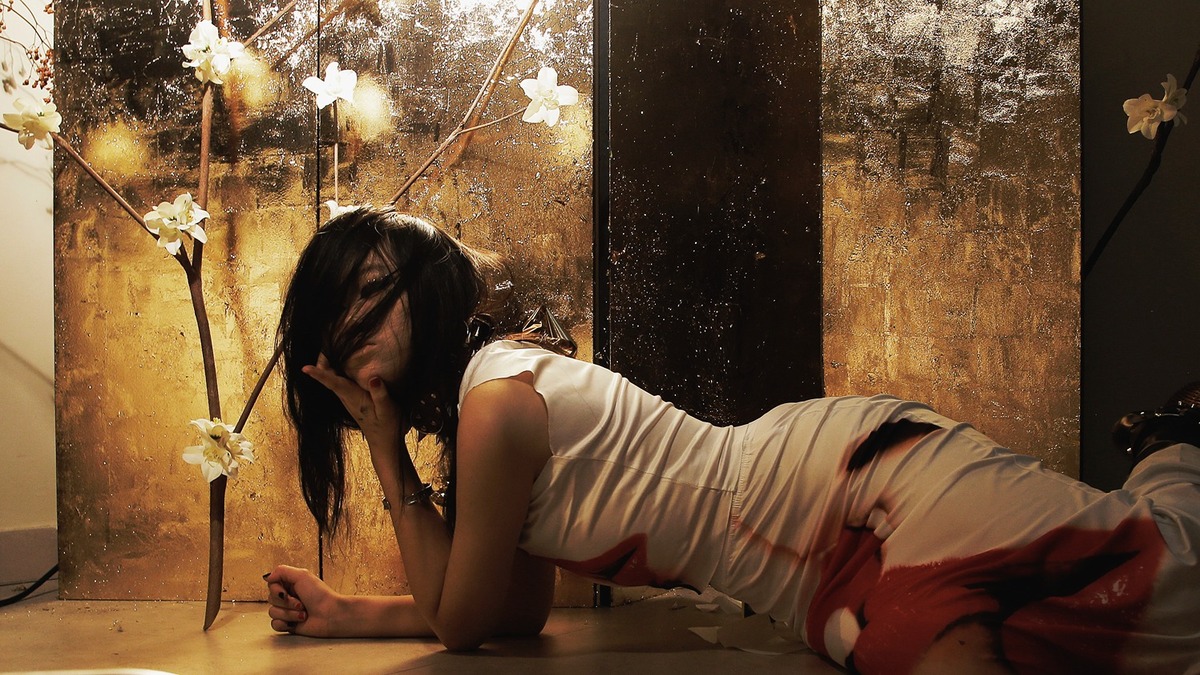
For Zhuo, preserving culture doesn't mean refusing change. It means allowing each generation to reinterpret inherited traditions in ways that remain emotionally relevant. In Tame and Cage, ritual becomes less about looking backward than carrying history forward, proving that heritage remains most powerful when it continues to live, transform, and speak to the present.









 Connect with Facebook