





The Beauty Of Morphing Dark Into Light
A storybook where vintage glamour makes a beautiful coming-of-age.
The singer-songwriter’s People Pleaser EP turns the uncomfortable realities of growing up into a strange, beautiful storybook, where vintage glamour, unsettling imagery and a growing appetite for revenge make room for a different kind of coming-of-age.
There is something comforting about a fairytale. Even when the forest is dark, the characters are in danger and the ending feels uncertain, there is usually a little magic waiting somewhere along the way. For Molly Elizabeth, that sense of fantasy has become more than an aesthetic. It is a way of processing experiences that would otherwise be difficult to revisit.
Her music often pairs whimsical melodies and theatrical arrangements with subjects including abuse, medical dismissal, beauty standards and the anxieties of becoming an adult. The contrast is deliberate. Writing about painful experiences literally once left her feeling sad and stuck, so she began approaching them through storytelling instead.
“I feel like I'm a big advocate for romanticizing,” she explains. “Things don't need to be heavy. They don't need to be so super sad.”
That philosophy shapes People Pleaser, a project about discovering that the world waiting for you as an adult might look very different from the one you imagined as a child. Its fairytale atmosphere offers an escape, but it also makes the darker details harder to ignore.
A Fairytale With Something Wrong in the Woods
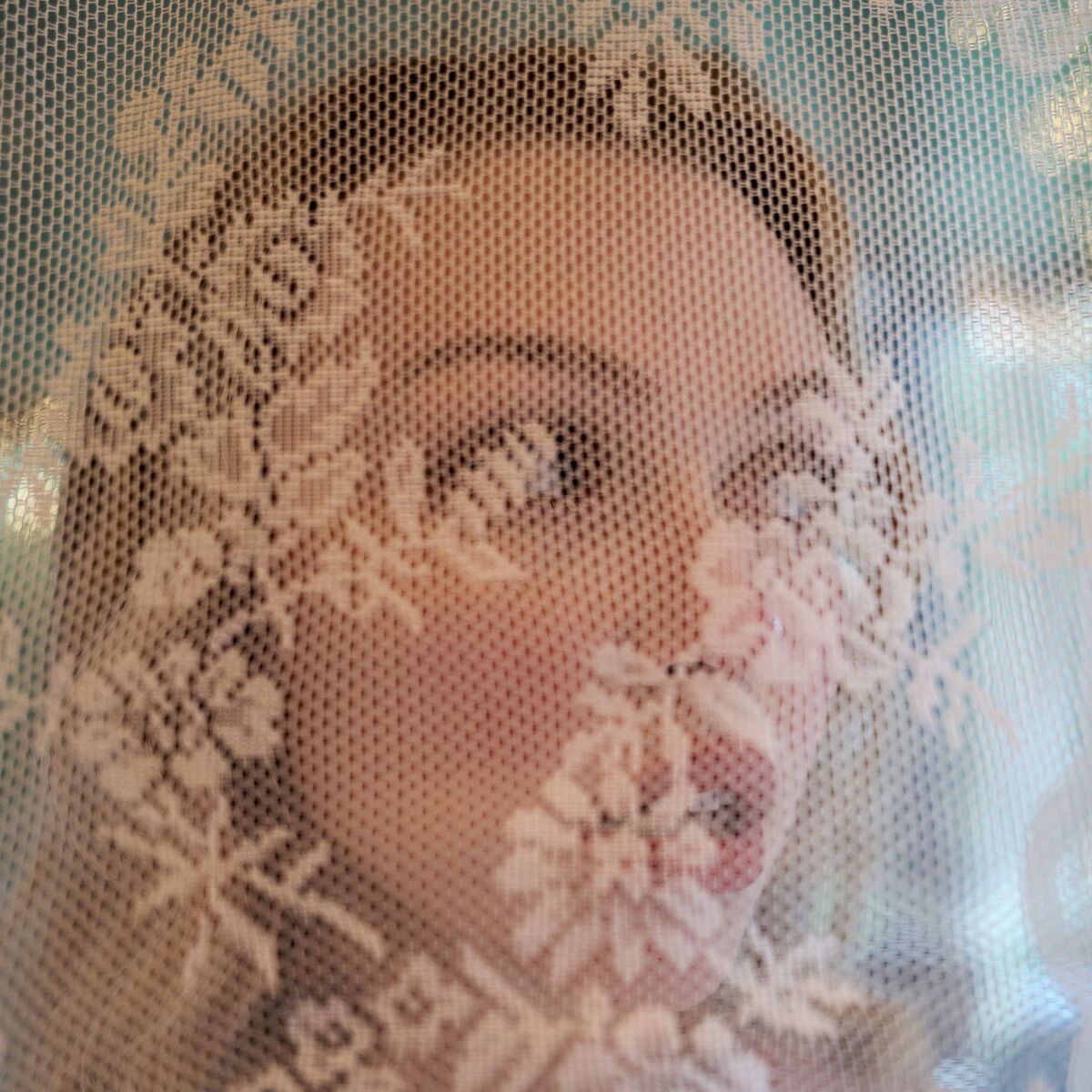
Molly's relationship with fantasy began long before music became her profession. As a child, she would play pretend in the woods, imagining herself as a lost princess. Watching films such as Snow White and Alice in Wonderland, she noticed how characters could turn emotional experiences into songs. She began doing the same.
Those childhood references have never entirely disappeared. The original Alice in Wonderland, Coraline and classic Disney films remain important touchstones, alongside the theatrical storytelling of The Sound of Music and Singin' in the Rain. More recently, she has been drawn to horror, particularly the work of Ari Aster and the unsettling beauty of Midsommar.
That combination of pretty and disturbing is central to her visual language. The world of People Pleaser can feel delicate, nostalgic and almost storybook-like, while carrying something decidedly uncanny underneath. For “Puppet Show,” Molly imagined a woman covered in bandages trying to escape a hospital, drawing on the atmosphere of The Twilight Zone episode “Eye of the Beholder.”
She also credits vintage fashion, old movies and storytelling with helping her through a difficult period in her life. Dressing like a princess became something she consciously embraced when she was searching for ways to feel better. It was not simply a costume. It was a world she could build around herself.
Growing Up Means Questioning the Happy Ending
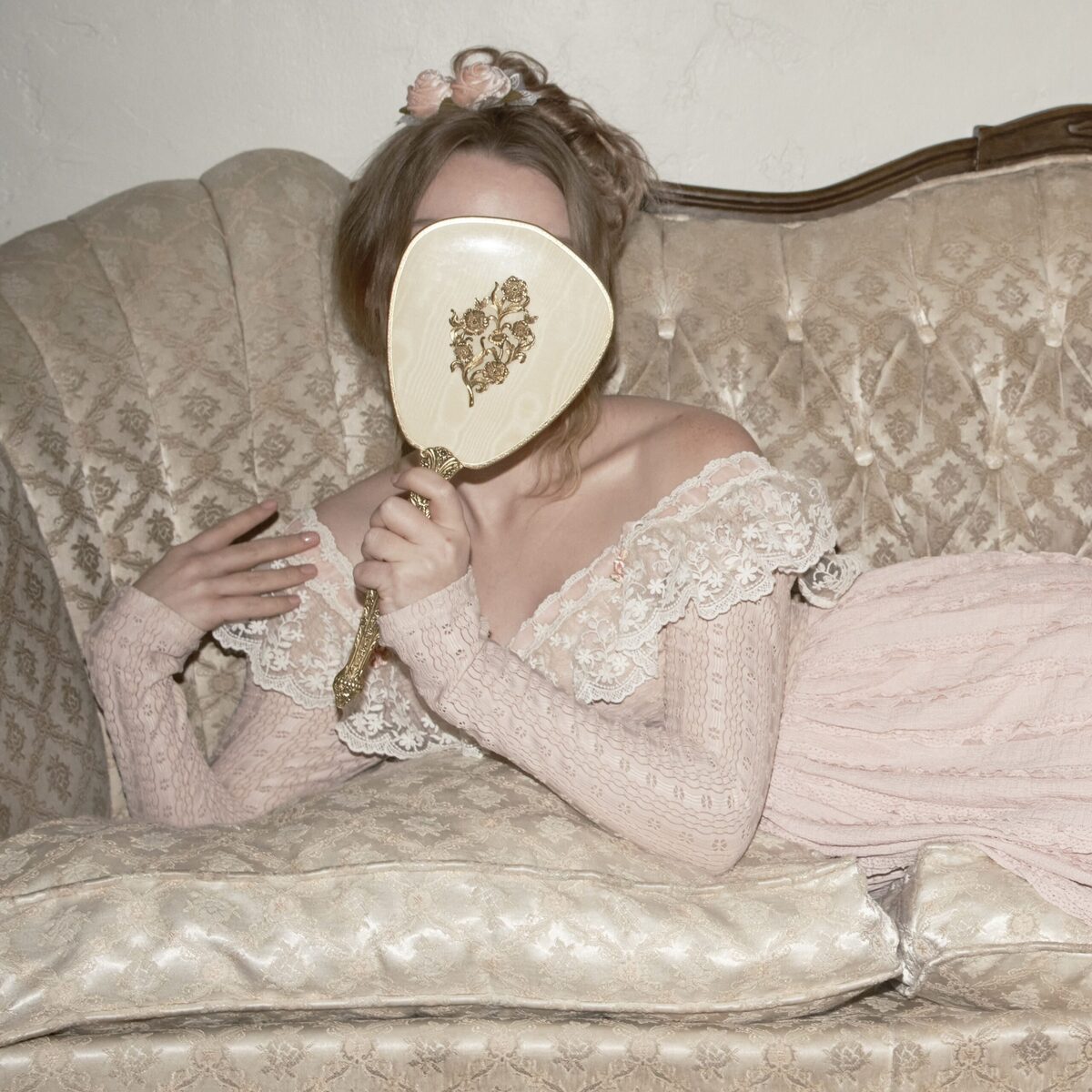
The catalyst for People Pleaser was partly Molly's move to Los Angeles in January. After growing up dreaming of leaving home and moving somewhere exciting, she found herself surrounded by billboards, advertisements, plastic surgery and relentless messages about how people should look.
The transition made familiar societal pressures feel much more immediate. The expectations placed on young women, in particular, became impossible to ignore.
She had imagined adulthood as freedom, but discovered that being a young woman in the world also comes with a new awareness of danger. The experience even changed the contents of her pockets: she jokes that she no longer carries bear spray for the woods, but pepper spray for people.
Animals have consequently become recurring characters in her music, from “Doe Eyes” to “Run Rabbit.” Molly believes animals can be violent without being evil, while humans have the capacity to cause deliberate harm. Her concern for animal welfare and the planet comes from that distinction, as well as a growing frustration with humanity's destructive tendencies.
On People Pleaser, the fairytale is not an excuse to ignore reality. It is a way of looking at it from another angle.
The People Pleaser Wants Her Turn
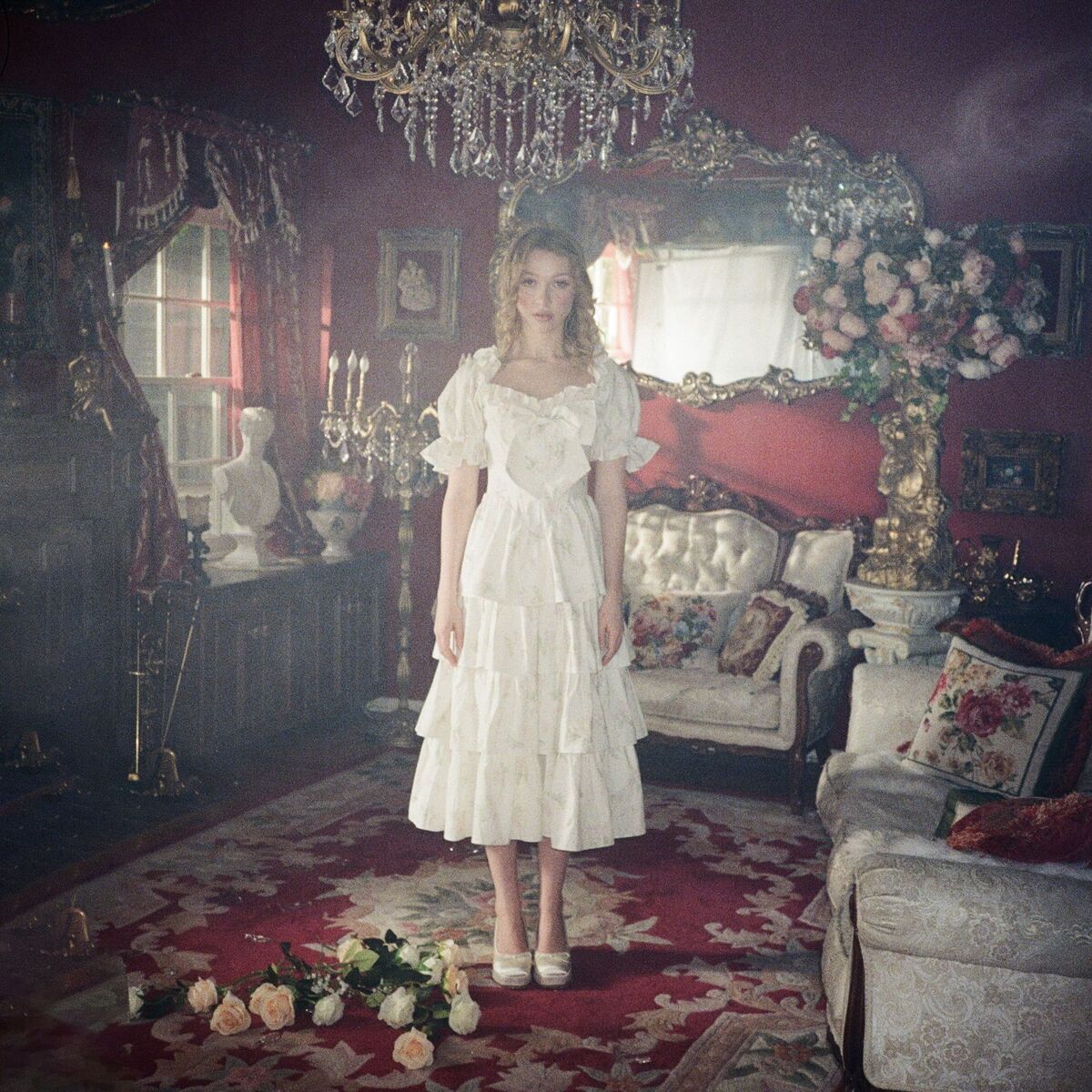
The title is partly a joke about a label Molly has heard throughout her life. She questions why people are so quick to describe someone as a people pleaser when the desire to be accepted is hardly unusual. But the phrase also captures the EP's wider concerns: conforming to beauty standards, chasing money, seeking belonging and changing yourself to meet expectations.
The project closes with “Kiss the Ring,” a particularly pointed reversal of that dynamic. Molly describes it as the most anti-people-pleaser song possible. After spending so much time trying to satisfy others, its message becomes refreshingly simple: it is her turn to be pleased.
That shift has also brought a new relationship with anger. Molly says she has discovered just how much of it she carries, particularly when reflecting on things that happened to her and recognizing that she deserved better. “Kiss the Ring” and “Run Rabbit” explore different sides of that emotional landscape, with the latter addressing escapism and the tendency to blame yourself for circumstances beyond your control.
She is also learning to protect her creative instincts. After growing up recording music alone in GarageBand, sometimes using her laptop keyboard as an instrument, entering professional sessions in Los Angeles was a significant adjustment. Collaborating with talented writers was valuable, but she eventually felt she had lost some of what made her music distinctive. The People Pleaser songs were written by Molly herself, and reclaiming her voice meant learning to speak up about what she wanted.
A Little Glitter for the Horrible Things
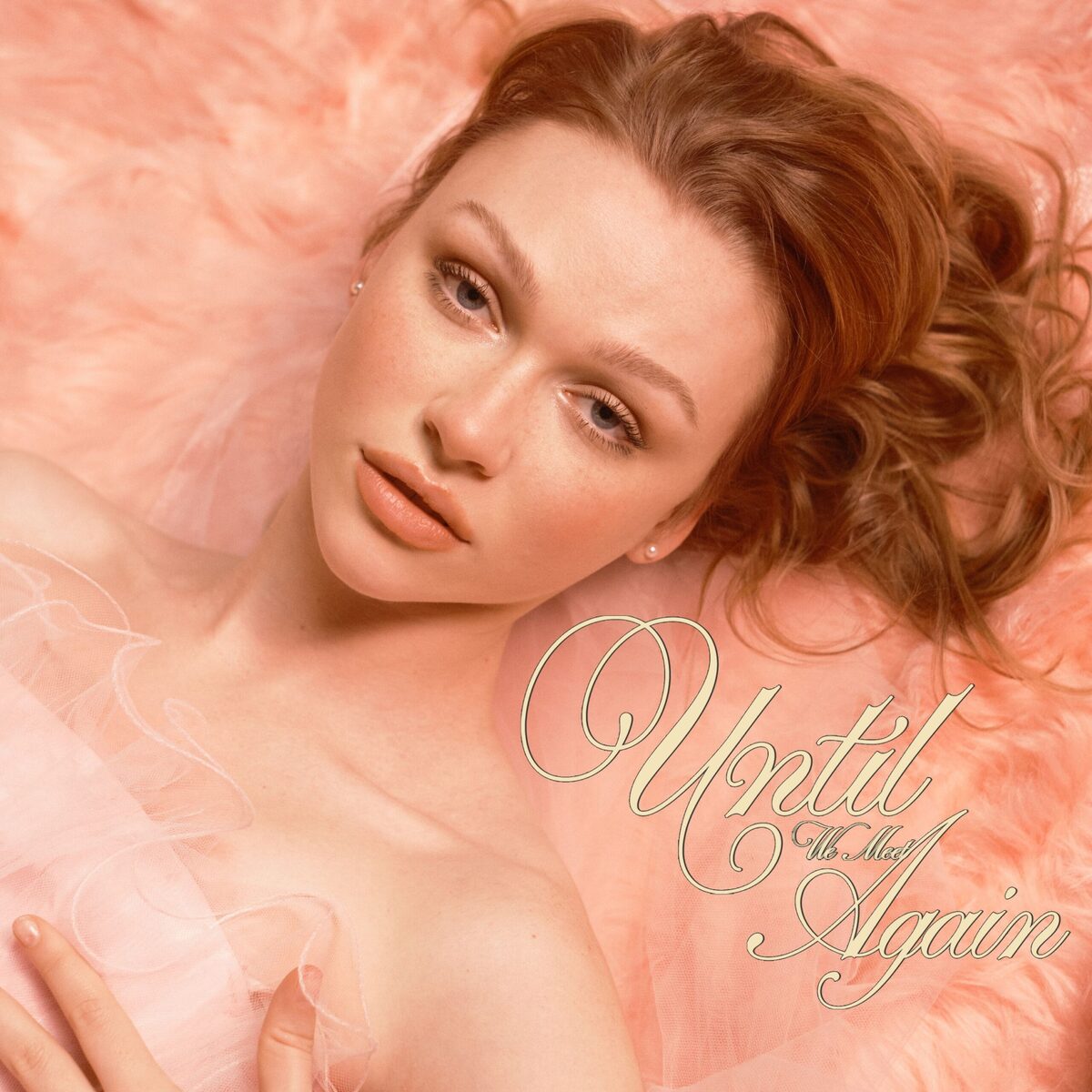
Molly's approach to difficult experiences is not about pretending everything is beautiful. It is about finding a way to keep moving through them without allowing them to become the whole story.
She describes the character in the video game Little Misfortune as particularly relatable: a little girl who carries glitter around and throws it over terrible things that happen to her. It is an image that neatly captures Molly's own creative instinct. The glitter does not undo what happened. It simply makes room for something else.
She hopes listeners leave People Pleaser feeling empowered, whimsical and, above all, inquisitive. She wants people to question the expectations delivered through their social media feeds and the boundaries created to sell them products. Botox, beauty standards, the endless pursuit of belonging: none of it has to be accepted as the price of growing up.
“Life is meant to be enjoyed and experienced, not bought,” she says.
For Molly Elizabeth, growing up does not mean abandoning the girl who played princess in the woods. It means letting that girl keep her imagination while becoming someone who knows when to fight back. The fairytale remains, but this time the heroine gets to decide how the story ends.











 Connect with Facebook