




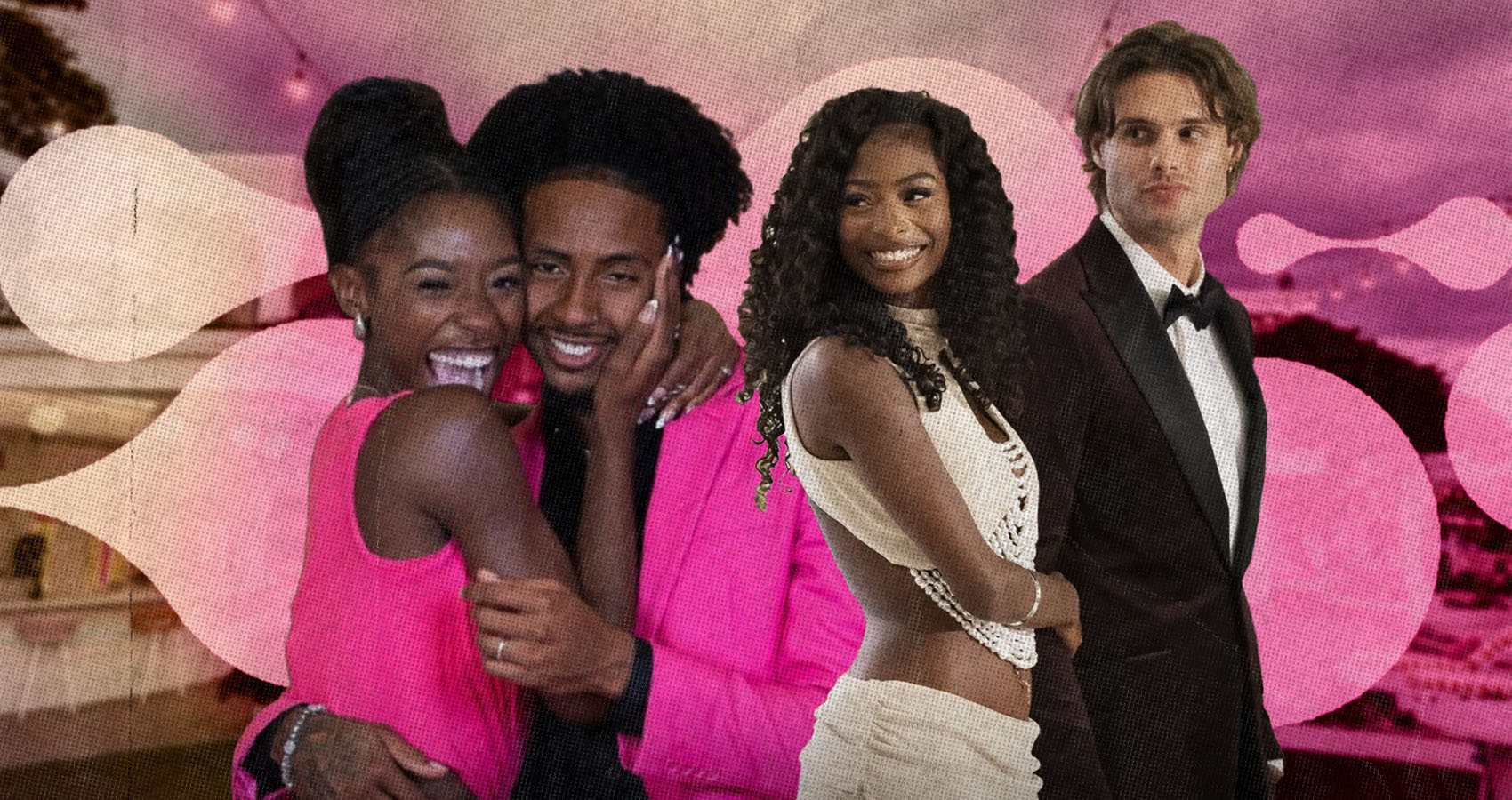
Love Island Is My Favourite Anthropological Case Study
The closest thing Gen Z has to an ethnographic study.
As July finally fades into August, the biggest change to my daily routine hasn't come in the form of a new job, hobby, or academic year, but from the absence of Love Island on my television six nights a week at 9 p.m. With both the UK and US versions now wrapped up for another summer, I've (naturally) found myself reflecting on this season and the many that came before it.
I'd consider myself something of a Love Island veteran. Although I've been slightly less invested in recent years, I first started watching with the UK's second season back in 2016. People now talk about those early seasons like folklore. Before smoking bans, drink limits, and the near-guarantee of influencer careers for contestants, Love Island felt considerably less polished than it does today.

One thing, however, has remained constant across countries, spin-offs, and nearly a decade of television: Love Island offers a surprisingly revealing snapshot of contemporary dating culture for young (and very attractive) adults. On its own, that isn't particularly groundbreaking (most of us can experience the horrors of modern dating simply by downloading Hinge), but place those dynamics inside the miniature surveillance-state torture chamber that is the Love Island villa, and the result becomes oddly fascinating.
Why Love Island?
This isn't exactly an original observation. Every summer, social media fills with people declaring that "Love Island is my favourite anthropological case study." During a cultural studies class in my final year of university, for instance, at least three of the example pieces of work we were handed were various political, sociological, and anthropological analyses of the show.
But what makes Love Island so uniquely compelling? Reality television has always been fertile ground for analysis. In fact, franchises like The Real Housewives or Vanderpump Rules arguably provide even richer material, thanks to their sprawling storylines, endlessly complicated interpersonal dynamics, and genuinely unbelievable villain arcs. I'd certainly be alarmed if a Love Island contestant were arrested by the FBI for defrauding elderly people mid-season, as happened to Jen Shah on The Real Housewives of Salt Lake City.

What Love Island possesses that many (arguably more entertaining) reality shows don't is universality. It follows the Big Brother-style daily episode format, creating an unusually intense relationship between the audience and the contestants. Spending six nights a week with the same people for two months makes psychological investment almost inevitable. Add romance into the equation, and the sex-obsessed zeitgeist seemingly cannot resist.
Its mainstream popularity also means the relationships on screen are perceived as relatively ordinary. While franchises like The Real Housewives depend upon inaccessible wealth and extravagance, Love Island operates on the premise that almost anyone could apply. Although recent casts increasingly arrive with influencer careers already underway, the show still maintains the illusion of accessibility. What we're left with is a representation of very "normal" dynamics and individuals, just on a particularly abnormal stage.
The Misogyny Problem
What becomes apparent almost every season is just how aggressively heteronormative the show's gender dynamics remain. Men and women are routinely treated as entirely separate species, divided by morning debriefs, segregated mealtimes, and rituals that reinforce gendered expectations from the very first episode. Even with recent seasons including more openly queer contestants, such as USA's Chelley Bissainthe or the UK's Martha Rothwell, the show's creators have cited "logistical difficulties" for a lack of sexual diversity on the series.
While the earlier seasons were undeniably products of their time, the past decade hasn't necessarily seen misogyny disappear. Instead, it has evolved. Season 1 winner Jess Hayes endured relentless slut-shaming throughout her time in the villa. Fast forward to this year's series and contestants like Jasmine were repeatedly criticized for being "too opinionated," "too much," labeled "promiscuous," and even called a "sassy b*tch" within the opening episode alone.

The attitudes surrounding the program have shifted alongside wider culture. As casual misogyny and manosphere rhetoric have become increasingly mainstream online, those same ideas have quietly seeped into the villa itself. In some ways, this newer form feels even more insidious. Rather than overtly policing women's sexuality, contestants increasingly rely on softer, seemingly harmless language. Words like "lustful," repeatedly thrown around this season, appear innocuous enough to escape immediate criticism, allowing the underlying attitudes to persist largely unquestioned.
The evolution of the audience has also neatly coincided with the attitudes present both within and surrounding the show. Historically, Love Island attracted a predominantly female fan base, whose support often protected female contestants from the behavior of the men. Recently, however, the rise of male creators discussing the show—particularly following former contestant Tyrique Hyde's hugely popular livestreams—has introduced a much larger male audience. Reaction streams, interviews, and nightly commentary have become their own corner of the internet.
Greater diversity in the audience isn't inherently a bad thing. The problem lies in how that audience engages with the show. Increasingly, male viewers champion male contestants while directing disproportionate hostility toward the women. Contestants who challenge their partners are labeled argumentative; women expressing frustration become "dramatic," while identical behavior from men is reframed as confidence or honesty. The villa hasn't necessarily become more misogynistic than wider society—it simply reflects the same gender politics playing out in public discourse.
For all its manufactured drama, producer intervention, and highly edited storylines, Love Island continues to function as an unexpected cultural barometer. Every viral catchphrase or public vote reveals something about the values audiences reward, the behaviors they condemn, and the assumptions they carry into modern relationships. Watching Love Island isn't just watching attractive strangers flirt around a fire pit; it's watching contemporary society negotiate ideas surrounding gender and power in real time.
Perhaps the discourse surrounding Love Island that floods social media each summer leaves us so emotionally charged for precisely that reason: beneath it all, viewers are commenting as much on their own realities as the ones they are witnessing on their screens.










 Connect with Facebook