




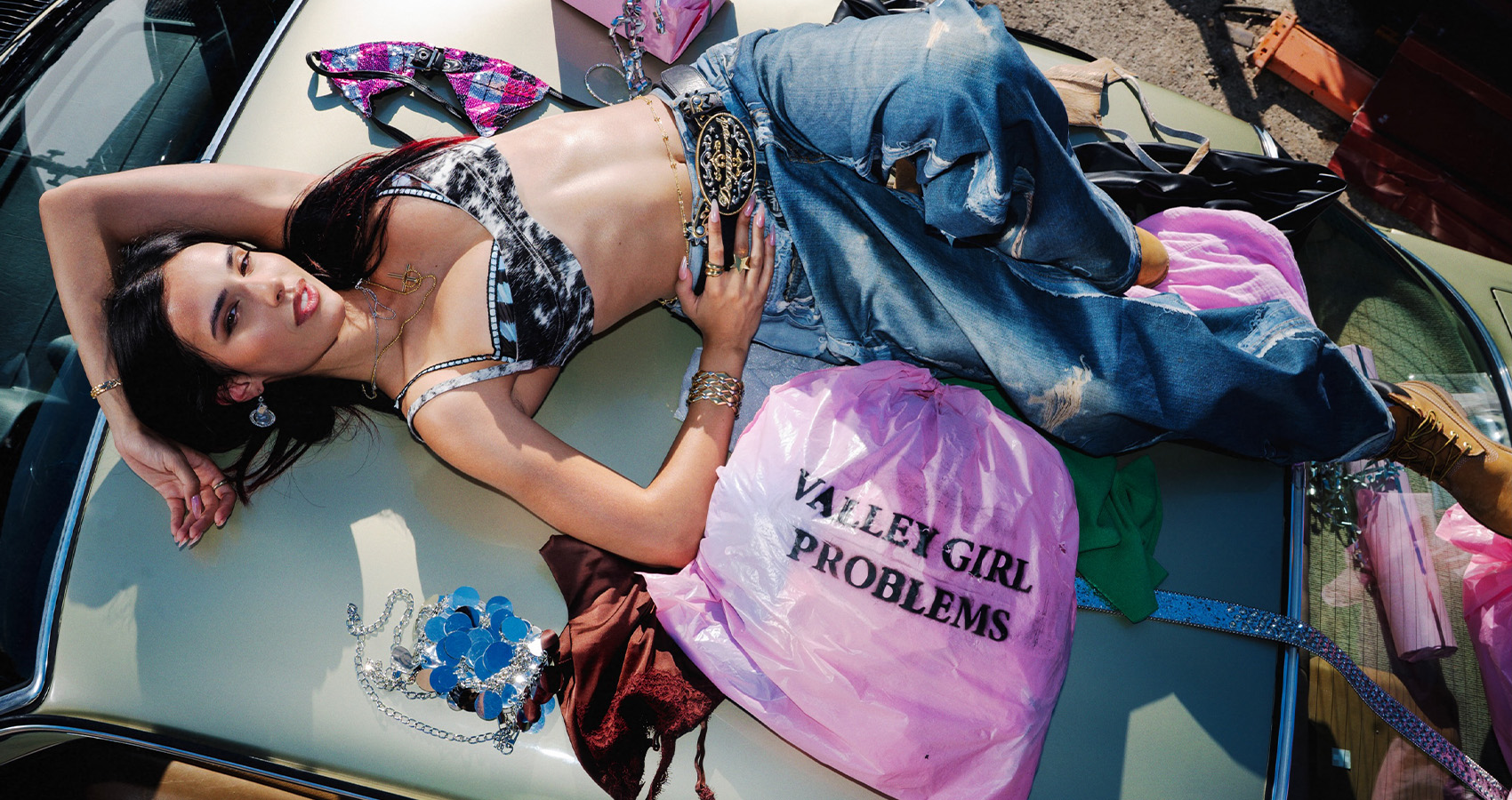
Kylie Cantrall Is Morphing Her “Valley Girl Problems” Into Pop
Embracing both sides at once.
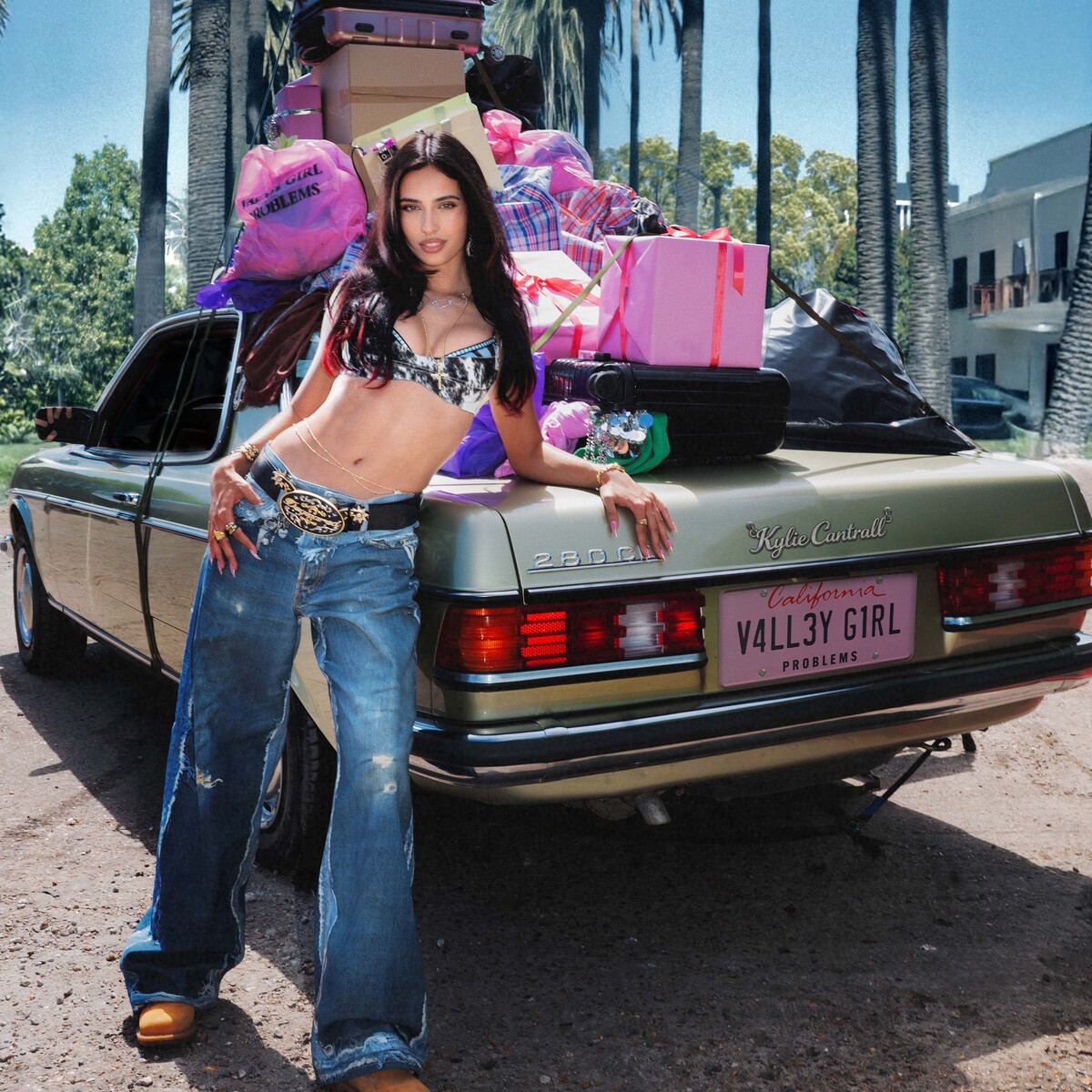
There is a particular kind of contradiction at the heart of Kylie’s new era. On the surface, there is the glossy Los Angeles fantasy: matcha runs, traffic, cute clothes, coffee shops, hikes, studio days and the mythology of the “Valley Girl.” Underneath it is something much less polished: heartbreak, insecurity, growing pains and the strange process of becoming an adult while everyone is watching. With Valley Girl Problems, Kylie is embracing both sides at once.
The project follows her debut album Boy, which she now views as an introduction to her artistic identity. Where Boy established her sound, Valley Girl Problems gives listeners a closer look at the person behind it. Musically, she continues to draw from the music she grew up around, particularly the sounds of the 2000s that her father played at home, including artists such as TLC and Janet Jackson. Rather than treating those influences as a retro gimmick, she sees them as a natural part of her musical vocabulary.
That connection to the past also gives her an opportunity to introduce younger listeners to artists and sounds they may not have encountered themselves. The goal is not to recreate the 2000s exactly, but to let those influences naturally filter through the music she is making now.
The Artist and the Girl

Kylie sees Boy and Valley Girl Problems as two connected chapters. The first centered on discovering who she was as an artist and establishing her musical identity. The new project is more concerned with the personal experiences that have shaped her since then.
She describes the earlier album as the beginning of her story, while the new project reflects the experiences that have made her tougher, more confident and more aware of herself.
That evolution became an important part of deciding which songs belonged on the album. Some songs she liked were ultimately left behind because they no longer represented where she was emotionally. The final tracklist needed to feel vulnerable and immediate, reflecting the person she actually was while making it.
For Kylie, each body of work should represent a specific period in her life. Valley Girl Problems is therefore less about presenting a perfectly finished version of herself and more about documenting who she is right now.
Pop With a Memory
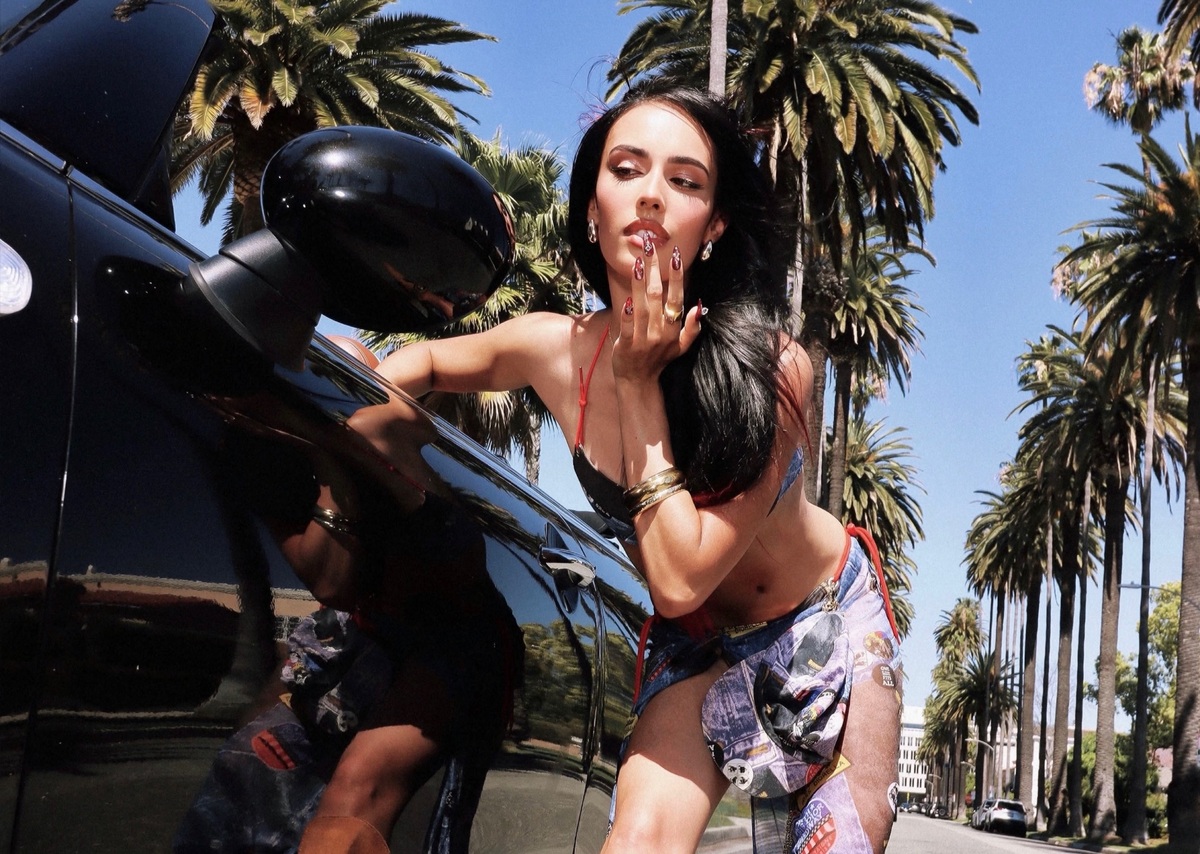
The influence of 2000s pop and R&B is impossible to separate from Kylie’s upbringing. Her father introduced her to much of the music that eventually shaped her taste, and those sounds became part of her instincts long before she began thinking about them as artistic references.
That upbringing continues to show up in the studio. Rather than deliberately attempting to make a “2000s-inspired” record, Kylie naturally gravitates toward melodies, textures and rhythms that reflect what she heard growing up.
There is also a generational element to that influence. Kylie recognizes that many younger listeners did not grow up with the same artists she did, giving her an opportunity to introduce them to music from another era.
In that sense, the nostalgia is less about looking backward than creating a connection between generations.
The Valley Girl, Rewritten
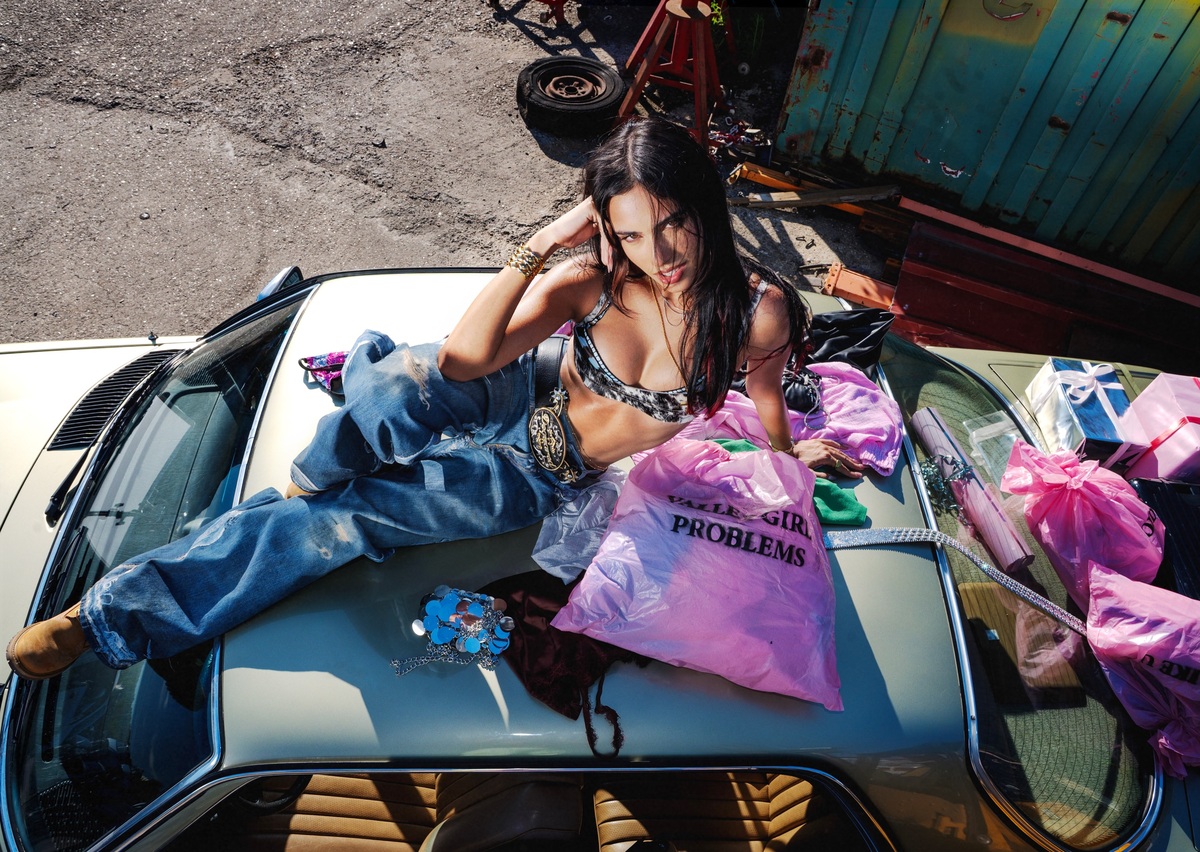
The title Valley Girl Problems initially sounds deliberately frivolous, and that is part of its appeal.
The traditional Valley Girl stereotype suggests someone superficial, glamorous and preoccupied with insignificant problems. Kylie is interested in what happens when that stereotype is placed next to the much more complicated reality of being a young woman.
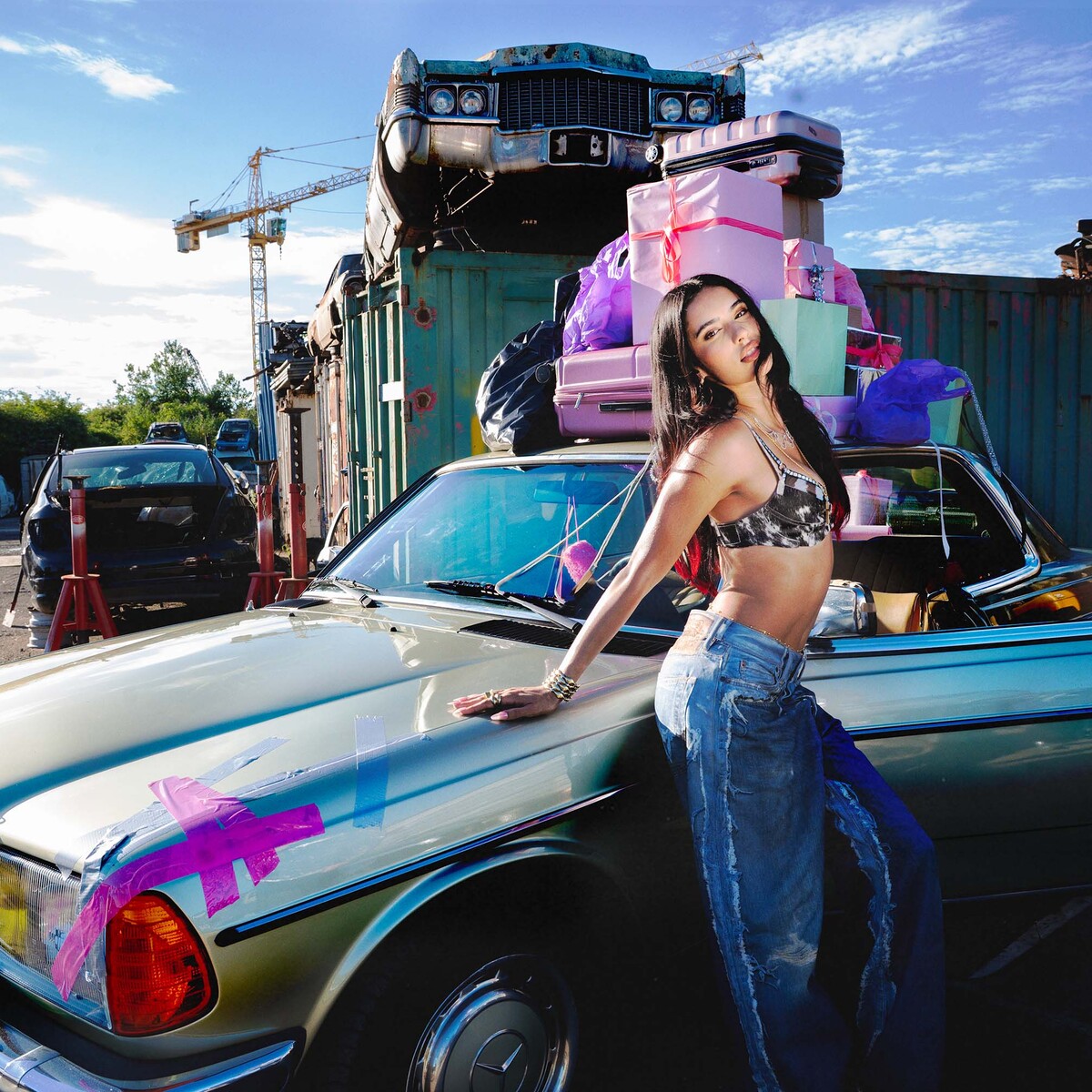
That idea first began taking shape through her social-media series Life of a Valley Girl, where she shared pieces of her everyday life in Los Angeles. Driving around, spending time with friends, working in the studio, going on hikes, visiting coffee shops and navigating the familiar routines of life in the Valley became part of the project's visual identity.
The more she documented that world, the more she recognized how deeply the environment had shaped her.
There is a particular social language to growing up in Los Angeles, from the way people speak to the habits and routines they share. Kylie sees those details as part of what makes the Valley feel like its own universe.
But the glossy exterior is only half the story.
The project deliberately places glamorous imagery alongside the emotional reality underneath it. The result is a character who can look perfectly put together while simultaneously dealing with heartbreak, uncertainty and personal change.
That contradiction is the heart of Valley Girl Problems.
Carrie, Samantha and the Mess Behind the Image
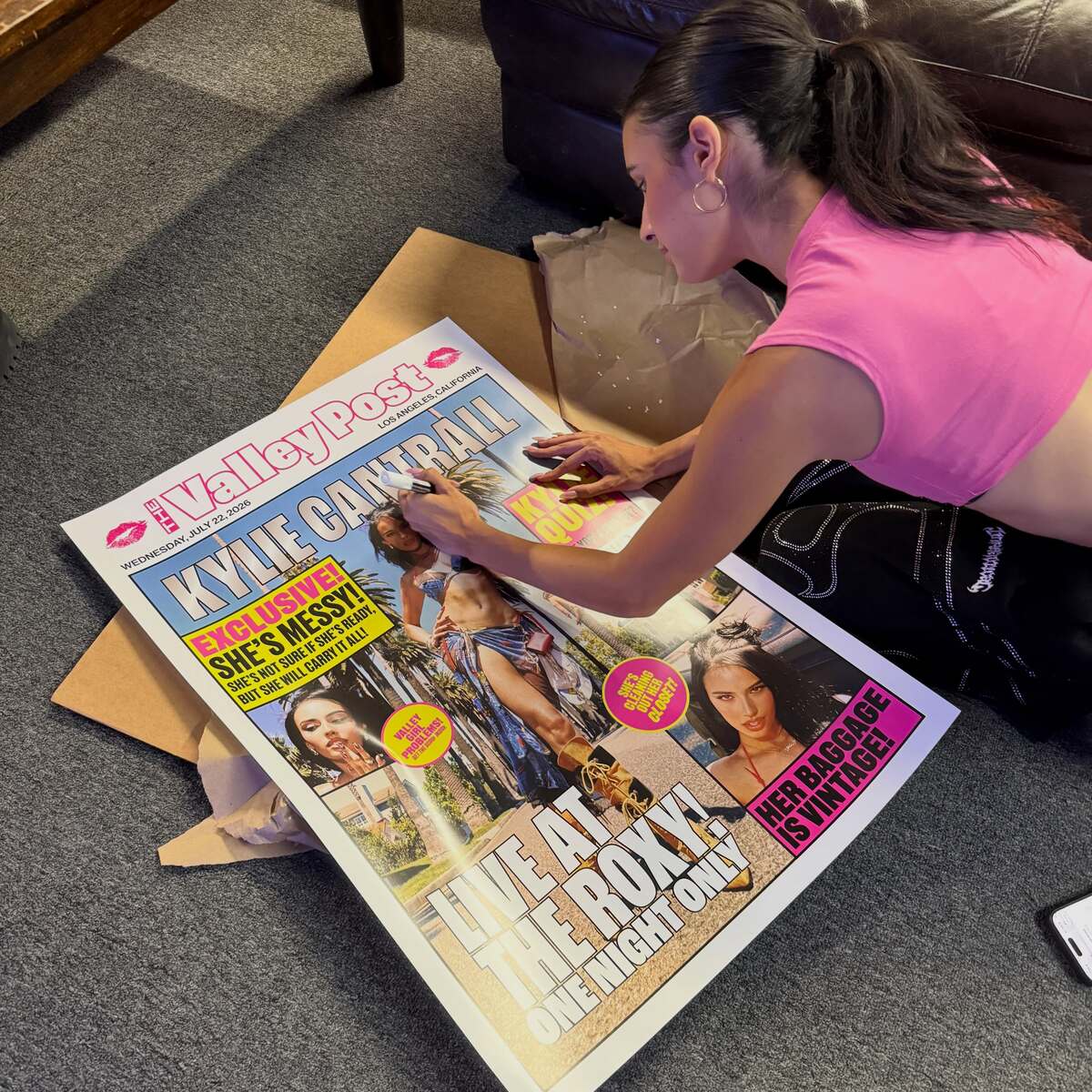
The project's emotional framework also draws from characters Kylie connects with, particularly Carrie Bradshaw from Sex and the City.
What appeals to her about Carrie is the gap between presentation and reality. Carrie is capable of projecting an image of confidence and control, yet the series repeatedly reveals how messy her relationships, emotions and decisions can become.
That contrast mirrors what Kylie wants the album to communicate. The visual world can be glamorous and carefully constructed without suggesting that the person inside it has everything figured out.
She is also drawn to Samantha Jones for a different reason: her confidence and unapologetic sense of self. Kylie sees Samantha as an example of the kind of self-assurance she hopes to grow into as she becomes more comfortable with herself.
Together, the characters represent two sides of the emotional world behind the project: the carefully curated exterior and the complicated person underneath it.
Writing Like a Conversation

Much of the album's intimacy comes from her collaborative writing process.
Instead of always entering the studio with a specific song concept, she often begins by talking with her collaborators about whatever is happening in her life. Relationships, breakups, friendships, situationships and everyday experiences can become the starting point for songs.
Her longtime collaborators have also witnessed many different stages of her life, which gives them a deeper understanding of the experiences she is trying to capture.
The process can be remarkably informal. Conversations, stories and emotional venting gradually turn into ideas, which can then be combined with material from her journals and personal writing.
That conversational quality carries into the songs themselves.
Kylie's acting background also influences the way she thinks about sequencing an album. She wanted Valley Girl Problems to feel less like a collection of unrelated songs and more like a narrative, with transitions and interludes helping the listener move through different emotional stages.
The result is designed to feel cinematic: an introduction, a buildup, emotional turning points and eventually a final act.
When the Song Stops Belonging to You
One of the clearest examples of the album's emotional reach is “Space Between,” a particularly personal song that changed meaning for Kylie after she began performing it live.
Following her sold-out show at the Roxy, she noticed the audience singing along and becoming emotional during the song. Seeing listeners connect so intensely with something she had originally understood as her own personal experience gave her a different perspective.
The song no longer felt exclusively hers.
Its story could belong to anyone who has experienced devastating heartbreak, whether the person involved was a romantic partner, a friend or simply someone whose absence changed their life.
That realization reflects something Kylie hopes to maintain as her audience grows. She wants her concerts to feel communal rather than overly formal, with space for fans, spontaneous moments and interactions that make the room feel more like a celebration than a one-way performance.
For her, the relationship between artist and audience is part of the music itself.
Growing Up in Public
Looking back at earlier work can be strange when you are changing as quickly as Kylie is.
Some of the emotions captured in her previous music already feel distant to her. But rather than being embarrassed by that distance, she sees it as proof that the music accurately documented who she was at the time.
That is particularly important to Valley Girl Problems. Instead of waiting until every experience had been processed and understood, she allowed herself to write while the emotions were still happening.
The album therefore functions almost like a diary with timestamps.
Each song captures a particular version of Kylie, even as the person who made it continues to evolve. She does not expect every song to represent who she will be forever. Instead, she values the fact that each release preserves a truthful snapshot of a specific moment in her life.
For an artist growing up in public, that kind of honesty can be more meaningful than appearing completely self-assured.
The Next Chapter
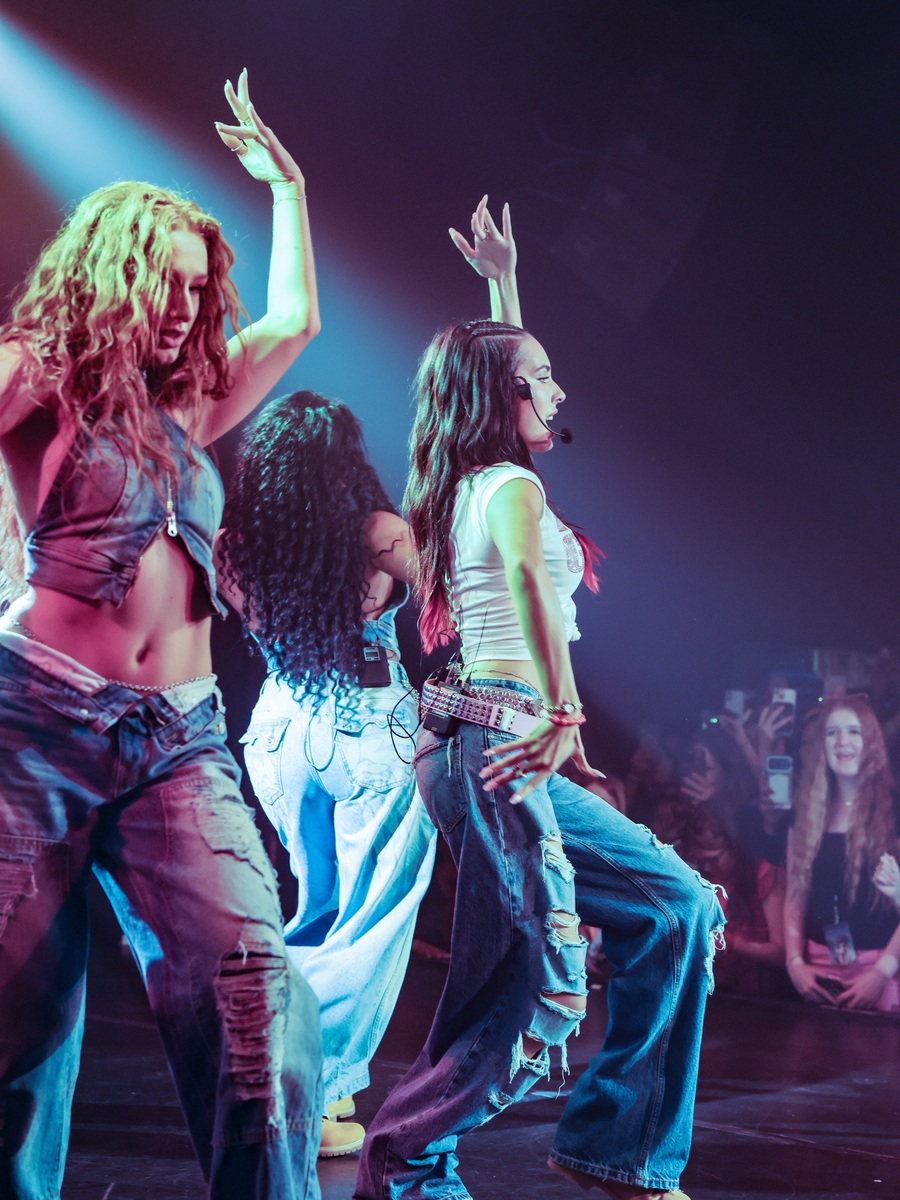
That philosophy will extend to the stage as Kylie brings Valley Girl Problems into a live setting.
The tour is expected to carry the project's visual language with it: sparkly, feminine, energetic and unapologetically playful, while still making room for the emotional vulnerability at the center of the music.
Her pre-show routine reflects that balance between performance and grounding. Matcha, stretching, vocal warmups, tea and journaling can all become part of the preparation, but having familiar people around her is equally important.
Kylie knows that too much time alone before a performance can send her into her own head. Staying connected to her father and team helps keep her grounded before she steps onstage.
Eventually, though, preparation has to end.
The lights come up, the music starts and she has to trust herself enough to let the performance happen.
That may be the simplest way to understand where she is now. She is still figuring things out, still changing and still moving between the polished fantasy of Los Angeles and the complicated reality underneath it.
The Valley Girl is not disappearing. She is simply becoming more honest about what happens when the cute outfit comes off and the camera stops rolling.
Maybe that is the real problem with being a Valley Girl: the problems were never superficial. We just finally have a soundtrack for them.









 Connect with Facebook