




Kate Lai Finds Home In the Spaces Memory Can’t Explain
Memory has a habit of refusing to stay still.
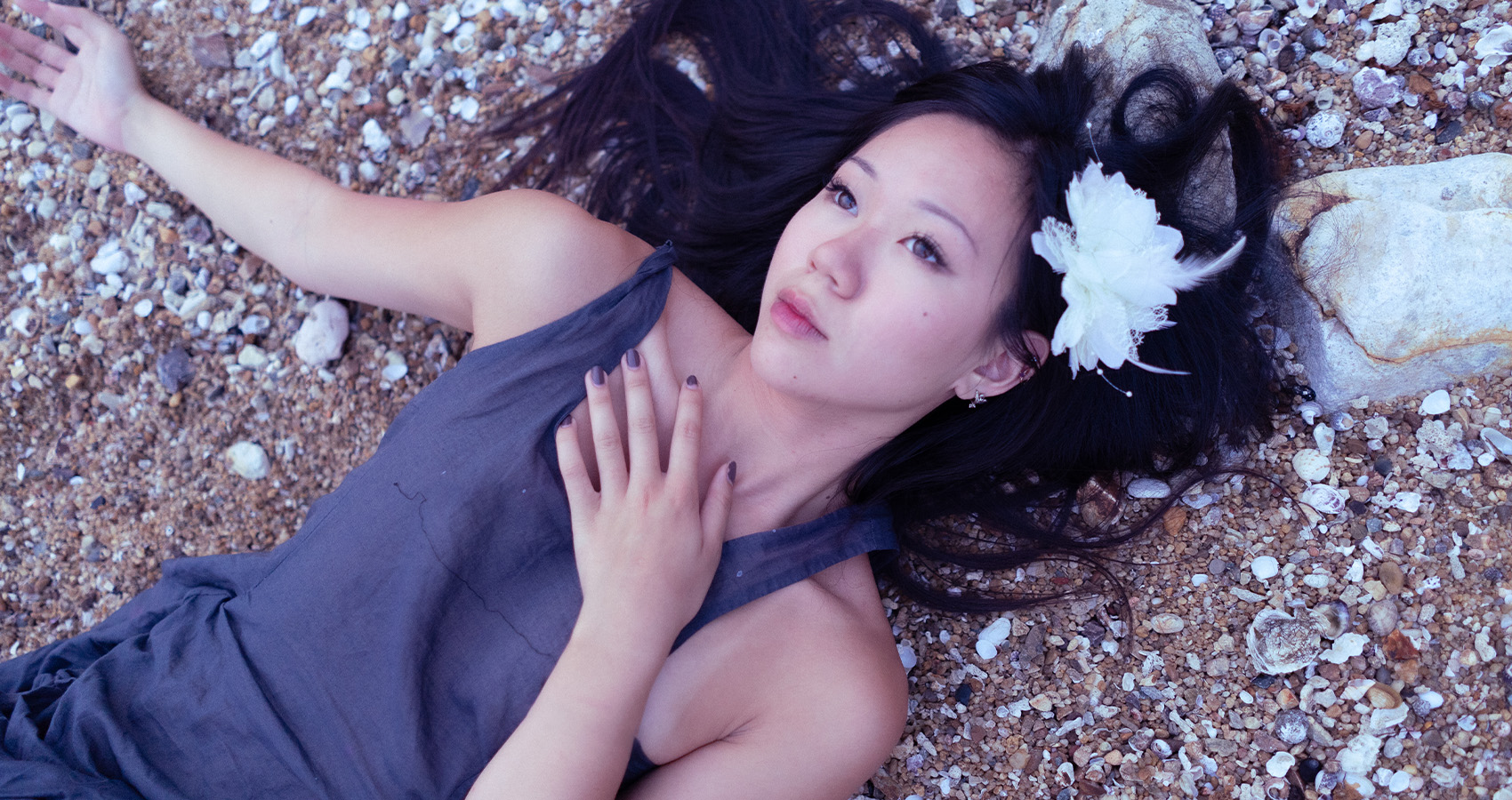
Memory has a habit of refusing to stay still. It stretches, edits, softens, and sharpens until the places we once knew begin to exist somewhere between reality and imagination. For photographer Kate Lai, from London College of Fashion, University of the Arts London, home isn't a fixed location but an emotional landscape where dreams, identity, and memory constantly overlap. Her series Dreams, Roots and the Devotion to Place transforms familiar streets, quiet corners, and fleeting gestures into meditations on belonging, vulnerability, and the invisible traces places leave behind.
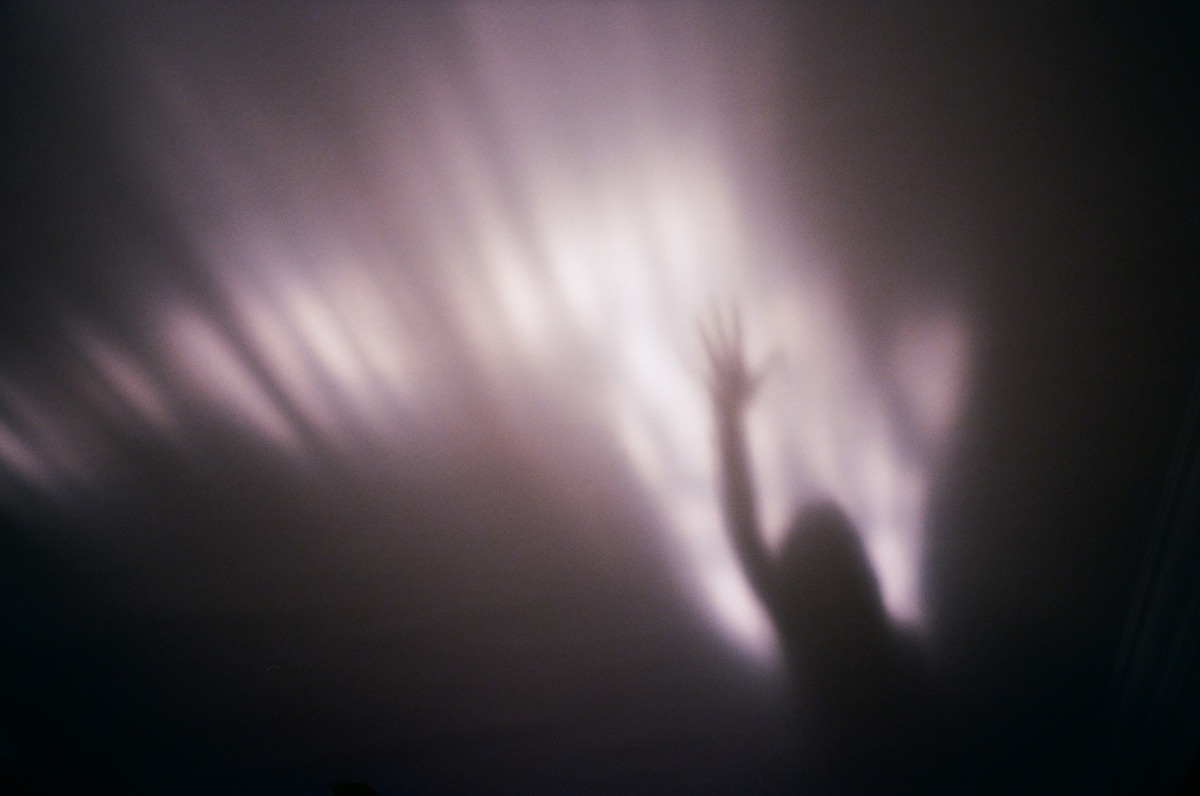
Rather than documenting home as it is, Lai photographs the way it feels to return. The result is a body of work suspended between the physical and the spiritual, where landscapes become self-portraits and ambiguity carries more emotional weight than certainty.
Home Is Never the Same Place Twice
Returning home became less about revisiting familiar locations and more about confronting earlier versions of herself. Every visit blurred the boundaries between memory and reality until home stopped feeling like a destination and became something carried internally.
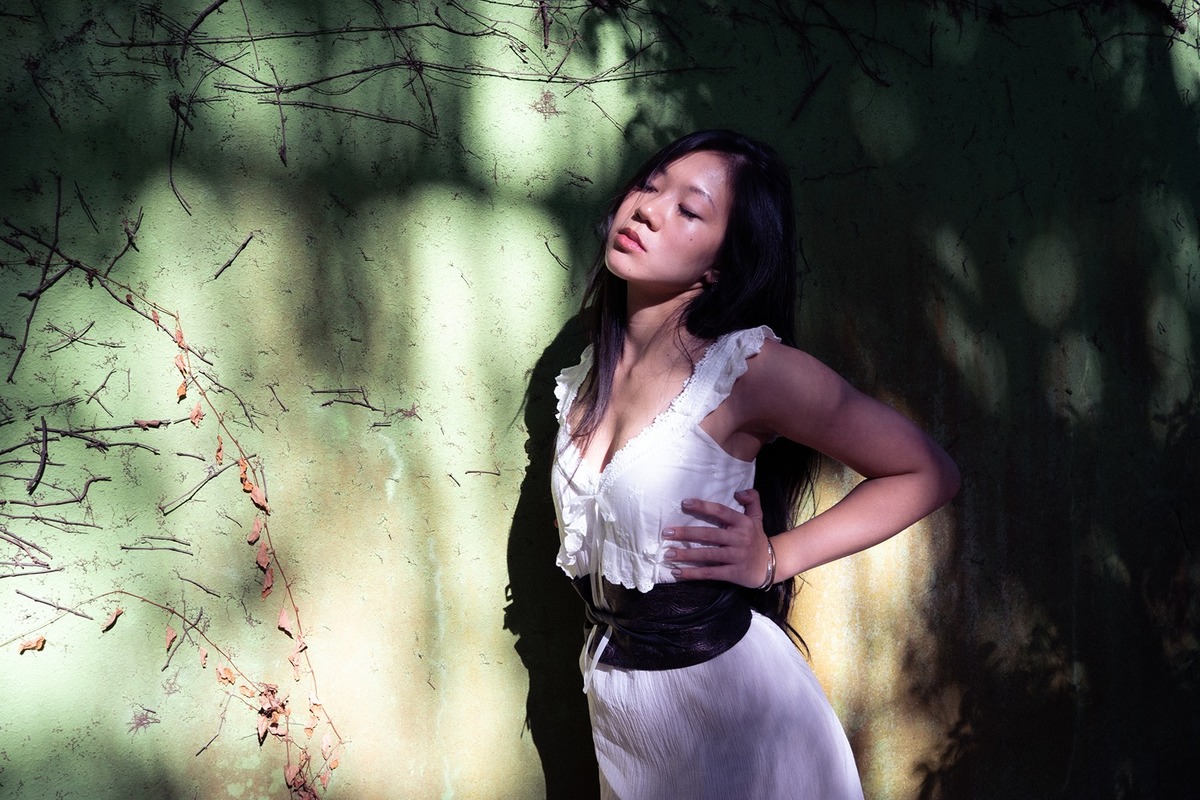
One image in particular, photographed against a green wall, revealed a vulnerability Lai had spent years trying to hide. Looking back, she realized it wasn't a weakness that needed concealing, but a part of herself that had simply never been given room to exist. Photography became the space where that quieter version of herself could finally speak.
Rather than beginning with a predetermined emotion, Lai lets each location guide the work. Places uncover feelings she doesn't fully understand until she's standing inside them again, allowing the photographs to become emotional discoveries instead of planned narratives.
Letting Contradictions Exist
Instead of chasing objective truth, Lai is interested in emotional truth. She has little interest in documenting places exactly as they appear, believing photography becomes far more powerful when it reveals how memories are experienced rather than how they look.
That philosophy extends throughout the project. Vulnerability and strength aren't presented as opposing forces but as conditions that depend on one another. Accepting those contradictions became the foundation of the series, allowing identity to remain fluid rather than forcing it into neat definitions.
Ambiguity is equally essential. Lai rarely wants to explain exactly what a photograph means because, for her, the strongest images operate like emotions rather than statements. Once an image leaves her hands, its meaning belongs to whoever encounters it next.
The Body Remembers What the Mind Forgets
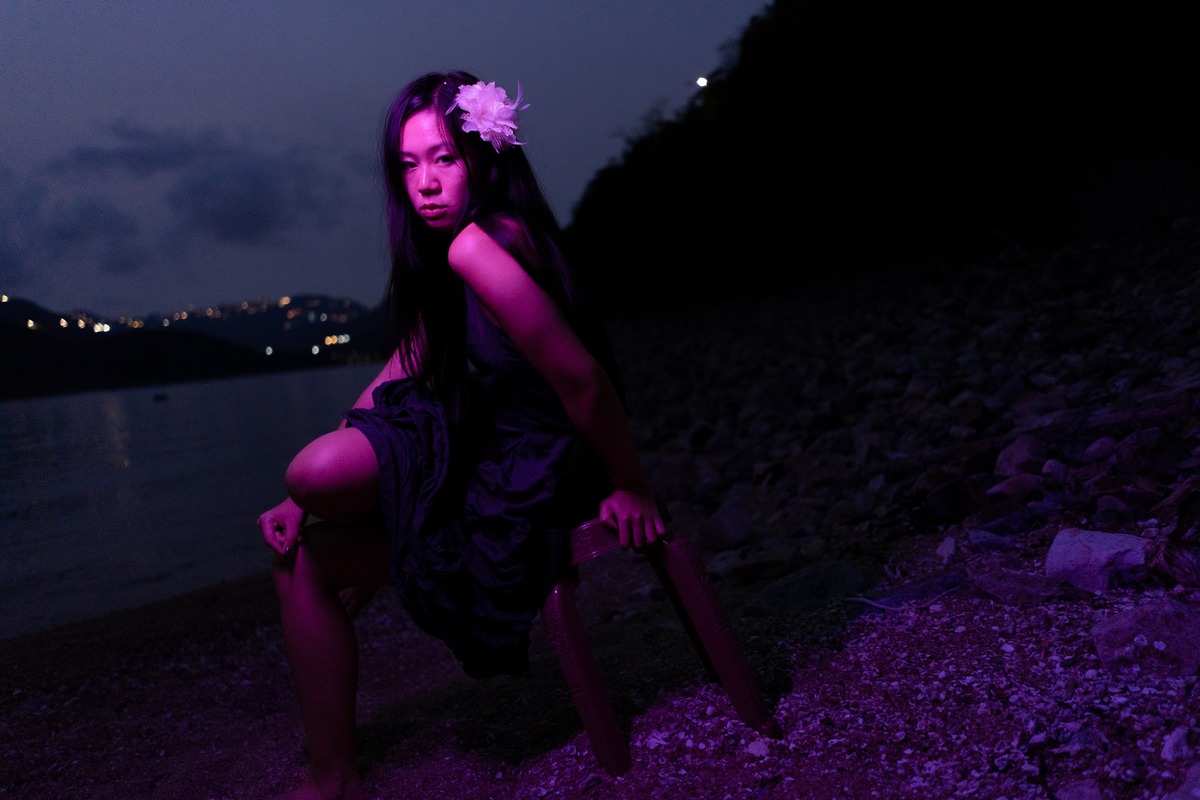
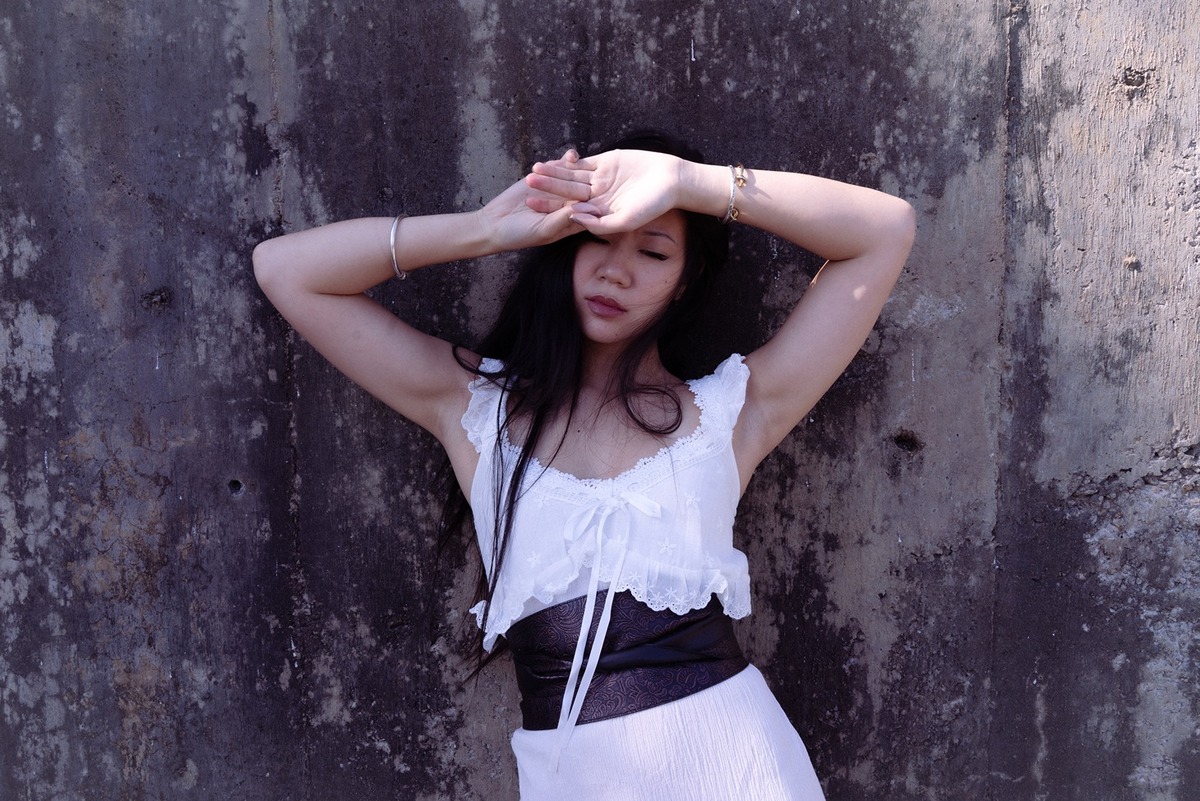
Throughout the series, the body becomes another landscape carrying invisible histories. Lai uses carefully choreographed hand gestures and body positions to suggest emotions that language struggles to capture.
Recurring references to wings appear throughout the work, symbolizing transformation, release, and the possibility of moving beyond inherited memories. The tension required to hold these poses mirrors the emotional weight our bodies quietly absorb over time, while the photographs themselves suggest that memory is something we physically inhabit as much as mentally recall.

Even light becomes a portrait. Rather than photographing only faces, Lai creates what she calls "portraits of light," capturing the shifting glow within familiar places as a reflection of hope, loss, and emotional presence. In her hands, landscapes often reveal more about identity than people do.
Belonging Beyond Geography
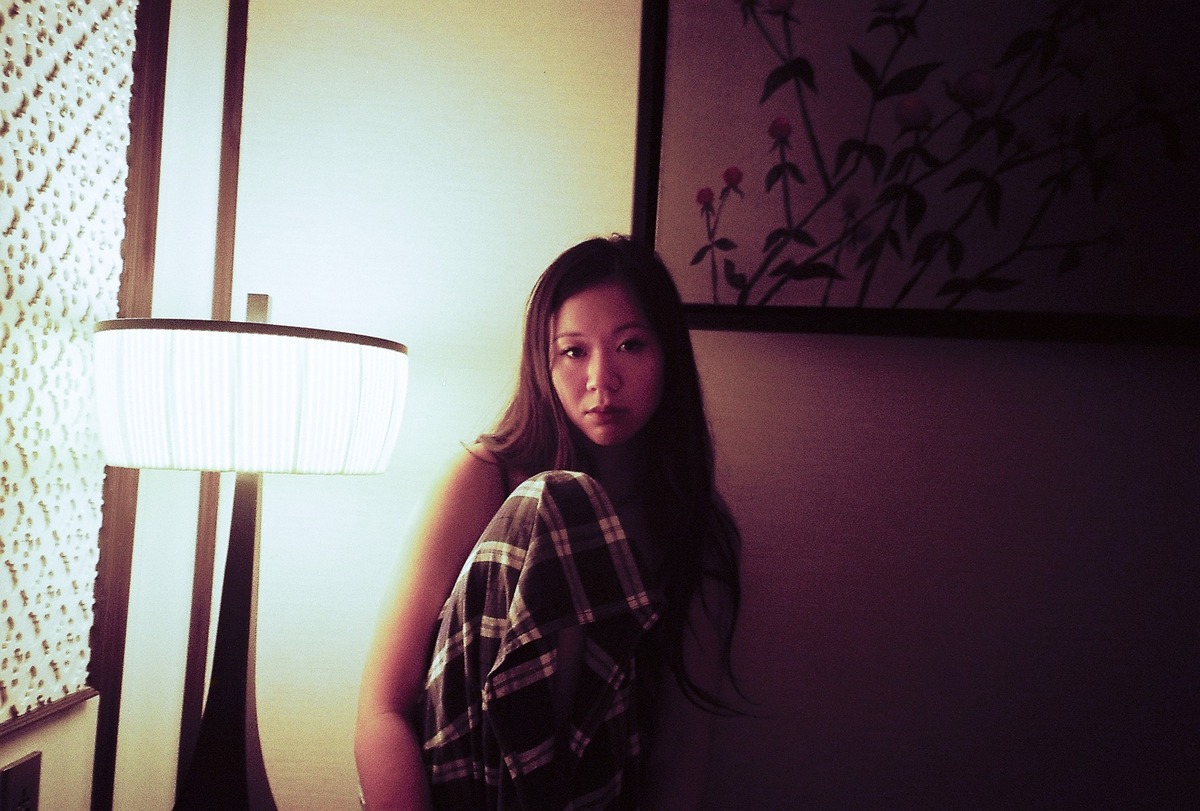
Growing up between London and Hong Kong has reshaped Lai's understanding of belonging. Home is no longer defined by geography but by the fragments of different places carried within her.
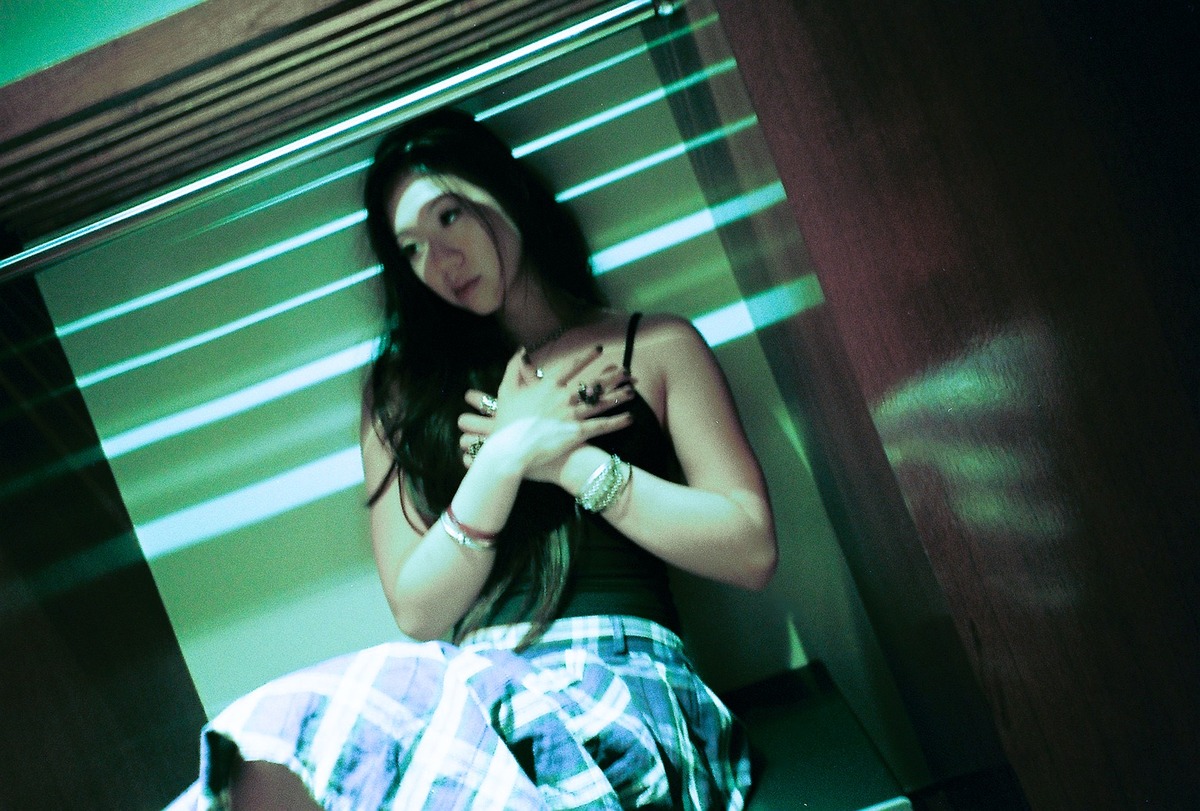
Photography has become the one place where those fragments naturally coexist. Rather than searching for definitive answers about identity or home, Dreams, Roots and the Devotion to Place embraces uncertainty itself. The project deliberately leaves its biggest questions unresolved, suggesting that perhaps belonging isn't something we eventually find, but something we continue to create every time memory and place meet again.










 Connect with Facebook