




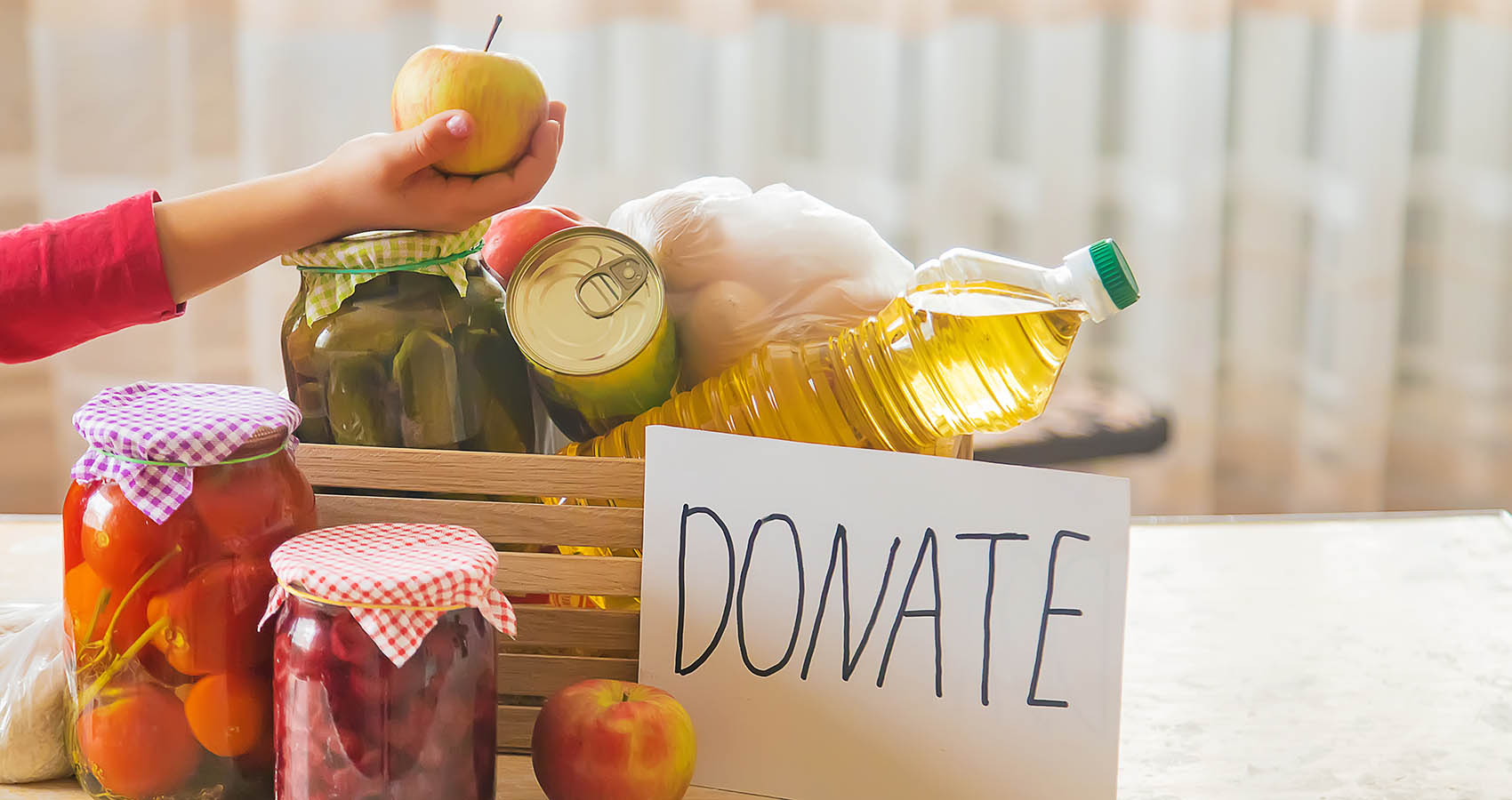
How To Donate Food For The First Time
Your easy guide to donating food and supporting others.
Donating food for the first time can feel overwhelming, but it doesn't have to be. Many people want to help those in need but may not know where to start. Whether you're cleaning out your pantry or want to support your community, giving food is a great way to help. By donating food, you can provide meals to people and families who might struggle to have enough to eat.
The good news is that donating food is simple, and there are many ways to do it. You might have leftovers from a gathering, canned goods sitting in your pantry, or fresh produce you won't use. Knowing how to donate food properly makes the process easier and more rewarding.
Let's learn how to donate food for the first time.
Food Banks
Food banks are one of the most common places to donate food. These organizations collect and distribute food to people in need, playing a crucial role in the community. Most cities have food banks that depend on donations from people like you. You can find a local food bank by searching online or asking at community centers.
With a food bank donation, it's important to know what kinds of food they accept. Generally, they accept non-perishable items such as canned vegetables, pasta, rice, and cereals. Some food banks also accept fresh produce, depending on their capacity. Before donating, visit the food bank's website or call them to confirm what they currently need. This ensures your donation is both helpful and appreciated.
While it's great to focus on quantity, quality is important too. Make sure any items you donate are still good to eat and within their expiration dates. If you're donating canned goods, check that the cans are undamaged and rust-free. Your effort to give back should have a positive impact, starting with safe and nutritious food.
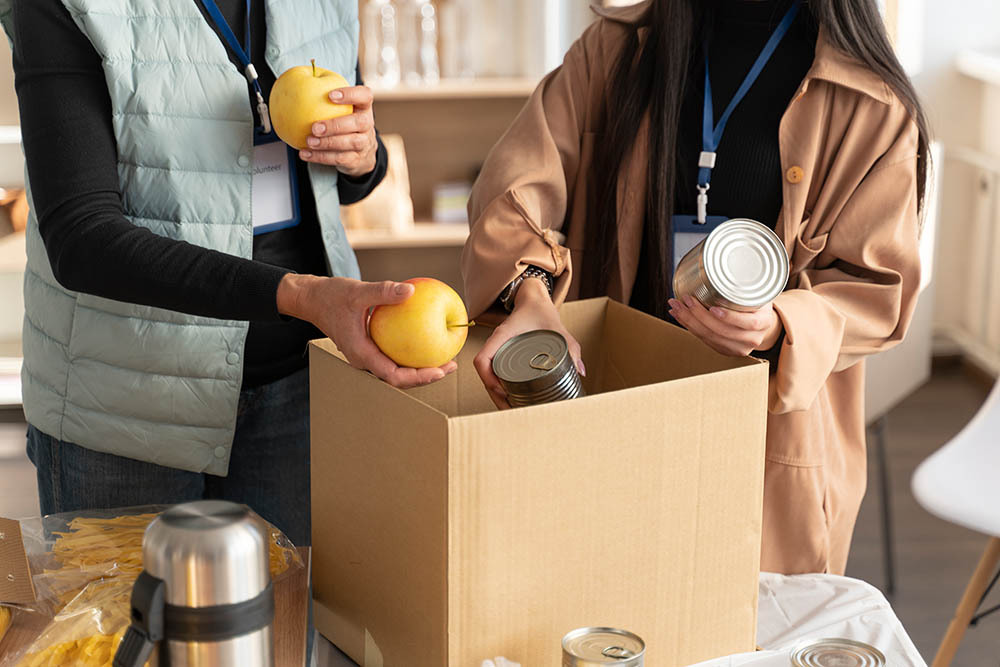
Food Donation
Flexibility is key for a food donation. You don't have to donate only to food banks. Many shelters, charities, and churches also accept food donations. Look for local charities or shelters that provide meals. They might have specific needs, like large quantities of food for cooking events or snacks for children.
To make sure your donation meets the needs of those you're helping, contact these organizations directly. They can tell you what they need most right now. Some charities may even have a list of items they often need, which can guide your donation choices.
Another option is to host a food drive. You can do this at work, school, or in your neighbourhood. Encouraging everyone to contribute is a great way to gather food items. Afterward, donate the collected items to a local shelter or food bank. It's an easy way to bring the community together for a good cause.
Understanding Food Safety When Donating
When you donate food, safety is very important. Giving away spoiled or expired food can hurt those who need help. Always check expiration dates and inspect the packaging before you donate. Make sure there are no signs of spoilage or damage, especially with perishable items.
If you are unsure whether something is safe to donate, it's better not to donate it. Also, some food banks and charities have specific rules about food safety. Knowing these rules can help you ensure your donations are safe for recipients.
Educating Others on Food Donation
One of the best things you can do is talk about food donation in your community. Share with friends, family, and colleagues why sharing food is important and how easy it is to help. Consider organizing workshops to teach others about food donation, how to choose what to donate, and what local resources are available.
Engaging your community can lead to more food donations and raise awareness about food insecurity. Sharing stories about those you've helped or the impact of donations can encourage others to support those in need.
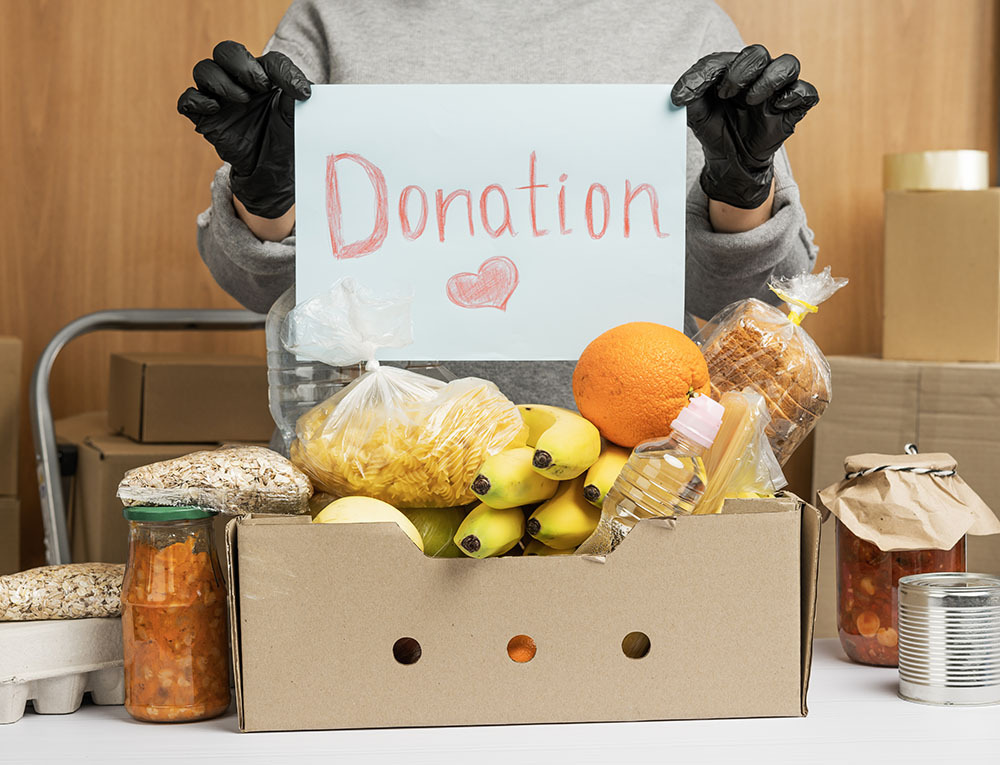
Making It Part of Your Routine
If you find donating food rewarding, consider making it a regular habit. You don't need to commit. Just set aside an extra can or two when you shop for groceries. Try making a donation box in your home to collect items you want to donate. When it's full, take it to the food bank or a local shelter.
As you get more involved, you might find other ways to help, such as volunteering at community kitchens where meals are prepared. This can help you make a bigger difference and connect with others who want to help too.
When you donate food, you're not just giving away items; you're offering hope and support. Your actions can inspire others, too. Every donation, no matter how small. Even one can of soup can help someone in need. The key is to take that first step. If you're thinking about it, gather a few items and find a place to donate them.











 Connect with Facebook