





How To Start A Guitar Collection With Long-Term Value In Mind
Build a guitar collection worth playing and keeping.
A guitar collection with lasting value begins with restraint, evidence, and a clear reason for every purchase. Strong instruments usually share several traits, including stable condition, original parts, verifiable history, and steady buyer interest. Taste still matters, because owners should enjoy what they keep. Yet disciplined collecting asks more than, “Does this look exciting?” It asks whether the instrument can earn trust over years.
Start With Intent
A collector should begin with a defined lane, such as prewar acoustics, custom shop electrics, offset models, or small-batch archtops. Narrow focus makes research sharper and mistakes easier to spot. A well-built guitar collection guide can support that early work by comparing makers, production periods, condition factors, and value patterns before major money is committed. Clear intent helps each purchase fit a larger plan.

Set a Budget
A practical budget includes more than the tag price. Shipping, tax, insurance, setup work, humidity control, and future repairs all affect total cost. Serious buyers often set aside cash for rare opportunities, because the right instrument may appear suddenly. Spending limits also reduce rushed decisions, especially during auctions or private negotiations.
Choose Proven Brands
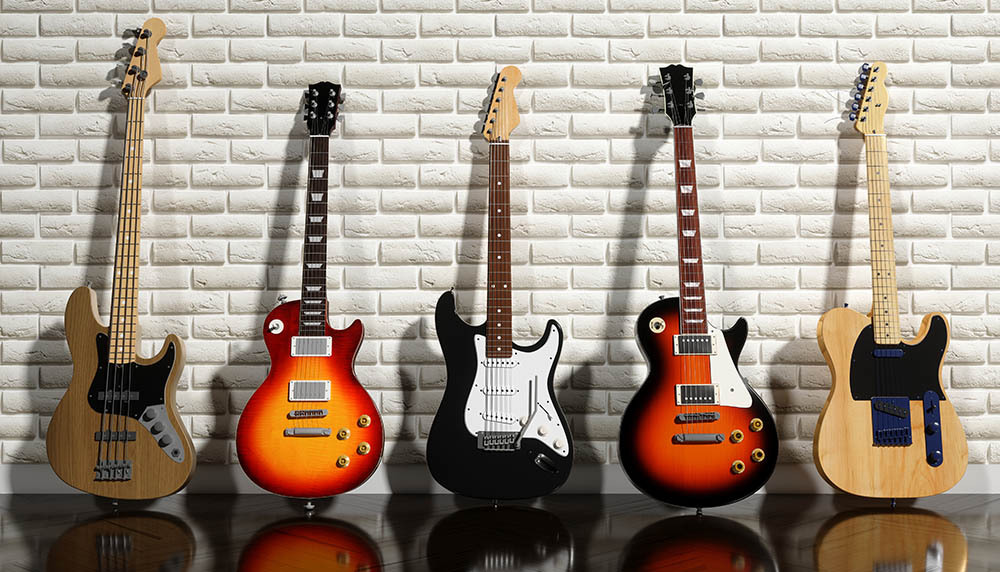
Recognized makers tend to offer clearer resale data. Fender, Gibson, Martin, Gretsch, Rickenbacker, PRS, and Collings attract repeat buyers across many price ranges. Smaller builders can hold value too, especially when output is limited, and demand remains visible. The key is proof. Completed sales reveal more than optimistic listings.
Study Model Demand
Model-level demand deserves close attention. Some guitars sell quickly in average condition, while others need a perfect buyer. Review recent sold prices, sale frequency, and time on market. A stable pattern is more useful than one impressive result. Collectors should also note which finishes, neck profiles, years, or pickup layouts command stronger interest.
Condition Comes First
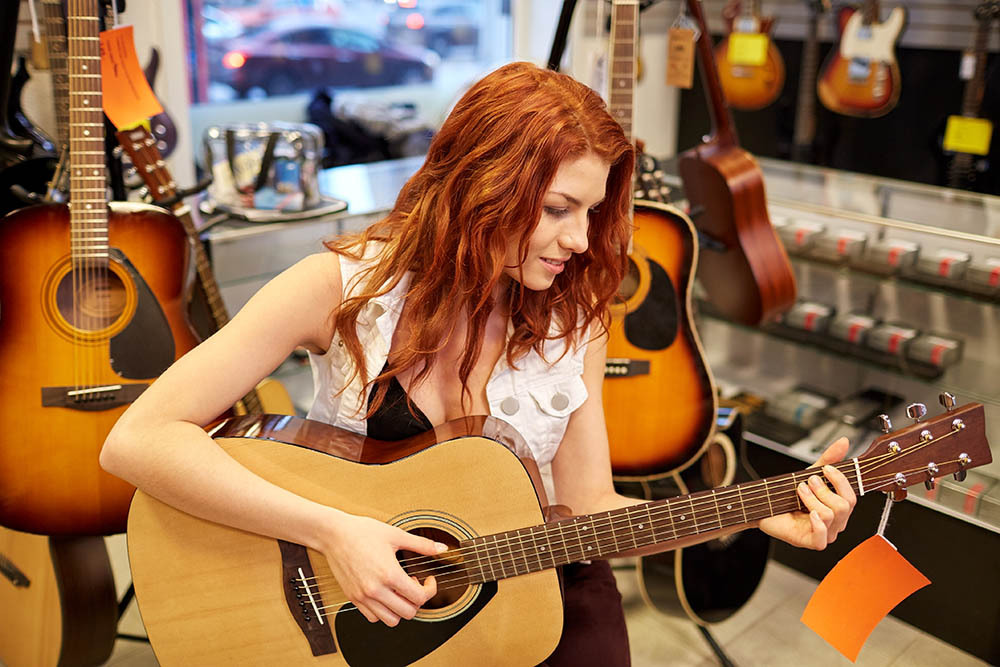
Condition often decides whether value is protected or reduced. Original finish, healthy frets, stable neck angle, clean electronics, and intact binding all matter. Honest playwear can be acceptable, especially on older instruments. Structural repairs, refinishes, routed cavities, and replaced pickups require careful pricing. A discount rarely erases permanent value loss.
Verify Originality
Originality should be checked before payment, not after delivery. Tuners, bridges, pickups, potentiometers, decals, screws, and cases should match the claimed period. Serial numbers help, but they are only one clue. Expert inspection can confirm details that photographs miss. Clear verification protects both ownership confidence and future resale credibility.
Keep Records
Documentation turns a nice instrument into a traceable asset. Each file should include receipts, seller messages, appraisals, service notes, and detailed photographs. Images should capture serial numbers, finish checking, pickup cavities, hardware, case contents, and any repaired area. Organized records also simplify insurance claims and reduce buyer hesitation later.

Buy Scarcity Carefully
Scarcity can support value, but rarity alone is not enough. Demand must extend beyond a narrow circle. Unusual colors, early batches, discontinued specifications, and artist-owned instruments may carry lasting appeal. Experimental features require caution. A guitar can be hard to find and still be hard to sell.
Protect Storage
Storage conditions directly affect wood, glue, metal, and finish health. Temperature swings can stress joints, while dry air may cause cracks or fret sprout. Clean cases, steady humidity, and safe placement reduce avoidable damage. Acoustic guitars usually need tighter humidity control than solid-body electrics. Regular checks catch small issues early.
Play and Inspect
A valuable guitar should still perform well unless it is truly collector-grade only. Strong tone, comfortable action, responsive electronics, and stable tuning widen its buyer base. Inspection should cover truss rod function, neck relief, fret life, bridge health, pickup output, and any buzzing under normal play. Musical usefulness supports market strength.
Avoid Trend Chasing
Short price spikes can tempt even experienced buyers. Signature releases, viral finishes, and artist-linked gear may rise quickly after media attention. Those gains can fade once interest cools. Patient collectors look for durable demand, clean condition, and fair pricing. Paying a premium requires a reason that will still make sense later.
Plan Exits Early
Every acquisition benefits from an exit plan. Some instruments may stay for personal use, while others may serve as trade capital. Different selling channels carry different costs, timelines, and risks. Dealer consignment, auction houses, private sales, and trades each suit certain guitars. Knowing the likely path improves buying discipline from the start.
Conclusion
A valuable guitar collection grows through careful selection, consistent records, and respect for condition. The strongest purchases satisfy both musical judgment and market evidence. Collectors who define a lane, verify originality, protect storage, and avoid emotional overpaying build with far better odds. Over time, that discipline creates a group of instruments with character, usefulness, and credible long-term worth.











 Connect with Facebook