




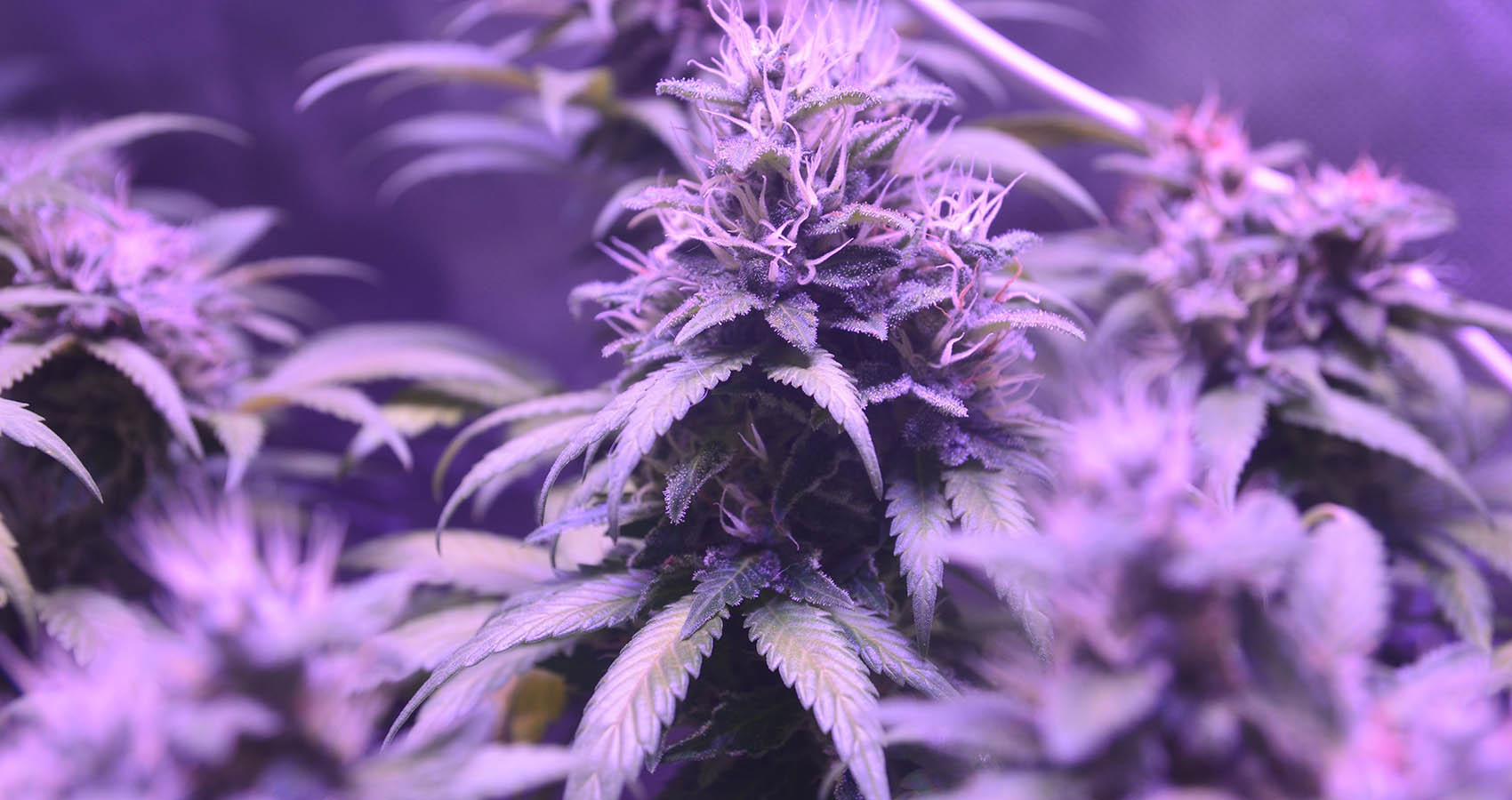
How Strain Pairing Works: The Science Of Combining Terpene Profiles
The science behind cannabis aromas, flavors, and terpene combinations.
Cannabis is often discussed in terms of THC and CBD, but there's a lot more going on than those two numbers suggest. Anyone who has explored different flower varieties has probably noticed that two products with similar cannabinoid percentages can smell, taste and feel quite different. One reason is their terpene profile.
Terpenes are the aromatic compounds responsible for many of the distinctive scents and flavors found in cannabis. They're also attracting increasing attention from researchers interested in how different plant compounds might interact. Instead of looking at THC or CBD in isolation, modern cannabis research is increasingly exploring the plant's wider chemical makeup.
This is where strain pairing gets interesting. Rather than choosing two products simply because their names sound like a good match, looking at their dominant terpenes offers another way to compare them. The idea is to find profiles that complement one another, whether through similar aromas, contrasting flavors or different combinations of compounds. The science behind these interactions is still developing, though, and the often-mentioned "entourage effect" isn't yet a proven formula for predictable results.
What Terpenes Bring to the Cannabis Experience
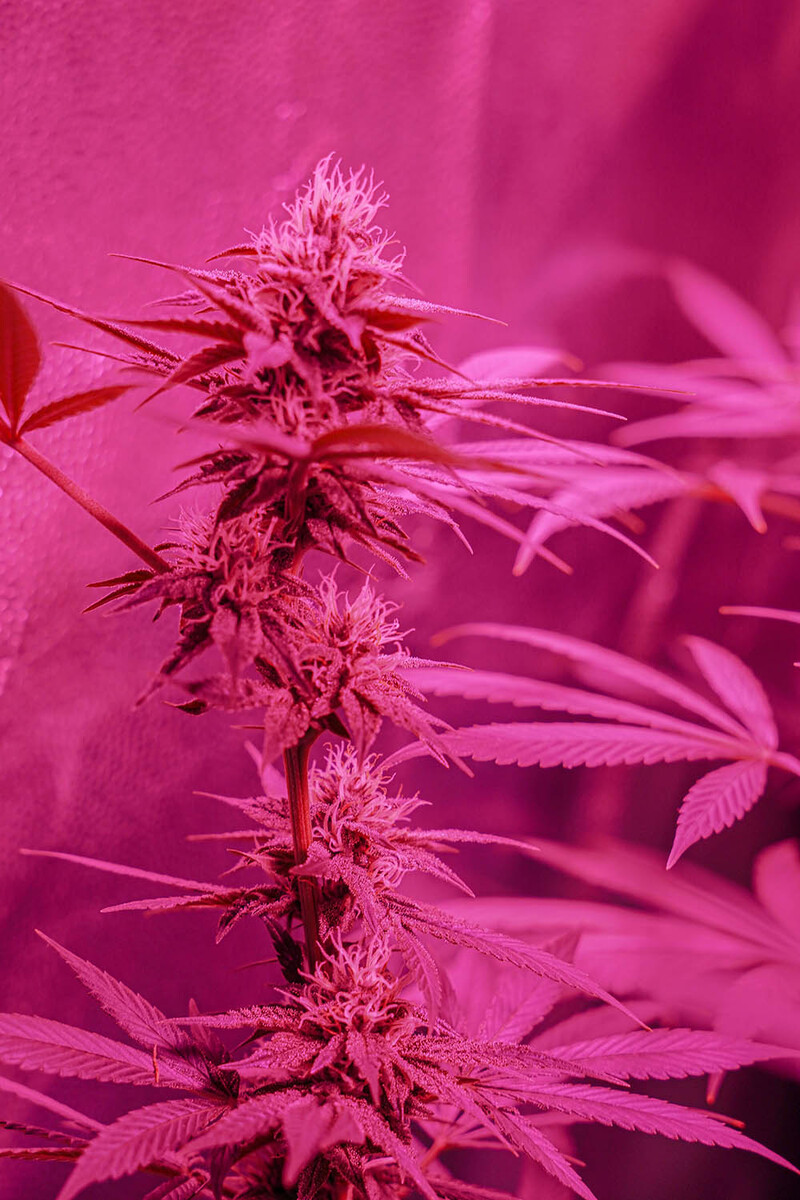
Terpenes are naturally occurring aromatic compounds found in many plants. In cannabis, they're produced primarily in glandular trichomes and contribute significantly to the plant's characteristic aroma and flavor. Some of the most commonly discussed cannabis terpenes include myrcene, limonene, pinene, linalool, humulene, terpinolene and beta-caryophyllene.
Different cultivars contain different combinations and concentrations of these compounds. That's one reason two varieties with similar THC levels can have such different sensory profiles.
It also explains why traditional categories such as "indica," "sativa" and hybrid don't always tell us very much about a product's actual chemistry. Two strains carrying the same label can have noticeably different terpene compositions. When laboratory results are available, looking at those details can provide a much clearer picture than relying on a strain name alone.
Terpenes also give us a useful way to describe and compare different varieties. Limonene is associated with citrus-like aromas, while pinene contributes piney or herbal notes. Linalool is commonly linked to floral scents, and beta-caryophyllene has a distinctive peppery, spicy character.
These descriptions don't guarantee a particular psychological or therapeutic effect, but they help explain why different cannabis varieties can have such distinct aromas and flavors.
Why Pairing Terpene Profiles Can Make Sense
Strain pairing is essentially about combining cannabis varieties with complementary chemical or sensory characteristics. That doesn't necessarily mean trying to create something stronger. It can simply be about bringing together different aromas, flavors and cannabinoid compositions to create a more interesting overall profile.
For example, someone who enjoys citrus-forward varieties might choose to pair one with another that has more pronounced floral, earthy or spicy notes. The result could offer a different sensory experience from either variety on its own.
Overlapping terpenes are another interesting starting point. Imagine two products that both contain beta-caryophyllene but have different secondary terpenes. Their combined aroma might emphasize familiar spicy notes while introducing additional characteristics from limonene, linalool or myrcene. Alternatively, pairing varieties with very different dominant terpenes could create a broader range of aromas and flavors.
It's a little like combining ingredients in coffee, tea, wine or cooking. Some flavors complement one another, while others create an interesting contrast. The same principle can be applied when comparing cannabis profiles, although the result will depend on the actual composition of each product.
For consumers researching specific varieties, a product such as Devil Driver Blue Lobster can be considered through the same lens. Rather than judging a product exclusively by its name or THC percentage, looking at its available laboratory information and terpene composition can offer a more meaningful basis for comparison. It's worth remembering that a terpene profile describes a product's chemistry and expected sensory characteristics, not a guaranteed effect.
Understanding the Entourage Effect Without Overstating the Science
The term "entourage effect" comes up frequently in conversations about cannabis. It describes the theory that cannabinoids, terpenes and other plant compounds may interact in ways that produce effects different from those of isolated compounds. The idea has influenced cannabis research for decades and encouraged scientists to look at the plant as a complex chemical system rather than focusing on THC alone.
But how much do we actually know about it?
The scientific evidence is still developing. Reviews of laboratory and preclinical research have identified interesting possibilities for interactions between cannabis compounds, but clinical evidence remains limited and inconsistent. A 2024 systematic review found that potential terpene-related benefits are worth investigating, while also emphasizing that synergistic or additive enhancement of cannabinoid effects has not yet been established and requires further clinical research.
Other studies have reached similarly cautious conclusions. One experimental study examining several common cannabis terpenes found no clear evidence that they directly modified THC, CBD or endocannabinoid activity at CB1 or CB2 receptors, apart from a possible weak interaction involving beta-caryophyllene at CB2.
This doesn't mean interactions between cannabis compounds never happen. It simply shows why it's important to distinguish between an interesting scientific theory and an effect that has been reliably demonstrated in humans. The entourage effect remains an active area of research, rather than something consumers can automatically expect from combining particular strains.
How to Compare Strains Before Pairing Them
If you're interested in comparing terpene profiles, a good place to start is the available laboratory information. When a certificate of analysis or detailed product testing is provided, look beyond the THC and CBD percentages and identify the dominant terpenes. Their concentrations can help show which compounds make up a significant part of the profile and which are only present in trace amounts.
From there, think about the sensory characteristics you're interested in. Pairing two strongly citrus-forward varieties may emphasize those familiar notes, while combining a citrus profile with something peppery or floral could offer more contrast. Neither approach is necessarily better. It comes down to individual preferences and the aromas and flavors someone enjoys.
Cannabinoid composition is another piece of the puzzle. Terpenes are only one part of cannabis chemistry, and different products can contain varying concentrations of THC, CBD, CBG, CBC and other cannabinoids. Looking at the complete available profile is therefore more useful than assuming that one dominant terpene determines everything.
Researchers increasingly use terms such as chemovar or chemotype to describe cannabis according to











 Connect with Facebook