





Luxury Handbags Are Getting More Expensive In France
The industry doesn't need to sell as many of them to make more money.
France's leather goods sector generated €6.1 billion in revenue in 2025, even as the number of items sold declined. It's a revealing contradiction for an industry built around desirable bags, accessories and the promise of something worth investing in.
The money is still coming in. The volume, however, is telling a different story.
More Revenue, Fewer Products
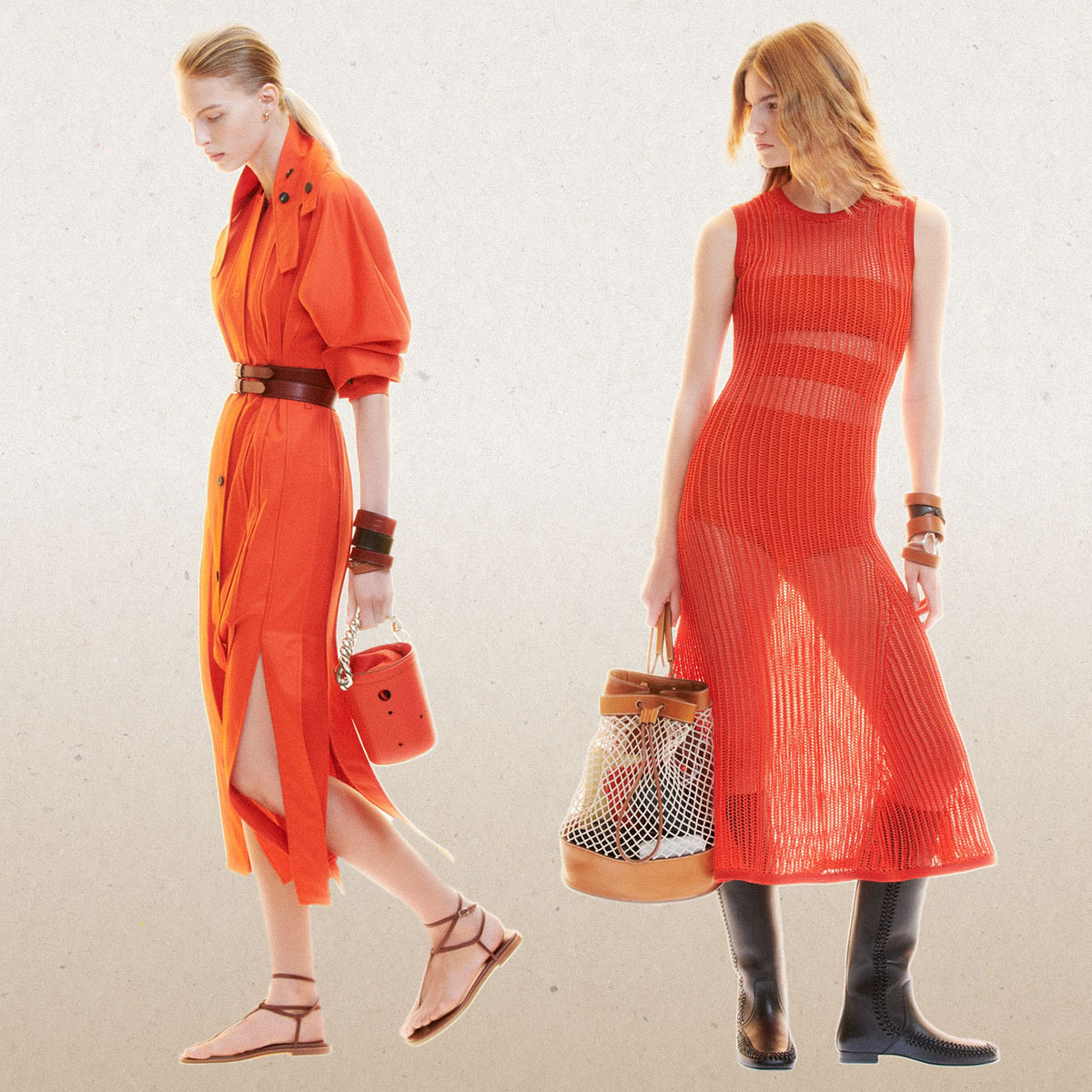
Images via @hermes
According to figures reported by FashionNetwork, French leather goods increased their revenue despite selling fewer items in 2025.
That distinction matters because revenue growth doesn't necessarily mean more people are buying. Higher prices can lift the total value of sales even when customers purchase fewer products.
In luxury, where handbags can cost thousands of euros, that gap becomes particularly interesting. A business can generate more money without moving more merchandise.
The Luxury Price Tag Is Doing More Work
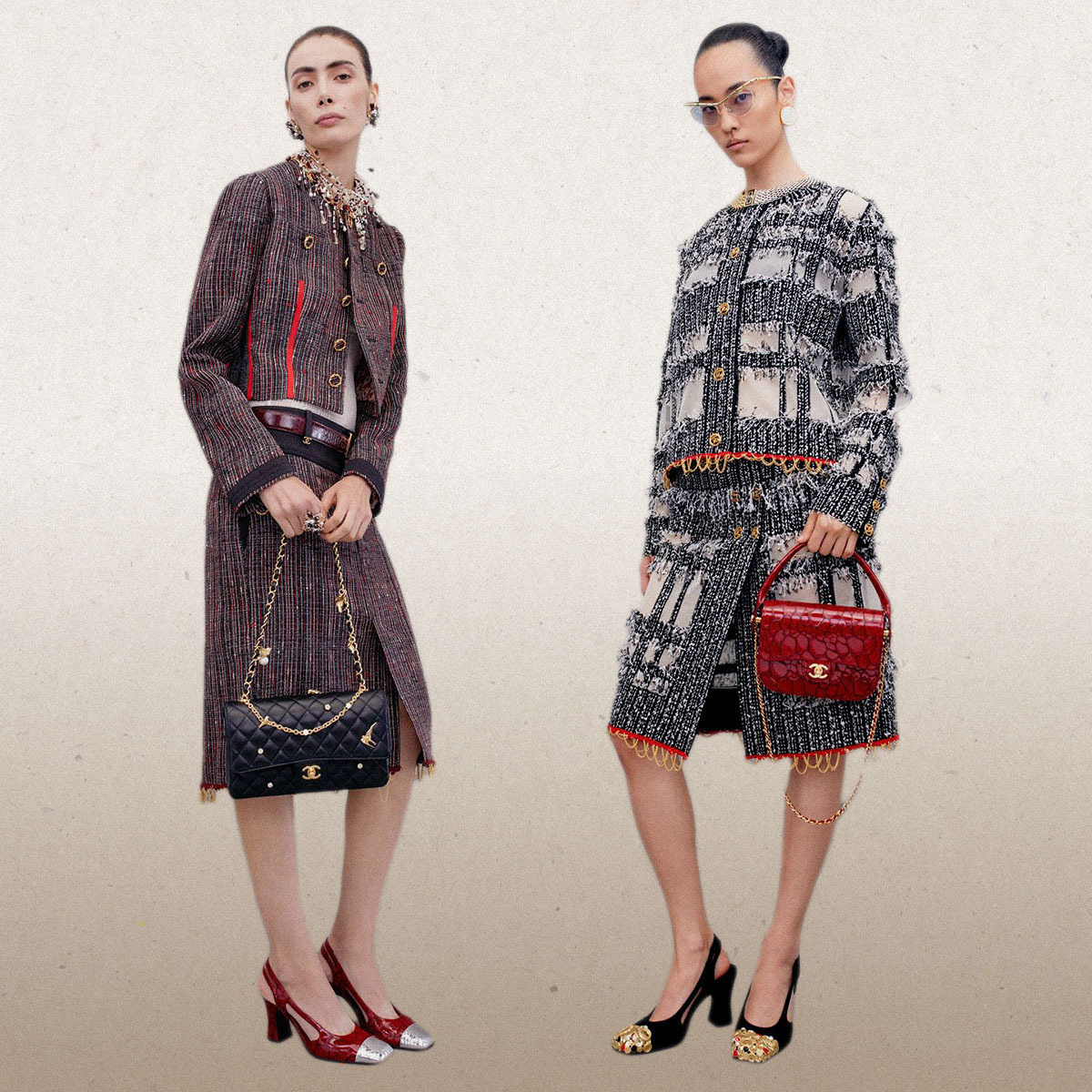
Images via @chanelofficial
Luxury brands have spent years positioning their products around craftsmanship, exclusivity and heritage, while price increases have made many signature pieces substantially more expensive.
That strategy can support revenue when customers remain willing to pay more. But declining sales volumes also raise a question: how much room is left to keep increasing prices if shoppers become more selective?
For consumers, the calculation is getting harder. A handbag may still be beautiful, well-made and instantly recognizable, but that doesn't mean every price increase feels justified.
France's Leather Goods Industry Has More at Stake

Images via @hermes
Leather goods are an important part of France's luxury identity, connecting major fashion houses with a wider network of manufacturers, artisans and specialist suppliers.
Alliance France Cuir tracks the sector's economic performance, including production and international trade. Its data helps show why the industry's health cannot be measured by headline revenue alone.
If fewer products are being sold, that can point to changing demand even when the financial totals look healthy. Revenue, volume and long-term consumer appetite are related, but they are not interchangeable.
Is Luxury Selling Less, or Simply Charging More?
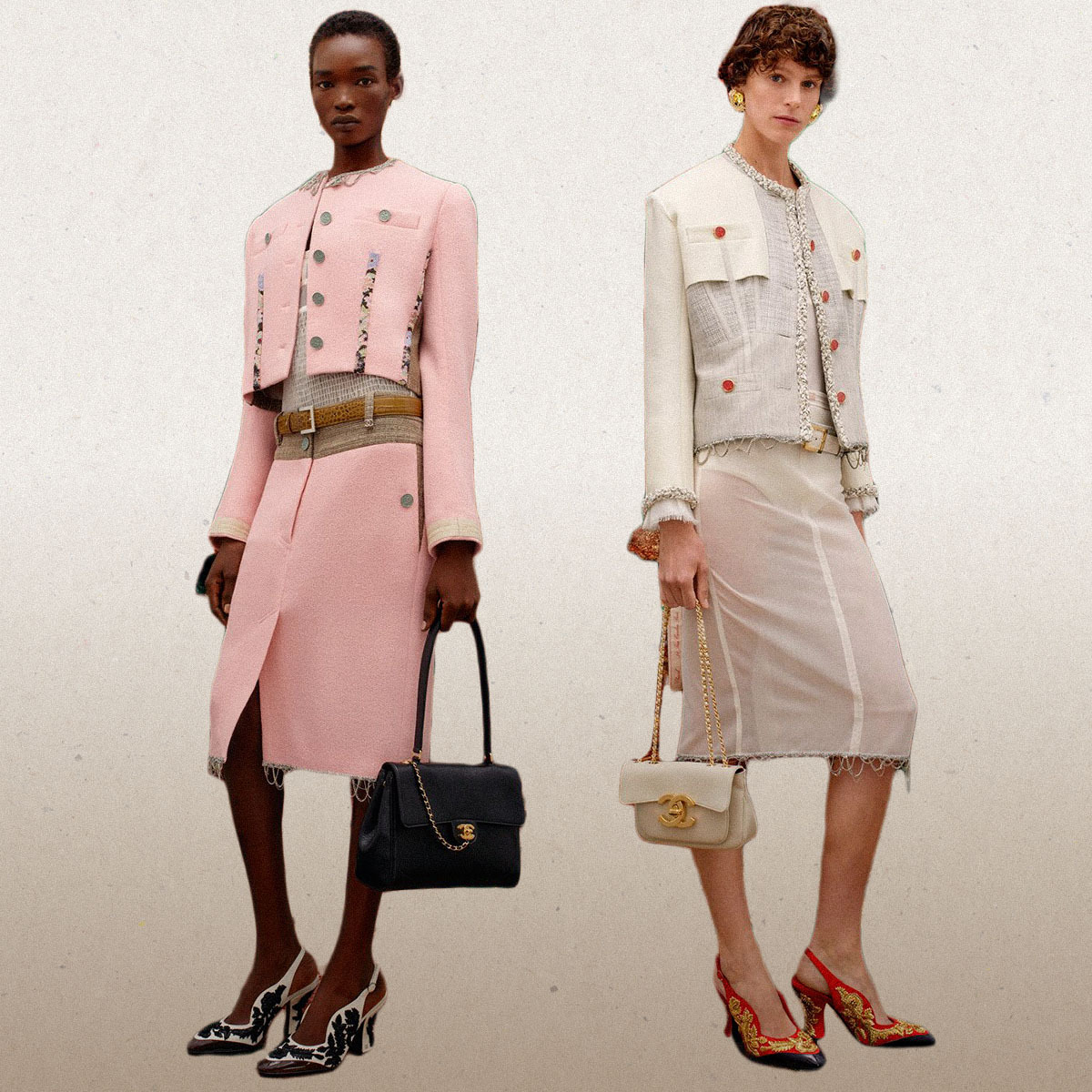
Images via @chanelofficial
The €6.1 billion figure is a reminder that luxury can remain financially powerful while its relationship with consumers changes.
Higher prices may help protect revenue, but sustained success also depends on whether customers continue to see enough value in what they're buying. Craftsmanship and exclusivity can justify a premium; the logo alone cannot guarantee endless willingness to pay.
French leather goods are still bringing in billions. The more revealing question is whether the industry can keep growing without relying so heavily on higher prices.
Because selling fewer bags for more money can look like a win on paper. What happens next depends on how long customers agree.











 Connect with Facebook