





The Fall Beauty Reset: How To Care for Your Skin And Hair As The Weather Changes
From barrier-friendly skincare to softer, shinier hair, these simple seasonal switches can make your entire beauty routine feel a little more put together.
There’s something about fall that makes you want to rethink your entire beauty routine. The lightweight moisturizer that worked all summer suddenly feels a little underwhelming, your lips seem perpetually dry, and your hair has started looking frizzier just as you’re reaching for your favorite cozy sweaters.
It’s not your imagination. Cooler temperatures, lower humidity, and indoor heating can all contribute to moisture loss, leaving skin feeling tight and hair looking less smooth. The good news? You don’t need an entirely new shelf of products to get your glow back. A few thoughtful adjustments to your skincare and hair care routines can make a noticeable difference.
Here’s how to give both a little extra attention this season, without turning your morning routine into a full-time job.
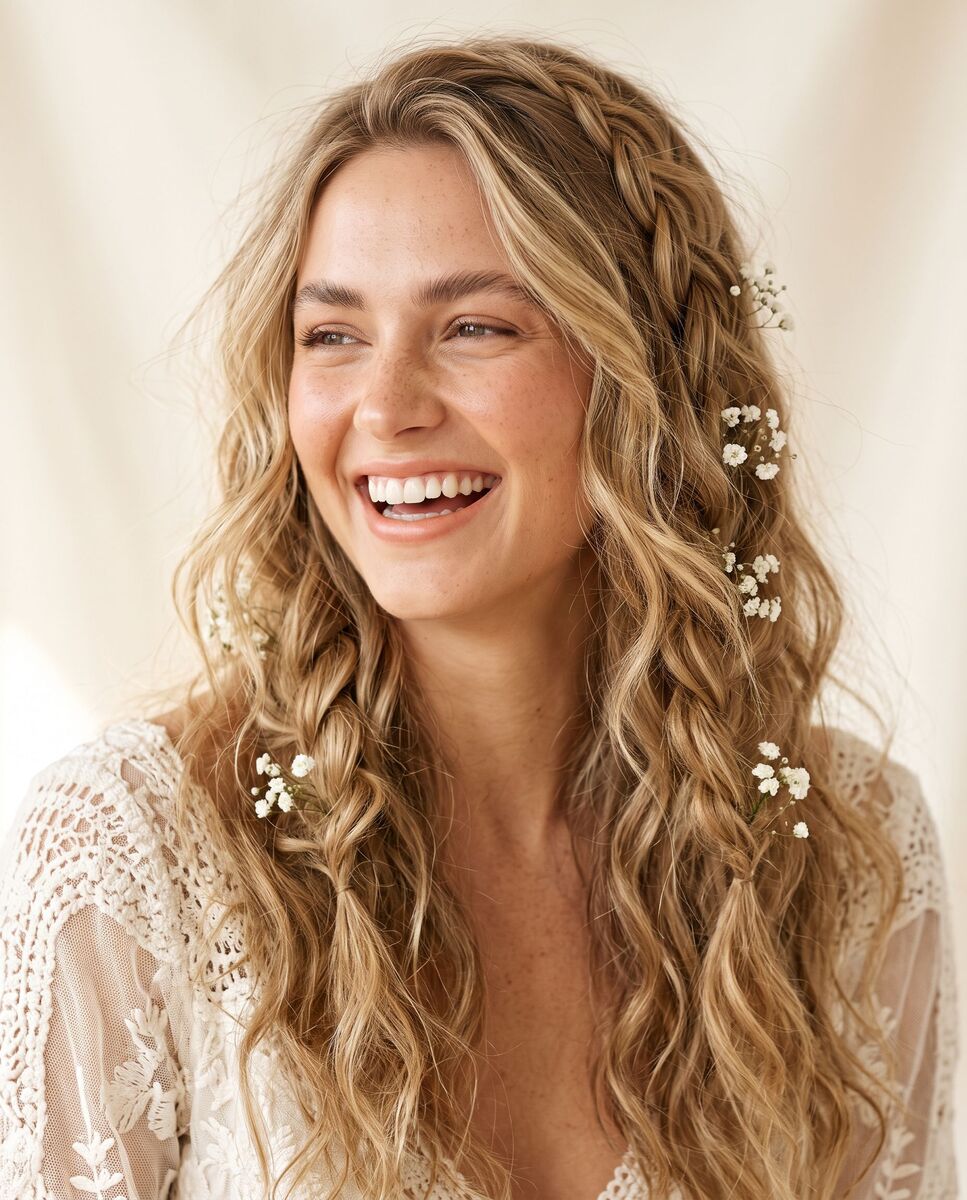
1. Give Your Skin a More Hydrating Start
If your skin feels tight after cleansing or your foundation suddenly clings to dry patches, it may be time to revisit your routine. Fall is a good opportunity to prioritize hydration and support your skin barrier rather than piling on more active ingredients.
Start with a gentle cleanser that leaves your skin comfortable, not squeaky-clean. Follow with a hydrating serum containing ingredients such as glycerin or hyaluronic acid, then seal everything in with a moisturizer that suits your skin type. Ceramides can be especially helpful for supporting the skin barrier.
You may also want to swap your lightweight summer lotion for a slightly richer cream, particularly if you spend long hours in air-conditioned offices or heated indoor spaces. Just because the weather is cooler doesn’t mean sunscreen gets a seasonal vacation. Broad-spectrum SPF 30 or higher remains an everyday essential.
One more thing: resist the temptation to exfoliate every time your complexion looks dull. When skin is already dry or irritated, overdoing acids and scrubs can make matters worse. Focus on keeping your skin comfortable first, then reintroduce stronger treatments gradually if needed.
2. Don't Forget Your Lips, Hands, and Body
A good fall beauty routine goes beyond your face. Dry lips, rough hands, and itchy legs can make even the most polished look feel unfinished.
Keep a nourishing lip balm within reach, whether that’s in your handbag, on your nightstand, or tucked into your desk drawer. For hands, apply a richer cream after washing, and keep one beside the sink so it becomes part of your everyday routine.
For the rest of your body, apply moisturizer while your skin is still slightly damp after showering. Try to keep showers warm rather than hot and avoid spending too long under the water, which can aggravate dryness.
If your skin is particularly sensitive, this is also a good time to simplify. Rather than introducing several new body products at once, stick with formulas you know your skin tolerates.
The goal isn't to make your routine more complicated. It's to make the basics work a little harder.
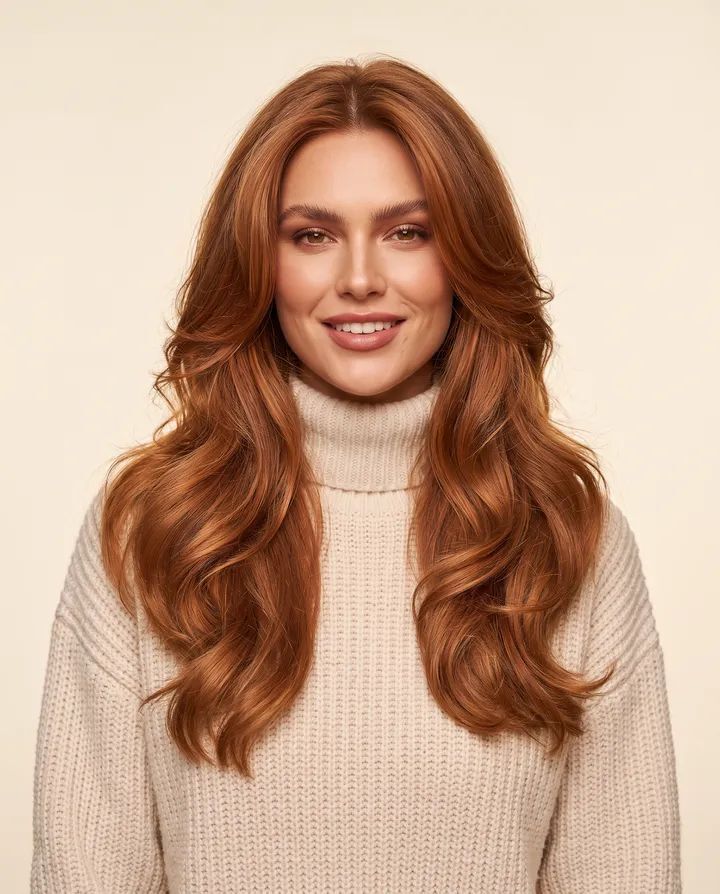
3. Treat Fall Hair Care as a Moisture Reset
Skin isn't the only thing that can feel different when the seasons change. Hair can become more prone to static, tangling, and frizz, especially when outdoor conditions are dry and indoor heating is running regularly.
Start with your wash routine. A gentle shampoo can help cleanse your scalp without unnecessarily stripping your strands, while conditioner helps improve slip, reduce tangling, and make hair easier to manage. If your ends feel rough, a leave-in conditioner or a small amount of hair serum may help smooth the lengths.
Pay attention to how you're drying your hair, too. Vigorous towel rubbing and frequent high-heat styling can contribute to breakage. Instead, gently squeeze out excess water with a soft towel, detangle from the ends upward, and use a heat protectant before blow-drying or curling.
A weekly conditioning treatment can be useful if your hair feels particularly dry, but more product isn't always better. Fine hair may need a lightweight formula, while thicker or coarser textures may benefit from richer conditioning products.
And don't overlook your scalp. If it feels tight or itchy, consider whether your shampoo, washing frequency, or styling products could be contributing to the problem. Persistent irritation deserves more than another hair mask.
4. Understand What's Behind Seasonal Shedding
Seeing more hair than usual in your brush can be unsettling, especially when you're already dealing with dry ends or a less voluminous style. Some people notice increased shedding in late summer or fall, although the pattern varies from person to person.
It's worth remembering that shedding and hair breakage are not the same thing. Shedding happens when hairs are released from the follicle, while breakage occurs when strands snap along their length. The two can have different causes and require different approaches.
If you notice more shedding, keep your routine gentle. Avoid hairstyles that pull tightly on the roots, detangle carefully, and condition regularly to reduce unnecessary breakage. Eating a balanced diet and getting enough nutrients also matter for normal hair growth.
However, don't automatically blame the season for every change. The American Academy of Dermatology notes that excessive shedding can follow stress, illness, major weight changes, and other triggers. If shedding is sudden, persistent, or accompanied by visible thinning, consult a dermatologist to identify the cause rather than relying on hair-growth products or supplements alone.
If your hair looks a little less full than usual, clip-in hair extensions can also offer a temporary way to add volume while you continue caring for your natural hair.
In the meantime, there's no need to put every hairstyle you love on hold. You can give your natural hair the care it needs while choosing styling options that suit how your hair looks and feels right now.

5. Why Fall Outfits Call for a Little More Hair Volume
There’s a reason your hair can suddenly feel a little underwhelming once you start wearing chunky sweaters, oversized blazers, and wool coats. As your wardrobe gets heavier in texture and silhouette, your hair can benefit from a little more body to balance the look.
Think about proportions. A thick cable-knit sweater or a structured coat adds visual weight around your shoulders and neckline. Hair that falls flat against your head can sometimes feel out of balance with those fuller layers, while soft waves, a bouncy blowout, or a fuller ponytail can help bring the whole outfit together.
That doesn't mean you need waist-length hair or a dramatic transformation. Often, it's about adding just enough volume and movement to complement what you're wearing. A few face-framing layers can soften a tailored blazer, while loose, brushed-out waves pair naturally with a chunky knit and your favorite jeans. Even a simple low ponytail can look more polished with a little fullness through the lengths.
If your natural hair is on the finer side, or you simply want more body for fall styling, clip-in hair extensions can be an easy way to experiment. A few strategically placed pieces can add fullness to a blowout, give loose curls more presence, or make a ponytail look thicker without requiring a permanent change.
For the most natural finish, choose extensions that blend with your hair color and texture, and focus on adding volume where you need it rather than simply adding length. The goal is for your hair to work with your outfit, not compete with it.
Of course, bigger isn't always better. Sleek, tucked-behind-the-ears styles and smooth buns can look just as chic with oversized outerwear. Think of volume as another styling tool, not a rule. When your hair and clothes feel balanced, even your everyday fall uniform can look a little more intentional.
6. Pair Your Skin and Hair Routines for an Easier Beauty Morning
One of the simplest ways to make your fall routine feel more intentional is to think about your skin and hair together, rather than treating them as two completely separate projects.
On a busy weekday, for example, you might keep skincare pared back to cleansing, hydration, moisturizer, and SPF. While your moisturizer settles in, prep your hair with a heat protectant and create a soft blowout or loose waves. If you're using clip-ins for extra fullness, add them once your natural hair is dry and styled enough to blend.
For an evening out, you could lean into a more luminous complexion, a rosy or berry-toned lip, and voluminous waves. For everyday wear, healthy-looking skin, smooth lengths, and a simple half-up style can feel just as put together without requiring much extra effort.
The point is to build a routine that works with your schedule and your hair and skin needs, not one that asks you to spend another hour in front of the mirror.
Fall beauty doesn't have to mean buying every new product that appears on your feed. Sometimes, the most effective reset is going back to the essentials: keeping skin hydrated, treating hair gently, protecting it from unnecessary heat, and finding a few styling tricks that make getting ready feel easier.
When your skin feels comfortable and your hair has the softness and movement you love, the whole look tends to come together naturally. And that's a pretty good place to start the season.










 Connect with Facebook