




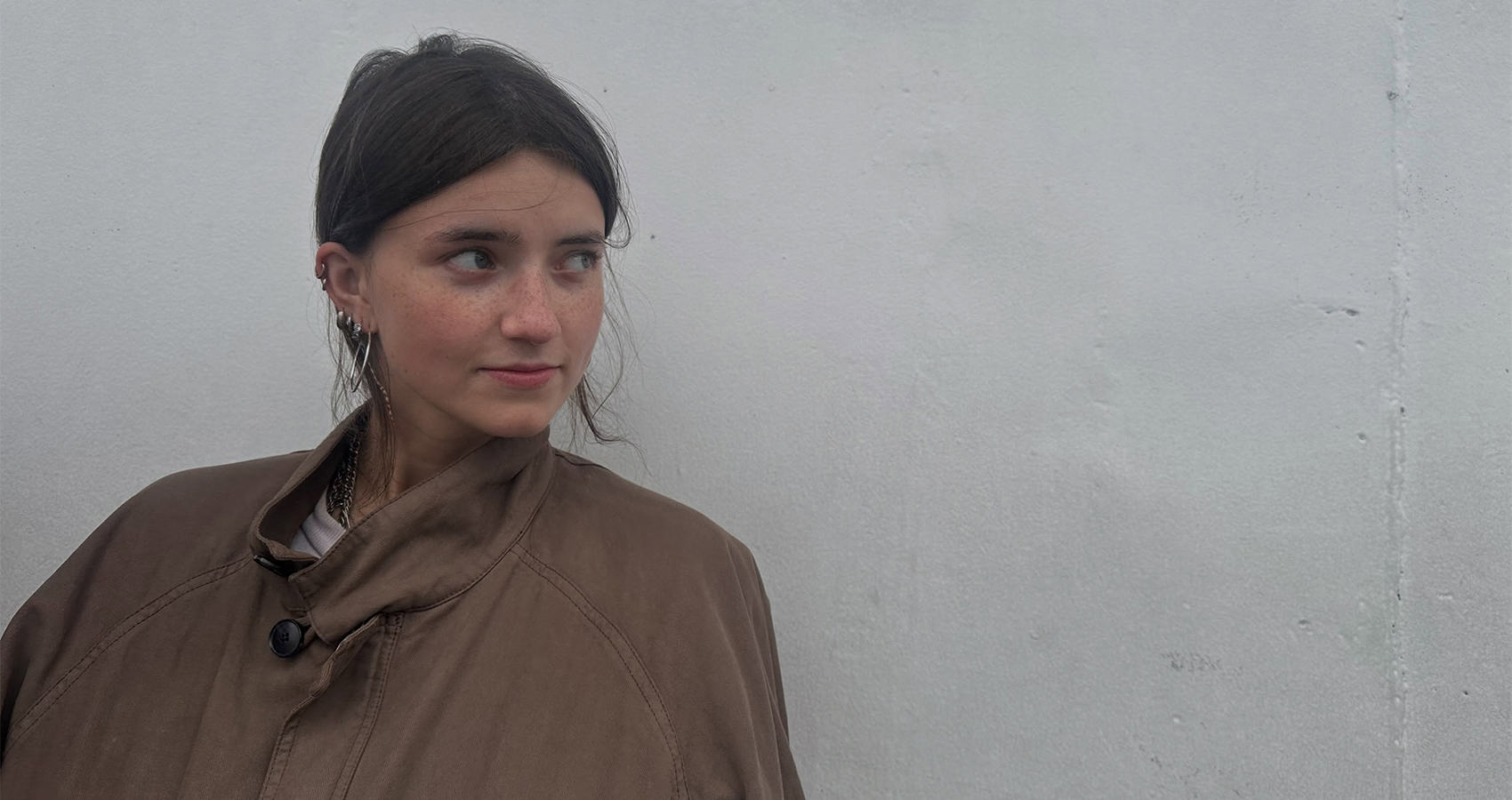
Emma’s Fly 111 Is A Record About Trusting Your Own Instincts
Shaped by instinct, collaboration and a willingness to let old work find new meaning.
Some albums arrive with a grand plan. Others come together almost by accident, through years of writing, experimenting and following whatever feels right. For Emma, her debut album, Fly 111, belongs firmly in the second category. What began as a collection of songs made without a formal album in mind eventually became a record shaped by instinct, collaboration and a willingness to let old work find new meaning.
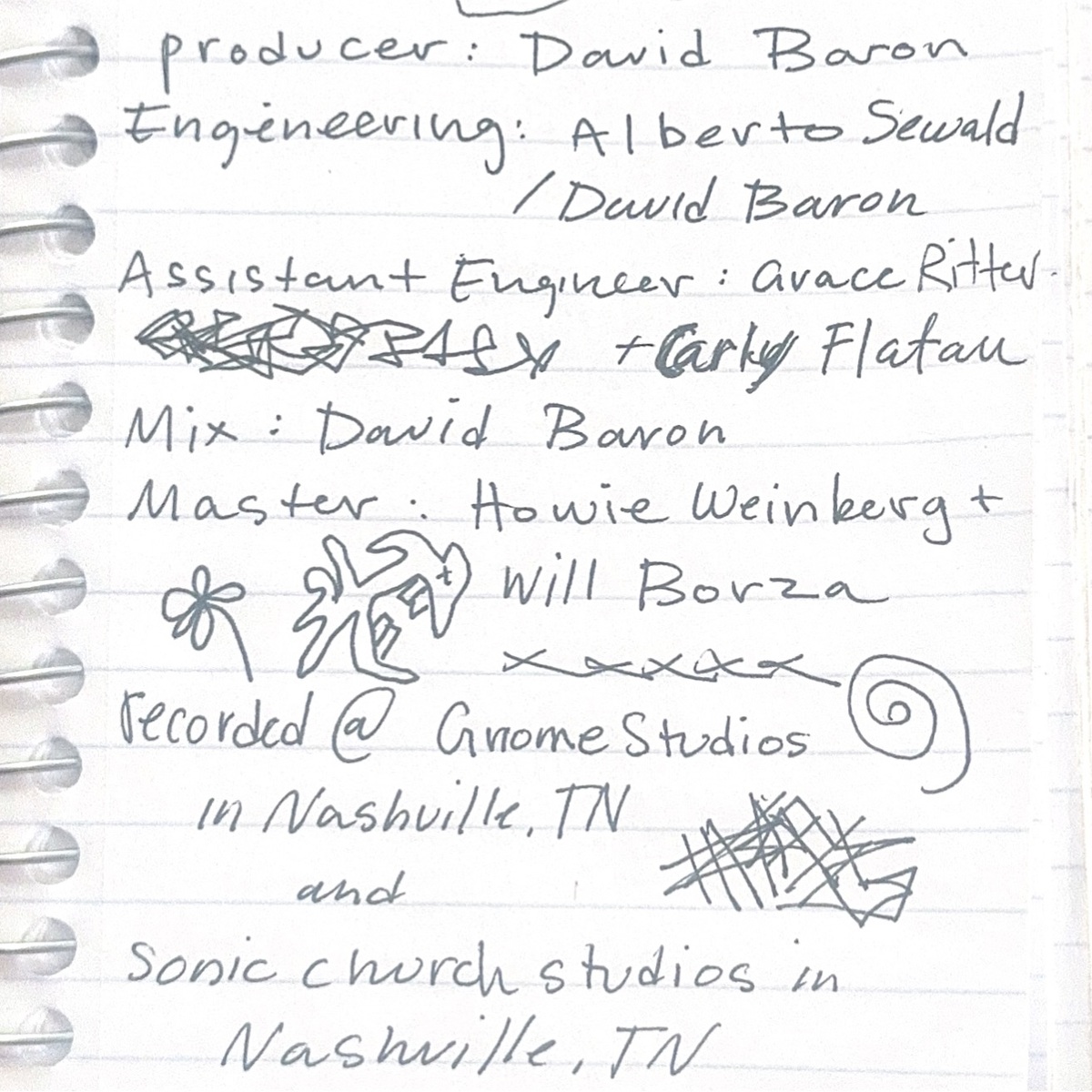
There wasn't one defining moment when Emma suddenly knew she was making an album. Producer David Baron suggested recording the backlog of songs she had accumulated, and she and her band ended up live-tracking around 20 songs together. The process was spontaneous, without a rigid idea of what the finished record needed to be. She had a feeling listeners would connect with “Baby Don't Hurt Me”, but the bigger picture emerged naturally.
Writing for Yourself First
At the centre of Emma's approach is a simple but important belief: she has to love the music before anyone else gets to hear it. Songwriting is her main creative and emotional outlet, a way of processing experiences without necessarily confronting them directly. Her process is often subconscious and autobiographical, but that personal starting point doesn't make the songs less universal. In fact, she believes it's what allows listeners to find their own meaning in them.
She describes songs as time capsules, holding onto feelings and perspectives from different stages of her life. Some still speak to her exactly as they did when she first wrote them. “Private Power”, for example, continues to resonate with the person she is at 23, even though parts of it date back to when she was 15 or 19. Other songs remind her of someone she has since grown beyond. Rather than trying to rewrite the past, she lets those different versions of herself coexist.
That instinctive approach developed over years of writing. Discovering songwriter Lori McKenna early on was particularly influential, especially the way her lyrics communicated emotion. Emma's own writing gradually moved away from straightforward storytelling towards something more fluid. Spending time alone during the pandemic gave her the space to develop that process, and she continues to measure progress by whether she is writing something she genuinely loves.
Finding the Right Sound Together

Although Fly 111 was written across four years, its musical influences are far from limited to one genre. Emma doesn't approach songwriting with a particular sound in mind. “Hands Tied”, for instance, drew inspiration from Aretha Franklin, rap music and her former roommate Molly Velasquez. The album's recording process also prioritised the energy of a live band, with room for experimentation.
“Baby Don't Hurt Me” took a different route. While much of the record was tracked live, this song was built piece by piece, with layered drums, bass and synth elements developing from the original demo. Inspired in part by Australian band Armlock, its production gave the track a distinct identity.
The song itself came from a breakup and a period when Emma was struggling with her confidence. She wanted to make something funky and expressive, but without turning it into a straightforward account of blame. She prefers to keep her songwriting in what she calls a “neutral spot”, allowing conflicting feelings to exist rather than forcing a clear verdict.
That openness extends to the album's more vulnerable moments. “Weston Down”, a song about shame, felt particularly personal to release. But Emma doesn't see sharing music as an invitation for people to examine her private life. Once a song is out in the world, she says, it stops belonging exclusively to her. It can become whatever the listener needs it to be.
The People Behind the Music
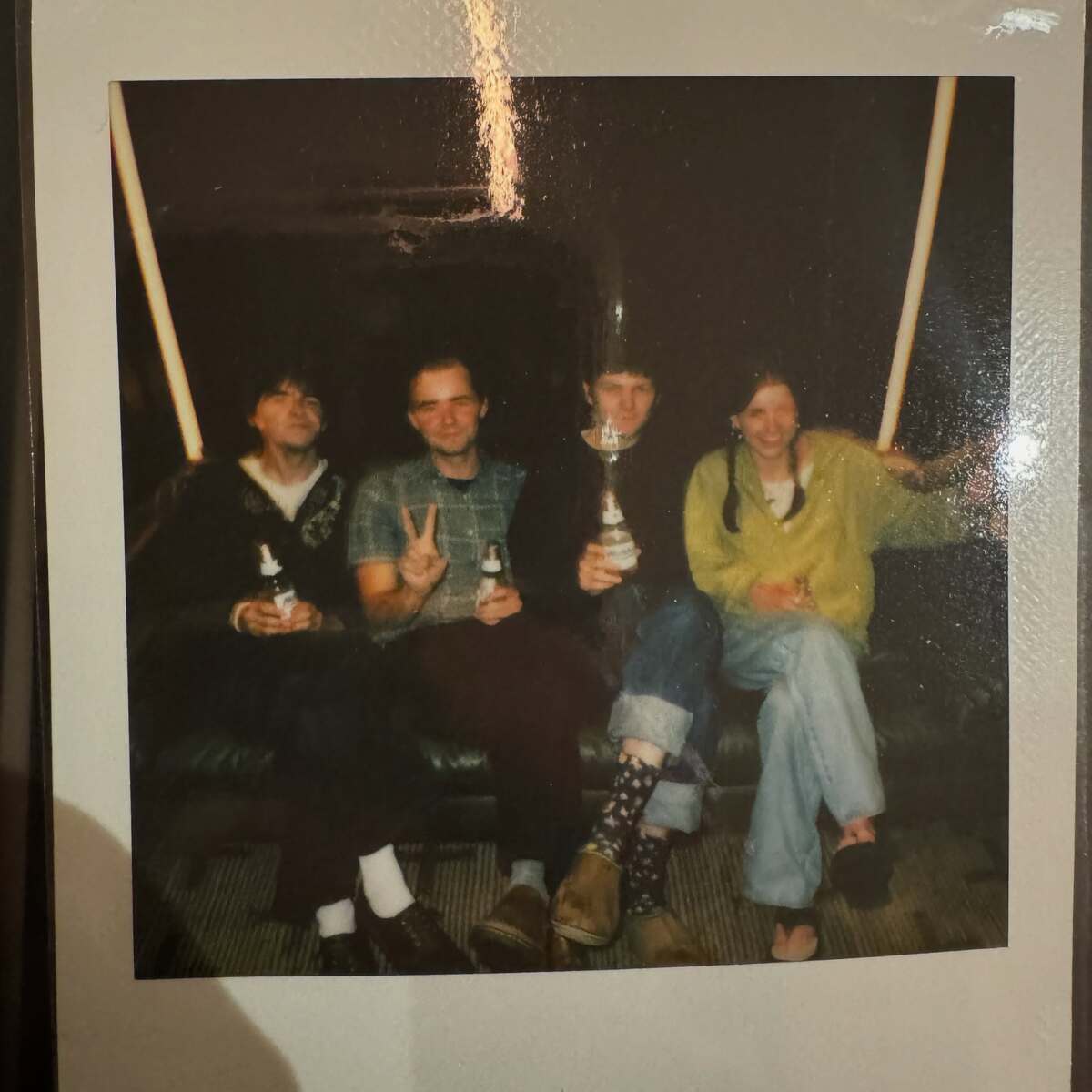
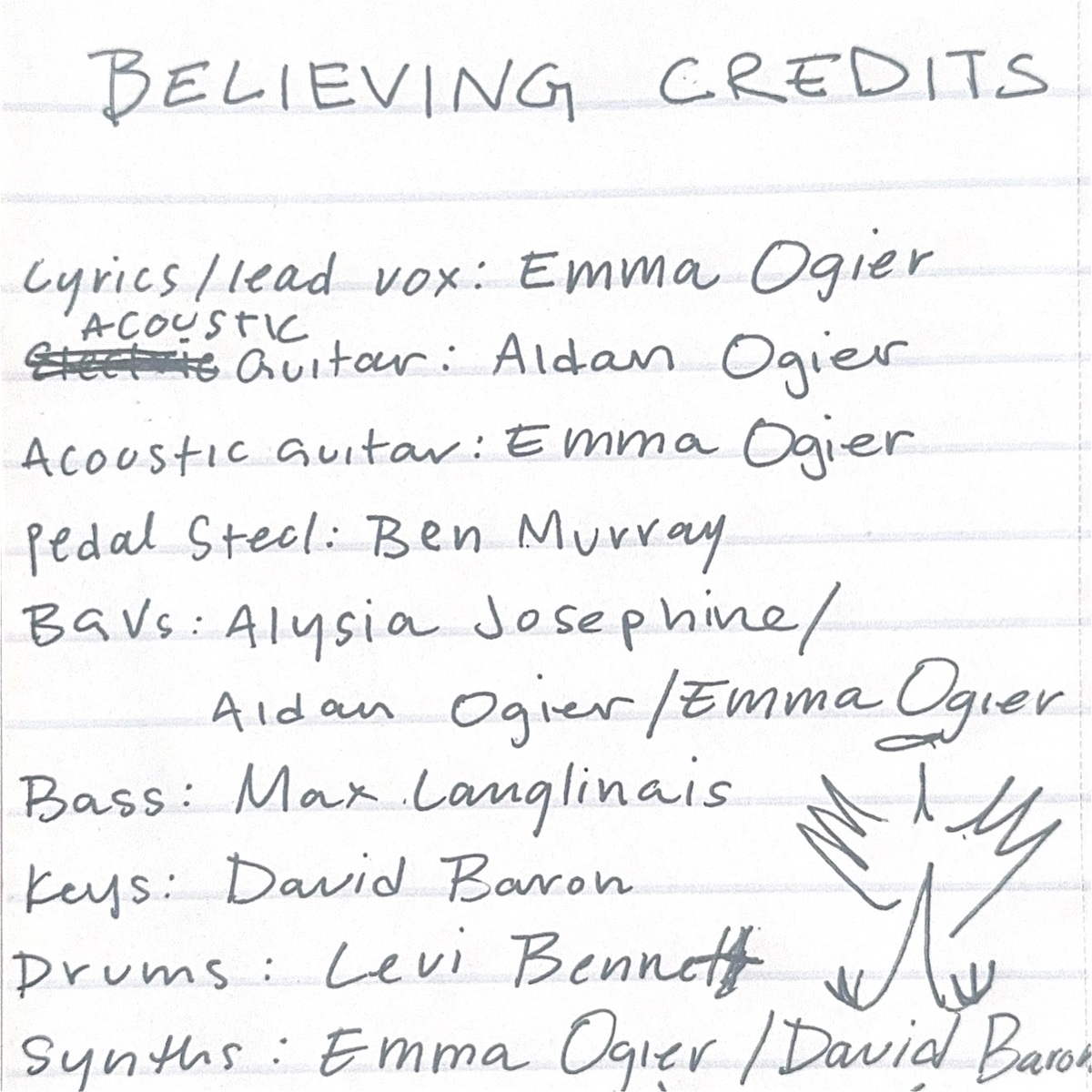
Family has played an enormous part in Emma's creative life. Growing up in Houston with her brothers Aiden and Cohen, both talented musicians, meant that songwriting and music were part of their shared world. Aiden played throughout Fly 111 and continues to tour with her, making their relationship both a family bond and a creative partnership.
Their move to Nashville gave them an invaluable training ground. Playing live regularly helped them build experience and a community before eventually relocating to Los Angeles together. Emma describes Aiden as her most trusted confidant, particularly when navigating the unpredictable demands of a music career.
Other collaborations have helped expand her confidence, too. After Kevin Abstract discovered her music on TikTok, he reached out and invited her to record background vocals for “Small Town” by Dominic Fike. Emma initially recorded the vocals from her bedroom while the artists were on tour, before being invited to join them as a writer and performer. The experience helped her feel more comfortable working alongside established artists.
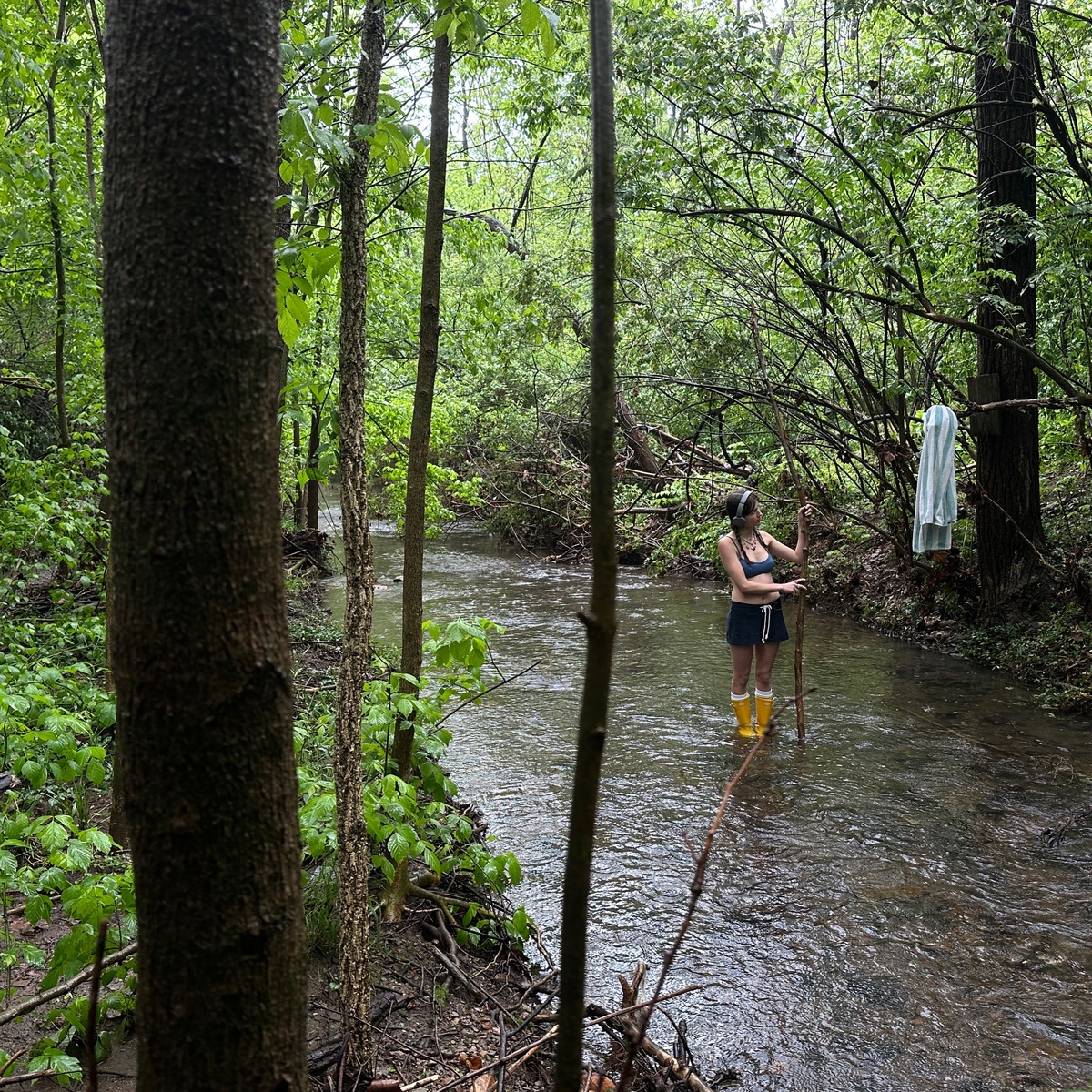
Still, she is less interested in industry hype than in genuine creative relationships. Her dream collaborators include Armlock, Paul Westerberg of The Replacements and Conor Oberst of Bright Eyes. Opening for Bright Eyes was already a significant milestone, particularly given her admiration for the songwriting tradition associated with Lost Highway Records and artists such as Lucinda Williams, Willie Nelson and Whiskeytown.
Letting the Songs Find Their Own Meaning

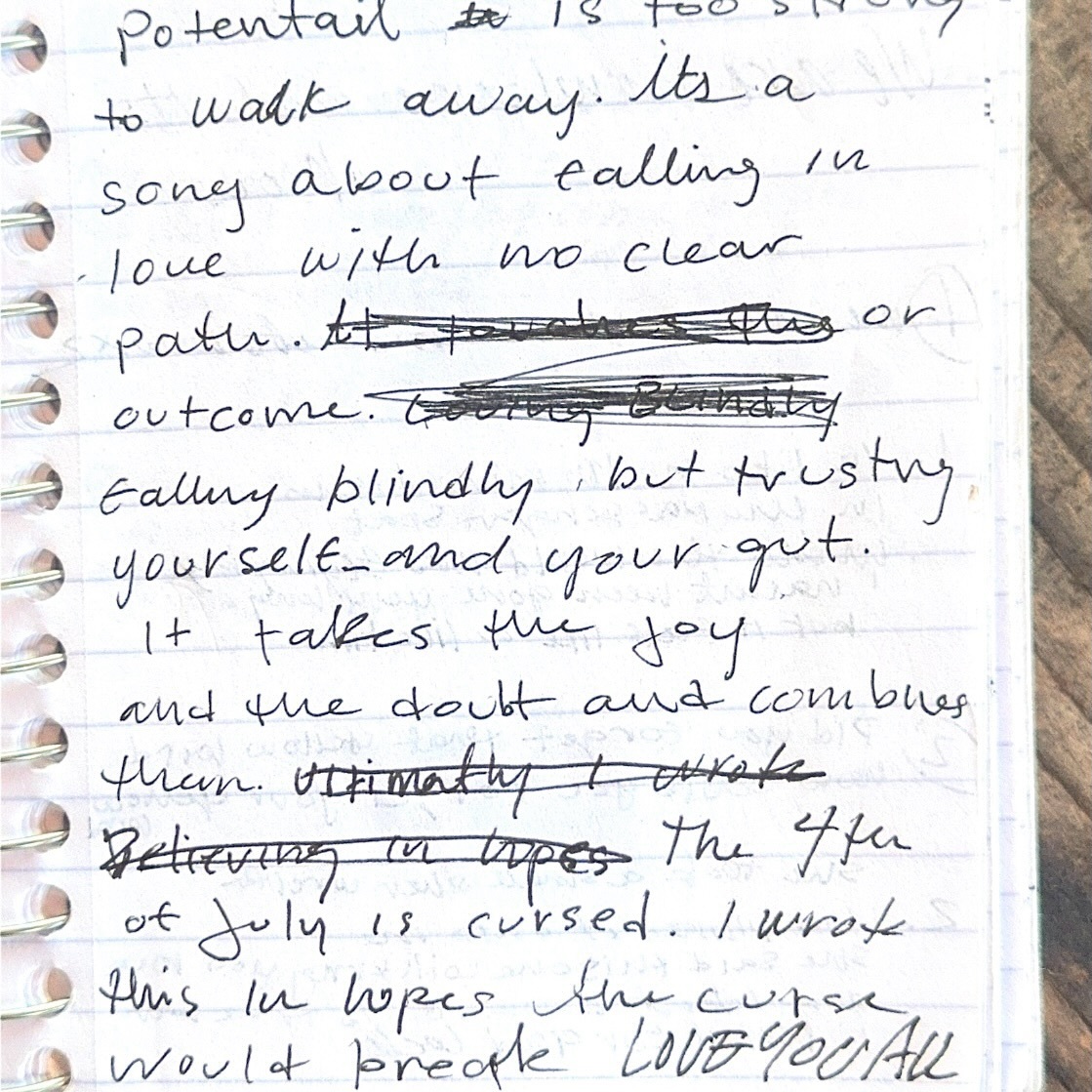
One of the most interesting things about Fly 111 is how differently its songs connect with audiences. Emma initially expected the faster, more energetic tracks to make the biggest impression live. Instead, slower songs such as “Land” and “Believing” have often created the deepest connection.
She enjoys performing across styles, whether with a full band or in stripped-back acoustic sets alongside Aiden. Live performances also give her room to experiment with unreleased introductions and transitions, allowing familiar songs to take on new shapes.
Ultimately, Emma doesn't want to dictate what listeners should feel when they hear Fly 111. She hopes they take whatever they need from it, whether that's a reason to cry, a little confidence or simply something to dance around to.
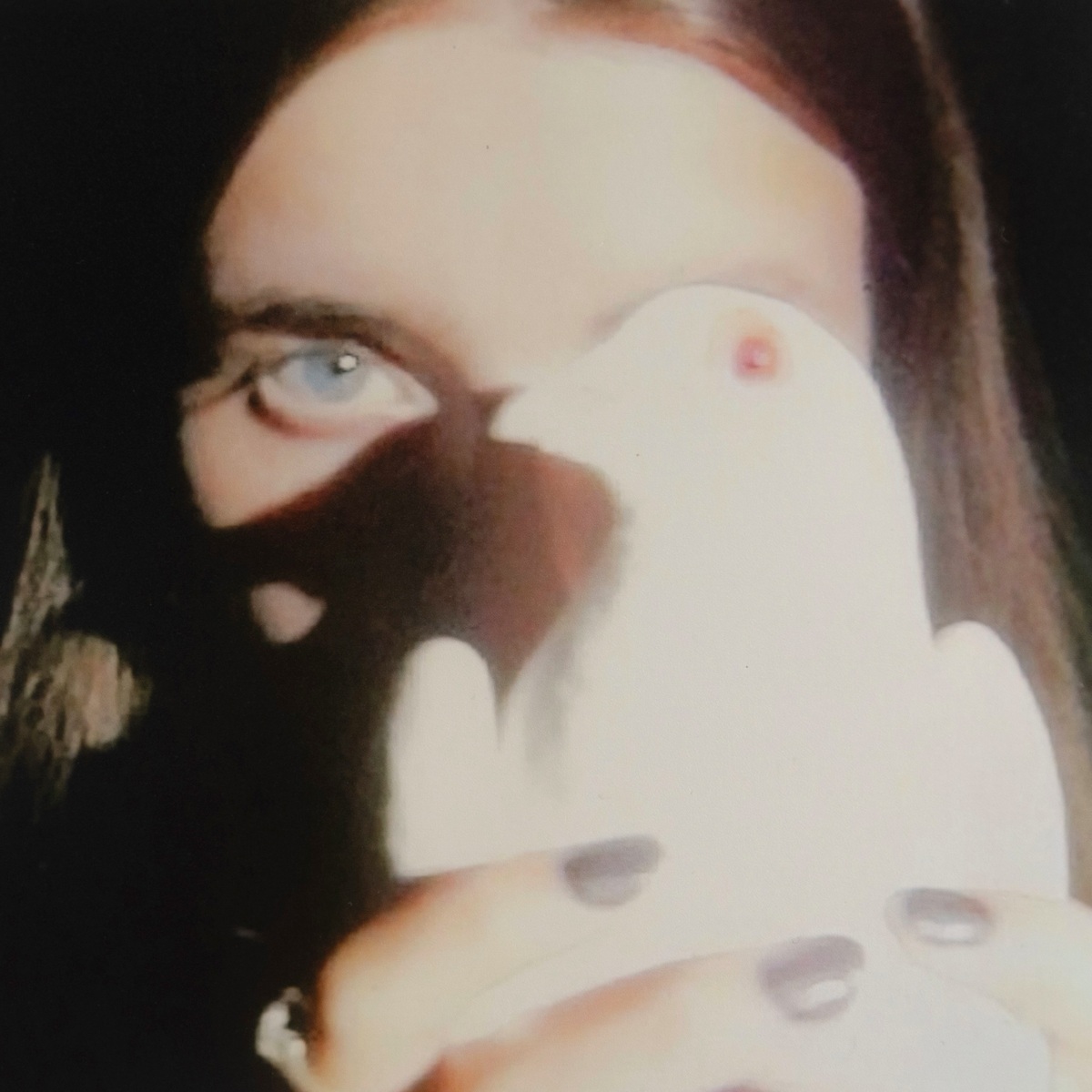
For an album that came together by following instinct rather than a master plan, that feels like a fitting conclusion. Emma has made a record rooted in her own experiences, but she's happy to let everyone else find their own way into it.










 Connect with Facebook