




Best Engagement Ring Styles For Small Hands
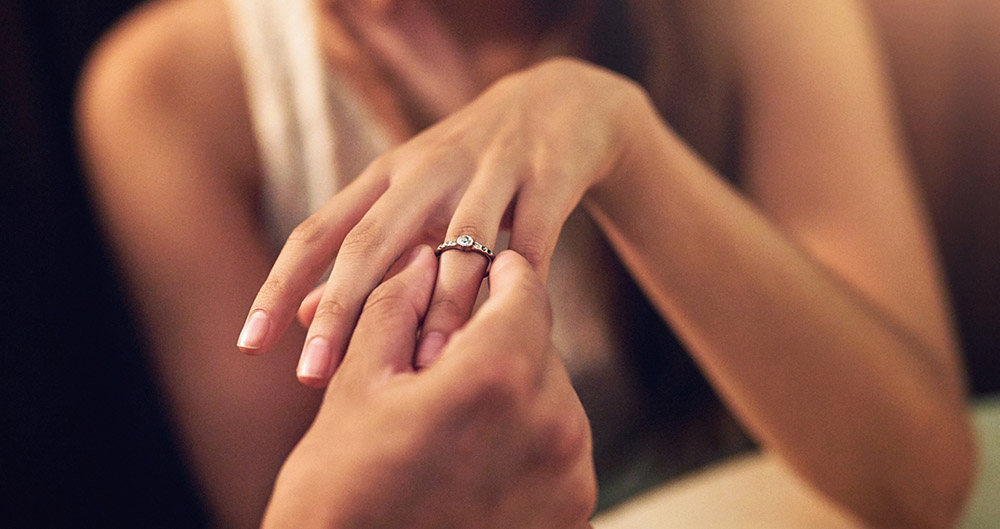
Engagement rings that actually look amazing on petite hands.
A ring that looks stunning in a display case can look entirely wrong on someone's hand. Finger length, width, and bone structure all affect how a stone sits and how a band wraps, and none of that shows up in a product photo. If you have smaller hands, the wrong proportions will swallow your finger whole while the right ones will let the ring and the hand complement each other. This article is about finding that fit.
The good news is that petite hands actually pair well with a wide range of cuts, settings, and band widths, as long as you know what to prioritize. Most of it comes down to proportion and visual balance, two things that are easy to control once you understand a few basics.
Why Proportion Matters More Than Carat Size
People tend to fixate on carat weight, but a 2 carat stone on a size 4 finger does not produce the same effect it would on a size 7. It can look bulky, top-heavy, and uncomfortable. On smaller hands, diamonds in the 0.5 to 1.5 carat range tend to sit in better proportion with the finger. That range gives enough presence without making the stone look like it belongs to someone else's hand.
The band plays a role here too. A thick or wide band will eat up finger real estate and pull attention away from the stone. Experts suggest keeping band width under 2mm for petite hands. A thinner band lets the center stone breathe and appear larger than it actually is.
Cuts That Stretch the Finger
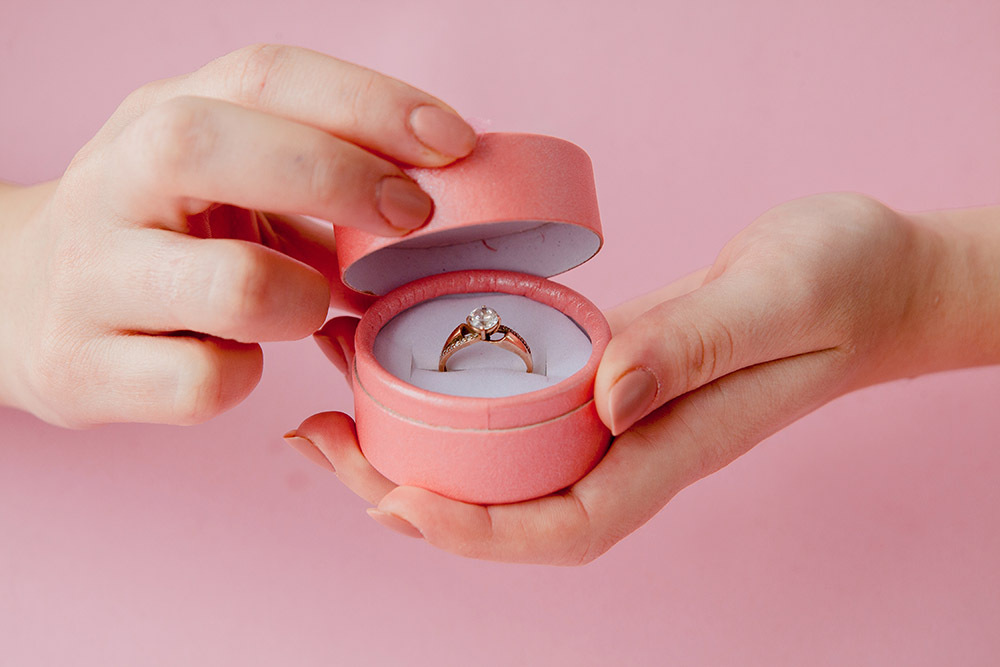
Stones with a longer vertical axis do the most visual work on petite hands. A marquise or pear cut draws the eye along the finger rather than across it, and an oval shaped diamond ring does the same with a softer outline. GIA notes that these elongated forms accentuate finger length because of their north-south orientation.
The moval, a hybrid between marquise and oval, has become one of the most requested shapes heading into 2026. Paired with a band thinner than 2mm, any of these cuts can sit proportionally on a smaller hand without overwhelming it.
Round and Princess Cuts Still Work
Elongated stones get the most attention in conversations about small hands, but round brilliant and princess cuts belong in the discussion too. GIA includes both among the cuts that suit petite fingers well. The round brilliant has consistent sparkle from all angles and sits symmetrically on the finger without extending too far in any direction. A princess cut, being square, occupies a compact footprint while still delivering strong visual weight.
The key with either of these is keeping the carat count moderate and the band slim. A 0.75 carat round brilliant on a 1.6mm band will look intentional and balanced on a smaller hand, where a larger stone on a thicker band would tip the scale.
Keep the Setting Simple
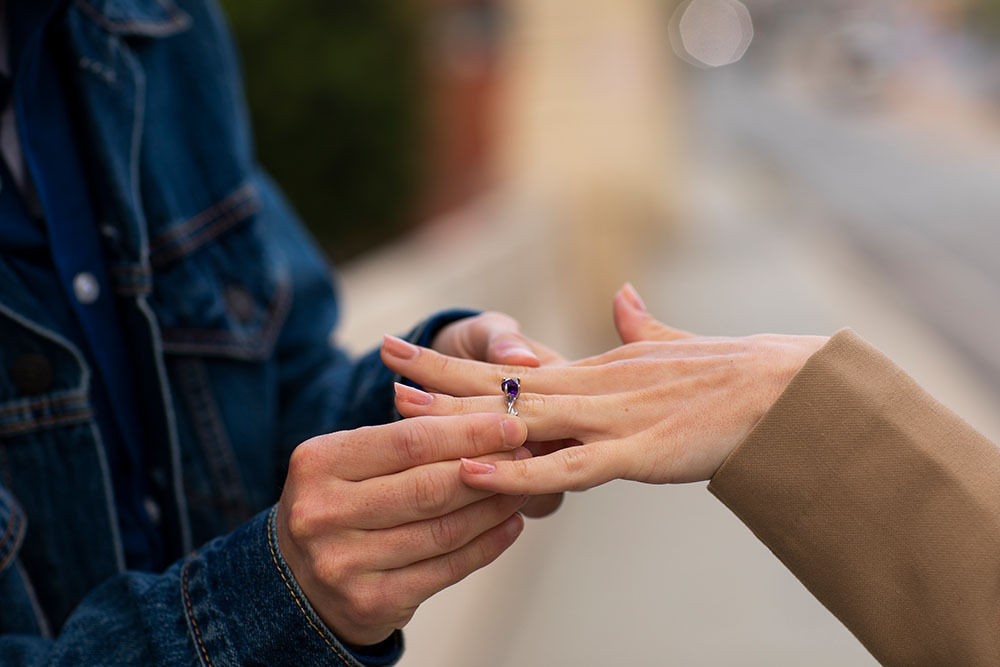
GIA makes a point worth paying attention to: complicated ring designs can be distracting on petite fingers and may make the hand appear smaller. A solitaire setting or a thin pave band gives the stone room to do the work. When you start layering in thick halos, split shanks, and heavy metalwork, the ring starts to visually compete with the hand itself.
That said, some detail works fine if it stays proportional. A delicate bezel or a low-profile cathedral setting adds character without adding bulk. The goal is for the ring to sit close to the finger and keep its footprint contained.
Trending Styles That Suit Petite Hands
Going into 2026, toi et moi rings are among the most searched and saved engagement ring styles. These two-stone designs can work on smaller hands if the stones are modest in size and set close together. A pair of smaller pear or oval stones placed side by side in a toi et moi arrangement creates length along the finger and avoids the bulkiness of a single oversized center stone.
Mixed metal rings are also gaining traction, combining yellow gold with platinum or white gold. For petite hands, the contrast between metals can add visual interest to a simple, slim band without relying on extra stones or complicated settings.
Art Deco and Edwardian styles are making a return as well, with geometric lines, filigree, and milgrain borders showing up in 2026 ring trends. These vintage-influenced details tend to be finely executed, which makes them a natural fit for smaller fingers. The emphasis in these designs falls on craftsmanship and precision rather than sheer size.
What to Avoid
Wide bands, chunky settings, and oversized stones are the most common mistakes with smaller hands. A band wider than 2mm will shorten the appearance of the finger. A stone that extends past the edges of the finger creates a top-heavy look that throws off the proportions of the entire hand. Heavily layered halo settings can have a similar effect.
If you prefer a halo, choose one with a single row of small stones rather than a double or triple halo. The outline should add definition to the center stone, not compete with it.
Practical Tips Before You Buy
Try rings on in person whenever possible. Band width, stone height, and setting style all feel different on the hand than they look in photos. Pay attention to how the ring sits when your hand is relaxed at your side, not held up in front of your face. That resting position is how you will see it most of the day.
Ask about low-profile settings if you work with your hands often. A stone that sits too high above the band will catch on things and feel cumbersome, regardless of how it looks. For small hands, a lower profile also keeps the visual weight closer to the finger, which reinforces proportion.








 Connect with Facebook