




Mattel Just Dropped The First Autism-Representing Barbie & It’s Actually Thoughtful AF
Okay, major moment in doll history
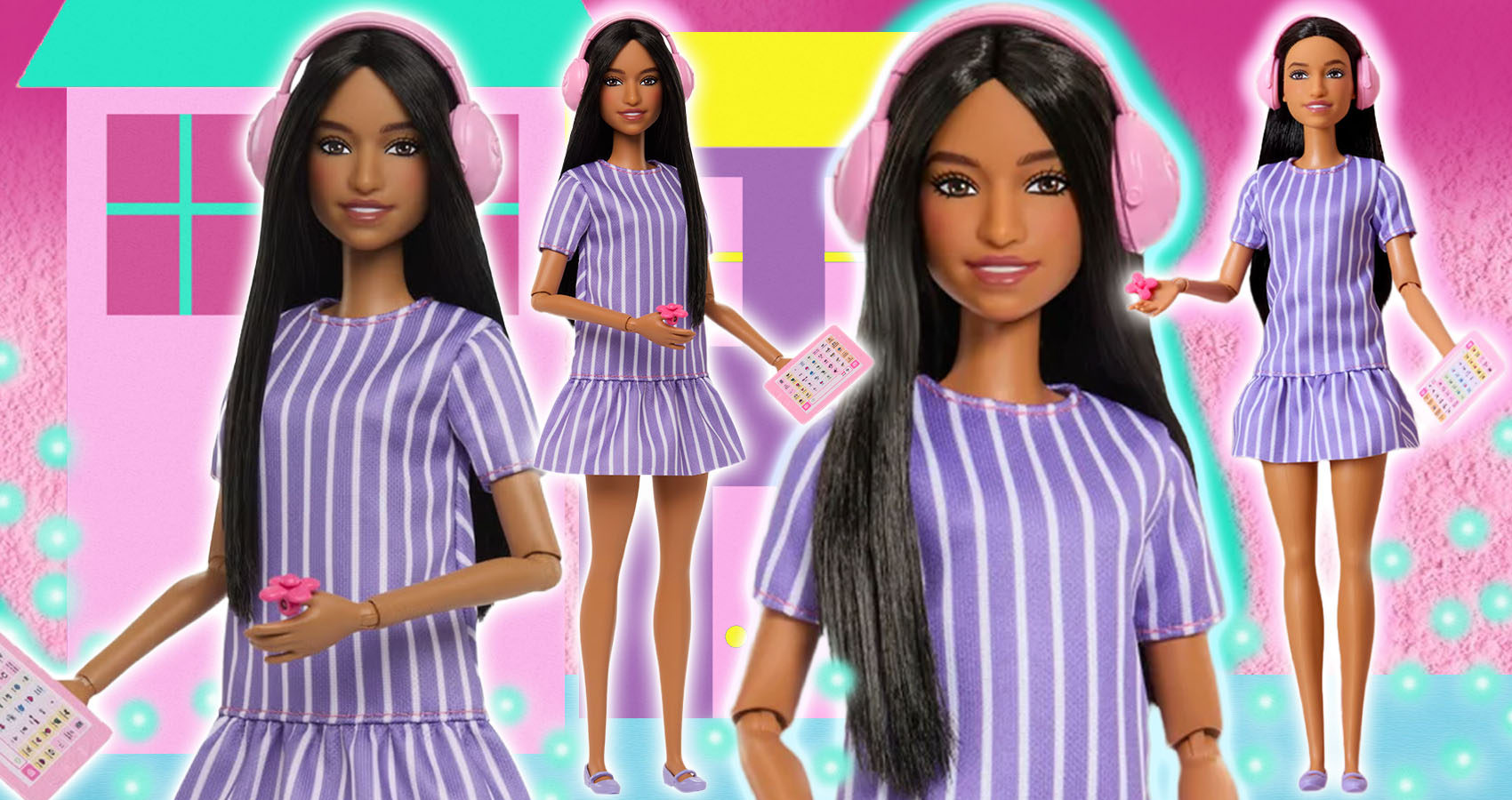
Mattel officially launched the very first Barbie designed to represent autism. She’s joining the Fashionistas line — the same crew that’s been quietly stacking up inclusive dolls since 2019 (Down syndrome, blindness, vitiligo, type 1 diabetes, wheelchair users, you name it).
The whole point? More kids get to see someone who moves, communicates or experiences the world the way they do — and everyone else gets a little window into what that might feel like. They didn’t rush this one. The whole process took over 18 months and happened in real partnership with the Autistic Self Advocacy Network (ASAN), an org actually led by autistic people. That matters.
It kept the design from sliding into stereotype territory and focused instead on real, common experiences around sensory stuff, communication styles and self-expression. Mattel’s line is basically: let’s make neurodiversity part of the playroom so kids feel seen and everyone else learns a bit of empathy along the way. Here’s what makes her stand out:
Physical details
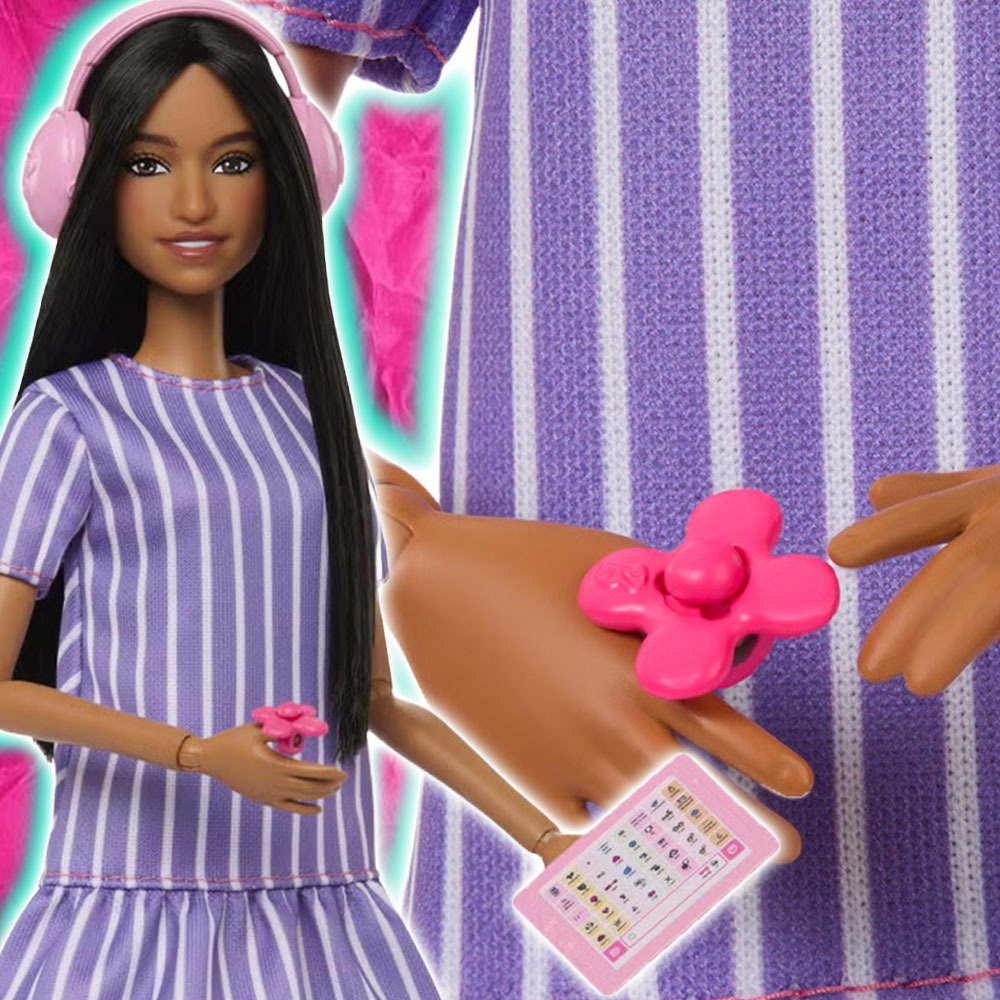
• Her eyes have a gentle sideways glance — a nod to the fact that eye contact can feel overwhelming or just not the default for a lot of autistic people.
• Fully bendy elbows and wrists so she can actually do hand-flapping, rocking or other stims that help with regulation or joy.Accessories (all pink, obviously)
• Noise-canceling headphones for when the world gets too loud.
• A working fidget spinner that actually spins.
• A little tablet styled like an AAC (augmentative and alternative communication) device, complete with symbol-based interface — huge for nonverbal kids or anyone who communicates differently.
Outfit vibes
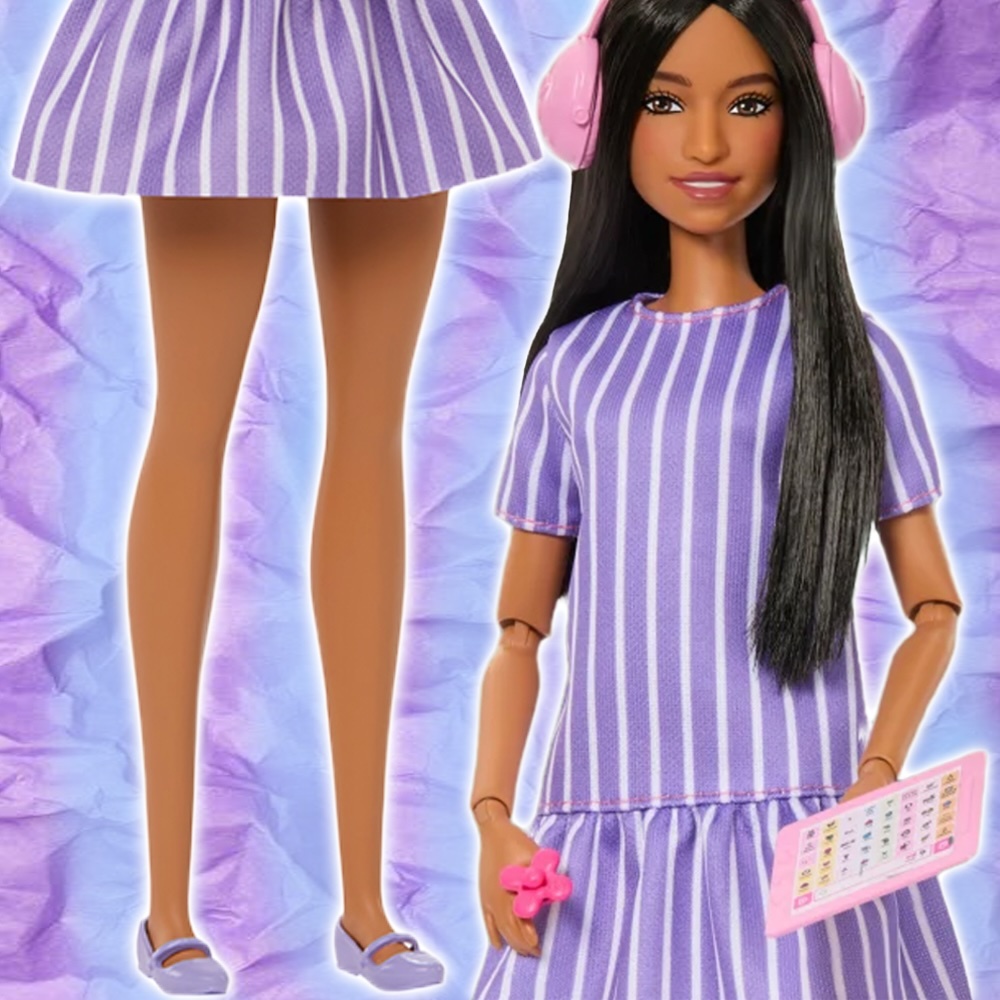
• Loose, flowy purple-striped dress and skirt in soft fabric (zero scratchy nonsense).
• Flat, comfy shoes — because sensory comfort > high heels. The autistic community gave direct input the whole way through, so the goal was “authentic and joyful” representation, not a token gesture. Kids can play out real moments — sensory breaks, stimming, alternative communication — and it all feels natural. She’s Fashionistas #245, priced at a very reasonable $11.87 suggested retail.
She dropped immediately on Mattel’s site and at Target, with bigger rollout (including Walmart) coming March 2026. She joins a Fashionistas family that now has over 175 different looks covering tons of bodies, skin tones, hair textures and abilities. People are calling it a genuine step forward. Advocates say it helps normalize autism for little kids and pushes better representation across media.
There’s even research (like stuff in the Journal of Autism and Developmental Disorders) showing that diverse toys can genuinely boost empathy and self-image for neurodiverse children. So yeah — this isn’t just another doll.
It’s Mattel saying: every kid deserves to see themselves in the story.








 Connect with Facebook