




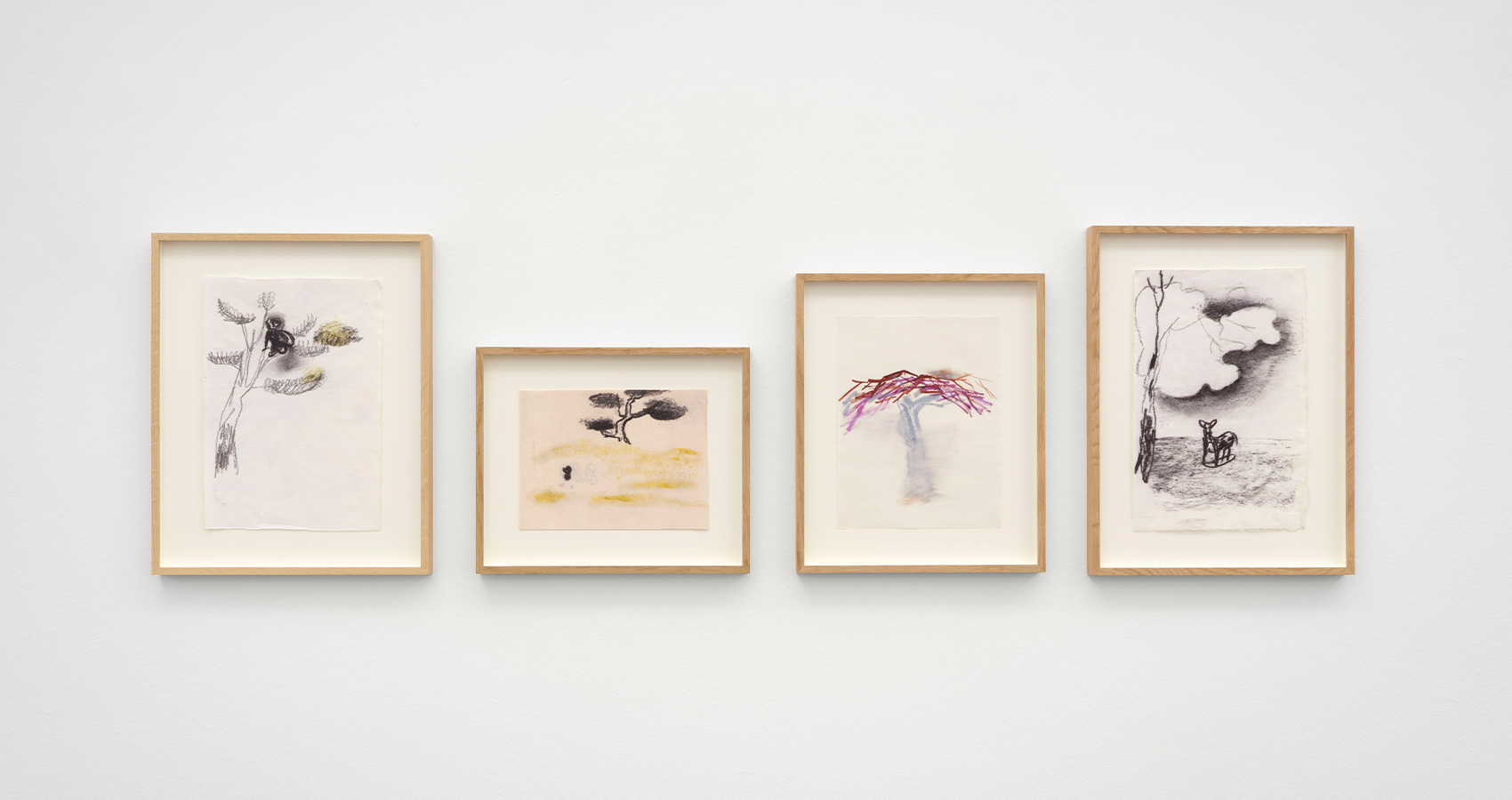
Back When Tigers Used to Smoke: The Artist Reimagining Korean Cultural Memory
Memory rarely survives the journey unchanged.
For an artist who has moved from Korea to Munich, it becomes something fluid, shaped by translation, distance and the passage of time. In Back When Tigers Used to Smoke, familiar elements of Korean folklore return in unexpected forms, somewhere between personal history and imagination.
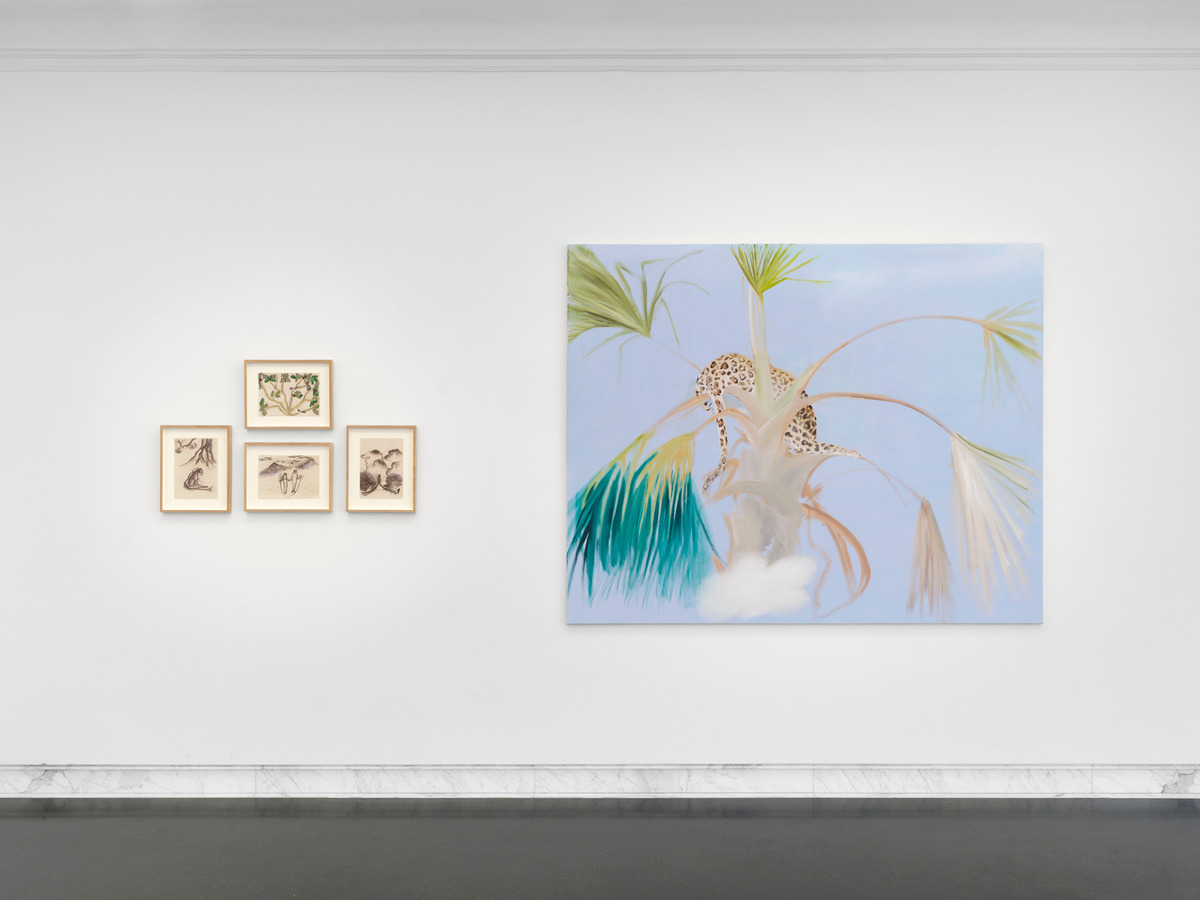
The exhibition's title draws on the Korean fairy-tale expression “back when tigers used to smoke,” a phrase that places a story in a distant, almost mythical past. But for the artist, the past is never quite fixed. Memories shift as they move between languages and places, taking on new emotional contours along the way.
Between Languages and Memories
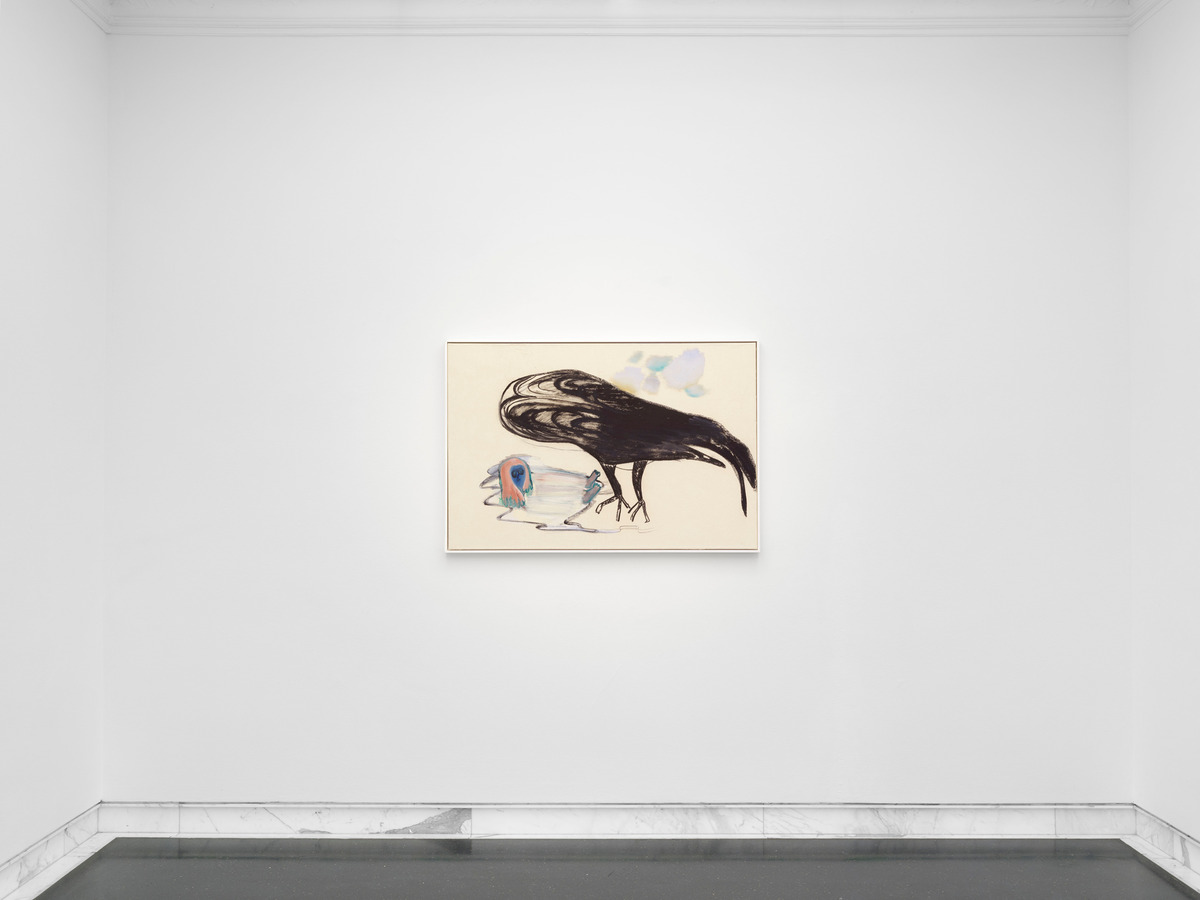
Moving from Korea to Munich changed more than the artist's surroundings. The transition from Korean into German also altered the way certain experiences were remembered and understood. Feelings formed in one language could acquire a different texture in another, with some details fading while others became unexpectedly sharper.
Rather than treating memory as an archive, the artist sees it as something alive, continually rewritten by the present. By the time an experience reaches the canvas, it is no longer a documentary record of the past. It has become a new emotional landscape, shaped by everything that has happened since.
This uncertainty also informs the paintings' recurring tiger imagery. Deeply familiar within Korean visual culture, the tiger carries cultural memory while refusing to settle into a single meaning. The artist is particularly drawn to haehak, a Korean form of humor that can soften seriousness and turn something powerful slightly sideways. In Korean folk imagery, the tiger can be majestic and ridiculous at once. That contradiction allows it to move between familiarity and strangeness, cultural inheritance and personal invention.
What Lies Behind the Image
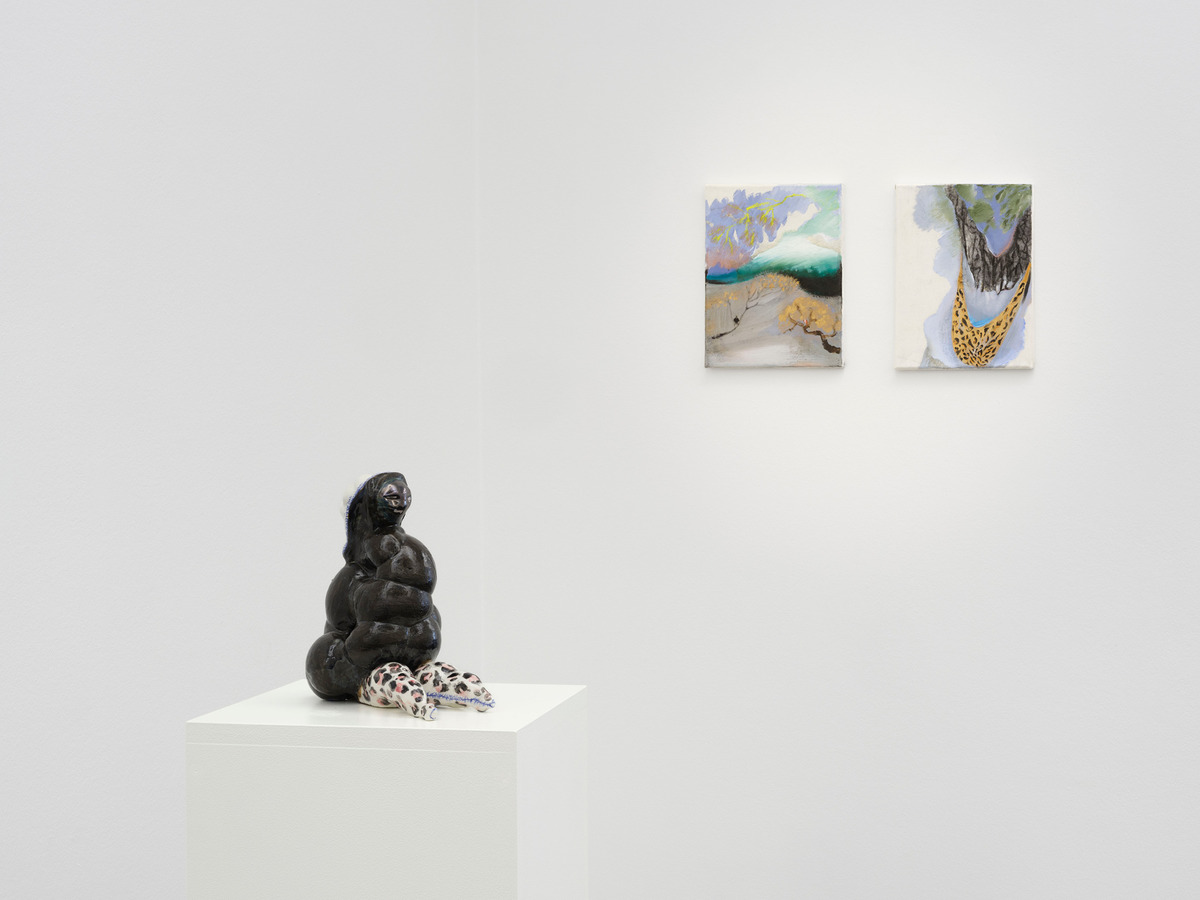
Another important idea in the artist's practice is Hintergrund, a concept introduced by Günther Förg. It describes both the physical background of a painting and the psychological ground from which an image emerges.
Initially, Korea and Europe seemed like separate influences. After many years in Germany, however, the artist no longer sees them as distinct experiences. Both have become inseparable from the way they see, think and paint. Hintergrund is therefore more than the biography behind the work. It is the accumulated presence of memory, culture, instinct and experience that makes each painting possible.
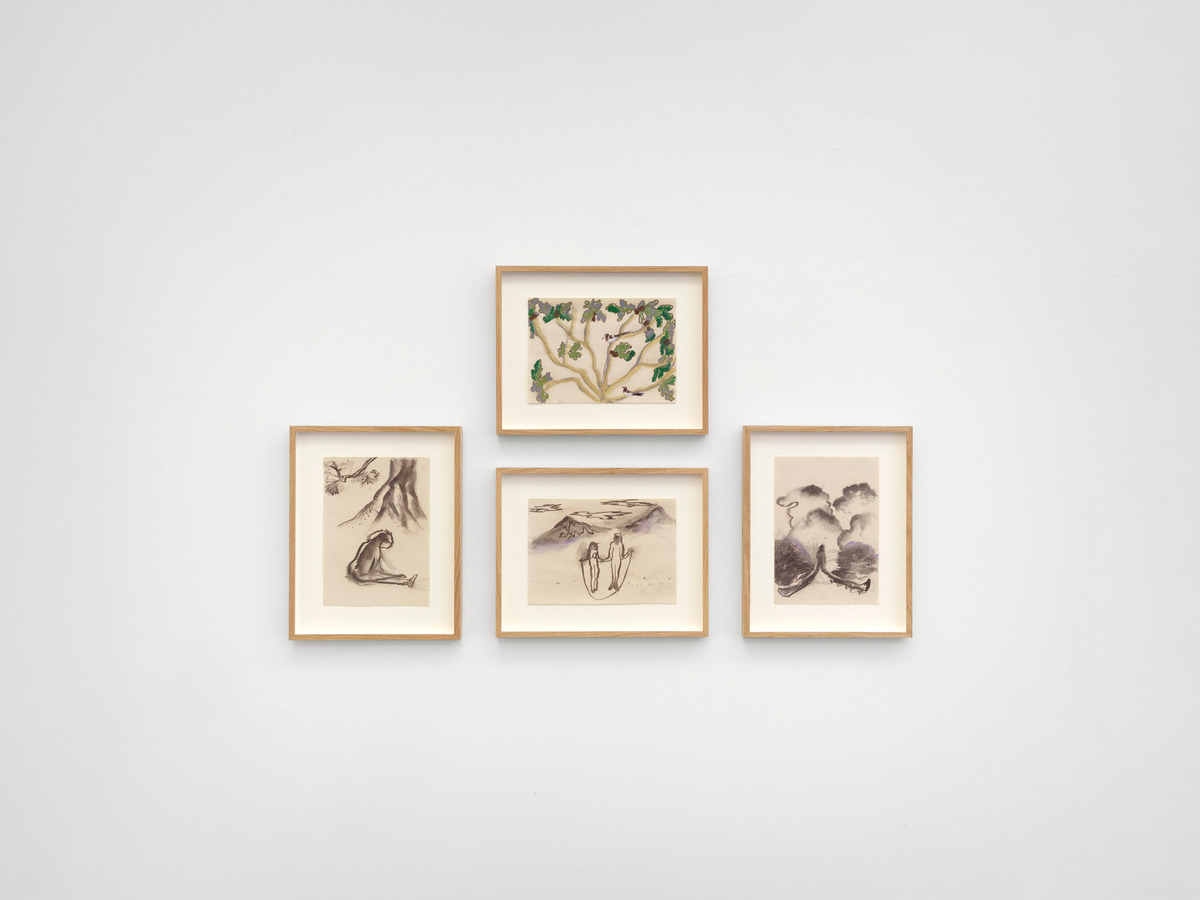
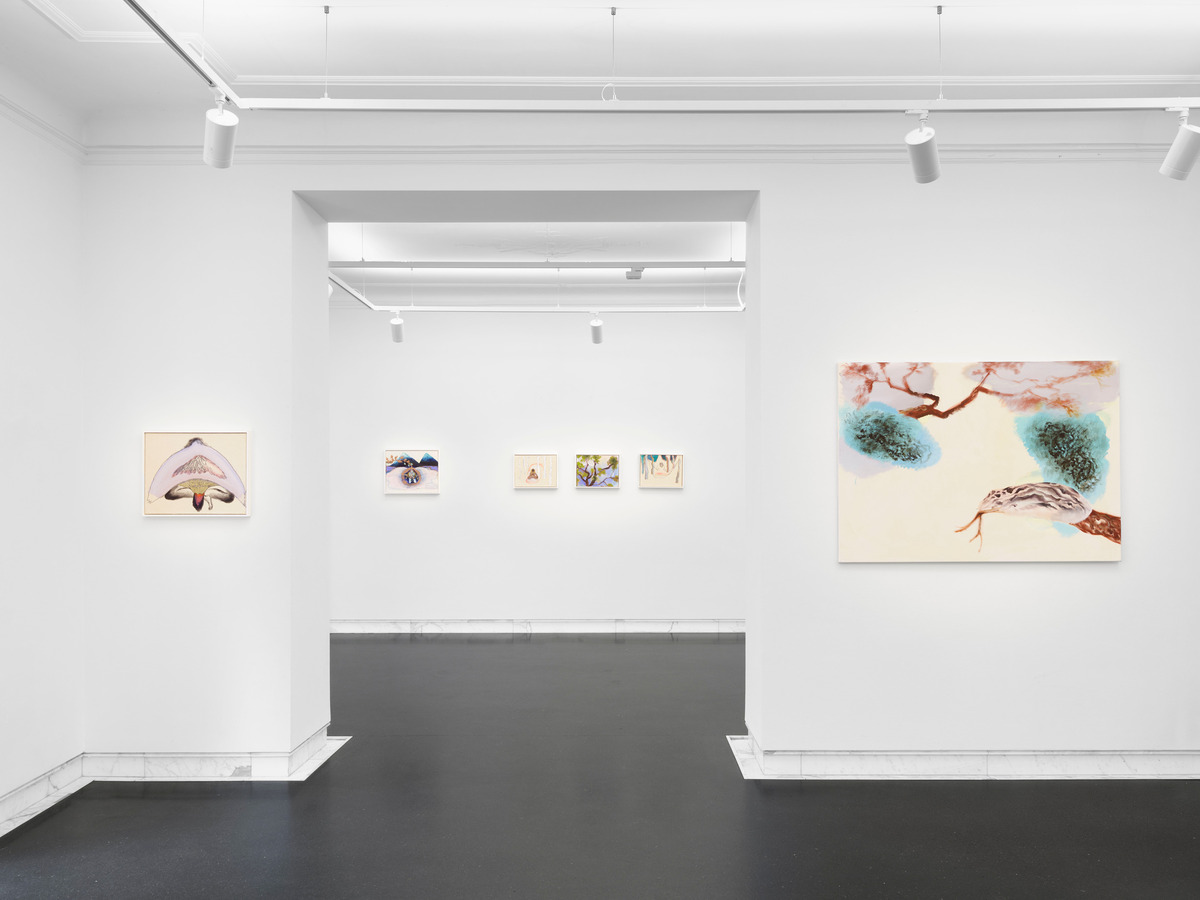
Material plays an equally important role. The artist incorporates hanji, traditional Korean paper, allowing its fibers, folds and irregularities to remain visible. Rather than treating the paper as a neutral surface, they respond to its physical behavior. Paint can sink into it, catch on a fold or settle against the edge of a fiber, making the material an active participant in the image.
Even the areas left untouched have a purpose. These spaces function as pauses, allowing the composition to breathe. A fold or subtle change in texture can suggest distance, atmosphere or an entire landscape without relying on conventional perspective. The paper brings its own sense of time, space and fragility before the artist adds anything to it.
A Past That Remains Unwritten
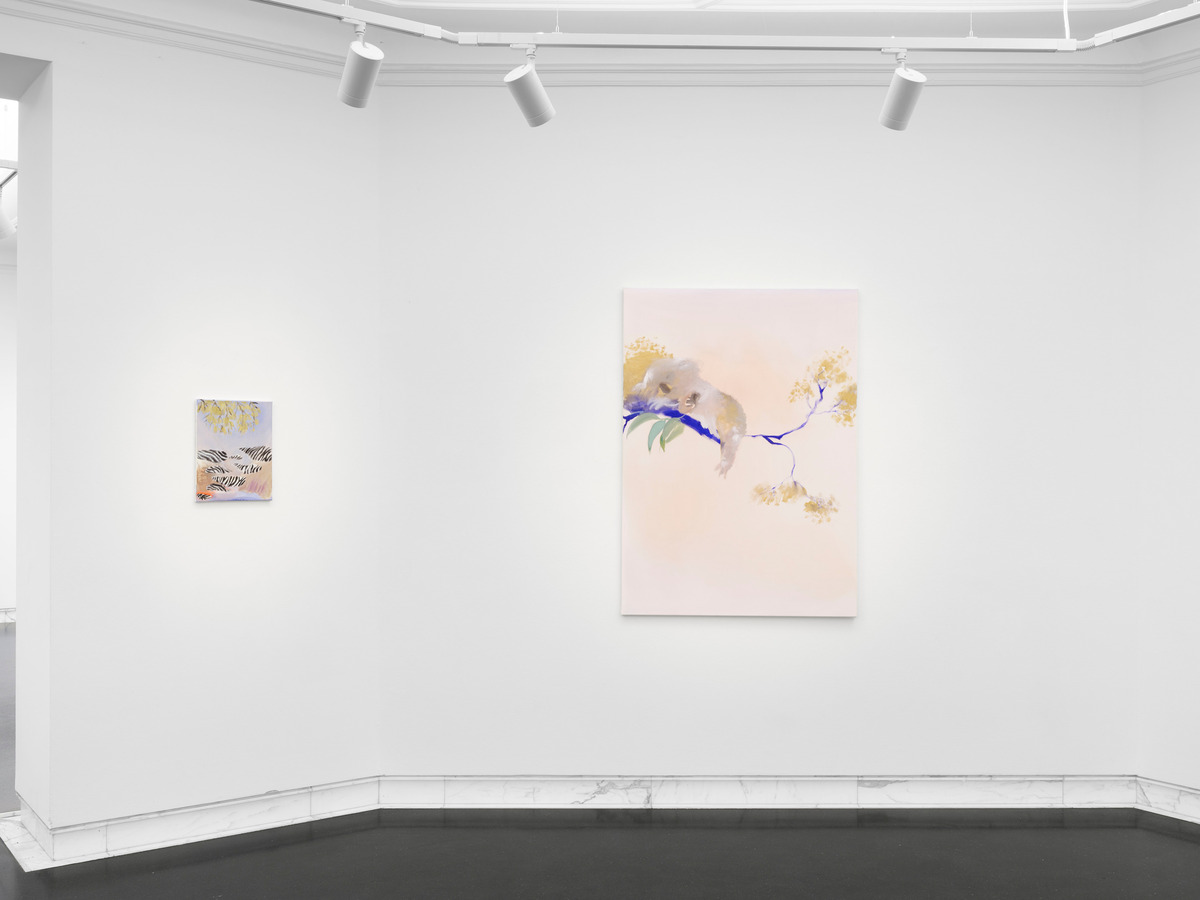
For the artist, painting from cultural memory is ultimately about transformation rather than preservation. They are not trying to reconstruct an original Korean past, but to discover what remains, what disappears and what new forms emerge when inherited culture passes through an individual life.
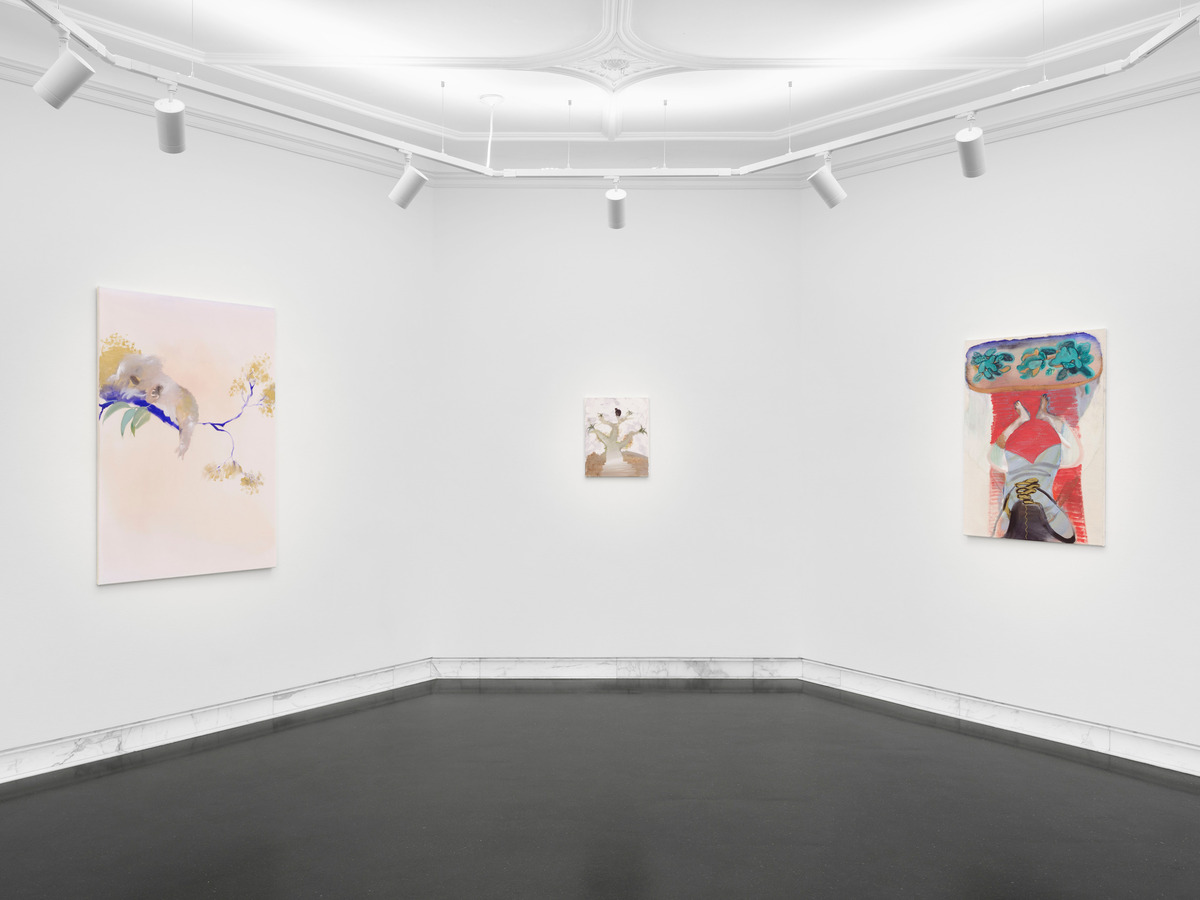
What they hope to retain is a particular kind of humor: the ability to approach serious things with warmth, lightness and a sideways glance. It is not simply a visual flourish, but a way of seeing.
That is what makes Back When Tigers Used to Smoke such an evocative title. It points towards the past without locking the paintings inside it. Like the beginning of a fairy tale, it opens a door. What comes next remains unwritten.









 Connect with Facebook