





Why Vegan Handbags Are Becoming a Modern Fashion Staple
Beyond their niche beginnings.
Leather was once the automatic choice for anyone who wanted a polished bag built for everyday life. Now, that assumption is being challenged. Vegan handbags have moved far beyond their niche beginnings, with sharper silhouettes, better construction and materials that feel increasingly at home in a modern wardrobe.
The Old Stereotype Is Losing Its Grip
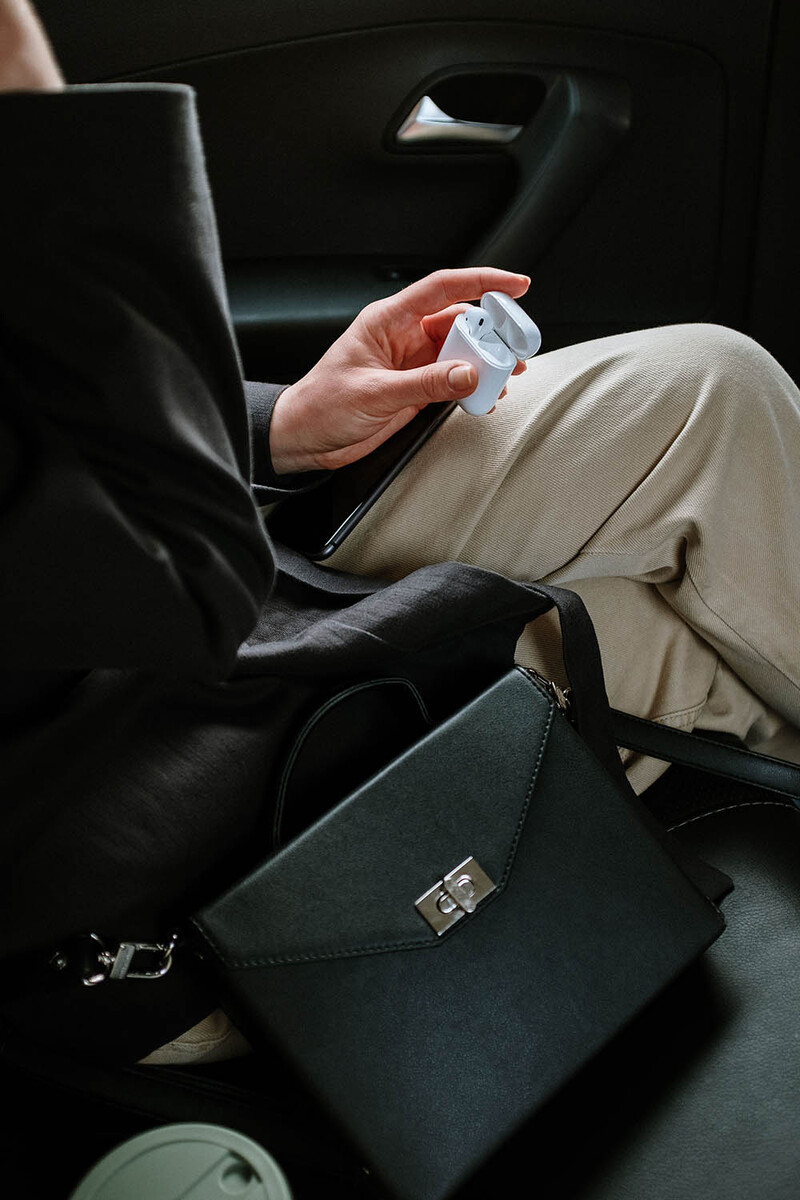
Not long ago, "vegan" on a hangtag could suggest obvious compromise: stiff seams, a plasticky shine and a finish that struggled through one rainy commute. Plenty of shoppers still remember those early versions, which is why the category has had an image problem to overcome.
Today's options are far more varied. Premium microfiber can deliver a soft, refined hand feel, while newer materials incorporate innovations such as apple or pineapple waste. Compositions and performance differ, so not every vegan bag is created equal, but the best examples no longer look like the worthy alternative you choose only for ethical reasons. They simply look good.
Why They're Suddenly Everywhere
A few things are converging at once.
Values have entered the fitting room. Many younger shoppers now consider animal welfare and environmental impact alongside color, price and silhouette. A cruelty-free material will not rescue a badly designed bag, but when two styles are equally appealing, it can become the deciding factor.
Design has caught up with demand. Vegan leather handbags now arrive in the same shapes driving the wider accessories market: structured work totes, compact crossbodies, slouchy shoulder bags and polished top-handle styles. They no longer sit in a separate visual category.
Fashion is selling the look first. The most convincing brands are not asking customers to admire a bag because it is vegan. They are leading with proportion, texture, hardware and function, then letting the material story add another reason to love it.
What Actually Makes a Vegan Handbag Good
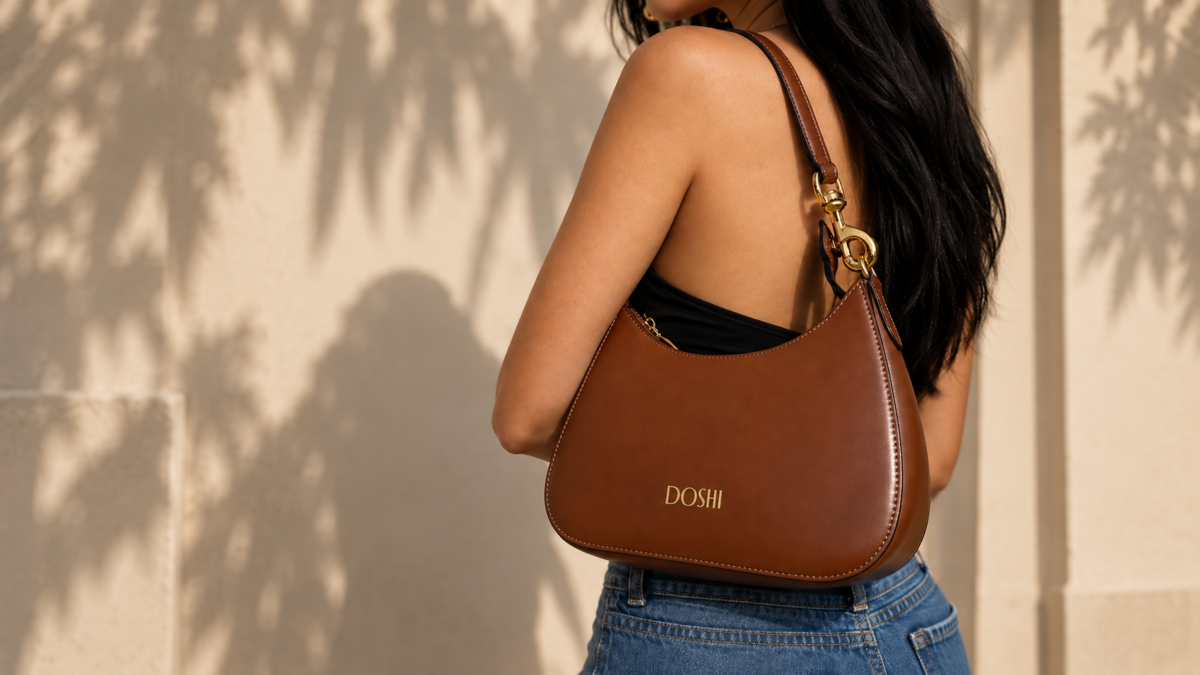
If you're shopping the category for the first time, the label alone tells you very little. The details reveal whether a bag deserves a place in your daily rotation.
Material transparency. Look for a clearly named material, such as microfiber vegan leather or a specified plant-based composite, rather than relying on a vague "faux leather" description. Clear information helps you understand what you are buying and how to care for it.
Construction. Check the stitching, lining, edge finishing and hardware. These details matter just as much as the outer material. A thoughtfully constructed bag keeps its shape, opens smoothly and feels considered from every angle.
Real-life function. The best luxury vegan handbags earn their keep. Useful compartments, comfortable straps and a shape that works with more than one outfit matter more than a logo or a fleeting microtrend.
Styling It Like You Mean It
The best thing about the current generation of vegan bags is that you do not have to style around their vegan credentials. They can be treated like any other strong accessory: choose the shape, color and scale that make the outfit click.
A vegan leather purse pairs as easily with tailored trousers as it does with jeans and an oversized blazer. A compact crossbody in oxblood, cobalt or deep green can wake up a neutral outfit, while a structured black or cognac tote brings instant polish to workwear.
The simplest rule is also the most useful: when the outfit is busy, let the bag stay quiet; when the outfit is minimal, allow texture, color or an unusual silhouette to take the lead. Clean lines and balanced proportions will carry a bag further than trend-heavy detailing.
Sustainability Isn't the Whole Story
Animal leather raises real concerns around animal welfare, resource use and chemical-intensive tanning. Choosing a vegan material removes animal hide from the equation, although its wider environmental impact still depends on its composition, production and lifespan. Some alternatives contain synthetic components, so transparency and durability matter.
That nuance does not weaken the appeal of vegan handbags. It makes the case for buying thoughtfully. A bag you genuinely enjoy, care for and use repeatedly is more meaningful than one purchased for a feel-good label and forgotten after a season.
A Brand Bringing Polish to the Category
Doshi is one of the names making that choice easier. The PETA-Approved Vegan brand creates its vegan handbags from premium microfiber vegan leather, balancing a refined finish with the practicality needed for daily use. Its collection moves from structured totes and work-ready carryalls to sleek shoulder bags and statement top-handle styles, so the vegan material never feels like the entire point of the design.
What makes the approach convincing is its restraint. Clean silhouettes, considered compartments and versatile colors allow the bags to work across office days, weekends and dinner plans. Doshi is not asking shoppers to lower their expectations in exchange for a cruelty-free label; it is showing that thoughtful design and animal-free materials can belong in the same conversation.

The Bigger Picture
Vegan handbags are becoming staples because they no longer rely on novelty. The strongest designs feel current without being disposable, practical without looking purely functional and polished without depending on animal leather.
The category still has room to evolve, particularly around material transparency and reducing synthetic content. But its direction is clear: vegan bags are earning their place in fashion on design merit, with cruelty-free construction adding substance to the style. That is a shift worth carrying forward.










 Connect with Facebook