




Vita Wants You To Expect The Unexpected
Vulnerability and intensity of looking someone in the eye.
Vita is sitting in Mexico City, surrounded by a production team preparing the first music video for her new album. She is dressed casually, which feels almost suspicious considering the universe she is building around Opia.
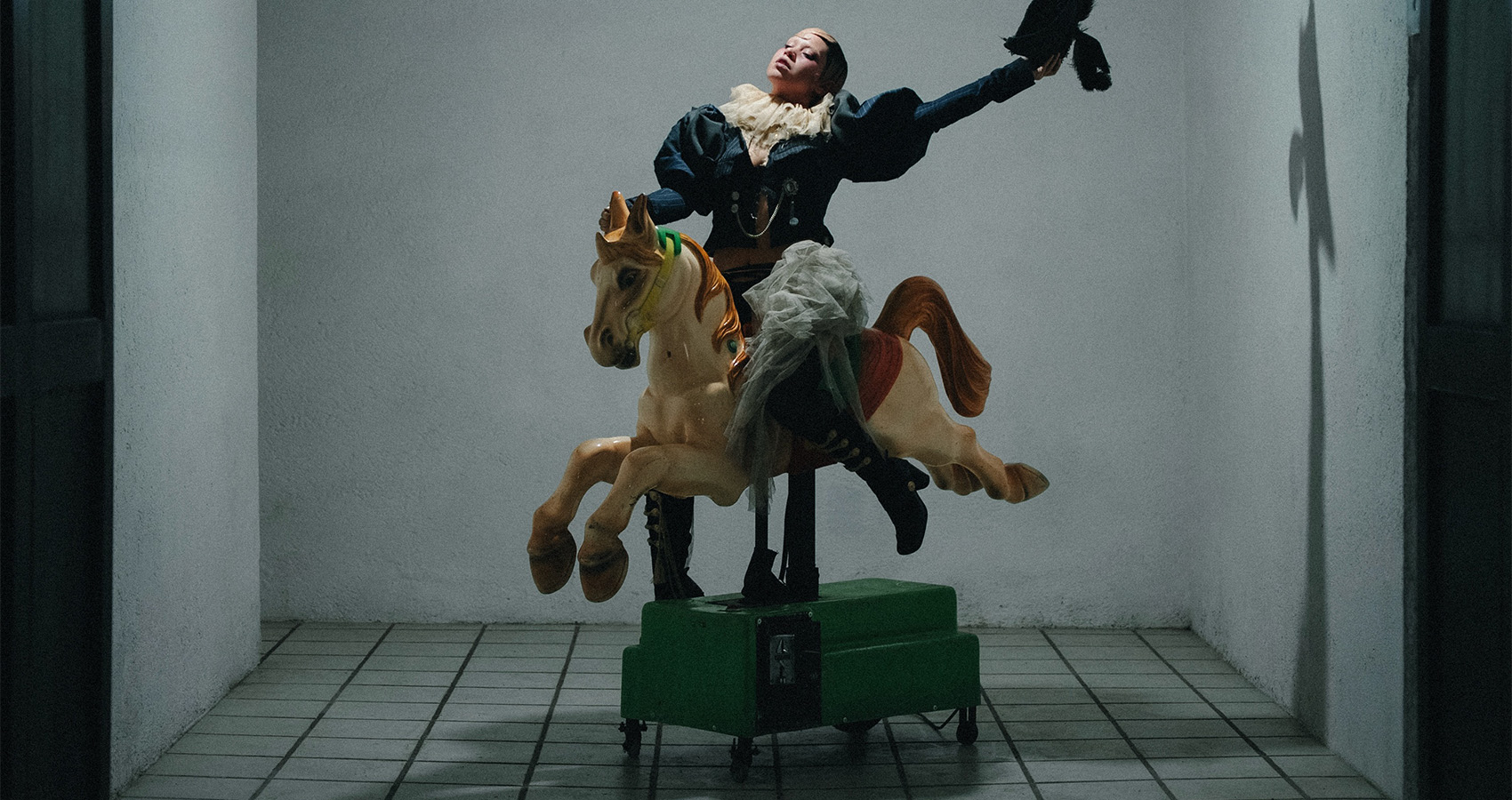
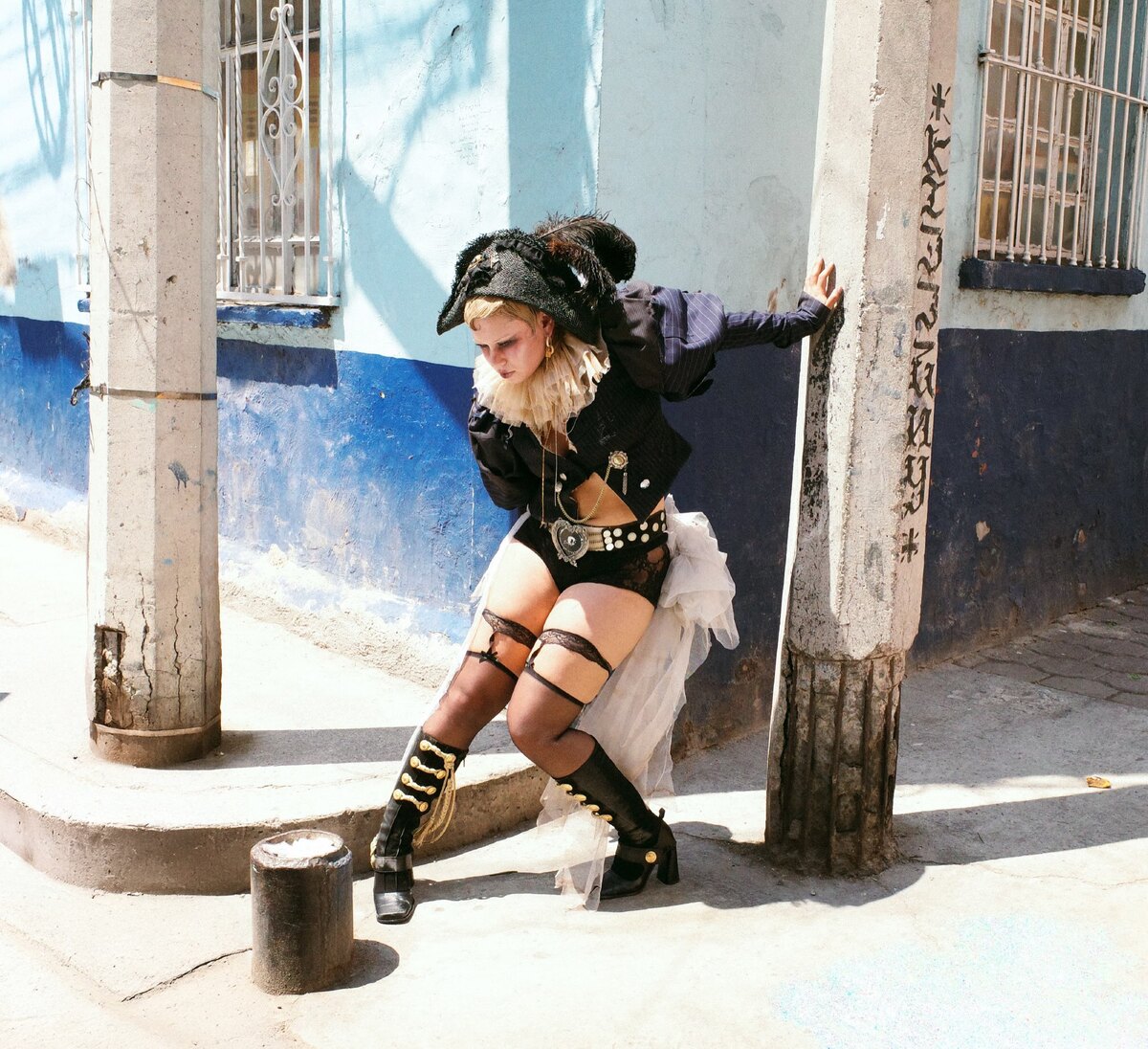
There are mechanical horses, pirate hats, Victorian clown references, burnt-out characters, camp, electronic music, and enough visual research to fill several lifetimes. But beneath all the theatricality is something much more intimate: Vita is finally looking directly at herself.
Meet Yourself in the Mirror
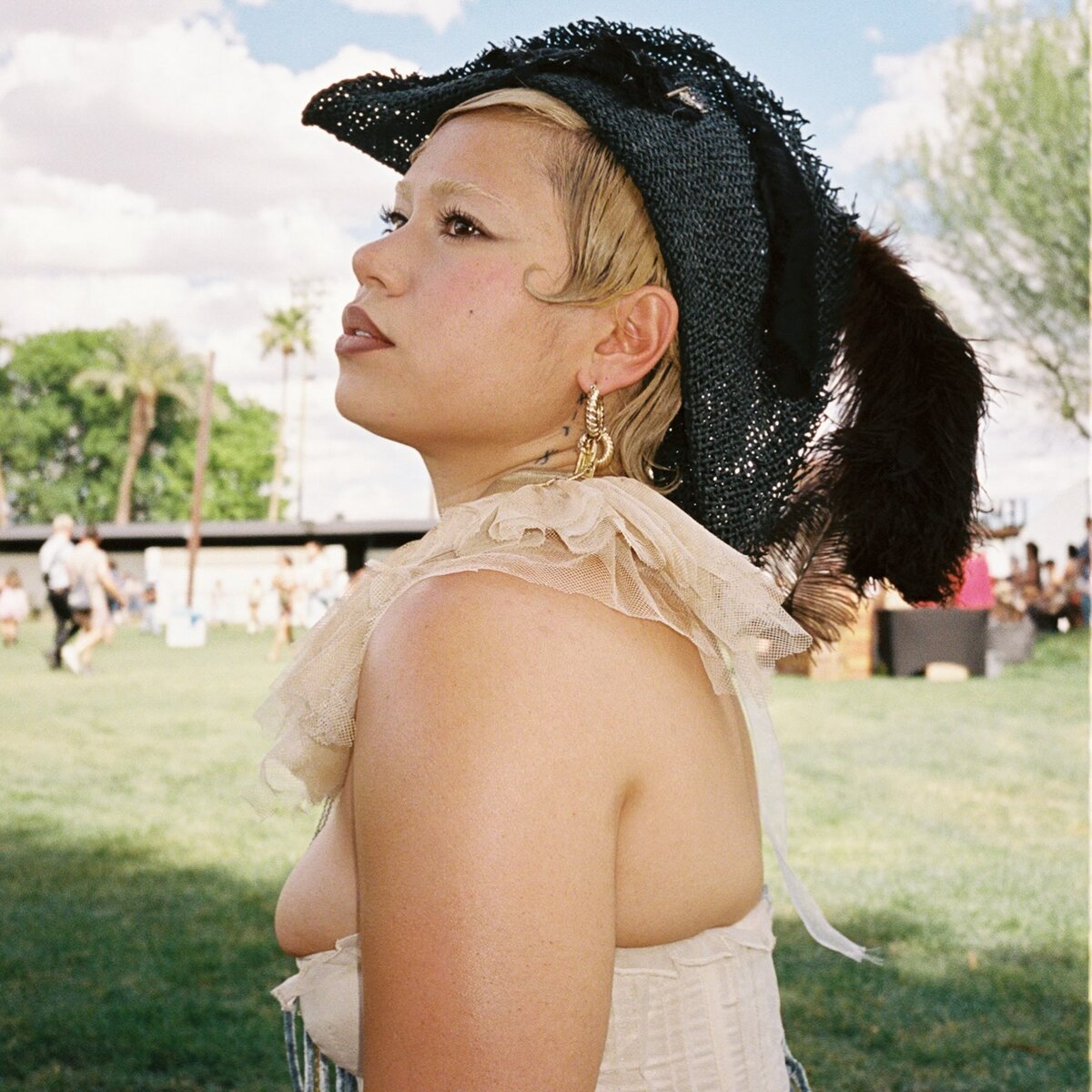
At the centre of Opia is the uncomfortable act of being seen. The album’s title refers to the vulnerability and intensity of looking someone in the eye, an idea Vita connects to the way she once avoided being truly seen, even by herself. “I think the whole point of Opia is like, look at yourself and maybe think about why you're afraid to be seen,” she explains. Where her previous music could feel outward-facing, this record turns inward, confronting the things she has been ashamed to say aloud.
That honesty begins with “Pleaser,” a love letter to Vita’s past selves. Written while navigating her Saturn return and approaching 30, the song came from realizing how little grace she had extended to herself. She describes it as a letter to all the “shitty people” she has been in the past, because becoming an adult apparently means accepting that every version of you gets to come along for the ride. Opia refuses the cleaner version of self-discovery. Vita wants the self-indulgent person and the people pleaser, the sexy woman and the deeply depressed one, the performer and the vulnerable person underneath, to exist simultaneously.
A Circus for the Uncomfortable
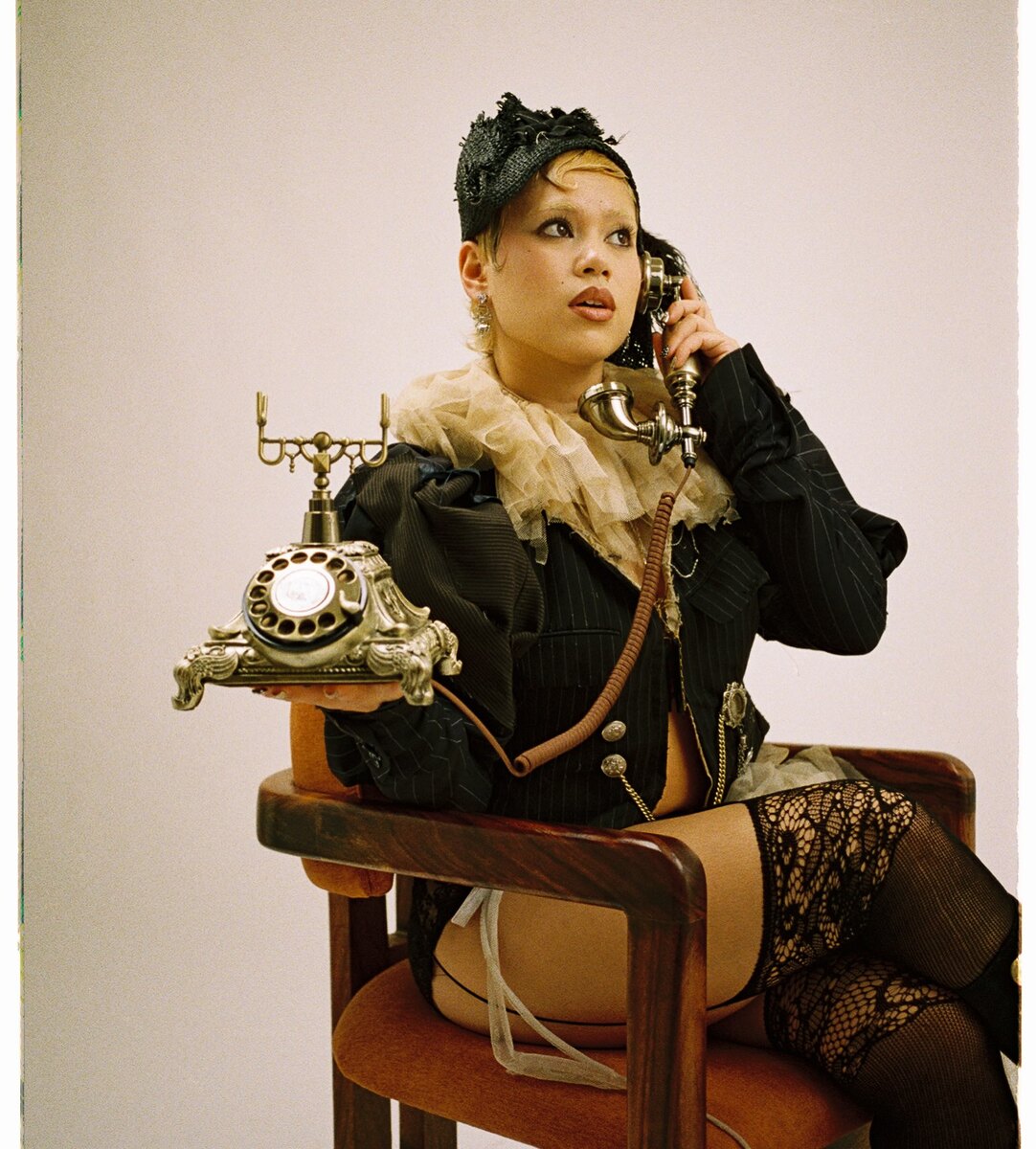
Visually, that contradiction becomes almost surreal. Vita describes her aesthetic as “Victorian meets clown,” drawing from musical theatre, opera, ballet, queer cinema, punk, fashion and the theatricality of artists like FKA twigs and Tyler, the Creator. She researches obsessively, building mood boards upon mood boards until the character begins to emerge. The result is deliberately far removed from Vita herself: grungy, strange, exhausted, glamorous and slightly unsettling, like a circus performer who has been wandering the streets of 1950s New York for several days.
Even the mechanical horse has a job. Harold, Vita’s self-described love of her life, becomes a symbol of responsibility throughout the album’s visuals. Inspired by the Australian phrase “fuck you and the horse you came in on,” Vita turned the joke inward: what if she is the horse she rode into all those situations? The answer is an uncanny visual world populated by exaggerated versions of herself, moving through the consequences of her own history.
Radical Honesty, With a Little Glitter
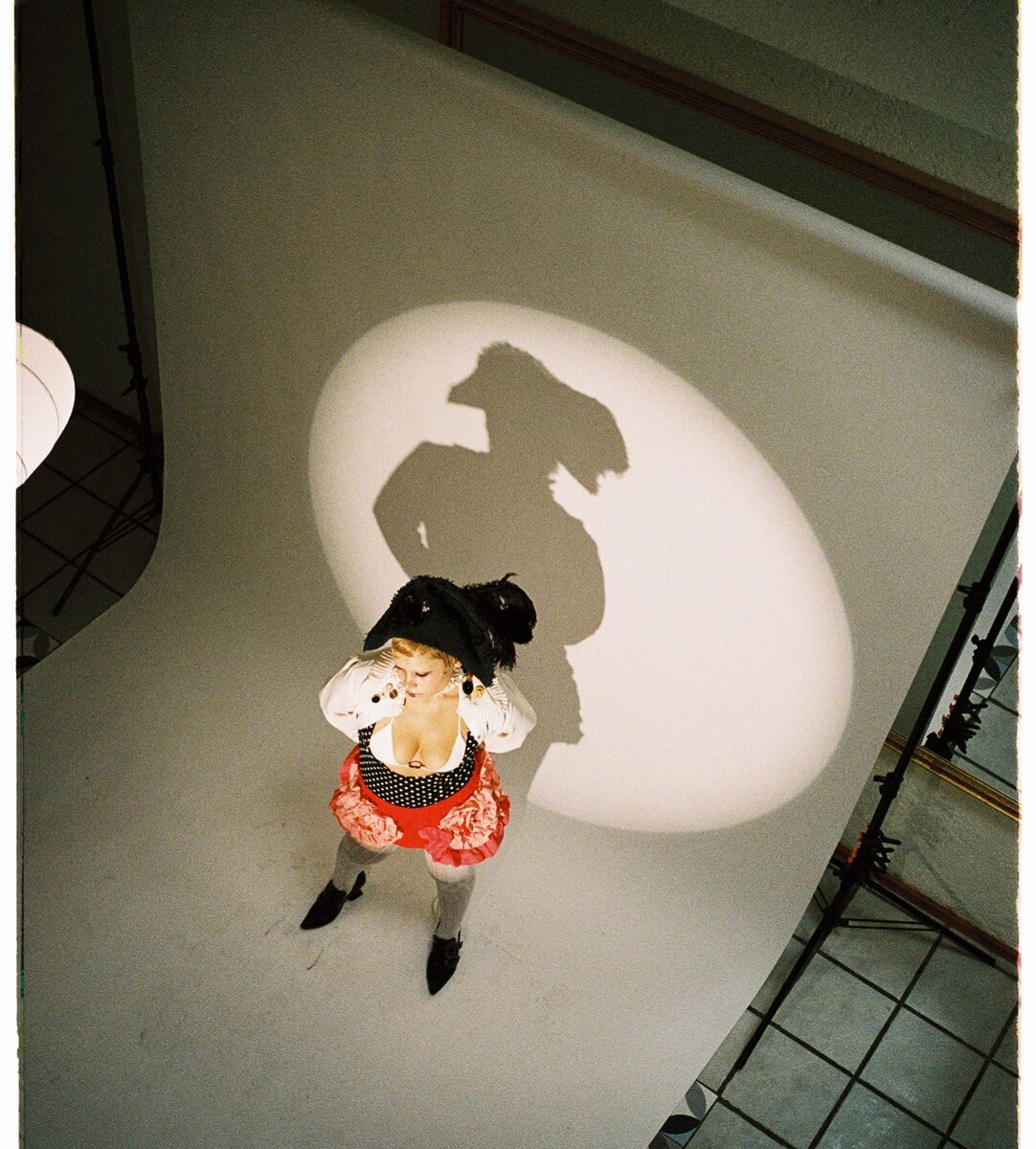
For all its camp and spectacle, Vita’s creative philosophy is remarkably simple: tell the truth and see what survives. She describes making the album as a process of shedding, during which many people she once imagined would remain in her life disappeared. She also describes a period when she became deeply depressed and refused to let anyone help her. Writing became the mechanism through which she could finally say what was happening.
That honesty has already created the kind of intimacy she wanted from the record. After playing the album for a longtime friend, he called her and began telling her things about his own life that she had never known. They cried together. For Vita, that was proof that the music was doing what it was supposed to do: making people lower their guard. “If this kind of honesty can inspire these type of conversations,” she says, “then I think I've done the right thing.”
And perhaps that is the real trick of Opia. Vita does not want vulnerability to arrive quietly. She wants it dressed up, distorted, made theatrical and occasionally ridiculous. She wants the melodies to pull you in before the lyrics reveal what is underneath. She wants to make something fun and sexy and completely fucking depressed at the same time. Because people are complicated, and apparently so is pop music.
“Expect the unexpected,” Vita says when asked how she would introduce herself to someone unfamiliar with her work. It is less a tagline than a warning. This world may be worth entering, but she does not want anyone getting too comfortable here.
There is always another character, another genre, another universe waiting behind the curtain.









 Connect with Facebook