




What Sets Premium Assisted Living Apart From Standard Senior Care
What really sets high-end care apart from standard options.
Selecting the right senior care option shapes an older adult's daily experience for years to come. Many families assume that every community offers roughly the same services, but that assumption rarely holds up after a thorough tour. Upscale assisted living follows a different model, placing individual attention, purposeful programs, and clinical depth at the heart of daily life. This article walks through the real differences between high-end and standard facilities, giving families sharper tools for comparison.
Personalized Care Planning Over Generic Protocols
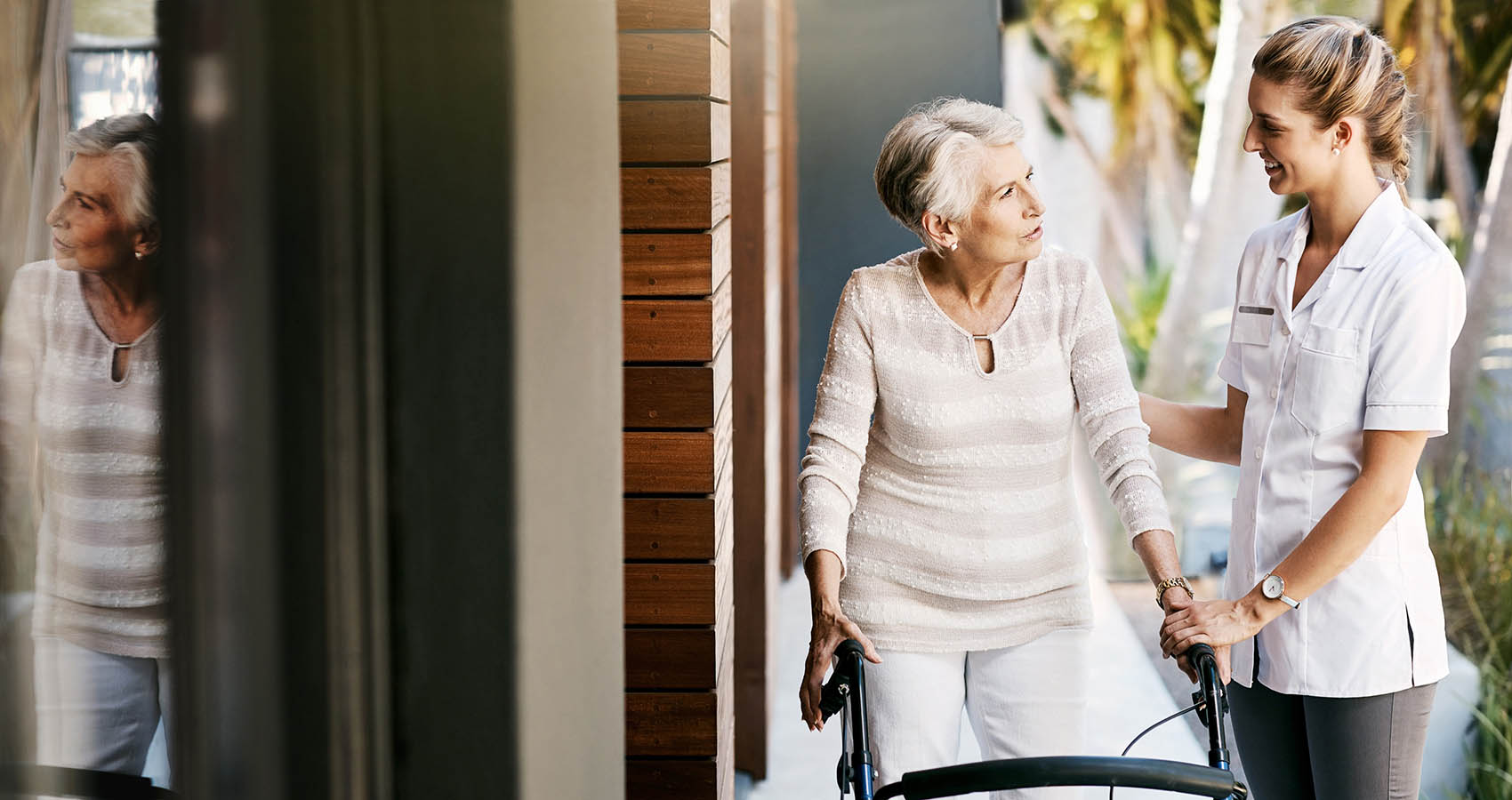
Standard senior care usually runs on fixed schedules and broad service categories. Residents receive help based on general tiers rather than what each person genuinely needs. Upscale communities take a very different path, building care plans from detailed clinical assessments. Geriatric physicians, nurses, and therapists sit down together to map out cognitive status, mobility habits, medication needs, and personal preferences.
Families researching options such as assisted living in Dallas often notice that leading communities revisit resident plans every quarter, adapting support as conditions shift. That flexible model catches early signs of decline before they worsen. A 2023 study in the Journal of the American Geriatrics Society found that personalized care planning reduces hospital readmissions by up to 28% among older adults.
Staffing Ratios and Clinical Expertise
Higher Caregiver-to-Resident Ratios
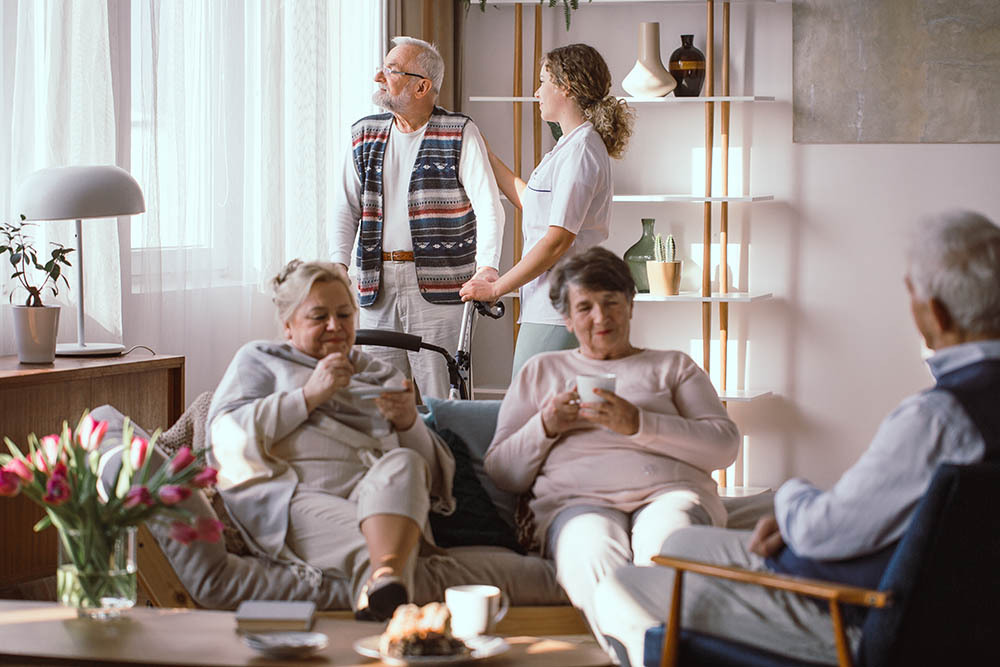
Staffing numbers tell a clear story. Standard facilities often run with one caregiver for every 15 to 20 residents during the day. Higher-end communities typically maintain a ratio closer to 1:8, with licensed nurses available around the clock. Better staffing leads to faster response times, fewer medication errors, and stronger bonds between residents and their care teams.
Specialized Training Requirements
Caregivers at premium communities complete advanced training in dementia support, fall prevention, and chronic disease management. Many hold formal certifications in memory care programming. Ongoing education is written into their employment agreements, which keeps skills current with evolving best practices. Standard facilities may offer baseline training, but very few commit to steady skill growth over time.
Enriched Living Environments
Physical surroundings influence mental health, mobility, and overall wellness in meaningful ways. High-end assisted living relies on purpose-built architecture that supports aging in place. Wide corridors, circadian lighting, and dementia-friendly design features ease confusion and lower fall risk. Outdoor courtyards, walking paths, and therapy gardens give residents daily contact with nature.
Standard care settings often place function above atmosphere. Rooms can feel clinical, with shared bathrooms and tight personal space. Upscale residences offer studios or one-bedroom apartments with kitchenettes, abundant natural light, and the freedom to decorate. Residents hold onto a genuine sense of home rather than adapting to an institutional feel.

Programming That Drives Engagement
Cognitive and Physical Wellness
Active minds age more gracefully. Research from the Rush Alzheimer's Disease Center shows that cognitively stimulating activity lowers dementia risk by roughly 47%. Premium communities build programs around that evidence, offering lecture series, art studios, music therapy, and brain fitness sessions led by trained facilitators.
Physical wellness receives equal attention. On-site fitness centers feature equipment adapted for older bodies, with exercise physiologists supervising each session. Aquatic therapy, gentle yoga, and tai chi run on a weekly rotation. Standard facilities might schedule bingo or occasional outings, yet structured wellness curricula stay rare.
Social and Cultural Life
Loneliness raises mortality risk by nearly 26%, based on research published in Perspectives on Psychological Science. Upscale communities push back against isolation through rich social calendars. Residents join concerts, cultural outings, resident-led clubs, and intergenerational programs with neighborhood schools. Dining becomes a social anchor point, with restaurant-style service and chef-prepared menus replacing cafeteria trays.
Dining, Hospitality, and Daily Comfort
Food quality draws a sharp line between tiers of care. Premium communities employ executive chefs who craft seasonal menus aligned with dietitian-approved nutrition standards. Residents can pick from several entrées at each meal, with accommodations for diabetic, renal, or gluten-free needs. Standard facilities usually stick to a single menu with limited room for substitutions.
Hospitality touches reach well beyond the dining room. Concierge assistance, housekeeping, transportation coordination, and salon appointments come standard at upscale residences. These conveniences protect residents' independence while lightening the daily load for adult children managing care from afar.
Transparent Pricing and Family Communication
Cost structures vary widely across the senior care spectrum. Standard facilities sometimes apply tiered pricing that climbs unpredictably as needs grow. High-end communities generally provide cleaner contracts, either all-inclusive rates or a clearly listed add-on menu. Monthly fees may range from $5,500 to $9,000, yet families receive a detailed breakdown of what each dollar covers.
Communication practices split along a similar line. Upscale residences offer family portals with real-time updates on wellness metrics, daily activity, and care adjustments. Regular care conferences keep relatives well-informed. Standard facilities lean on phone calls or occasional meetings, which can leave family members feeling uncertain.
Conclusion
Premium assisted living delivers a fundamentally different experience through personalized planning, richer staffing, thoughtful environments, and open communication. Families weighing their choices gain the most by looking past glossy brochures and touring communities with pointed questions about ratios, program depth, and pricing clarity. Investing in stronger care pays off through healthier outcomes, steadier emotional well-being, and real peace of mind for everyone involved. The right choice honors an older adult's dignity while meeting changing needs with genuine skill and warmth.











 Connect with Facebook